
Israel Attacks Iran's South Pars Gas Field, Escalating War and Energy Prices
Key Takeaways
- Iran-Israel-U.S. confrontation escalates.
- U.S. and Israel continue bombardment of Iran.
- Energy routes and prices face disruption risk.
Regional Escalation
The conflict between Israel and Iran has escalated dramatically following an Israeli strike on Iran's vast South Pars natural gas field.
This attack triggered Iranian vows of 'zero restraint' and retaliatory attacks across the Gulf region.

The Israeli military launched significant airstrikes targeting Tehran's infrastructure.
The Israel Defense Forces claimed to have begun 'a wave of strikes targeting infrastructure of the Iranian terror regime in the heart of Tehran.'
Iran responded by attacking energy infrastructure in neighboring countries including Kuwait and Qatar.
Iran simultaneously maintained pressure on Israeli territory through continued rocket and missile barrages.
US Military Involvement
The United States has become deeply involved in the escalating conflict.
Defense Secretary Hegseth confirmed that U.S. forces have struck more than 7,000 targets across Iran.

The Pentagon is requesting an additional $200 billion in war funding.
Hegseth made the controversial remark that 'it takes money to kill bad guys' regarding the financial commitment.
Regional allies are facing direct attacks, with Kuwait reporting multiple Iranian drone strikes.
A Kuwaiti refinery was struck and sparked fires, while Dubai experienced heavy explosions from intercepted incoming fire.
Energy Market Impact
The conflict has had severe economic consequences for global energy markets.
“Business News›News›Newsblogs›US-Israel Iran War Live: Donald Trump says he warned Netanyahu against attacking energy fields US-Israel Iran War Live: Donald Trump says he warned Netanyahu against attacking energy fields 19 Mar 2026 | 10:15:38 PM IST U”
Oil prices have soared to around $119 per barrel and U.S. gasoline prices reached $3.88 per gallon.
Attacks on energy infrastructure across the Gulf region have disrupted supply chains.
This has created significant uncertainty in the oil market.
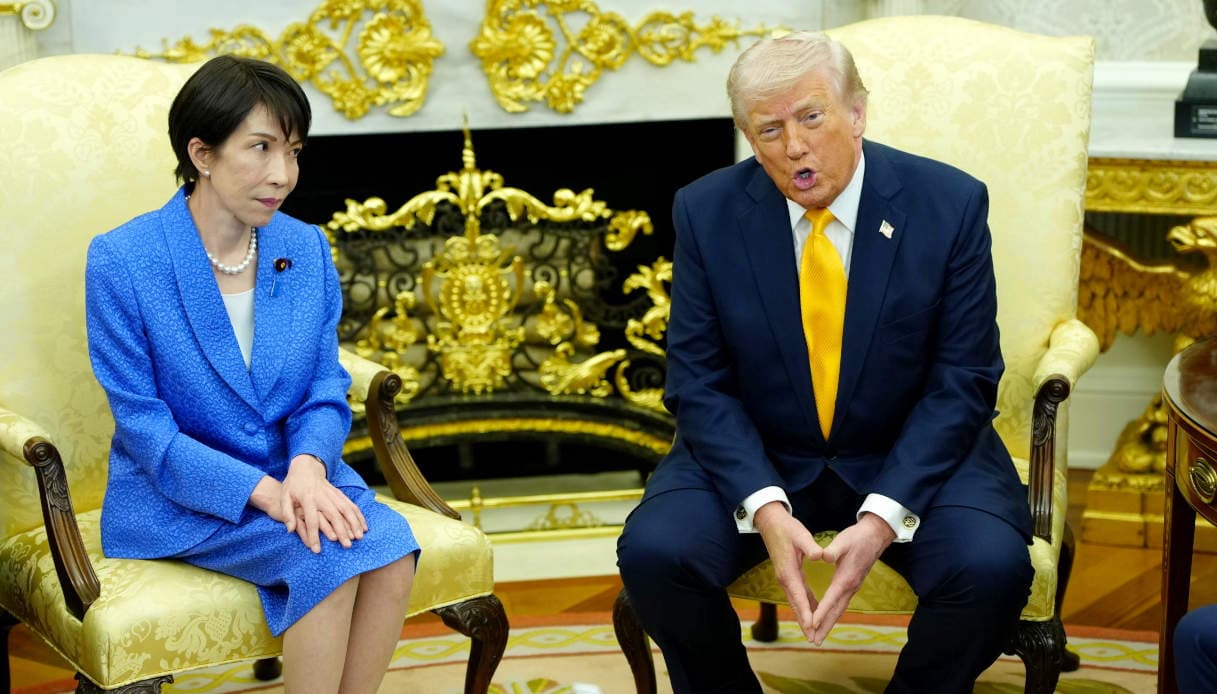
President Trump and Japanese Prime Minister Sanae Takaichi met specifically to address energy market instability.
Takaichi confirmed they discussed 'the importance of swiftly calming the situation and ensuring the safety of navigation in the Strait of Hormuz and the stable supply of energy.'
The escalating tensions threaten to further destabilize energy prices as the conflict continues to spread.
Diplomatic Responses
Diplomatic efforts are underway to contain the regional conflict.
Lebanese President Joseph Aoun proposed a four-point initiative to halt fighting between Israel and Hezbollah.
Aoun emphasized that 'a full truce' with Israel is needed.
The initiative includes increased support for the Lebanese army to 'disarm Hezbollah' and direct negotiations.
Aoun stressed that 'the continued military escalation is hindering its launch' of the proposed framework.
Diplomatic solutions are being actively pursued despite the intensifying violence.
The involvement of regional leaders highlights growing concern about the conflict's potential to destabilize the entire Middle East region.
More on Iran
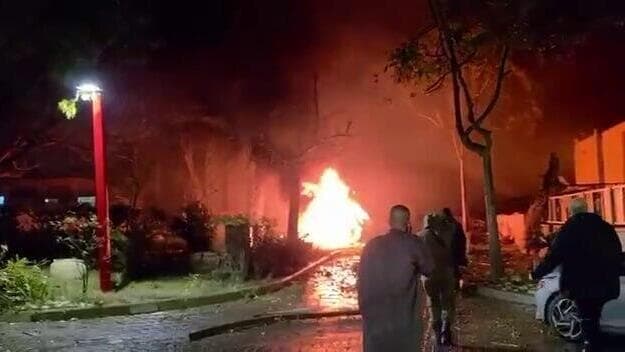
Iranian missiles strike Dimona and Arad, injuring over 100.
47 sources compared
Israel and U.S. Strike Natanz Nuclear Facility Again; Iran Blames Attack
69 sources compared

Iran Attacks Diego Garcia with Long-Range Missiles, Targeting U.S.-UK Base
82 sources compared
Trump Defends Iran War by Citing Pearl Harbor
12 sources compared