Gaza Genocide10 October, 20253 min read
Israel Begins Partial Withdrawal From Gaza After U.S.-Brokered Ceasefire and Hostage Prisoner Exchange
Israel completed partial troop withdrawal from Gaza, retaining control over 53% of the territory. A 72-hour window began for Hamas to release 20 living Israeli hostages in exchange for 250 Palestinian prisoners.
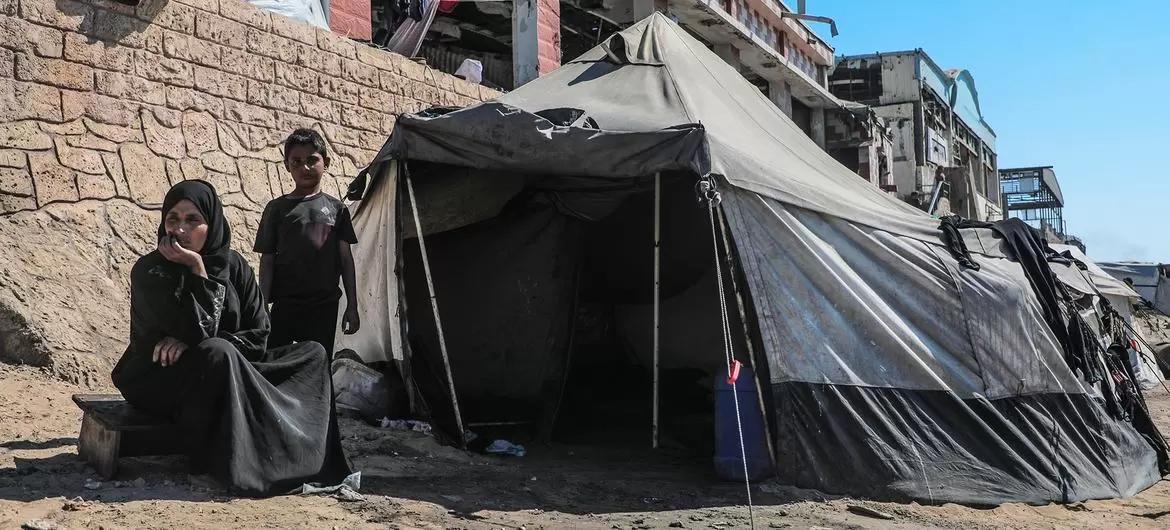
71 outlets told this the same way.
Outlets did split on Israel Marks Oct. 7 Anniversary With Strikes on Gaza, Netanyahu Faces Election After Nova Tribute →
Gaza Ceasefire and Hostage Deal
Israel began a partial pullback inside Gaza after a ceasefire took effect at noon. The army redeployed to a designated “yellow line” and still holds roughly half the territory. A 72-hour window opened for a hostage release.
“The U.S. Central Command confirmed that Israeli forces completed their withdrawal to a designated ‘yellow line’ in Gaza, initiating a 72-hour window for the release of Israeli hostages...”
Multiple outlets detail the first phase of the agreement. Negotiators say Hamas must free all remaining Israeli captives within 72 hours, about 48 total, roughly 20 alive. In exchange, Israel will free around 1,950–2,000 Palestinian prisoners, including 250 serving long sentences.

Israel will also start significantly increasing aid access. Reports say the U.S. pushed this deal, linking it to a broader plan associated with former President Donald Trump. Israel confirms the military repositioning and the timing of the hostage release window.
Prisoner Exchange Details
The exchange mechanics are contested and uneven across sources. Israel published lists and excluded high-profile figures, while Hamas disputes counting rules. Some releases may involve deportations rather than returns.
BBC and The Times report that Israel removed Marwan Barghouti and other leaders from the swap. AP News says Israel plans to free about 2,000 prisoners but excludes key figures. AL-Monitor adds that Israel will deport some prisoners or restrict them to Gaza.

CNN notes a mix of deportations and returns to the West Bank or East Jerusalem. Families of hostages brace for the return of bodies alongside living captives under Red Cross facilitation.
Gaza Conflict Ceasefire Impact
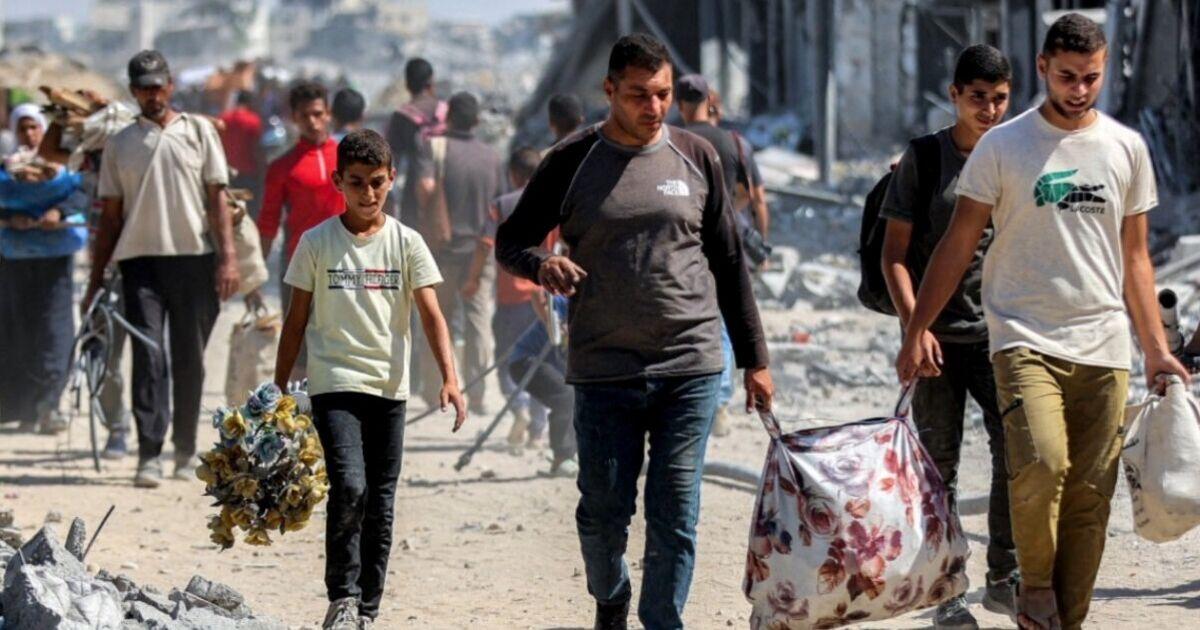
Even as people moved north to shattered neighborhoods, several outlets report Israeli forces and aircraft still killed Palestinians after the ceasefire announcement. Al Jazeera says Israel’s helicopter and air strikes killed at least seven people in Gaza City after Israel ratified the deal. CBS News notes over 67,000 Palestinians killed overall, and BBC documents nearly 199,000 buildings affected while UN agencies struggle as Israel bans UNRWA.
“Israel conducted helicopter and air strikes in Gaza on Friday, killing at least seven people in Gaza City, despite having ratified the first phase of a ceasefire deal with Hamas the previous night.”
The deal opens Rafah and other crossings and allows roughly 600 aid trucks daily, with the U.S. sending about 200 troops to Israel to help monitor and coordinate aid. However, Gaza’s civil defense and aid groups warn unexploded ordnance and Israeli positions still make movement deadly.
Casualties and Accusations in Gaza
The scale of killings is central to how sources describe Gaza. AP News reports Israel’s offensive killed over 67,000 Palestinians, with nearly 170,000 wounded—many women and children—alongside accusations of genocide that Israel denies. OPB adds that a UN commission accused Israel of genocide in Gaza, which Israel disputes.
El Informador quotes Cuba’s foreign minister calling it a “brutal genocide.” Al Jazeera reports Israeli strikes killing at least seven in Gaza City even after ceasefire ratification. These accounts document Israeli forces killing Palestinians at staggering levels; some outlets adopt the legal term genocide, while mainstream sources often present it as an accusation that Israel rejects.
Ceasefire Negotiations and Roles
Power politics over the ceasefire’s authorship and next steps are sharply contested. Fox News and Hungarian Conservative credit Donald Trump, Jared Kushner, and envoy Steve Witkoff for brokering the deal and pushing deadlines. The Independent quotes a Hamas official praising Trump but questions the evidence supporting the credit.
“Trump’s 20-point proposal... established a ‘common minimum’ acceptable to both Israel and Arab-Muslim states... Currently, 48 hostages remain in Hamas captivity, with about 20 believed alive.”
NPR warns the proposed governance plan would impose external control and effectively continue occupation. Hürriyet Daily News says the U.S. will deploy about 200 troops to Israel to help oversee the ceasefire as Netanyahu vows to demilitarize Gaza by force if needed. Ouest‑France underscores Qatar’s mediating role and shared responsibility for the ceasefire’s first phase, contrasting with U.S.‑centric narratives.
