Gaza Genocide17 October, 20253 min read
Israel Blocks Gaza Aid and Continues Attacks Despite Ceasefire, Deepening Palestinian Famine
This article is an automated aggregation of coverage from news outlets. Our editorials offer in-depth analysis curated by the NewsCord team.
Israel continues attacks violating ceasefire, causing over 68,000 Palestinian deaths. Israel blocks Gaza’s Rafah crossing, delaying critical humanitarian aid despite ceasefire.
58 outlets told this the same way.
Aid Restrictions and Famine in Gaza
One week into the U.S.-brokered ceasefire, Israel kept key crossings shut or throttled and cut the daily aid flow, leaving Gaza—especially the north—starving.
“Around 560 metric tons of food enter Gaza daily, described as a ‘trickle’... Israel has also reduced the number of daily aid trucks allowed from 600 to 300.”
The Independent and NewsBreak report only about 560 metric tons of food a day getting in, a “trickle,” while Israel halved trucks from 600 to 300 and kept Rafah mostly closed.

The U.N. World Food Programme says convoys cannot reach famine-affected areas in north Gaza because war-damaged roads and closures block them.
West Asian coverage stresses that Israel is keeping Rafah closed until the group controlling Gaza returns captives’ bodies, delaying aid.
Meanwhile, mainstream and local outlets document famine: a leading authority declared famine in Gaza City, and the U.N. recorded hundreds of malnutrition deaths, including many children, after Israel’s restrictions and halts on aid.
Ceasefire Violations and Casualties
Israeli forces continued lethal actions during the ceasefire as reported by multiple outlets. Western Alternative sources Middle East Eye and the Canary report 47 Israeli ceasefire violations that killed at least 38 Palestinian civilians and injured 143. Local Western outlet kaaltv reports that Hamas accused Israel of violating the ceasefire after an Israeli airstrike killed nine civilians.
T‑Online notes Israeli shelling killed nine family members and that Israel claimed the strike targeted a “suspicious vehicle” and complied with the ceasefire. Jurist.org documents killings during the ceasefire period, including the shooting death of clearly identified Palestinian journalist Saleh Aljafarawi. The report also references Netanyahu’s admitted mobilization of clans against Hamas.

Aid and Hostage Body Disputes
Israel is linking access to aid with the return of deceased hostages’ bodies, using the situation to threaten further aid reductions even during the ceasefire. NBC News reports that Israel demands the expedited return of 18 more bodies and warns of renewed military action. Hamas calls for a full ceasefire, increased aid, and reconstruction, stating that rubble and destroyed tunnels are delaying recovery efforts.
“Israel demands the expedited return of 18 more bodies and warns of renewed military action if delays persist.”
CNN reports that Israel is allowing aid, while Hamas says it has already handed over all accessible remains and requires specialized equipment to retrieve more. Israel believes that Hamas still holds at least six bodies. Counts of returned bodies differ across mainstream outlets: DW states only nine of 28 bodies have been returned.
The Mirror and NewsX report that 12 out of 28 bodies have been returned. CNN en Español and T‑Online report that officials are linking the reopening of Rafah to the return of all bodies.
Humanitarian Crisis in Gaza
Gaza’s humanitarian system is collapsing while Israel restricts aid and keeps Rafah crossing closed. NewsBreak reports that only 13 of 36 hospitals are even partially operational. The World Health Organization warns of spiraling infectious diseases in the region.
Oxfam and Mercy Corps state that aid is stuck in warehouses due to Israeli bureaucracy. AP News and United News of Bangladesh describe people standing in long lines at charity kitchens. Basic vegetables have returned to markets, but meat and poultry remain scarce and expensive.
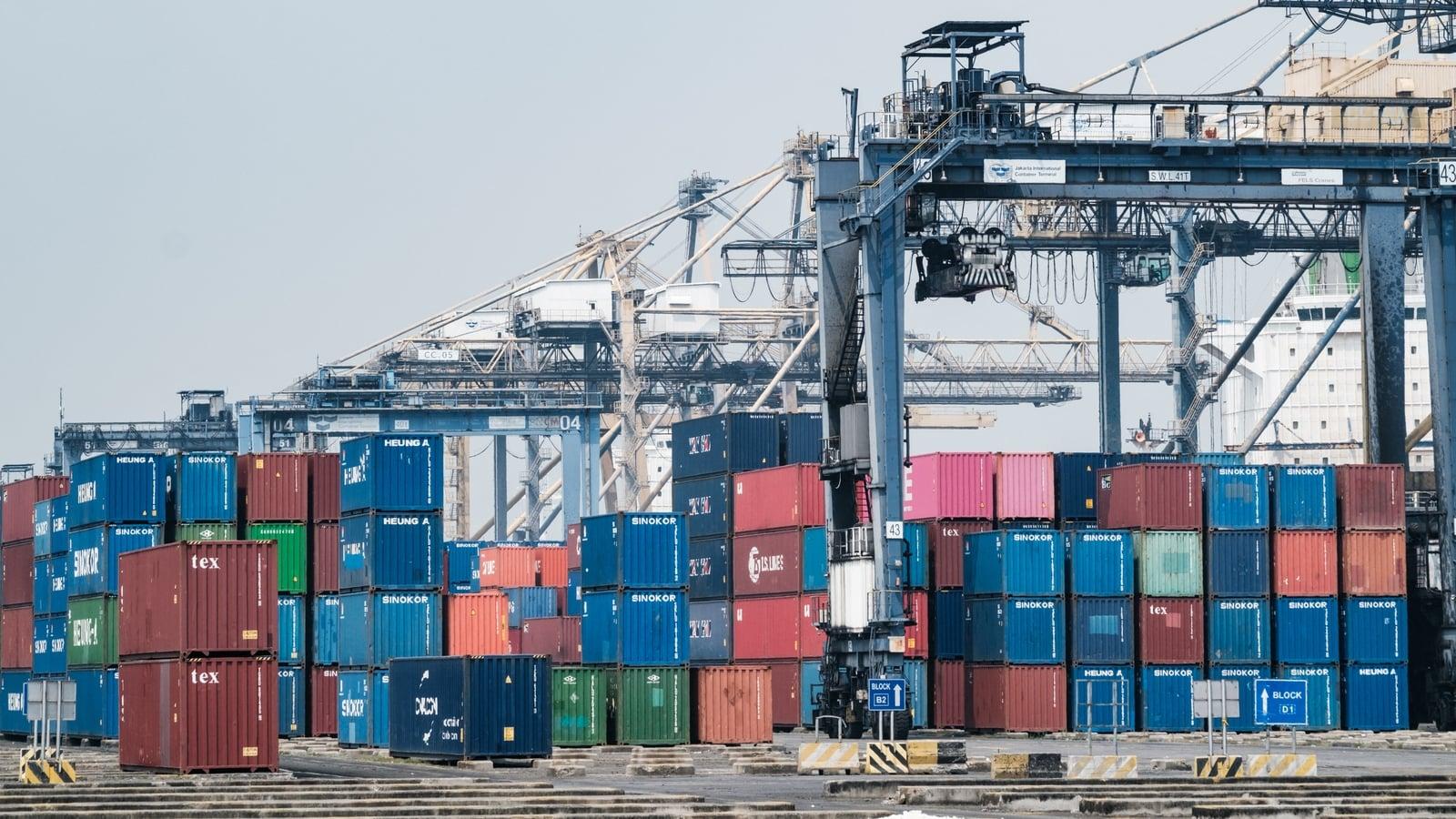
Families are traveling long distances to access clean water. شفق نيوز reports that UNRWA has three months’ worth of supplies staged in Jordan and Egypt but needs unrestricted access to deliver them. The Independent details Israel’s reduction to 300 aid trucks and new NGO registration hurdles that slow relief efforts.
Aid Access and Control in Gaza
Global agencies demand Israel open all crossings and remove barriers to aid delivery. Some Western outlets highlight tentative plans that still leave Israel in control of access. The Guardian and DW relay the UN and World Food Programme's call to open every crossing and note that Israeli restrictions and damaged roads block aid distribution.
“The UN and World Food Programme are calling for the opening of all crossings... Israeli restrictions and damaged infrastructure in Gaza... are hindering distribution.”
France 24 states the Israeli military controls access and is allowing aid mainly through Kerem Shalom, with plans to partially reopen Rafah for civilians. PBS reports that France, backed by Britain and the U.S., is drafting a U.N. resolution to deploy an international force to secure aid and reconstruction.

The militant group demands more aid, Rafah’s reopening, reconstruction, an independent Gaza governing committee, and Israeli troop withdrawals. Al Jazeera stresses that Israel is keeping Rafah closed until bodies are returned, so supplies sit outside Gaza despite UNRWA's capacity to distribute them.