Full story
Abu al-Duhur Strike
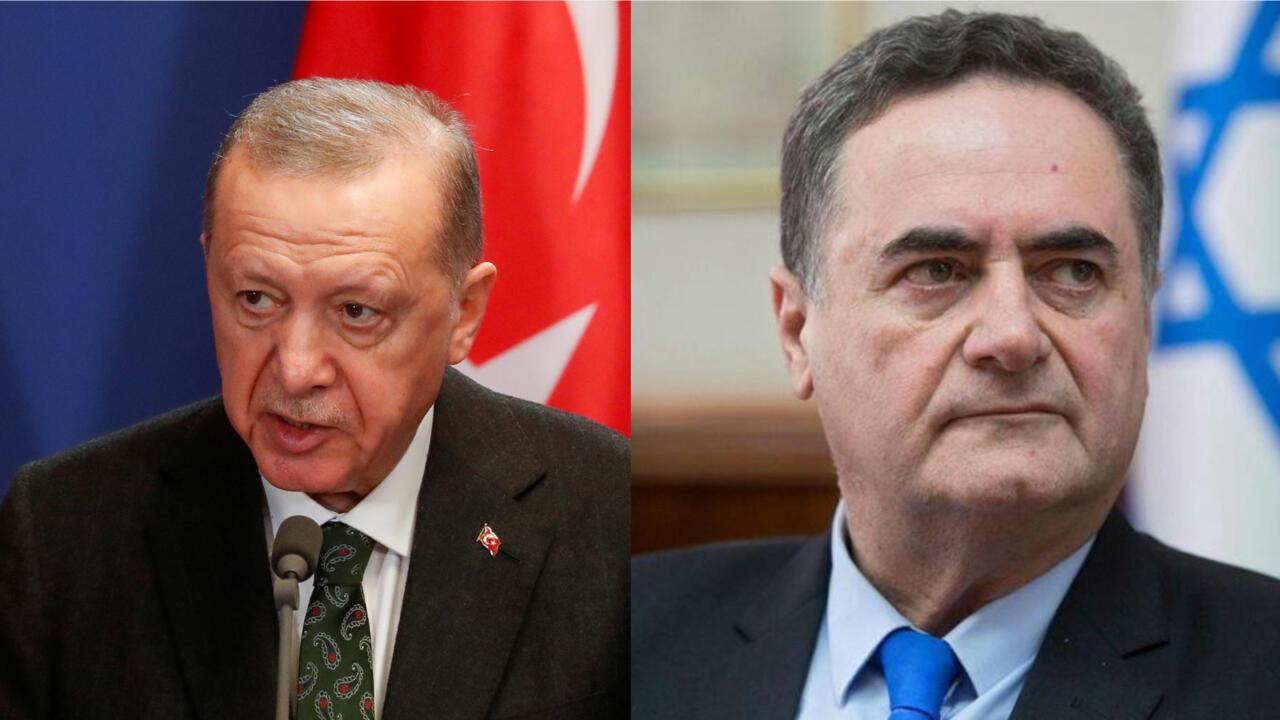
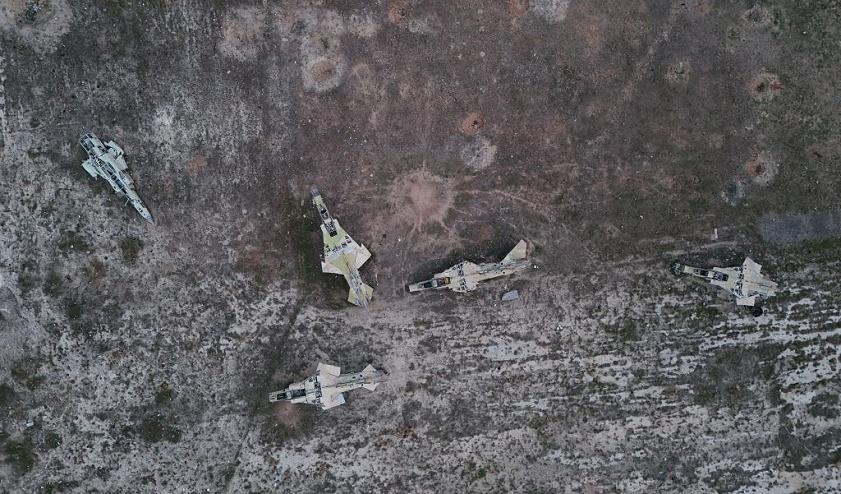
Israel bombed the Syrian Abu al-Duhur airbase, prompting stepped-up warnings between Israel and Turkey after the attack brought tensions over Syria into focus.
“Israel accused Turkey of "dangerous adventures in Syria"”
Reuters said Israel accused Turkey of "dangerous adventures in Syria" while Ankara called for a halt to "reckless" Israeli attacks, two days after Israel bombed the airbase where it said Turkish troops were about to deploy.

Syrian Foreign Minister Asaad al-Shaibani told Axios that he had made clear to Israel there were no plans to establish a Turkish military base at Abu al-Duhur, and he said Turkish military officers had visited the base as part of "ongoing military cooperation in the areas of training and the exchange of expertise."
The Turkish defence ministry said on Thursday that no Turkish military delegation was present at the base before or during the strike and that Turkey would continue to support Syria's efforts to develop its own military capability and infrastructure.
Reuters also reported that the issue of Turkish military deployments in Syria was discussed in a rare phone call between Shaibani and the head of Israel's Mossad spy agency, Roman Gofman, on August 14, days ahead of the strike.
De-escalation and Denials
The dispute played out through competing claims about whether Turkey was preparing to deploy at Abu al-Duhur and whether Israel had any legitimate justification for the strike.
Al Jazeera reported that al-Shaibani said, "There was no intention to establish a Turkish base there, nor to establish a permanent Turkish military presence or deploy Turkish forces at the site," adding that the facility was largely empty.

In response to the attack, the Turkish defence ministry said, "We confirm that no Turkish military delegation was present at Syria's Abu al-Duhur Airbase before or during the Israeli attack," and described the strike as an act aimed at harming Syria's stability, security, unity and territorial integrity.
U.S. officials also weighed in, with Reuters reporting that U.S. Ambassador to Israel Mike Huckabee said Washington is setting up "a de-escalation process" and that it needs to be refined to make sure it will work.
Reuters further quoted Huckabee saying he did not think the situation had reached an Israeli-Turkish confrontation and that Israel did not take action that resulted in casualties or the destruction of significant assets.
Regional Stakes Ahead
The attack has raised questions about how Syria can navigate conflicting security demands while preserving its strategic autonomy, with analysts describing the episode as part of a broader struggle over the security balance in the new Syria.
“What is happening goes beyond the issue of Turkish forces deploying at a base near Aleppo”
Xinhua said the strikes came amid expanding military cooperation between Damascus and Ankara and that the Abu al-Duhur facility had remained largely out of operation for years, suffering extensive damage during Syria's conflict.
Xinhua also quoted Syrian political analyst Maher Ihsan saying, "What is happening goes beyond the issue of Turkish forces deploying at a base near Aleppo," and described it as reflecting a broader struggle over the shape of the security balance in the new Syria.
The same analysis warned that miscalculation could fuel escalation, with Ihsan saying an Israeli strike on a facility where Turkish personnel are present could trigger a Turkish response and an escalation neither side intended.
Xinhua linked the risk to Washington’s role, noting that U.S. Special Envoy for Syria Tom Barrack said Tuesday that Washington was working on a deconfliction mechanism among all three parties, and that Turkey was not warned about the Israeli strikes.