Full story
Border warnings after strikes
Israeli attacks on the Abu al-Duhur airbase in northern Syria escalated tensions with Turkey after Israel justified the strike by the possibility of Turkish forces being deployed at the base, which Ankara called “claims that cannot be defended.”
“Israeli airstrikes targeting Abu al-Duhur airbase near Aleppo on Tuesday sparked a new political confrontation between Israel and Turkey”
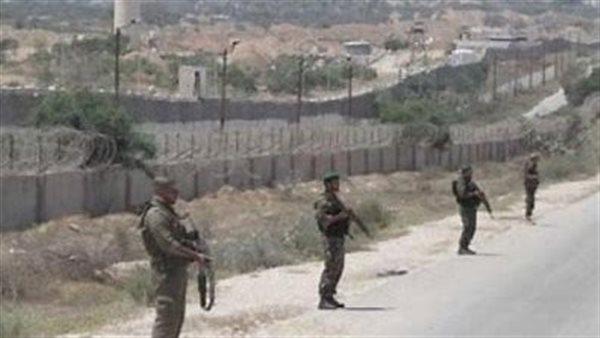
Israeli army chief of staff Eyal Zamir said during a visit to Israeli troops stationed in southern Syria that Israel would not allow any “hostile force to establish itself” along its border with Syria.
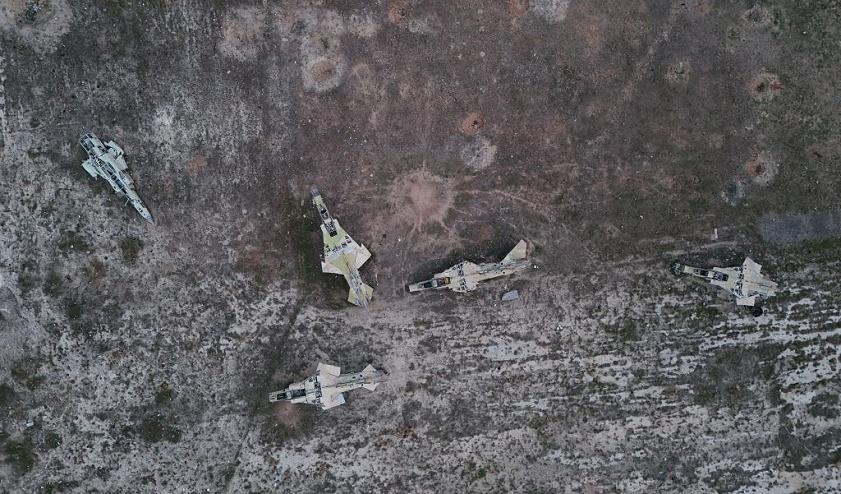
The BBC reported that the official Syrian News Channel said Israel carried out eight strikes on Tuesday that hit the Abu al-Duhur airbase runway and its storage facilities, while another military source and a civilian said the strikes did not cause casualties.
The BBC also said the base is located in northwestern Syria, about 70 kilometers east of the Turkish border, and that it was taken out of service as a military airport in 2013 after changing hands several times during Syria’s 14-year war.
In parallel, Reuters reported that Mossad chief Roman Gofman held a phone call with Syrian Foreign Minister Asaad al-Shaibani on Aug. 14 to discuss Turkey’s military presence in Syria, days before the Abu al-Duhur airbase strikes.
Quotes and competing narratives
Washington called the Abu al-Duhur strikes an “unnecessary escalation,” and the BBC said US envoy Jim Brien disclosed efforts to establish a mechanism to prevent military friction between Israel, Turkey, and Syria.
Turkey rejected Netanyahu’s justification, with the BBC reporting that the Turkish presidency said the claims “cannot be defended” and aimed to legalize Syria’s violation of sovereignty.

In a separate account, CNN Arabic quoted Netanyahu defending the strike and warning: “We will not tolerate any Turkish military crowd heading south and threatening us.”
CNN Arabic also said US envoy Tom Barrack criticized Israel’s actions on Tuesday, describing them as an “unnecessary escalation that does not contribute to regional stability.”
The BBC further reported that Turkey did not confirm the presence of forces at the base or plans to deploy there, while Israel’s office said Syria was about to disrupt the “status quo agreed with Israel on security issues.”
What’s at stake next
Both sides framed the next steps around border security and de-escalation mechanisms, with the BBC describing talks on de-escalation and borders that had not yet yielded a formal agreement.
“both sides have held several rounds of talks on de-escalation and borders without reaching a final understanding”
The BBC said Syrian President Bashar al-Assad told Reuters in July that his country seeks a security agreement with Israel, while Brien said both sides have held several rounds of talks without reaching a final understanding.
In the same reporting stream, the BBC said the attack appears to be the first targeting Syrian government facilities since March and occurred far from the area Israel says it keeps as a security zone in southern Syria.
In an additional warning from the Israeli side, Zamir told troops that “We will not allow hostile forces to establish themselves at our borders and we will know how to use our operational capabilities precisely, where and when necessary,” tying future action to “operational capabilities.”
Meanwhile, the Today report said the conversation between Mossad chief Roman Gofman and Syrian Foreign Minister Asaad al-Shaibani on Aug. 14 discussed Turkey’s military presence in Syria, underscoring that the dispute over Turkish deployments remains central to the immediate political and military trajectory.