Syria · 18 August, 2026 · 2 min read
Lebanon Hands Major-General Adel Issa to Damascus After Arrest Warrant Over Syrian Conflict Crimes
Lebanon extradited Maj. Gen. Adel Issa to Damascus to face murder, torture, crimes against humanity. It was the first transfer of an Assad-era senior military officer from Lebanon since 2024.
29 outlets told this the same way.
8 of 9 outlets skipped it: syrian authorities say the transfer is the first extradition of a military officer since Assad’s fall.
29outlets compared
Beirut hands Issa over
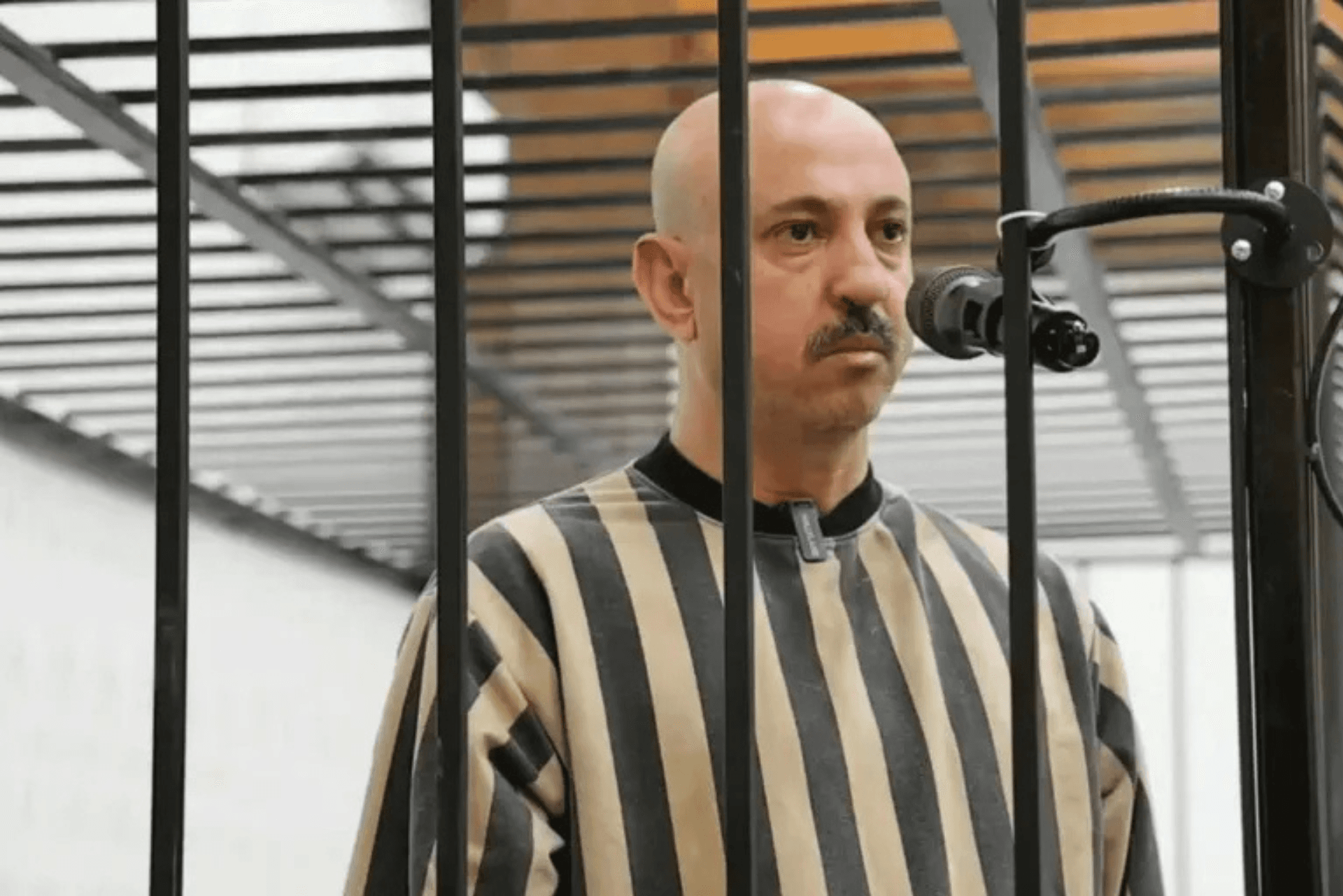
Lebanon has handed over former senior Syrian army officer Major-General Adel Issa to Damascus after he was detained in Beirut over an arrest warrant tied to crimes committed during the Syrian conflict. The Syrian Ministry of Interior said, "Today, Syrian authorities received from the Lebanese authorities the former officer in the defunct regime army, Major-General Adel Issa," and added that a Damascus referral judge will hear his case before it could be sent to a criminal court for trial.
Issa, 67, was detained on August 8 after going to the Syrian embassy in Beirut to complete paperwork, and Reuters reported he has denied the accusations. The transfer follows months of pressure by Damascus for Lebanon to act against former government officers who sought refuge in Lebanon after the Assad regime collapsed in December 2024, and President Ahmed al-Sharaa has led the country since.
Charges, denials, and process
Syrian and Lebanese accounts describe the legal basis and the alleged conduct at the center of the handover, with the Syrian Interior Ministry listing charges including intentional homicide, torture leading to death, and crimes aimed at inciting civil war and sectarian strife. The Syrian Interior Ministry said Issa is accused of "torture leading to death," and Al Jazeera reported that a Damascus referral judge will hear his case before it is sent to a criminal court for trial.
Reuters reported that Issa denied the accusations, citing two people familiar with his arrest and extradition, after embassy officials alerted Lebanon’s prosecutor’s office that he was wanted in Syria. AP reported that Issa was questioned by judge Ahmad Rami Hajj, Lebanon’s public prosecutor at the Court of Cassation, over alleged crimes in Syria’s eastern province of Deir el-Zour and the northern province of Raqqa during the conflict that began in 2011.

A precedent for more
The handover is framed by multiple outlets as the first such transfer since Bashar al-Assad was toppled in 2024, and it is presented as a potential opening for further cooperation over other former regime figures in Lebanon. Al Jazeera described the transfer as the first such operation since Assad was toppled in December 2024, and it said the case is before the Fourth Judge of Referral in Damascus ahead of referring Issa to the Damascus Criminal Court.
AP tied the decision to a 1951 agreement between the countries calling for handing over suspected criminals, and it said Issa is expected to stand trial in his home country. The same reporting also places the move in a broader judicial push in Syria after the fall of the Assad family’s rule in December 2024, when dozens of other former members of security agencies accused of atrocities were arrested and put on trial in Syria.