Ukraine War14 October, 20253 min read
Israel Declares Ceasefire in Gaza After Palestinian Resistance Frees Final Hostages
A fragile ceasefire in Gaza was brokered by the U.S. and announced on October 10, 2025. Thousands of displaced Palestinians and nearly 2,000 released prisoners returned to devastated Gaza neighborhoods.

13 outlets told this the same way.
Outlets did split on Russian Attack Kills At Least 33 On Two Buses In Kramatorsk →
Gaza Ceasefire and Hostage Exchange
Israel announced a fragile Gaza ceasefire alongside a first-phase deal focused on releases and exchanges. The ceasefire began on October 10, 2025, as part of a U.S.-brokered 20-point plan that includes hostage releases and prisoner exchanges. West Asian outlet Evrim Ağacı reported that only some hostages and remains have been returned so far and warned of delays.
“A fragile ceasefire was established in the Gaza Strip on October 10, 2025, ending two years of conflict between Israel and Hamas.”
Western Tabloid Daily Mail took a celebratory tone, noting that Donald Trump visited the Middle East to celebrate the deal, which included the release of 20 Israeli hostages. WKHM-AM highlighted the parallel return of nearly 2,000 released prisoners and displaced Palestinians. Global News referenced Trump signing a Gaza peace deal amid ongoing instability, emphasizing that conditions remain precarious even with the ceasefire.
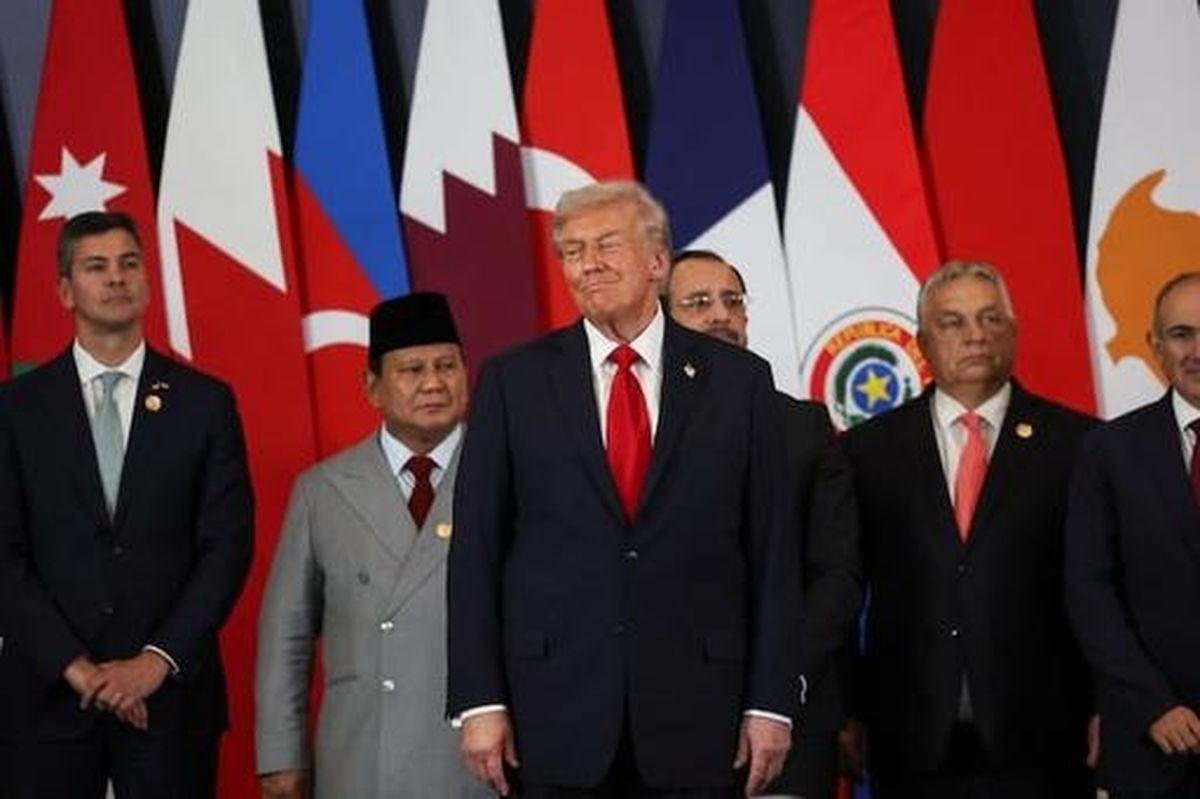
Impact of Gaza Ceasefire
On the ground, residents returning under the ceasefire face catastrophic damage and acute deprivation. WKHM-AM reports Gaza’s toll as nearly 68,000 Palestinian deaths, with 83% of Gaza City’s structures damaged and almost 17,734 buildings destroyed. Returnees like Abdullah Wa’el Mohammed Farhan find neighborhoods heavily damaged and uninhabitable.
Western Mainstream France 24 depicts families such as Hossam Majed’s and Umm Rami Lubbad’s coming back to rubble, with no electricity, water, or internet, and relying on scarce, expensive food. Western Tabloid tag24 similarly describes Gaza City as a ghost town, with displaced people in makeshift shelters and essential services largely unavailable. Evrim Ağacı adds that despite the ceasefire, the humanitarian crisis remains severe, even as aid deliveries have increased to about 600 trucks daily.
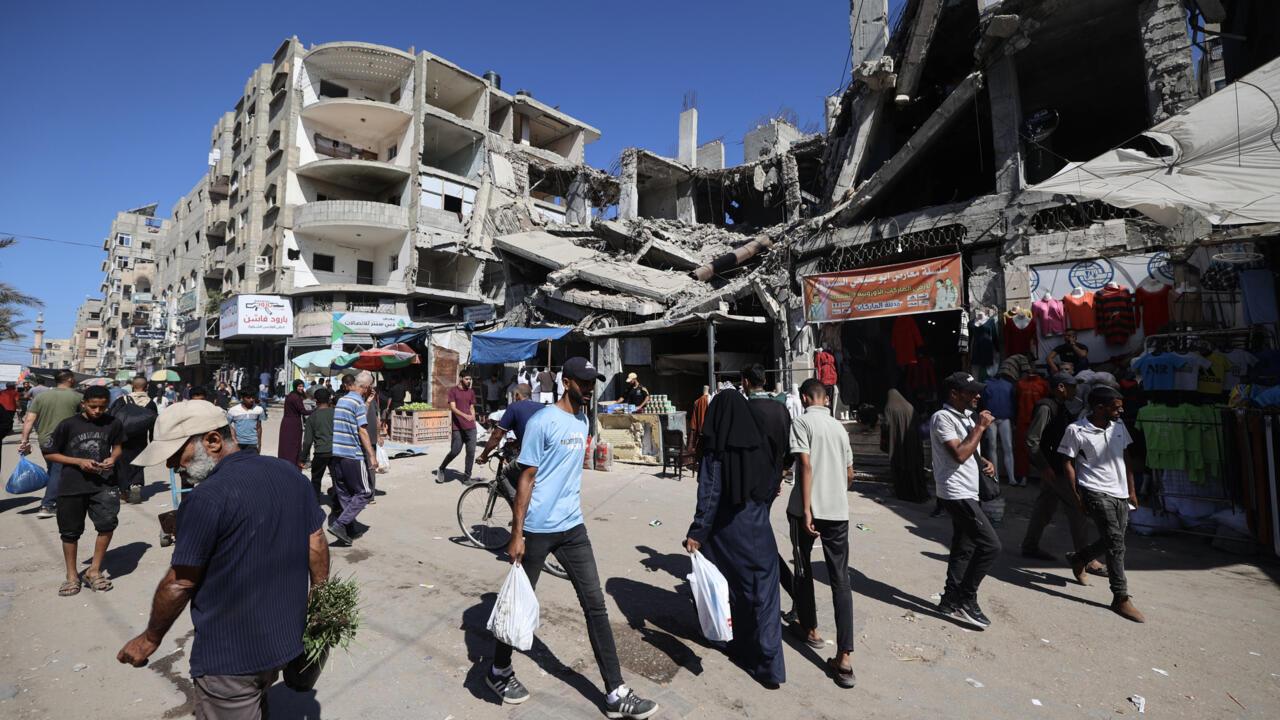
Ceasefire Governance and Security Plans
The ceasefire’s second phase envisions contested pathways for governance and security. Evrim Ağacı details a technocratic transitional authority overseen by an international “Board of Peace.” There is a gradual formation of a Jordanian‑Egyptian trained Palestinian police force backed by an International Stabilization Force (ISF).
“Governance will be managed by a technocratic transitional authority overseen by an international 'Board of Peace,' with the Palestinian Authority as a possible but controversial candidate.”
An Egyptian proposal suggests deploying up to 10,000 Palestinian security personnel. These plans face Israeli opposition to a large armed Palestinian presence and resistance from Hamas to disarmament.
CBS News reports an early U.S.-led initiative for an interim governing body overseen by a “Board of Peace” chaired by Trump, but notes this body has yet to be formed. Global News briefly highlights Trump signing a Gaza peace deal amid ongoing instability, capturing the gap between diplomatic design and on‑the‑ground uncertainty.
Security and Civilian Challenges
Public order remains volatile as competing narratives emerge about security under the ceasefire. CBS News reports that Hamas has intensified a violent crackdown against alleged collaborators, including executing suspected gang members. Israeli hostage negotiator Gershon Baskin describes Hamas as a long-standing criminal organization.
Former President Trump is quoted calling them very bad gangs. In parallel, France 24 and tag24 chronicle civilians navigating danger and lawlessness.

Families return to ruins, survive without utilities, and shelter amid rubble. Evrim Ağacı adds that Hamas resists disarmament, complicating any plan to integrate or oversee policing during the transition.
Ceasefire and Geopolitical Tensions
International dynamics also influence the trajectory of the ceasefire. Evrim Ağacı highlights uncertainty regarding the ISF’s composition and acceptance, even as aid increases. Global News notes that the signing took place amid ongoing instability.
“An International Stabilization Force (ISF) under Arab and international supervision is planned... though its makeup and acceptance are uncertain... Despite the ceasefire, Gaza’s humanitarian crisis remains severe, though aid deliveries have increased to about 600 trucks daily.”
In a broader geopolitical context, Daily Mail reports that Zelensky has privately asked Trump to provide Tomahawk missiles to Ukraine and expresses optimism about Trump’s approach of peace through strength. CNN outlines the risks associated with supplying Tomahawks, describing it as a major escalation that Russia warns could lead to serious consequences. Together, these reports illustrate a peace process deeply intertwined with volatile regional and global factors.
