Gaza Genocide17 October, 20253 min read
Israel Frees Last Living Hostages After Two Years in Hamas Captivity
Israel freed its last living hostages after two years of Hamas captivity in Gaza. Hostages reported systematic starvation, torture, isolation, and forced conversions by Hamas.

13 outlets told this the same way.
Outlets did split on Israel Marks Oct. 7 Anniversary With Strikes on Gaza, Netanyahu Faces Election After Nova Tribute →
Hostage Release and Truce Details
Israel freed its last living hostages after roughly two years in captivity by Hamas. The releases were carried out under a truce or ceasefire and were followed by immediate hospital care and emotional reunions. France 24 reports that the release was part of a truce that also involved the exchange of over 1,900 Palestinian prisoners.
“After two years in captivity by Hamas in Gaza, Israel’s last living hostages were released and reunited with their families on Monday. Though physically frail, they have returned home and are beginning the challenging process of recovery with the help of medical teams. The release was part of a truce that also involved the exchange of over 1,900 Palestinian prisoners.”
Former hostages were reunited with their families at Rabin Medical Center near Tel Aviv. World Israel News states that all living hostages were released on Monday but alleges that Hamas has not returned the remains of 19 deceased hostages.
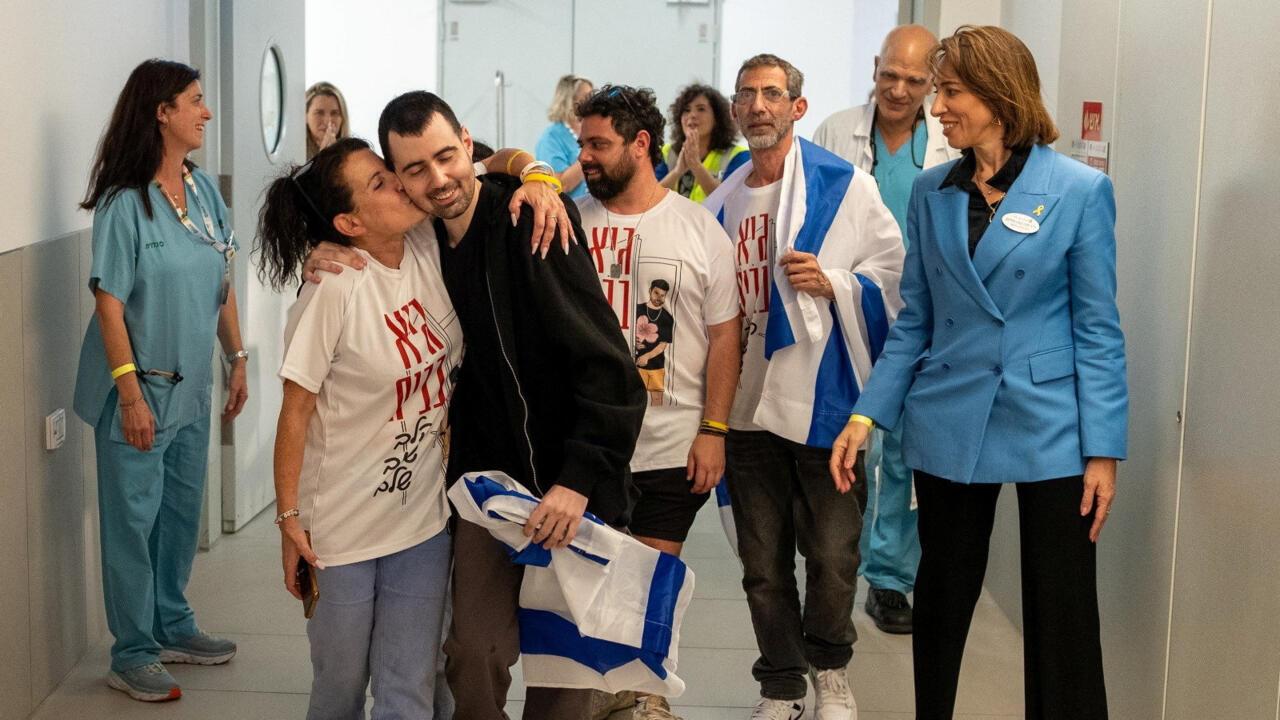
Sky News adds that Hamas affirmed its commitment to the ceasefire but said the recovery of bodies is hampered by destruction caused by two years of Israeli bombardment. The Washington Post highlights the personal ordeal of Omri Miran and notes that Israeli hospitals are using protocols developed over two years to treat freed captives.
Hostage Experiences and Recovery
Freed hostages and their families are now recounting what captivity looked like. World Israel News reports harrowing accounts of torture, starvation, prolonged isolation, underground cages, and forced attempts at religious conversion. One case includes Avinatan Or, who was held in solitary confinement for over two years.
The Washington Post recounts how Omri Miran’s family said good night to him by looking at the moon throughout his captivity. It also notes the use of specialized medical protocols for returnees.
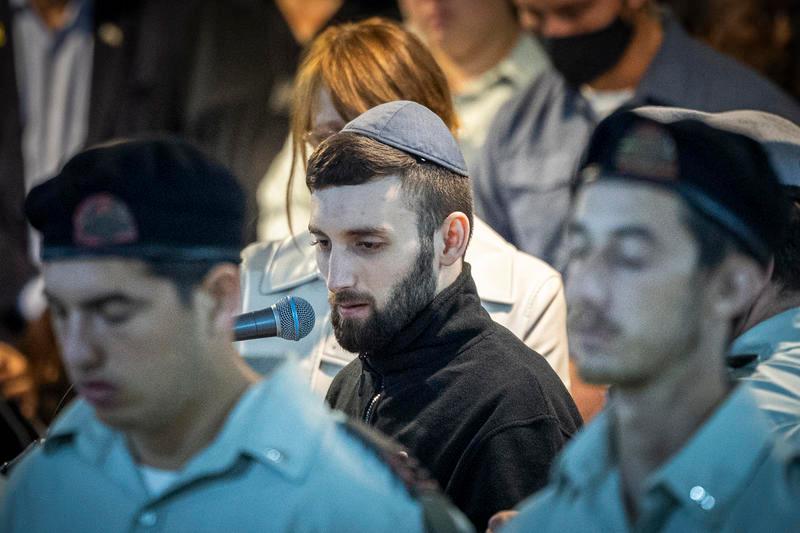
France 24 describes the former hostages as physically frail and beginning recovery with medical teams. Beritasriwijaya.co.id says the Washington Post’s coverage focuses on the trauma former hostages describe and frames CNN’s Christiane Amanpour as context on journalistic credibility.
Humanitarian Crisis in Gaza
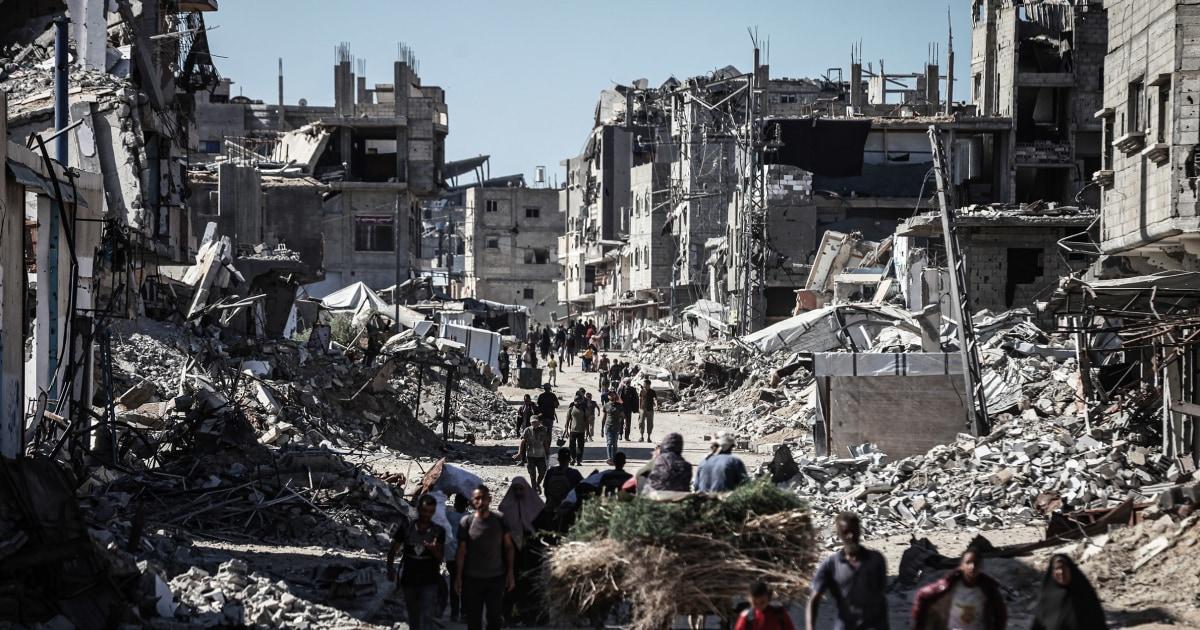
On-the-ground humanitarian realities remain brutal in Gaza after Israel’s military operations devastated infrastructure and restricted access. NBC News reports that recovery teams struggle to extract bodies from rubble and that Hamas accuses Israel of blocking heavy machinery needed for recovery. Sky News says the UN called for unhindered aid while noting that northern Gaza remains critically short of food and medical care.
“Recovery efforts to extract bodies from rubble are slow and difficult, with Hamas accusing Israel of blocking heavy machinery needed for the task.”
Many hospitals are barely functioning, with MSF reporting severe access issues. Le Temps cites the World Food Programme warning that addressing famine in Gaza will take time and calls for opening all crossings.
The WHO warns that epidemics are “out of control.” NBC News also reports that aid delivery in Gaza City has not begun due to closed northern crossings, directly tying Israeli-controlled access to stalled distribution.
Ongoing Conflict and Reactions
Violence and lethal force continue beyond the hostage releases. Le Temps reports that an 11-year-old Palestinian boy, Mohammad Hallaq, was killed by Israeli forces near Hebron. The report also notes that nearly 1,000 Palestinians have been killed in the West Bank since the Gaza war began.
Meanwhile, Israel reports 43 Israeli deaths in the same area. Le Temps further highlights UN warnings that Israeli strikes on cars in Lebanon since November may constitute war crimes when civilian objects are hit without military purpose. NBC News adds that Israel partially withdrew from Gaza and set a “yellow line” boundary, warning people not to cross.

The report also mentions internal Gaza repression by Hamas, including public executions and clashes with rivals. The Guardian captures the Israeli public debate, with some urging that Israel halt ceasefire obligations—such as fuel supplies and border openings—if Hamas delays returning bodies. Others insist the war is not over until all victims are returned.
Dispute Over Hostage Remains
A central dispute remains over the bodies of deceased Israeli hostages. World Israel News asserts that Hamas’s failure to return 19 bodies violates the ceasefire. Sky News reports that Hamas affirmed it would uphold the deal but faces enormous difficulties recovering remains after two years of Israeli bombardment.
“Hamas has yet to return the remains of 19 deceased hostages... Hamas’s failure to return the bodies of the deceased violates the terms of the ceasefire agreement.”
Le Temps says Hamas pledged to return all remaining Israeli bodies and noted some are buried under rubble. The Guardian reports Hamas claims it doesn’t know where the remains are or cannot retrieve them, which critics call further terrorism.
This dispute directly shapes Israeli domestic demands, with some calling for cutting fuel and closing borders until the bodies are returned. Meanwhile, families continue to press for closure.