
Hezbollah attacks northern Israel; Israel expands buffer zone to Litani, plans long-term occupation
Key Takeaways
- Israel expands a buffer zone in southern Lebanon to push Hezbollah back from the border.
- Hezbollah rejects ceasefire talks as Israeli operations continue in southern Lebanon.
- Lebanon casualties exceed one thousand amid ongoing clashes and Israeli strikes.
Hezbollah cross-border attacks
Hezbollah launched cross-border attacks into northern Israel, prompting Israel to expand its buffer zone in southern Lebanon.
“BREAKING US demands Iran accept defeat or be 'hit harder' than before'Two killed, 3 injured from falling debris in Abu DhabiNetanyahu says Israel is expanding a 'buffer zone' in south Lebanon Click to pause breaking news tickerpause-square-backgroundClose Breaking News Tickerclose Toggle Play Netanyahu boasts about 'breaking boundaries in every sense of the word' Israeli Prime Minister Benjamin Netanyahu says the country is working to expand its ‘buffer zone’ from Lebanon”
The fighting intensified near the Litani River as Israel pressed to widen its operational defense line.
Israeli officials framed the move as part of a broader effort to deter cross-border attacks and to disarm Hezbollah amid the wider confrontation with Iran.
Analysts highlighted that the expansion is being publicly presented as a security measure along the border rather than a retreat or conquest.
Buffer zone expansion specifics
Israeli authorities indicated the buffer zone would extend at least 8 km from the border up to the Litani River, accompanied by plans to push Hezbollah back and restructure border security.
The measures include establishing 18 outposts to anchor the zone and prevent Hezbollah from reconstituting its networks.

Israeli Defense Minister Israel Katz signaled a long-term occupation of southern Lebanon to ensure security for residents in the north.
Several outlets framed the move as creating a deeper, more durable security zone along the border.
Casualties and humanitarian stakes
Lebanese health authorities reported heavy casualties from Israeli strikes, with the death toll rising to around 1,094.
“JERUSALEM/BEIRUT - Israeli Prime Minister Benjamin Netanyahu said on Wednesday that Israel is creating an expanded buffer zone in southern Lebanon”
The health ministry noted paramedics among those killed, and dozens more wounded in the onslaught across southern Lebanon.
Displacement surged, with hundreds of thousands of residents evacuated and living in shelters or crowded conditions.
International actors warned that continuing fighting risked a Gaza-scale humanitarian catastrophe if not swiftly de-escalated.
Hezbollah stance and diplomacy
Hezbollah rejected ceasefire talks, arguing that negotiations under fire would amount to surrender.
The group claimed responsibility for a wave of attacks along the border and across northern Israel, underscoring its stance that talks must address its terms.

United Nations Secretary-General Antonio Guterres urged both sides to cease hostilities and warned against repeating Gaza-like devastation in Lebanon.
Hezbollah leadership emphasized that negotiations would not be acceptable unless their objectives were met.
Diplomatic dynamics and risk
Diplomatic channels remained limited as the US-Israel wars against Iran complicate de-escalation prospects.
“Hezbollah Rejects Ceasefire Talks as Israel Expands Operations in Southern Lebanon Israel continued expanding its operations in southern Lebanon as Hezbollah rejected ceasefire talks, with both sides reporting ongoing attacks and casualties”
Western and West Asian outlets highlighted the risk of broader regional escalation and humanitarian costs, with some framing emphasizing asymmetry of power.
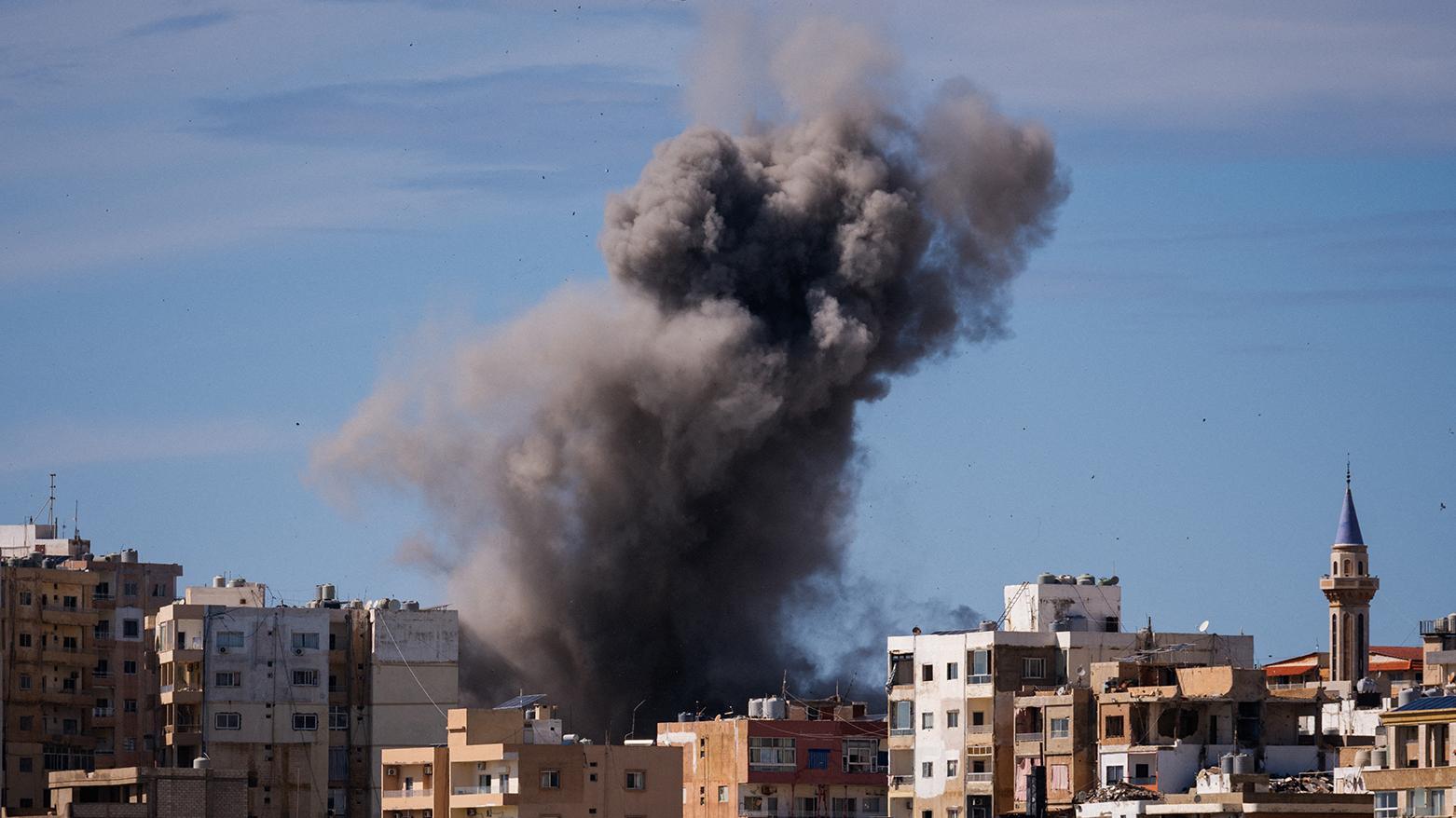
Observers noted that casualty and displacement reporting can reflect selective framing, influencing readers' understanding of responsibility.
By late March 2026, the conflict had already displaced hundreds of thousands and threatened a major West Asia crisis.
More on Lebanon

Israel Strikes Across Lebanon, Targeting Hezbollah Infrastructure
58 sources compared
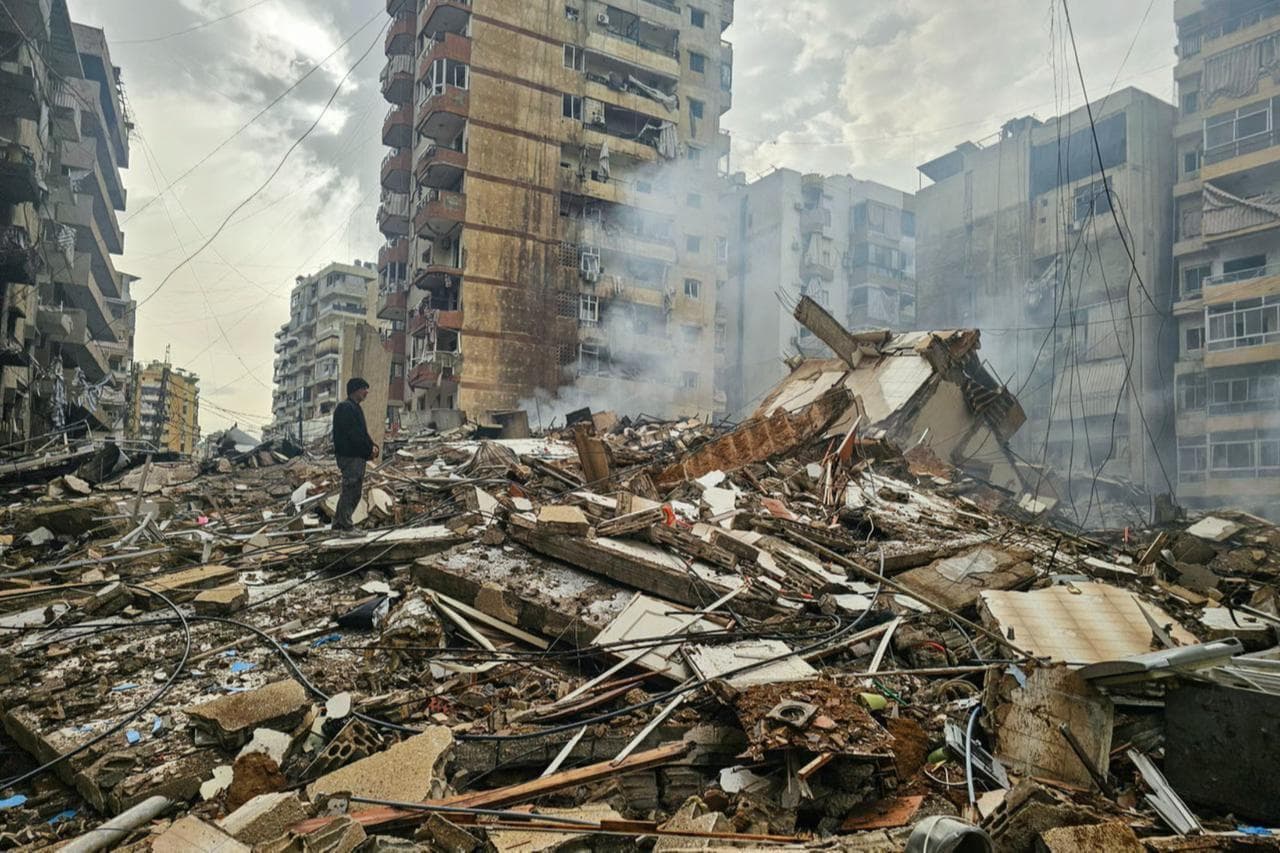
Finance Minister Bezalel Smotrich Calls for Annexation of Southern Lebanon
26 sources compared
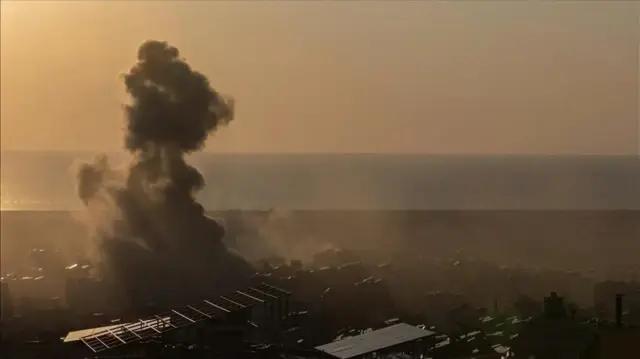
Iran fires missile at Lebanon coast after Beirut expels Tehran's ambassador
16 sources compared

Israel Destroys Bridges Over Litani River, Steps Up Border Demolitions Near Lebanon
19 sources compared