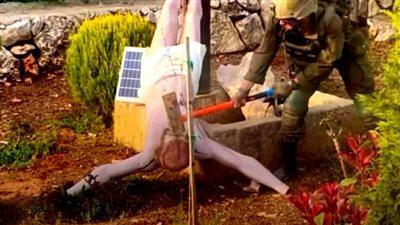
Israel Jails Soldiers After Sledgehammer Vandalism of Jesus Statue in Debl, Lebanon
Key Takeaways
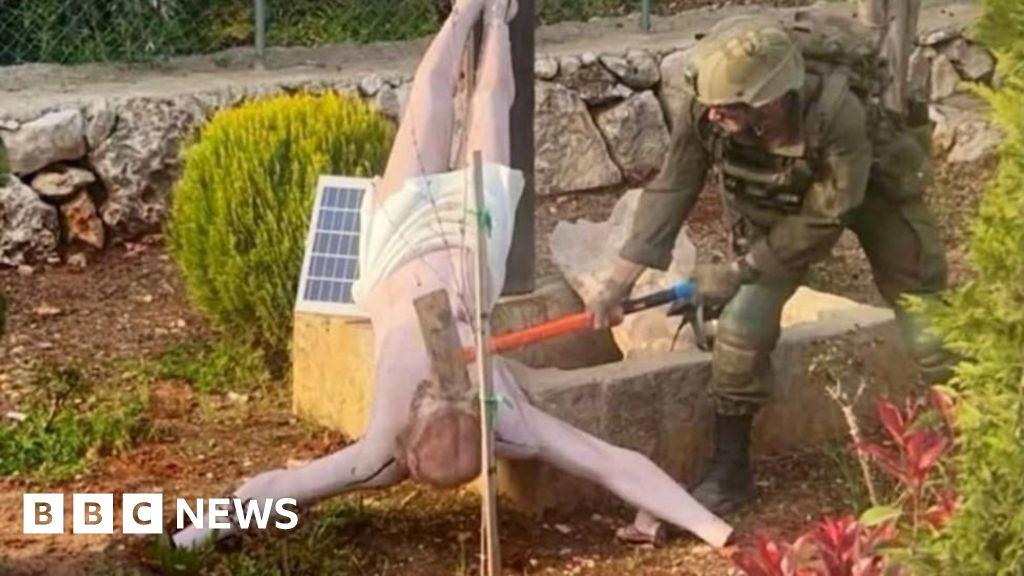
- An Israeli soldier smashed a Jesus statue’s head with a sledgehammer in southern Lebanon.
- IDF punished two soldiers with 30 days detention and removed them from combat duty.
- The army confirmed the photograph’s authenticity and opened an inquiry.
Statue smashed in Debel
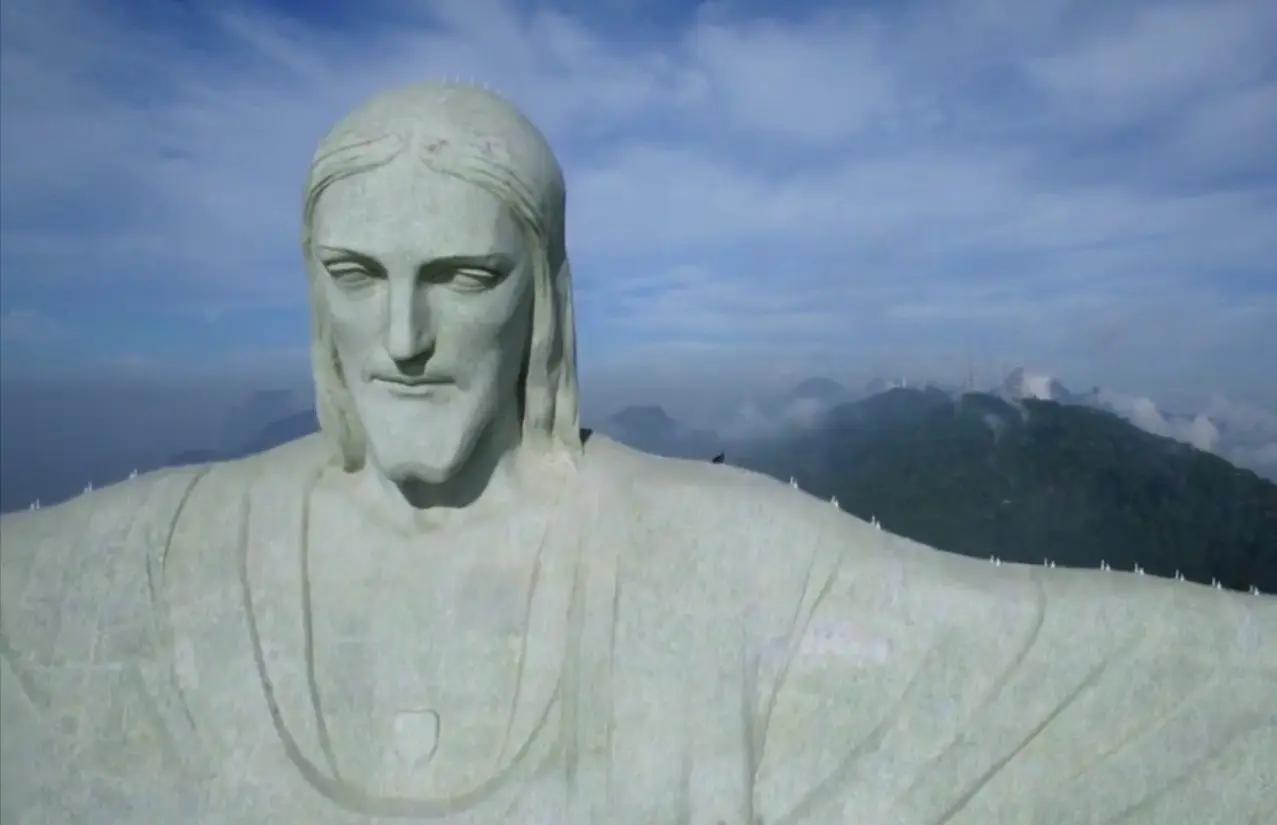
An Israeli soldier smashed a statue of Jesus Christ in southern Lebanon’s Christian village of Debl with a sledgehammer, prompting widespread condemnation and a formal disciplinary response from the Israel Defense Forces.
“Skip to main content Mobile Menu Icon ThumbnailsView ThumbnailsMore GalleriesMore Galleries 1/3 Close”
The incident drew attention after “a photo shared online” showed an Israeli soldier striking the head of a crucified Jesus statue that had fallen off a cross, according to UCA News.

The IDF said it punished the soldier who damaged the Christian symbol and the soldier who photographed the act, stating that “the soldier who damaged the Christian symbol and the soldier who photographed the act will be removed from combat duty and will receive 30 days of military detention,” as reported by UCA News.
BBC reported that “the Israeli soldier who hit a statue of Jesus with a sledgehammer in Lebanon and the soldier who photographed the incident will receive 30 days of military detention,” and added that the two soldiers “would be ‘removed from combat duty’ following an inquiry.”
The BBC also said the incident in Debel “prompted widespread condemnation after an image of it was widely shared online this week,” and identified Debel as “in southern Lebanon.”
Multiple outlets tied the statue to the village’s Christian community, with BBC quoting Father Fadi Flaifel saying, “We totally reject the desecration of the cross, our sacred symbol, and all religious symbols.”
The IDF also said it replaced the damaged statue “in full co-ordination with the local community,” a point BBC and News18 both described as happening “a short while ago” or “a short while ago… in full coordination with the local community of Debel.”
IDF inquiry and detention
The IDF’s response centered on an inquiry that, according to the military, found the soldiers’ conduct “completely deviated from IDF orders and values.”
BBC reported that “In its statement on Tuesday, the IDF said an inquiry into the incident had ‘determined that the soldiers' conduct completely deviated from IDF orders and values’ and expressed ‘deep regret over the incident’.”

UCA News similarly quoted the IDF’s conclusion that “the inquiry determined that the soldiers' conduct completely deviated from IDF orders and values,” and it added that “its operations in Lebanon are directed solely against the Hezbollah terrorist organisation and other terrorist groups, and not against Lebanese civilians.”
News18 described the same inquiry outcome and said the IDF “determined that the soldiers’ conduct completely deviated from IDF orders and values,” while also repeating the IDF’s framing that “its operations in Lebanon are directed solely against the Hezbollah terrorist organization and other terrorist groups, and not against Lebanese civilians.”
Beyond the two punished soldiers, the IDF said six additional soldiers were present but did not intervene or report the incident, and those troops would face separate disciplinary steps.
BBC stated that “Another six soldiers who were at the scene and failed to intervene or report the incident will be dealt with separately,” while UCA News said those six additional soldiers “had been summoned for ‘clarification discussions’.”
The IDF also said procedures regarding conduct with religious institutions and symbols were reinforced, with GB News quoting that “Procedures regarding conduct with religious institutions and symbols were reinforced to the troops prior to their entry into the relevant areas, and will be reinforced again for all troops in the area following the incident.”
Netanyahu and international reactions
Israeli political and diplomatic figures condemned the vandalism and called for consequences, while religious leaders in Debel rejected the act as a violation of rights and civility.
“A viral photograph showing an Israeli soldier hitting a statue of Jesus Christ in southern Lebanon with a sledgehammer has sparked outrage”
BBC reported that Israeli Prime Minister Benjamin Netanyahu said he was “stunned and saddened” by what happened and that he would condemn it “in the strongest terms,” and it quoted Netanyahu’s statement that he was “stunned and saddened to learn that an IDF soldier damaged a Catholic religious icon in southern Lebanon.”
BBC also said Netanyahu vowed “harsh disciplinary action against the offender,” and it reported that the US Ambassador to Israel Mike Huckabee called for “swift, severe, and public consequences” following the “outrageous act.”
WION similarly described Netanyahu’s vow of “harsh action” and quoted him writing on X: “I was stunned and saddened to learn that an IDF soldier damaged a Catholic religious icon in southern Lebanon,” and “I condemn the act in the strongest terms.”
WION also said Israeli Foreign Minister Gideon Saar condemned the act as “shameful and disgraceful,” and it quoted Saar: “We apologise for this incident and to every Christian whose feelings were hurt.”
Religious reaction in Debel came through Father Fadi Flaifel, who told the BBC, “We totally reject the desecration of the cross, our sacred symbol, and all religious symbols,” and added, “It goes against the declaration of human rights, and it doesn’t reflect civility.”
GB News quoted another priest, Fadi Falfel, saying, “One of the Israeli soldiers broke the cross and did this horrible thing, this desecration of our holy symbols,” and described the cross as part of “a small shrine in the garden of a family living on the edge of the village.”
Debate over training and war context
The statue vandalism quickly fed into broader political disputes about Israel’s conduct and training, with a diplomatic clash between Poland’s foreign minister and Israel’s foreign minister unfolding online.
TVP World reported that Poland’s Foreign Minister Radosław Sikorski raised concerns about “how Israeli troops are trained” after the incident in Debel, and it said Sikorski was “sharply criticized by his Israeli counterpart Gideon Sa’ar.”

TVP World quoted Sikorski writing on X that “That soldier should be punished, but lessons should also be drawn regarding the way they are being trained,” and it also quoted Sikorski accusing Israeli forces of misconduct, saying, “IDF soldiers themselves admit to war crimes.”
In response, TVP World said Sa’ar rejected the accusations as “grave, baseless and slanderous,” and it quoted Sa’ar saying Sikorski’s comments demonstrated “profound ignorance and a deep lack of understanding” of military operations.
TVP World also quoted Sa’ar’s claim that “During every war, there are operational accidents, in which military forces are also harmed by fire from their own army,” and it reported Sa’ar’s assertion that the IDF makes a “constant effort to minimize harm to non-combatants.”
Al Jazeera framed the outrage as part of a wider pattern of religious attacks and political messaging, quoting Palestinian Knesset members Ayman Odeh and Ahmad Tibi as criticizing the idea that the soldier acted out of fear.
BBC and People Daily placed the incident within the ongoing Israel-Hezbollah war, with BBC saying “Thousands of Israeli troops continue to occupy a wide area of southern Lebanon after a US-brokered ceasefire came into force between Israel and Lebanon on Friday.”
What happens next
The immediate aftermath involved replacement of the damaged statue and promises of further measures, while the broader war context continued to shape how the incident was interpreted and what accountability would mean.
BBC reported that the IDF said it had replaced the damaged statue “in full co-ordination with the local community” and stressed that its operations in Lebanon were directed “solely” against Hezbollah “and other terrorist groups, and not against Lebanese civilians.”
News18 described the replacement as coordinated work by the IDF, saying “The Northern Command worked to coordinate the replacement of the statue from the moment it received the report of the incident.”
UCA News said the IDF posted on X that the damaged sculpture in Debl was replaced by troops “in full coordination with the local community,” sharing a photo of a new crucifix statue.
At the same time, the IDF’s disciplinary framework extended beyond the two punished soldiers, with BBC saying “Another six soldiers who were at the scene and failed to intervene or report the incident will be dealt with separately,” and UCA News stating those six additional soldiers “had been summoned for ‘clarification discussions’.”
GB News added that “The remaining troops who stood by have been summoned for clarification discussions that will be held later on, after which further command-level measures will be determined.”
The incident remained tied to the wider conflict in southern Lebanon, where BBC said the ceasefire paused “six weeks of fighting between the IDF and the Shia Muslim armed group Hezbollah,” even as both sides accused each other of violations.
More on Lebanon
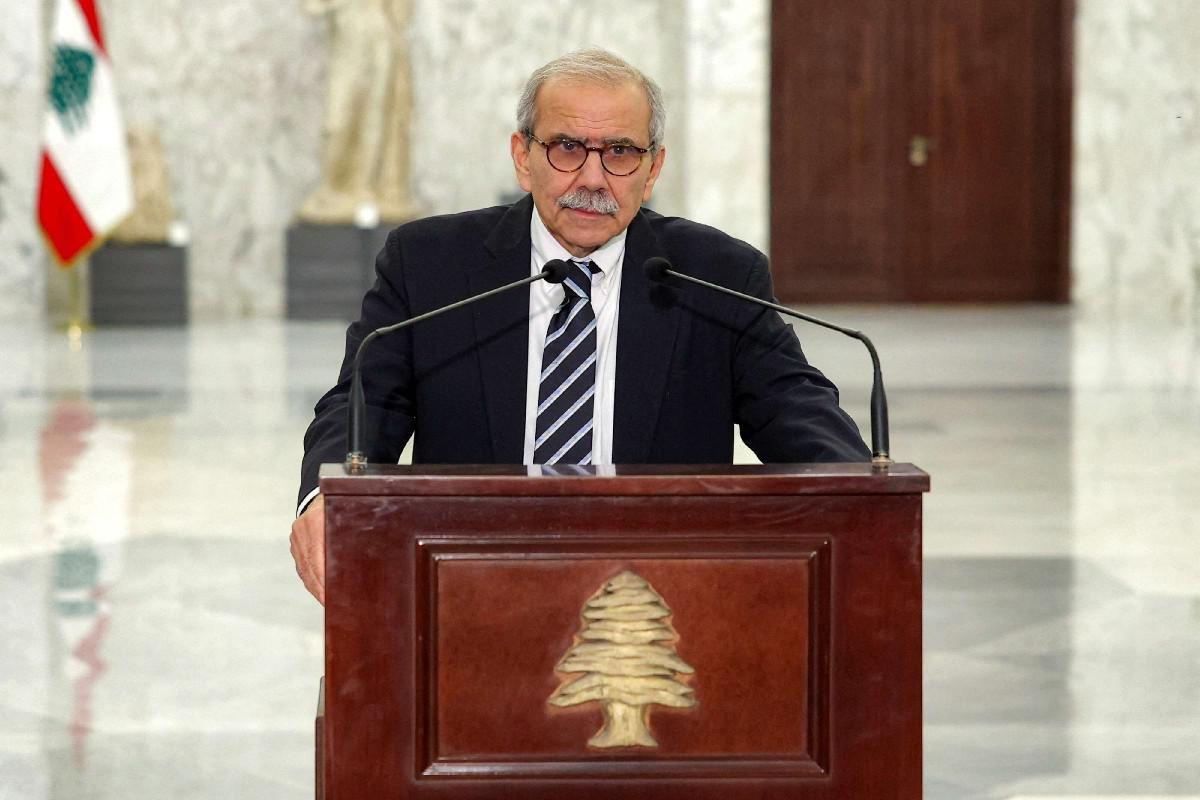
Emmanuel Macron and Nawaf Salam Urge Negotiations to Shore Up Lebanon Ceasefire
22 sources compared
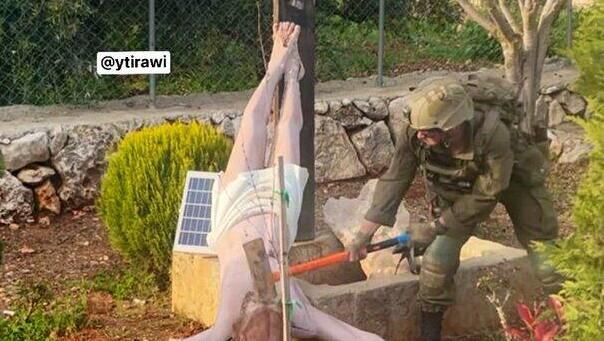
IDF Punishes Israeli Soldiers After Sledgehammer Vandalism of Jesus Statue in Debel, Lebanon
38 sources compared

Israeli Forces Destroy Civilian Infrastructure in Southern Lebanon, Detonate Imam Moussa Al-Sadr Sports Complex
17 sources compared
Israeli Soldier Vandalizes Jesus Statue in Debel, Lebanon, Netanyahu Orders Criminal Probe
12 sources compared