
Israel Katz Orders Full Force In Lebanon During Ceasefire To Protect Israeli Troops
Key Takeaways
- Israel Katz says forces will use full force in Lebanon during ceasefire to protect troops.
- Netanyahu approved the directive to use full force in Lebanon.
- Troops ordered to destroy booby-trapped buildings/roads and act decisively on ground and air.
Full Force Despite Ceasefire
Israel’s Defence Minister Israel Katz said Sunday that the Israeli military has been instructed to use “full force” in Lebanon even during the ongoing ceasefire if Israeli troops face any threat.
“Israeli Defence Minister Israel Katz said that the military has been ordered to use full force in Lebanon - if troops face any threat even during the current ceasefire”
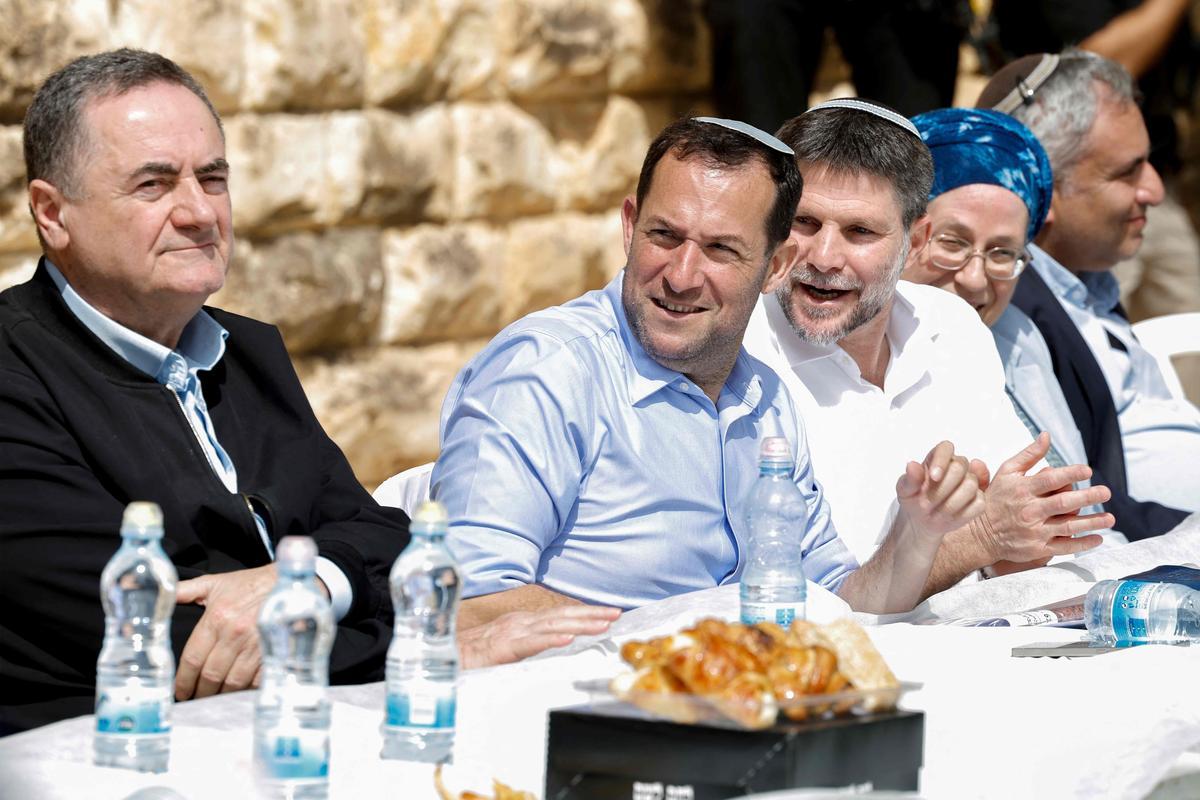
Katz said, “Prime Minister Benjamin Netanyahu and I have instructed the IDF (army) to act with full force, both on the ground and from the air, including during the ceasefire, in order to protect our soldiers in Lebanon from any threat,” at an event in the occupied West Bank, according to Naharnet.

The Express Tribune likewise quoted Katz saying the instruction applies “even during the ongoing ceasefire,” and added that Katz ordered the military to act if soldiers face threat.
EWN reported the directive was “approved by Prime Minister Benjamin Netanyahu” and framed it as aimed at protecting Israeli soldiers.
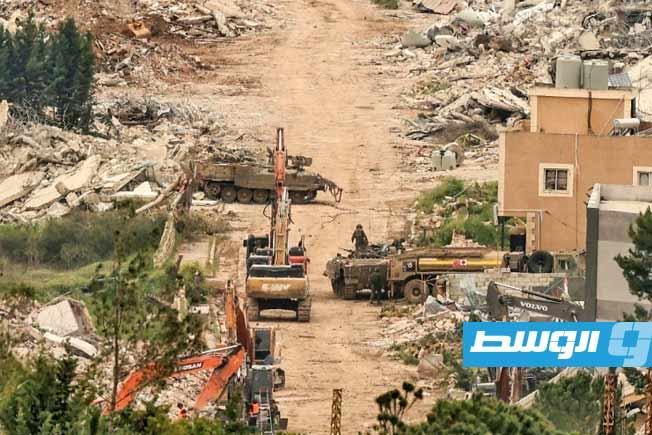
Multiple outlets also tied the instruction to demolition orders, with Katz saying the military was ordered “to remove the houses in the (frontline) villages near the border that served in every respect as Hezbollah terror outposts and threatened Israeli communities,” as Naharnet quoted.
The same instruction was echoed in Sud Ouest, which said Katz added that the army was ordered “to demolish any structure or road that was booby-trapped and threatened the soldiers.”
Ceasefire Timeline and Tensions
The “full force” instruction came as a 10-day ceasefire between Israel and Hezbollah took effect, with multiple outlets placing the start at April 16.
Kurdistan24 said the truce “took effect at midnight local time on April 16,” and described it as brokered by the United States and announced by U.S. President Donald Trump.

The Express Tribune similarly said “A 10-day ceasefire between Israel and the Lebanese group Hezbollah came into force April 16,” and reported that US President Donald Trump said on Friday that the United States had banned Israel from further bombing in Lebanon, a day after he announced the 10-day ceasefire.
Korea Herald added that Israel and Lebanon agreed to a 10-day ceasefire on Thursday to allow negotiations to end “six weeks of war between Israel and the Iran-backed group Hezbollah,” and it said Hezbollah halted military operations after the ceasefire came into effect while warning it was keeping its “finger on the trigger.”
In Korea Herald’s account, Lebanese President Joseph Aoun said on Friday that direct negotiations with Israel “are crucial,” and that the government aims to “consolidate a ceasefire (and) secure the withdrawal of Israeli forces from the occupied southern territories.”
Kurdistan24 reported that Netanyahu had previously stated Israeli forces will not withdraw during the truce and will remain in a 10-kilometer-deep “security zone” inside southern Lebanon.
The Express Tribune also described uncertainty around the ceasefire, noting it “does not demand Israel withdraw soldiers occupying parts of the south,” where Israel’s defence minister said Israeli troops would continue demolishing homes he claimed were being used by Hezbollah.
Booby-Traps, Death, and Orders
Alongside the “full force” directive, outlets described specific military actions and incidents tied to booby-trapped structures.
“Israel Orders ‘Full Force’ Response in Lebanon Despite Ceasefire Speaking at an event in the occupied West Bank, Katz stated that he and Prime Minister Benjamin Netanyahu had directed the Israeli military to act decisively “both on the ground and from the air” to protect soldiers deployed in southern Lebanon”
EWN said Israel’s military had been ordered “to destroy any booby-trapped buildings or roads,” and it added that “an Israeli soldier was killed in southern Lebanon on Friday the day a 10-day ceasefire began.”
Sud Ouest reported that “An Israeli soldier was killed Friday in southern Lebanon when he entered a booby-trapped building, the army said,” and it said Katz stated on several occasions that Israel would demolish houses along the border to establish a security zone in southern Lebanon.
Sud Ouest further said that “On Saturday, Israeli forces carried out demolitions in the town of Bint Jbeil,” describing it as “a site of heavy fighting with Hezbollah before the ceasefire.”
Korea Herald described Israel’s military establishing a “Yellow Line” in southern Lebanon and said troops “identified terrorists who violated the ceasefire understandings and approached the forces from north of the Yellow Line in a manner that posed an immediate threat.”
It added that “forces attacked the terrorists in several areas,” and later said the air force eliminated a “terrorist cell operating in proximity to IDF soldiers in southern Lebanon, in the area of the forward defense line,” without specifying how many militants were killed.
Korea Herald also said the military “struck an underground shaft in the area south of the forward defense line, as well as Hezbollah terrorists who were identified entering it.”
Negotiations, Buffer Zone Costs, and Positions
The ceasefire and the “full force” posture intersected with plans for a continuing buffer zone and negotiations in Washington.
Kurdistan24 said the truce was “intended to create space for negotiations toward a permanent agreement,” and it said the initial ceasefire period may be extended if progress is achieved in ongoing talks.

It also reported that while Hezbollah was “not directly participating in the negotiations in Washington,” Hezbollah indicated “conditional support for the ceasefire,” insisting on “a complete halt to attacks and the eventual withdrawal of Israeli troops.”
Kurdistan24 added that Trump “invited Israeli and Lebanese leaders to the White House for high-level discussions,” which “could take place within the next two weeks.”
Korea Herald described Lebanese President Joseph Aoun’s stance that direct negotiations are “crucial,” and it said the government aims to “secure the withdrawal of Israeli forces from the occupied southern territories.”
It also stated that Hezbollah “strongly opposes the planned negotiations between the two sides, which have technically been at war for decades,” and it quoted Hezbollah’s warning that it was keeping its “finger on the trigger.”
Haaretz shifted the focus to the cost of maintaining a southern Lebanon buffer zone, saying “The Israeli military would require an additional 40,000 reservists” and that it would cost “$6.4 billion annually.”
Different Frames of the Same Threat
While all the outlets described Katz’s “full force” instruction, they framed the surrounding developments with different emphases, from legalistic security zones to operational “Yellow Line” enforcement.
“Prime Minister Benjamin Netanyahu and I have given instructions to the Israeli Defense Forces to act with all their might, both on the ground and in the air, including during the ceasefire, to protect our soldiers in Lebanon from any threat, Israeli Defense Minister Israel Katz said on Sunday at an event in the occupied West Bank”
Naharnet and The Express Tribune both foregrounded Katz’s instruction to act “both on the ground and from the air” and to remove houses in frontline villages near the border described as Hezbollah outposts, but The Express Tribune added the ceasefire’s political uncertainty and the return of people to “devastated towns and neighbourhoods” on Friday.
EWN focused on the directive’s operational scope by saying the military was ordered “to destroy any booby-trapped buildings or roads,” and it paired that with the report that “an Israeli soldier was killed in southern Lebanon on Friday the day a 10-day ceasefire began.”
Korea Herald, by contrast, emphasized a specific mechanism of control by reporting Israel’s military established a “Yellow Line” and said troops “identified terrorists who violated the ceasefire understandings,” while also describing strikes including an “underground shaft” and a “terrorist cell” near the “forward defense line.”
Sud Ouest tied the “full force” posture to a continuing campaign narrative by stating the objective is “the disarmament of Hezbollah and the elimination of the threat weighing on Israel's northern communities,” and it added that if the Lebanese government “continues to fail to meet its obligations,” the IDF would act with “continued military actions.”
Haaretz did not center the battlefield but instead framed the buffer zone as a financial and manpower commitment, saying the military would require “additional 40,000 reservists” and cost “$6.4 billion annually.”
Across these accounts, the same core claim—Katz’s instruction to use “full force” even during the ceasefire—appears, but each outlet’s selection of details shapes how readers understand what “protection” and “threat” mean in practice.
More on Lebanon

Naim Qassem Says Hezbollah Truce With Israel Must Be Two-Sided, Vows Response To Attacks
16 sources compared

Macron Blames Hezbollah for Killing French UNIFIL Peacekeeper in Southern Lebanon
16 sources compared
Israel Attacks Lebanon After Ceasefire, Leaving Nabatieh Residents Returning to Destroyed Homes
35 sources compared
Lebanese Return to South Lebanon After Israel-Lebanon 10-Day Ceasefire Takes Hold
27 sources compared