
Israel Kills Iran Intelligence Minister Esmaeil Khatib in Tehran Strike
Key Takeaways
- Intelligence Minister Esmaeil Khatib killed in Israeli strike in Tehran, confirmed by President Masoud Pezeshkian.
- Overnight Tehran strike targeted Khatib, per Israeli outlets; reports differ on outcome.
- Incident signals broader regional escalation amid US-Israel actions affecting Gulf and Lebanon.
Assassination Confirmed
Israel has claimed responsibility for the overnight airstrike in Tehran that targeted Iran's Intelligence Minister Esmaeil Khatib.
“Iranian President Pezeshkian has confirmed the killing of intelligence minister Esmail Khatib calling it a "cowardly assassination", following reports that Israel carried out an overnight strike”
This marks a significant escalation in Middle East tensions between the two adversaries.

Israeli broadcaster Channel 12 reported that strikes were carried out in the Iranian capital with Khatib among the intended targets.
The Iranian President Masoud Pezeshkian confirmed in a post on X that Khatib was killed.
Pezeshkian described it as 'the cowardly assassination of my dear colleagues Esmaeil Khatib, Ali Larijani, and Aziz Nasirzadeh, along with some members of their families and those in the accompanying team.'
Khatib's death represents a major blow to Iran's security apparatus amid escalating regional hostilities.
Immediate Retaliation
The assassination of Khatib triggered immediate and widespread retaliation from Iran.
Iranian state television confirmed fresh missile strikes targeting central Israel, including Tel Aviv and Jerusalem.
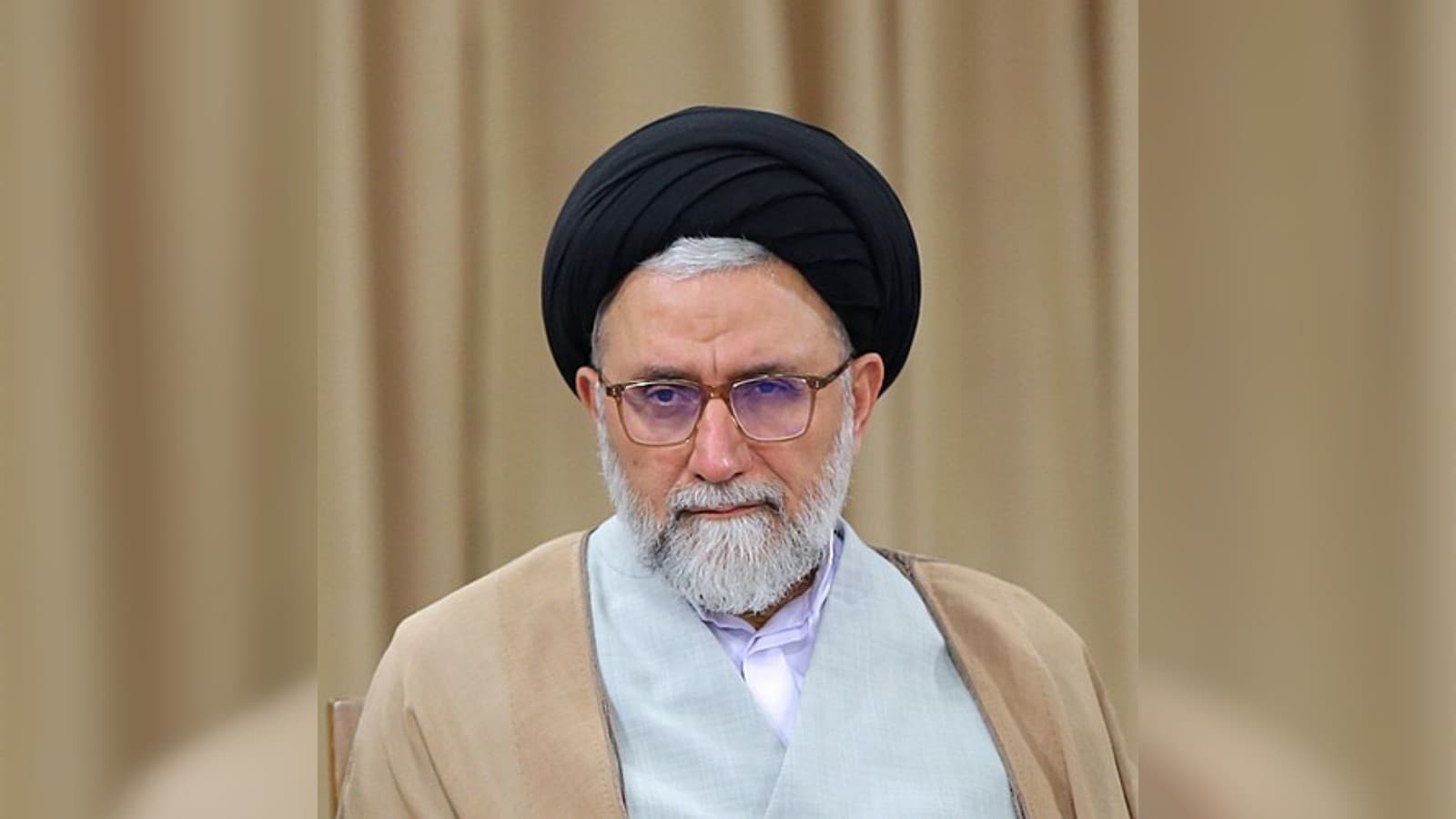
The Israeli military detected incoming projectiles across major Israeli cities, activating air raid sirens.
Air defense systems intercepted several missiles, with Israeli media reporting loud explosions near Jerusalem.
The Israeli Health Ministry reported 192 people injured in the past 24 hours, bringing the total wounded to 3,727 since the start of the recent conflict.
Israel conducted strikes in Lebanon, where at least six people were killed and 24 injured in attacks on central Beirut.
Iranian officials warned of a 'decisive' response to the attacks.
Energy Infrastructure Attacks
The conflict has expanded beyond direct military exchanges to include attacks on critical energy infrastructure.
“Death toll from Israeli attacks in Lebanon rises to 912 Israel claims strike killed Iran security chief Ali Larijani Iran’s Basij forces commander killed in US-Israeli strike Another wave of Iranian missiles and drones hit Gulf countries Ankara pushes to halt expanding war Iran’s President Masoud Pezeshkian has confirmed the death of Intelligence Minister Esmail Khatib in an Israeli strike”
A US-Israeli strike hit an Iranian gas facility serving the South Pars field.
Iran completely halted gas exports to Iraq, which had been dependent on between a third and 40% of its gas and power needs from Iran.
An Iraqi official told Reuters that Iran had diverted its gas supplies for domestic use in response to the incident.
Qatar publicly condemned Israel's targeting of the South Pars gas field, which represents an extension of Qatar's North Field.
Qatar called it a 'dangerous and irresponsible step' that 'constitutes a threat to global energy security, to the peoples of the region, and to its environment.'
The attack on energy infrastructure represents a dangerous escalation with potential long-term economic and security consequences.
International Diplomacy
The assassination has prompted significant international diplomatic efforts to contain the escalating conflict.
Russia emphasized that normal shipping traffic through the Strait of Hormuz can only be restored through negotiations.
Russian Foreign Ministry spokeswoman Maria Zakharova stated that efforts to reopen the waterway must be achieved via diplomatic dialogue rather than unilateral measures.
German Chancellor Friedrich Merz revealed he is in almost daily contact with European leaders including France's Emmanuel Macron, Britain's Keir Starmer and Italy's Giorgia Meloni.
The European leaders are discussing how to secure peace in the Middle East after the war in Iran ends.
Merz indicated Europe may consider measures such as ensuring freedom of navigation in the Strait of Hormuz if conditions allow.
These efforts show growing concern about the regional and global implications of the conflict.
Humanitarian Crisis
The escalating conflict has produced significant humanitarian consequences, particularly in Lebanon and Syria.
“Israel has claimed it targeted Iran’s Intelligence Minister Esmaeil Khatib in overnight airstrikes in Tehran on Wednesday, March 18, amid escalating hostilities”
Lebanon's Health Ministry reported at least six people killed and 24 injured in Israeli strikes on central Beirut.
Officials warned the casualty figures are preliminary as fighting continues.
The International Organisation for Migration reported almost 120,000 Syrians have returned to their country from Lebanon.
Figures show 'As of 17 March, 125,784 people have entered Syria from Lebanon' since the fighting began.
About 119,000 of those returning are Syrian nationals.
The Iranian Red Crescent reported a US-Israeli air strike hit an ambulance transporting wounded people in Iran's southern Fars province.
The ambulance was left on fire by the attack.
These incidents highlight the growing humanitarian crisis as the conflict escalates.
More on Lebanon
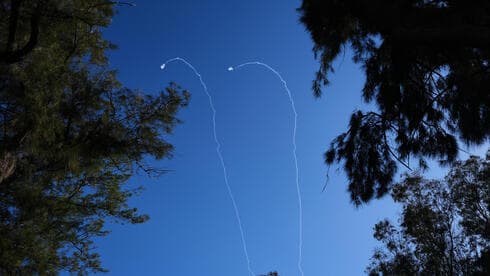
Israel begins its long-planned ground invasion of Lebanon
13 sources compared

Hezbollah Fires 200 Rockets at Israel From Lebanon
17 sources compared
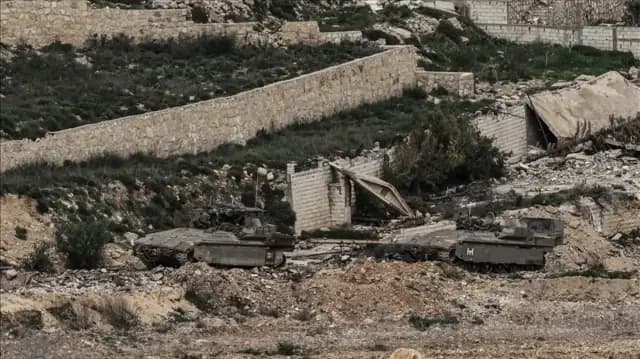
Israel Attacks Hezbollah Infrastructure in Beirut, Forcing Over 1 Million Lebanese to Flee
12 sources compared
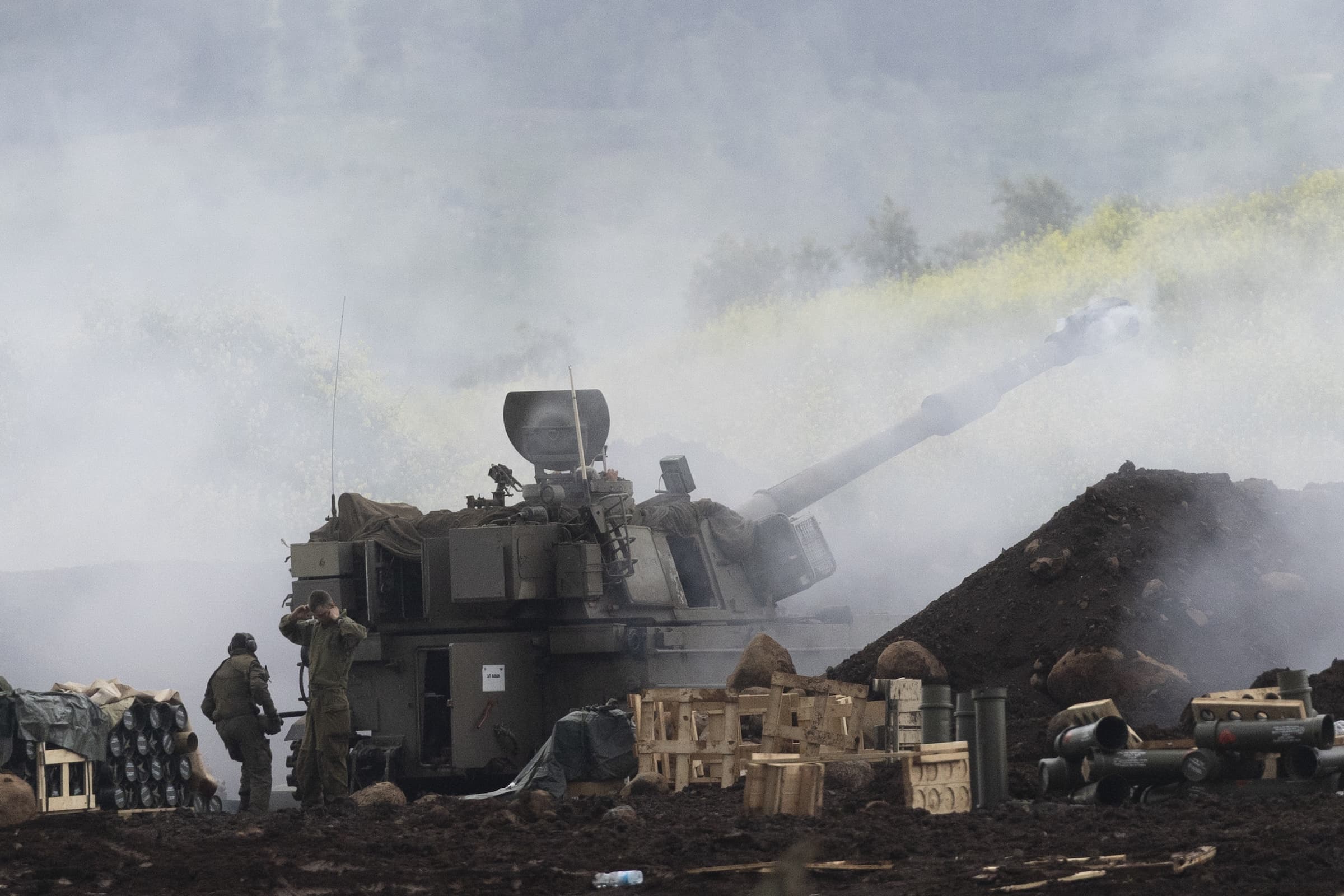
Israel Launches Ground Operation in Southern Lebanon to Target Hezbollah
10 sources compared