Israel Kills Iran's Intelligence Minister, Strikes Iran's Energy Infrastructure
Key Takeaways
- Airstrikes hit Iran's critical energy infrastructure, targeting electricity generation.
- Iran claims its retaliation used only a fraction of power after Israel attacked infrastructure.
- Escalation between Israel and Iran framed as linked to energy infrastructure strikes.
Israeli Escalation
Israel launched a significant military operation targeting Iran's leadership and critical infrastructure.
The attacks resulted in the killing of Iran's intelligence minister and subsequent strikes on the country's energy sector.

These events represent a major escalation in tensions between the two regional rivals amid ongoing conflicts across the Middle East.
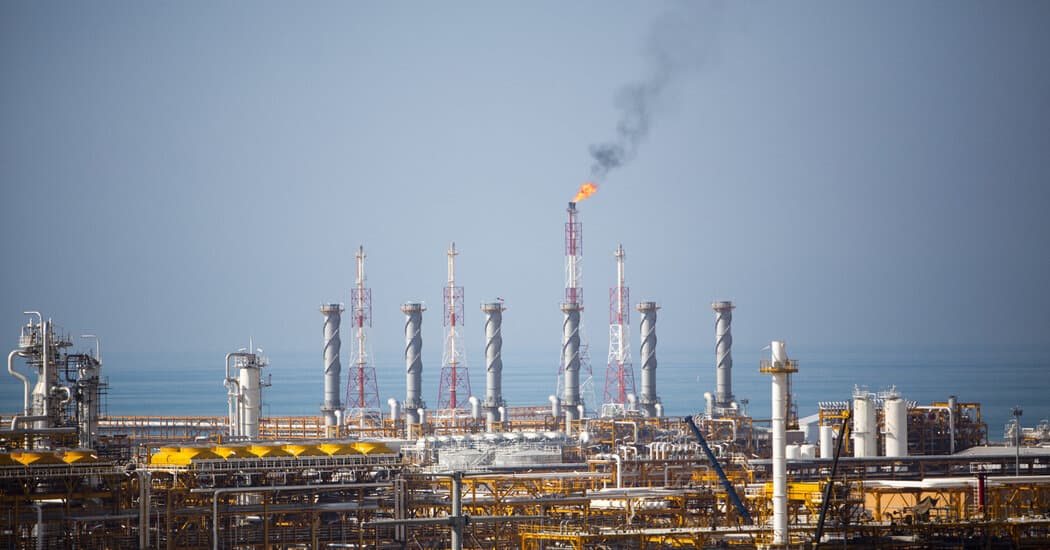
Iranian officials confirmed that the strikes impacted facilities connected to the South Pars gas field.
Oil and petrochemical facilities in Asaluyeh were also targeted, key components of Iran's energy infrastructure.
Energy Sector Impact
The strikes on Iranian energy infrastructure have potentially severe consequences for the country's already struggling domestic energy supplies.
Iran and Qatar, which co-owns part of the South Pars gas field, directly blamed Israel for the attacks.
Israel did not immediately comment on the accusations made by Iranian officials.
The damage to these critical facilities comes at a time when Iran already faces significant energy shortages.
The attacks could exacerbate these shortages, affecting both industrial production and civilian electricity needs across the country.
Iranian Retaliation
Iran's response to the Israeli attacks has been characterized by restrained but deliberate retaliation.
Iranian officials emphasize that they have only shown a fraction of their capabilities.
The Islamic Revolutionary Guard Corps (IRGC) attacked US-linked oil and energy facilities in the region earlier on Thursday.
This attack was in retaliation for the Wednesday strikes on Iranian infrastructure.
Iranian Foreign Minister Abbas Araghchi issued a stark warning that Iran would show 'ZERO restraint if our infrastructures are struck again.'
The current response represents a calculated decision to de-escalate while maintaining the capacity for much stronger retaliation.
Market Impact
The Israeli strikes on Iranian energy infrastructure have triggered significant market reactions.
Global oil and natural gas prices have spiked amid concerns about potential disruptions to regional energy supplies.
After the strikes, the global benchmark for crude oil soared to more than $109 per barrel.
Investors worried that Iran would retaliate by striking oil and gas sites throughout the region.
This potential disruption would put further pressure on crude supplies.
In the United States, gasoline prices have been rising since the start of the conflict.
Gasoline reached $3.84 per gallon on Wednesday, reflecting how geopolitical tensions in the Middle East can directly impact energy markets worldwide.
US Response
The Trump administration has responded to the rising energy prices by taking measures to mitigate economic impacts on American consumers.
In an effort to lower fuel costs, the administration announced it would temporarily relax the Jones Act.
The Jones Act is a law that restricts the way oil is shipped within the United States.
This move is intended to reduce the cost of transporting fuel and agricultural products by ship between American ports.
However, analysts and some shipping executives expect the move to have only a marginal impact on gas prices.
This suggests that broader geopolitical factors rather than domestic shipping regulations are the primary drivers of current energy price increases.
More on Iran
Iranian missiles strike Dimona and Arad, injuring over 100.
47 sources compared
Israel and U.S. Strike Natanz Nuclear Facility Again; Iran Blames Attack
69 sources compared

Iran Attacks Diego Garcia with Long-Range Missiles, Targeting U.S.-UK Base
82 sources compared

Trump Defends Iran War by Citing Pearl Harbor
12 sources compared