Israel Kills Lebanese Journalist Amal Khalil in Al-Tayri Airstrikes
Key Takeaways
- Amal Khalil, Lebanese journalist, was killed in an Israeli airstrike in al-Tayri, Tyre.
- Zeinab Faraj, her colleague, was wounded; Khalil died while sheltering in a house.
- Lebanese authorities and international groups condemned the strike as a war crime and demanded accountability.
Double-tap strike in Tayri
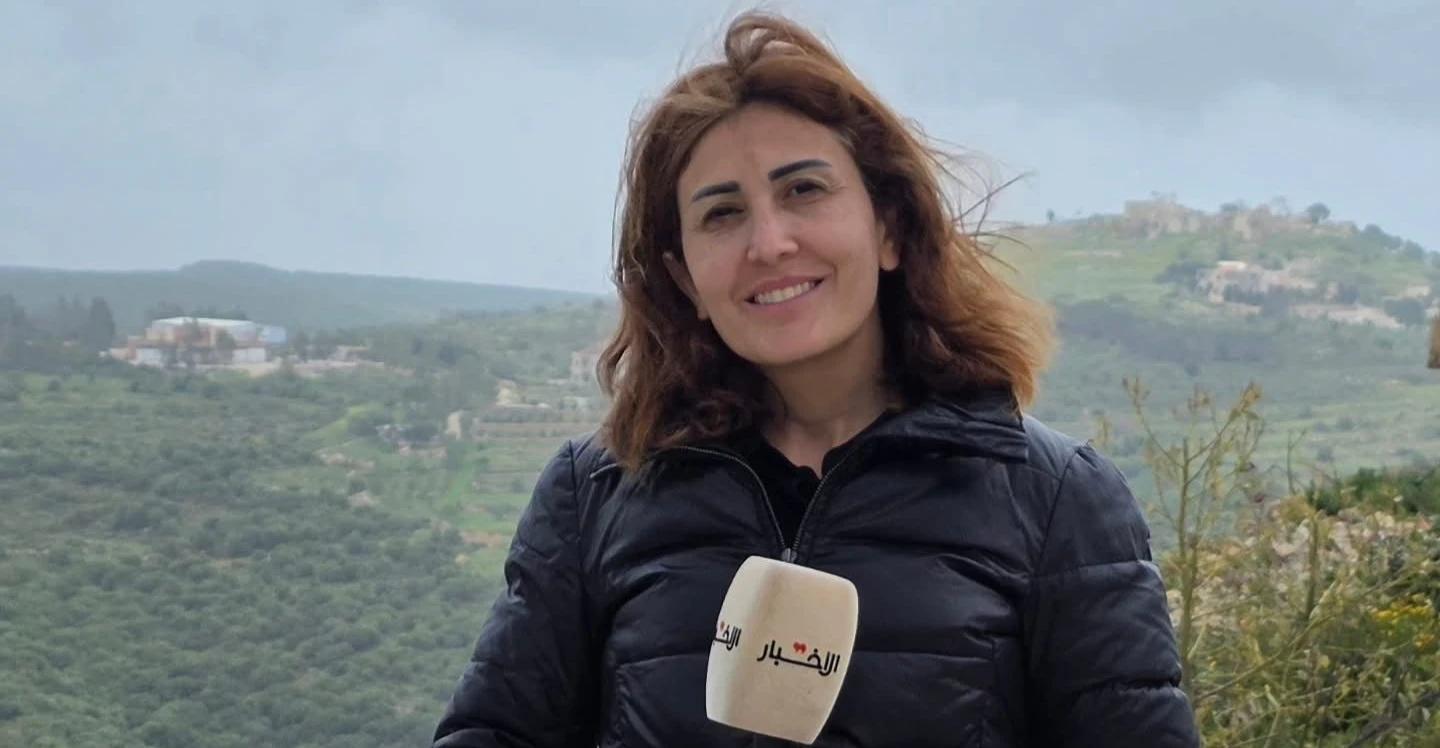
Lebanese journalist Amal Khalil was killed in Israeli airstrikes in the southern village of al-Tayri (also spelled al-Tiri/Tayri) on Wednesday, after Lebanese officials said she and freelance photographer Zeinab Faraj were deliberately targeted while seeking shelter.
Al Jazeera reported that Lebanese Prime Minister Nawaf Salam accused Israel of crimes against humanity for killing Khalil and wounding Faraj in an air strike in al-Tayri, describing the attack as a “double-tap” strike.

The BBC said Lebanon accused Israel of targeting Khalil and Faraj as they sought shelter in a home after an initial air strike hit the vehicle in front of them, killing two men.
Al Jazeera said paramedics tried to reach Faraj and Khalil but were forced to withdraw after Israeli fire, before a second strike hit the house where they had taken refuge.
Al Jazeera said Khalil’s body was recovered shortly before midnight, more than seven hours after the attack, and that rescuers were able to pull Faraj from the scene and recover bodies of two people killed in the first strike.
NDTV reported that after the initial strike on the car, rescuers returned to help Khalil but Israeli forces dropped a sound grenade, blocking access, and that the health ministry said Israel prevented the completion of the humanitarian mission by firing a sound grenade and live ammunition at the ambulance.
The Times of Israel similarly said Khalil’s body was pulled from under rubble in an Israeli-held security zone late Wednesday night, and that the IDF said it targeted Hezbollah operatives who crossed its “forward defense line.”
Timeline of the attack
Multiple reports reconstructed a sequence that began with an Israeli strike on a vehicle and ended with a second strike on the house where Khalil and Faraj had taken cover.
Al Jazeera said Khalil and Faraj were reporting on an earlier Israeli attack on a vehicle on Wednesday, when they were targeted while fleeing towards a building to take shelter, and that Khalil was last heard from at about 4:10pm local time (13:10 GMT) when she called her family members and the Lebanese military.

The BBC said the officials described the journalists as being deliberately targeted as they sought shelter in a home after an initial air strike hit the vehicle in front of them, killing two men.
Drop Site News, citing Al-Akhbar’s timeline, said the car they were driving behind was targeted by an Israeli drone at 2:45 p.m., killing two men inside, and that Khalil and Faraj took shelter in a nearby house.
Drop Site News added that at 2:50 p.m. Khalil contacted her editors and family, and that at 4:27 p.m. the house where the two journalists were taking refuge was bombed, with contact with the journalists lost.
The Los Angeles Times described a similar arc, saying Khalil was driving through Tayri when an Israeli missile speared a vehicle driving in front of her and killed its two occupants, and that at 4:27 p.m. a missile struck the house, collapsing its roof on the two journalists.
Al Jazeera said rescue workers initially tried to reach the veteran Al Akhbar journalist but came under Israeli fire and were forced to withdraw, before a second strike hit the house, and that Khalil’s body was recovered shortly before midnight.
The Guardian said Khalil was trapped for hours in a house that had been bombed by Israeli forces and that her body was eventually retrieved shortly before midnight, at least six hours after the strike.
Lebanon’s accusations and IDF denial
Lebanon’s political leadership framed the killing as deliberate targeting of media workers and as obstruction of rescue efforts, while the Israeli military denied both claims.
The BBC quoted Lebanese Prime Minister Nawaf Salam saying: "Targeting journalists, obstructing access to them by relief teams, and even targeting their locations again after these teams arrive constitutes described war crimes."
The BBC also reported that Lebanon’s health ministry accused the IDF of intentionally targeting a marked ambulance as it tried to reach the journalists in the village of Tayri, and that Israeli forces directed a stun grenade and gunfire toward it, preventing it from reaching them.
Al Jazeera reported that rescue workers were forced to withdraw after coming under Israeli fire, before a second strike hit the house where the journalists had sought refuge.
The IDF denied it prevented rescue teams from reaching the area and said it does not target journalists, with the BBC quoting the IDF statement that it "does not target journalists and acts to mitigate harm to them while maintaining the safety and security of its troops".
The Times of Israel said the IDF stated that it received reports that two journalists were injured as a result of the strike and that "the IDF is not preventing rescue forces from reaching the area at this stage."
The Guardian reported that Israel denied it targeted journalists or prevented rescue teams, and that it said the incident was under review.
NDTV reported that the Israeli military said it had received reports that two journalists were injured as a result of its strikes and denied preventing rescue teams from reaching the area.
Threats, burial, and reactions
Beyond the strike itself, multiple outlets described prior threats against Amal Khalil and the reactions from Lebanese leaders and international press groups after her death.
Al Jazeera said Khalil was the ninth journalist killed in Lebanon this year and reported that she received direct threats during the last war from an Israeli phone number on WhatsApp, with Heidi Pett saying: "In fact, [they were] telling her that she should leave Lebanon if she wanted her head to remain on her shoulders."

The BBC reported that in 2024 Khalil said she had been the target of an "Israeli death threat" that warned her to leave southern Lebanon, and that CPJ said the report raised "serious concerns of deliberate targeting."
The Guardian said Khalil had previously spoken of receiving a threat via an unidentified Israeli phone number and reported that President Joseph Aoun accused Israel of “deliberate and consistent targeting of journalists.”
The BBC reported that Aoun wished Faraj a swift recovery and accused Israel on X of “deliberate and consistent targeting of journalists” to “conceal the truth of its aggressive acts against Lebanon.”
The Guardian said Khalil was buried on Thursday and that her death prompted renewed accusations that Israel has a policy of targeting media workers, despite denials.
The BBC quoted CPJ Regional Director Sara Qudah saying: "The repeated strikes on the same location, the targeting of an area where journalists were sheltering, and the obstruction of medical and humanitarian access constitute a grave breach of international humanitarian law."
The Los Angeles Times added a local reaction from Mohamed Zanaty, who said: "This was an assassination; this wasn’t by mistake. The Israeli military knew who she was, and they killed her," and described a funeral procession in Baysariyeh.
International condemnation and stakes
The killing of Amal Khalil triggered international condemnation and raised questions about press freedom and humanitarian access during the Israel-Hezbollah conflict, with multiple outlets linking the incident to broader patterns of attacks on journalists.
The BBC said Salam offered condolences to Khalil’s family while saying that Lebanon would "pursue the crimes before the competent international forums".

Al Jazeera reported that CPJ said Khalil’s killing “must be a wake-up call for the international community to enforce international law, urgently investigate Israel’s 262 killings of journalists across the region, and hold all those responsible to account”.
Al Jazeera also quoted CPJ’s Sara Qudah saying: "The Israeli military’s obstruction of medical crews from rescuing wounded civilians is a brutal and recurring crime we have already witnessed in Gaza and now again in Lebanon."
The Guardian said Khalil’s death prompted renewed accusations that Israel has a policy of targeting media workers, despite repeated denials, and it noted that senior figures from across Lebanese politics condemned the killing as a “war crime.”
NDTV reported that the death of Khalil brought the death count on Wednesday to five people and described it as the deadliest day since a 10-day ceasefire was announced on April 16.
Peoples Dispatch said the assassination came less than one week after US President Donald Trump announced a 10-day ceasefire between Israel and Lebanon starting on Thursday, April 16, and that it happened hours before talks between Israeli and Lebanese governments resumed in Washington.
The Times of Israel said Khalil’s death came on the eve of the second round of direct talks between Israeli and Lebanese officials in Washington, DC, on extending the ceasefire that went into effect last Friday.
More on Lebanon
Hezbollah Drone Attack Wounds Israeli Reservist as Rockets Strike Upper Galilee
12 sources compared

Trump Says Israel And Lebanon Extend Israel-Hezbollah Ceasefire By Three Weeks
46 sources compared
Israeli Strikes Kill At Least Four In At-Tiri, Lebanon, Leaving Journalist Amal Khalil Trapped
17 sources compared
Israeli Forces Launch New Demolition Operations in Shamaa After April 17 Cease-Fire
10 sources compared