Full story
Ceasefire, then standstill
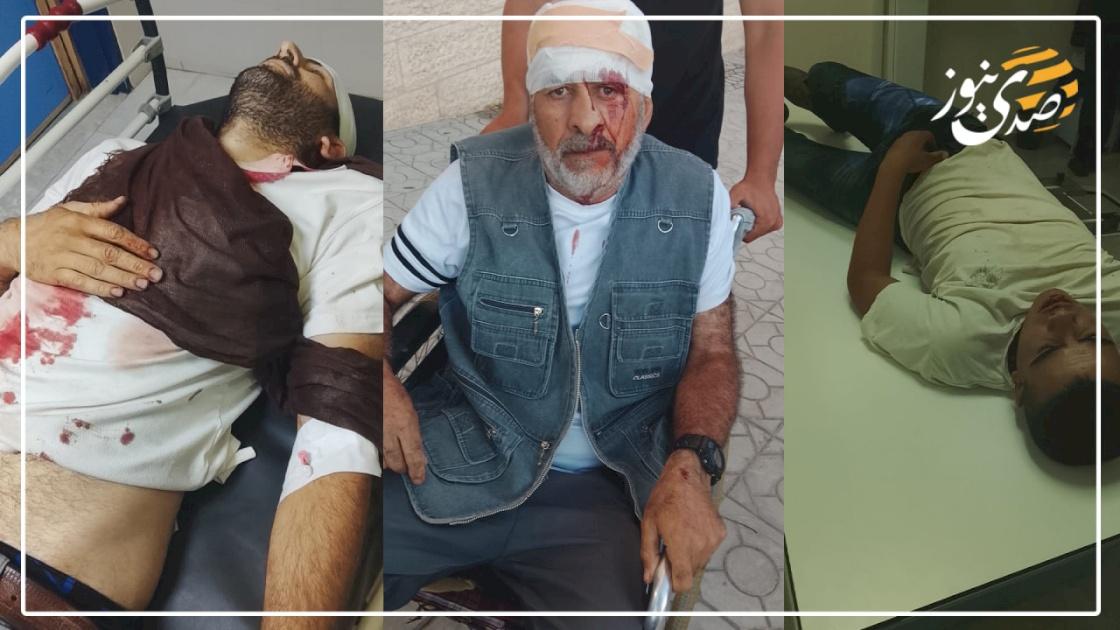
Since the entry into force of the ceasefire, nearly 700 Palestinians have been killed, as Israel’s involvement in two new conflicts in Iran and Lebanon eclipsed phase 2 of Trump’s plan for Gaza.
“The guests discussed Israel's military and political motives, the prospects for resuming settlement in the Gaza Strip, in addition to the United States' stance and the Peace Council's position on Israeli violations, and whether Washington is unable to compel Israel to implement the agreement or whether it adopts part of its objectives related to disarming the resistance”
Le Soir says that since the ceasefire was announced by the American president in mid-January, little progress has been made and that in some respects there has even been regression.

Nickolay Mladenov, the UN special envoy for Gaza, warned that "If we really want to advance peace between Israelis and Palestinians, we must be just as serious in implementing this plan," last Friday.
Switzerland said it supports a permanent ceasefire in Gaza and a durable peace in the Middle East based on the two-state solution, while prioritizing strict respect for international humanitarian law and unhindered humanitarian access to Gaza.
Aid squeezed by occupation
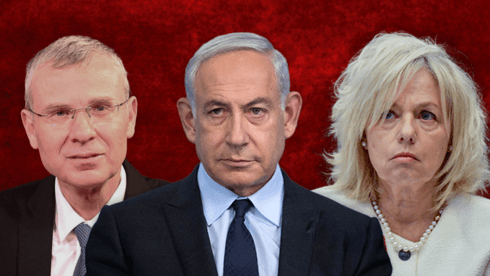
The European Union’s Commissioner for Equality, Readiness and Crisis Management Hadja Lahbib said Prime Minister Benjamin Netanyahu’s directive to expand the occupied area in the Gaza Strip to 70 percent is choking Palestinian families and hindering aid delivery.
On X, Lahbib said "the space allocated for humanitarian aid in Gaza is shrinking and tightening day by day" and added that "families have become trapped and squeezed between borders that move and change without any prior warning."

Anadolu Ajansı reported that Netanyahu acknowledged on Thursday that the Israeli army occupies 60 percent of Gaza’s area, with an intention to expand to 70 percent.
Switzerland said access to essential services in the Gaza Strip remains severely limited and that, according to the United Nations, of 36 hospitals none is fully operational and half are still considered "partially operational."
Diplomacy and recovery stakes
Switzerland participated on 13 July 2026 in the second meeting of the 'Palestine Donor Group' in Brussels and reaffirmed support for reforms of the Palestinian Authority, unified Palestinian governance, and the rapid restoration of basic services, essential infrastructure and livelihoods in the Gaza Strip.
“Hamas is taking advantage of the war [Israel–Iranian] to reaffirm its control over the Gaza Strip”
Switzerland said it is participating alongside twelve other states and the European Commission in a new initiative called 'Team Gaza Initiative' to mobilize nearly €900 million for restoration of basic services and projects in water and sanitation, health, energy, agriculture and food security.
The stakes for humanitarian recovery are explicit in Switzerland’s warning that projects under this framework must be implemented efficiently and have direct on-the-ground effects to bring concrete improvements to the population of the Occupied Palestinian Territory.
France 24 framed the wider regional context as Iran threatening to disrupt navigation in the Bab el-Mandeb Strait, with an Iranian military source telling Tasnim on March 21 that "An uptick in insecurity in other straits, starting with Bab el-Mandeb, is one of our options," while the Houthis claimed their first attack against Israel since the war began.