
Israel Launches Ground Operations Against Hezbollah in Lebanon, Air Campaign Targets Strongholds
Key Takeaways
- Israel orders strikes on Beirut's southern suburbs, launching ground operations in Lebanon.
- Air campaign targets Hezbollah strongholds across southern Lebanon alongside ground operations.
- Trump-brokered talks surface reports of halting or dialing back hostilities.
Ground push and casualties
Israel announced on Monday the launch of ground operations against the pro-Iranian Hezbollah, alongside a broad air campaign targeting, in particular, the Shiite movement's strongholds in Lebanon.
Le Devoir frames the current phase as part of a longer arc, noting that after a year of cross-border exchanges of fire, the Israeli army launched on September 23, 2024 an intense campaign of bombardments followed by a ground offensive against Hezbollah strongholds in the south of the country.
The same account says authorities on the Lebanese side put the toll from those two months of open war at more than 4,000, before a fragile ceasefire on November 27.
In Canada, Mark Carney said Ottawa “denounces” the “illegal” invasion of Lebanon by Israel, condemning Israel’s violation of Lebanon’s sovereignty and its territorial integrity, while Radio-Canada reported that Israeli airstrikes on Lebanon since March 2 have killed about 1,200 people and displaced 1.2 million people.
RTBF’s analysis of the campaign quotes an Associated Press rationale for calling it an invasion, saying Israel had already penetrated very far into Lebanese territory and mobilized several hundred thousand reservists.
Talks in Washington, split aims
In the midst of the new Israeli aggression, the first direct round of negotiations between the two sides was held in Washington, the U.S. capital, in response to an initiative from Lebanese President Joseph Aoun, and amid a sharp split among Lebanese.
Al Jazeera’s account says Aoun’s initiative rests on establishing a full ceasefire under which Israeli attacks would stop, alongside logistical support to the Lebanese army to take control of areas Israel is currently attacking and to disarm Hezbollah.

The same report says Israeli Prime Minister Benjamin Netanyahu responded on April 9 by announcing that he had ordered negotiations with Lebanon at the earliest opportunity, and it describes preliminary talks between Beirut and Tel Aviv ambassadors Nada Mouawad and Yehiel Leiter at the U.S. State Department in the presence of Secretary of State Marco Rubio.
The disagreement over aims is described as fundamental, with Lebanon prioritizing a ceasefire before entering any negotiations, while Israel focuses on disarming Hezbollah and establishing a 'security zone' in southern Lebanon extending to the Litani River, about 30 kilometers from the border.
RTBF adds a separate framing of the campaign’s intent, with Karim Emile Bitar saying “we can talk of an invasion, not merely an Israeli advance or breakthrough,” because Israel had already penetrated very far into Lebanese territory and sought to render southern Lebanon uninhabitable.
Buffer zones and displacement
As Israel’s campaign continues, multiple sources describe plans for a buffer zone reaching toward the Litani River, with Radio-Canada reporting that Israeli Defense Minister Yisrael Katz said Israel would destroy all homes in towns and villages near the border and that 600,000 displaced people from southern Lebanon will not be allowed to return home until northern Israel is safe.
In the same Radio-Canada report, Katz reiterated plans to establish a buffer zone in southern Lebanon, saying it would keep control of a strip of land reaching to the Litani River after the war with Hezbollah ends, while Le Devoir situates the present push within earlier patterns of occupation and withdrawal in southern Lebanon.
Al Araby Al Jadeed, citing the Financial Times, says Israel has seized about one thousand square kilometers of land in Gaza, Syria, and Lebanon since October 7, 2023, and it adds that more than half of the area lies in southern Lebanon where Israeli forces penetrated as far as twelve kilometers to create a security zone.
The same Al Araby Al Jadeed account quotes Katz saying: “At the end of the military operation, Israeli forces will be deployed in a security zone inside Lebanon and will control the area up to the Litani River,” and it reports he warned of preventing the return of more than 600,000 Lebanese displaced by Israel from the south of the Litani River to its north.
Euronews reports that Israel designated the area from the Litani to the Zahrani River as a combat zone and says Israeli troops urged evacuation in towns including Nabatieh and Tyre, while Hezbollah claimed two attacks against Israeli troops and a Merkava tank in Bayada near the border.
More on Lebanon
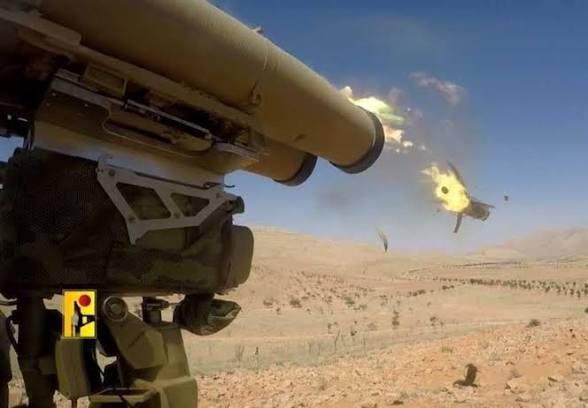
Hezbollah FPV Drones Kill One Israeli Soldier, Wound Six in Southern Lebanon
12 sources compared
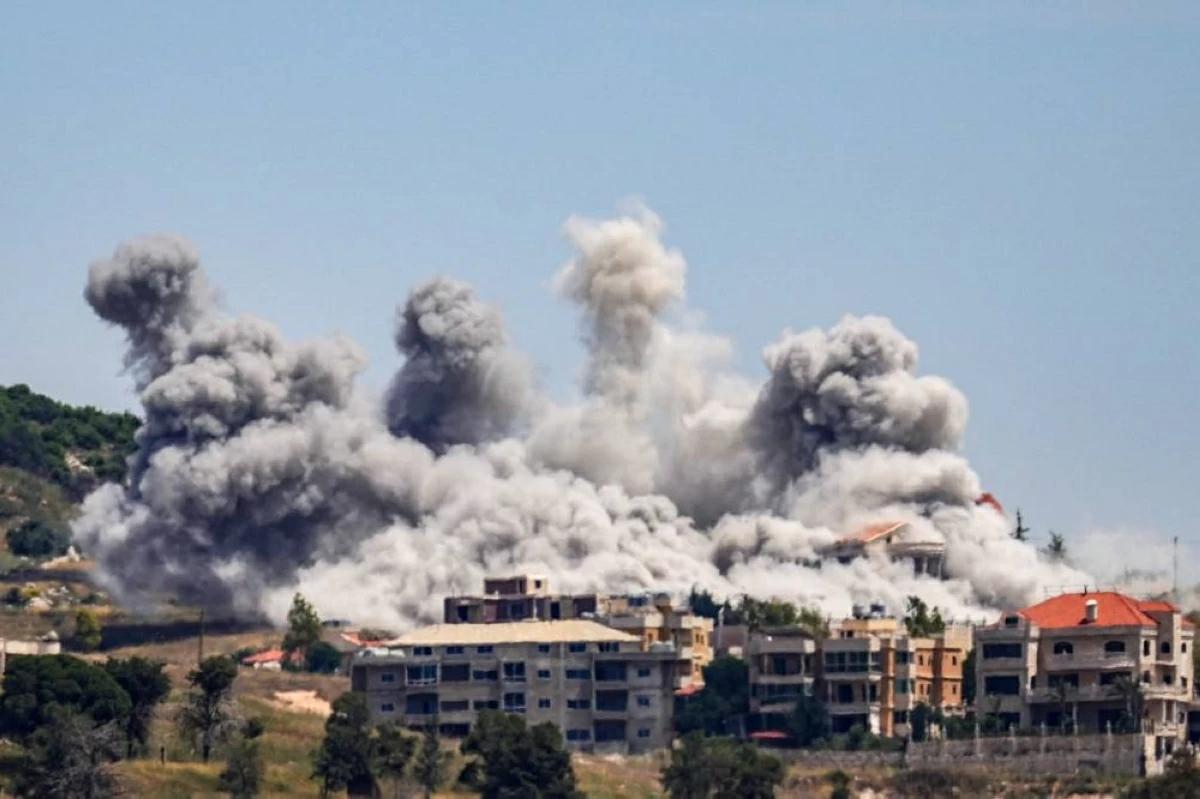
Israel And Lebanon Resume Fourth Ceasefire Talks In Washington After Trump Announces Hezbollah Halt
19 sources compared
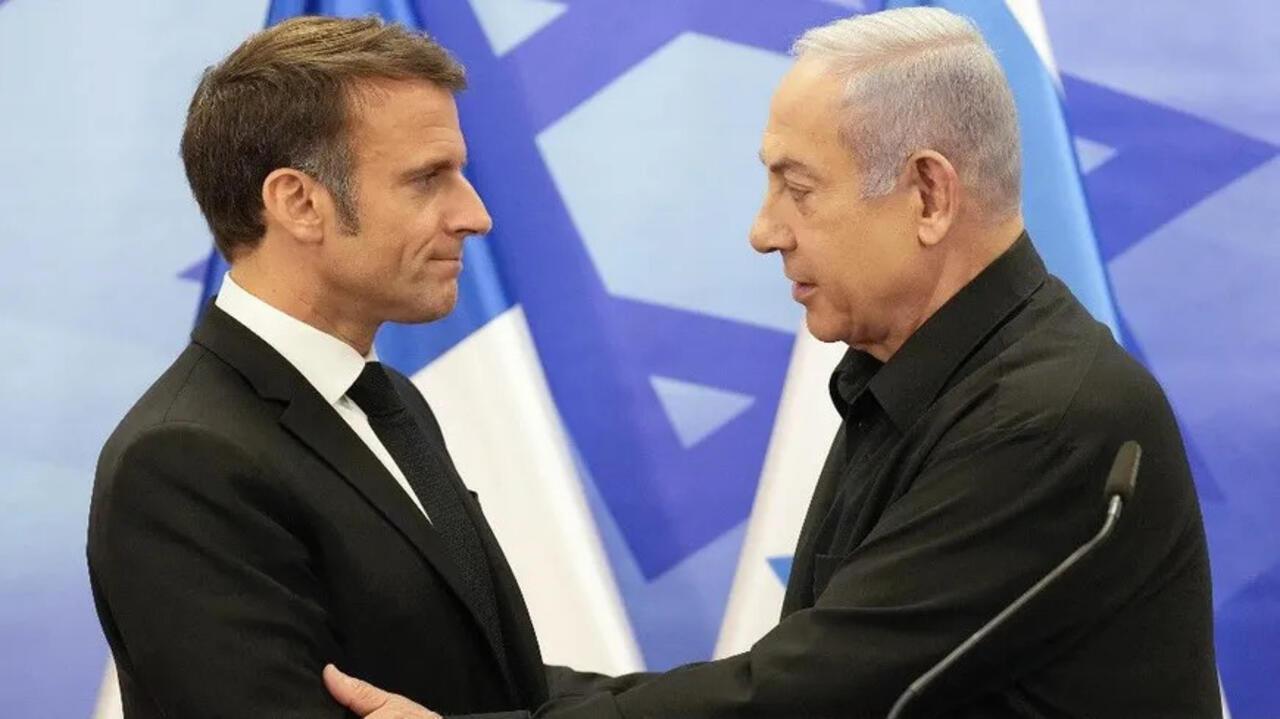
Jean-Noël Barrot Visits Lebanon as Israeli Army Strikes Kill At Least 968
10 sources compared

Hezbollah Kills IDF Maglan Staff Sgt. Adam Tzarfati in Yohmor Drone Attack Near Beaufort Castle
11 sources compared