Gaza Genocide17 October, 20253 min read
Israel Massacres 11 Palestinian Family Members in Gaza Ceasefire Violation
Israeli forces killed 11 Palestinian family members in Gaza during ceasefire violation. Humanitarian aid deliveries to famine-hit northern Gaza remain severely restricted despite ceasefire.
10 outlets told this the same way.
Outlets did split on Israel Marks Oct. 7 Anniversary With Strikes on Gaza, Netanyahu Faces Election After Nova Tribute →
Ceasefire Breach and Aid Challenges
Israeli forces killed 11 members of the Abu Shaaban family when a tank shell hit their civilian car in Gaza City’s Zeitoun neighborhood. According to Al Jazeera, this incident is the deadliest breach of an eight-day ceasefire. The victims included seven children and three women.
“Israeli forces struck a civilian vehicle carrying the Abu Shaaban family in Gaza City’s Zeitoun neighborhood, killing 11 Palestinians, including seven children and three women.”
Gaza’s civil defense denounced the strike as a deliberate crime against civilians. Aid-focused coverage during the same week highlights how fragile the US-brokered pause remains. The Independent describes the increased aid as a mere trickle and points out severe shortages, especially in northern Gaza.

NewsBreak reports on Israeli restrictions, halved aid trucks, and threats to reduce aid further. Middle East Monitor quotes UNRWA warning that delays in aid will lead to more deaths despite the ceasefire. Bastillepost describes aid trucks stuck at Rafah and hunger persisting despite the pause.
Aid Restrictions and Ceasefire Issues
The ceasefire violation occurs amid Israel’s tightening control of aid. The Independent reports that Israel reduced daily aid trucks from 600 to 300. The report cites the slow return of hostage bodies by the militant group as justification for delaying border reopenings and slowing aid.
NewsBreak confirms that COGAT halved the number of truck entries and states that Israel has threatened to further reduce aid. Bastillepost quotes Israeli Foreign Minister Gideon Saar saying the Palestinian side of Rafah may not reopen until Sunday.
Middle East Monitor highlights that only limited aid is coming in through Kerem Shalom. UNRWA is calling for a major scale-up of aid to prevent more deaths.
Humanitarian Crisis in Palestine
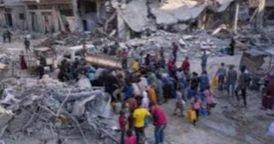
On the ground, Palestinians describe a landscape of destruction and deprivation. AP News reports displaced families returning to ruins with no water or basic services. A father, Abu Saif, fears a bleak future and missed schooling for his child.
“The article highlights the severe aftermath of conflict in Gaza, focusing on displaced Palestinians like Abu Saif who have lost their homes and face destroyed infrastructure, including lack of water and basic services.”
Bangladesh Post says the pause allowed some to sleep for the first time in months but stresses that tens of thousands have been killed and many left homeless over two years. NewsBreak and The Independent both warn that malnutrition and infectious diseases are worsening amid the aid squeeze. Bastillepost adds that families cannot feed their children properly with basic goods scarce and cooking gas unavailable.
Coverage of Gaza Strike and Aid
Accountability is explicit in West Asian coverage of the killing. Al Jazeera reports Gaza’s civil defense condemned the tank-shell strike on the Abu Shaaban family car as a deliberate crime against civilians and calls it the deadliest breach of the eight-day pause. Western and Asian outlets the same week emphasize the fragile and inadequate aid environment rather than this specific strike.
The Independent stresses that the situation is fragile and aid is a trickle. Middle East Monitor relays UNRWA’s warning that delays will lead to more deaths without major scale-up. AP News chronicles civilians returning to wrecked neighborhoods and expecting a bleak future even after active fighting paused.
Health Crisis Amid Crossing Closures
Health and survival conditions are worsening due to Israel’s restrictions and the closure of key crossings. NewsBreak reports that the World Health Organization has issued warnings about spiraling diseases, with only 13 out of 36 hospitals partially operational. The Independent highlights the worsening situation of infectious diseases and notes that millions of pounds of aid remain stuck.
“The World Health Organization warns of spiraling infectious diseases, including meningitis and respiratory illnesses, amid a decimated health system with only 13 of 36 hospitals partially operational.”
Middle East Monitor emphasizes UNRWA’s efforts to increase shipments to fight preventable diseases. Bastillepost reveals that shortages are so severe that children are suffering from nutritional deficits while aid trucks remain idle at Rafah. Together, these reports demonstrate that even during the ceasefire, civilians continue to face disease, hunger, and delayed aid as Israel reduces truck deliveries and keeps key crossings mostly closed.
.jpg&w=1920&q=75)