Israel Orders Evacuation Of Southern Lebanon Town After Three-Week Ceasefire Extension
Key Takeaways
- Lebanon ceasefire extended for three weeks.
- Israel orders evacuation of a southern Lebanon town.
- Israel threatens to attack the evacuated town after extension.
Ceasefire Extended, Evacuation Ordered
Israel ordered the evacuation of a town in southern Lebanon and threatened to attack it a day after extending the ceasefire, according to El País.
“• Timeline uncertain: President Donald Trump declined to give a timeline for resolving the Iran war on Thursday, telling reporters at the White House, “Don’t rush me”
The same El País report said Hezbollah MP Ali Fayad told reporters that the ceasefire agreement “lacks sense” in light of the “ongoing attacks” by the Israeli army.

El País described the ceasefire extension as a three-week step after the U.S. president’s announcement “last night,” and it said Fayad insisted Hezbollah has the right to respond to Israeli attacks against Lebanese targets.
The report also said the Israeli army launched new attacks on Lebanon “this Friday” after accusing the militia of firing “several rockets at the northern part of Israeli territory.”
In parallel, The New York Times reported that the Israeli military said on Friday it carried out strikes on Hezbollah targets in southern Lebanon “a day after” Trump announced a three-week extension of the ceasefire.
The New York Times added that there were “no immediate reports of significant fighting between Israel and the Iran-backed militant group.”
CNN likewise said the ceasefire in Lebanon was extended by three weeks after Israeli and Lebanese representatives met at the White House, and it quoted Israel’s Ambassador to the United Nations Danny Danon saying the extension was “not 100%.”
Why the Truce Feels Fragile
Multiple reports tied the Lebanon ceasefire extension to a wider U.S.-Israel-Iran confrontation centered on the Strait of Hormuz, where the U.S. blockade and mine threats shaped the diplomatic atmosphere.
El País said the U.S. Secretary of Defense Pete Hegseth warned that the U.S. “no longer counts on Europe,” while also claiming the American blockade of the Strait of Hormuz “is growing and taking global reach.”

The New York Times reported that Hegseth said the U.S. Navy blockade of Iranian ships and ports would continue for “as long as it takes,” and it described Iran making lifting the blockade a condition of resuming peace talks with Washington.
In Lebanon itself, The New York Times said Hezbollah did not have representatives at the talks, but Ali Fayyad said in a statement that the truce extension did not hold “any meaning in light of Israel’s continued escalation of hostile acts.”
El País framed Fayad’s comments as the first response from the Shiite militia after Trump announced the three-week extension, and it said Fayad insisted Hezbollah has the right to respond to Israeli attacks against Lebanese targets.
CNN added that the ceasefire extension followed negotiations at the White House on Thursday, and it described the conflict between Israel and Hezbollah as among the key factors discussed in U.S.-Iran peace efforts.
NBC News said Trump ordered the U.S. military to “shoot and kill” any Iranian boats laying mines in the strait and to intensify efforts to clear mines that had helped choke off global shipping.
Hezbollah, Israel, and U.S. Messaging Collide
The Lebanon ceasefire extension triggered competing messages from Hezbollah and Israeli officials, while U.S. defense and diplomatic statements set the broader tone.
“US Iran war highlights: Trump's ‘ticking clock' warning to Tehran, says ‘must’ for it to stop funding Hezbollah US Iran war highlights: The war began with US and Israel bombing Iran in February and killing their Supreme leader and other top officials”
El País quoted Hezbollah MP Ali Fayad saying the ceasefire agreement “lacks sense” because of “ongoing attacks” by the Israeli army, and it said Fayad insisted Hezbollah has the right to respond to Israeli attacks against Lebanese targets.
The New York Times reported that Ali Fayyad said the truce extension did not hold “any meaning in light of Israel’s continued escalation of hostile acts,” and it also said Hezbollah did not have representatives at the talks.
CNN presented Israel’s skepticism through Danny Danon, who said the extended ceasefire in Lebanon was “not 100%,” and it added that Danon wondered if the Lebanese government was capable of enforcing the truce in southern Lebanon where Iranian-backed Hezbollah operates.
CNN also quoted Israeli ambassador Yechiel Leiter saying peace was not a “pipe dream,” and it included Leiter’s assertion that “Time and again, Iran and Hezbollah have dragged Lebanon into war against Israel.”
Leiter told the White House meeting that the focus should be “dismantling Hezbollah,” and he said “Lebanon has not met its obligations to dismantle terror infrastructure, as demonstrated in the repeated attacks against Israel launched from the South Lebanon area in recent weeks – indeed, during the ceasefire itself,” according to CNN.
In Washington, the U.S. defense secretary’s posture toward the broader conflict was firm: The New York Times said Hegseth told reporters at the Pentagon, “We have all the time in the world,” while also insisting the war would not be “endless.”
Different Outlets, Different Emphases
While the ceasefire extension and Lebanon strikes were common threads, the outlets framed the same developments through different focal points—evacuation and militia response in El País, talk-and-truce mechanics in The New York Times, and enforcement doubts and diplomatic messaging in CNN.
El País foregrounded the immediate escalation logic by saying Israel ordered the evacuation of a town in southern Lebanon and threatened to attack it a day after extending the ceasefire, and it paired that with Hezbollah MP Ali Fayad’s claim that the ceasefire agreement “lacks sense.”
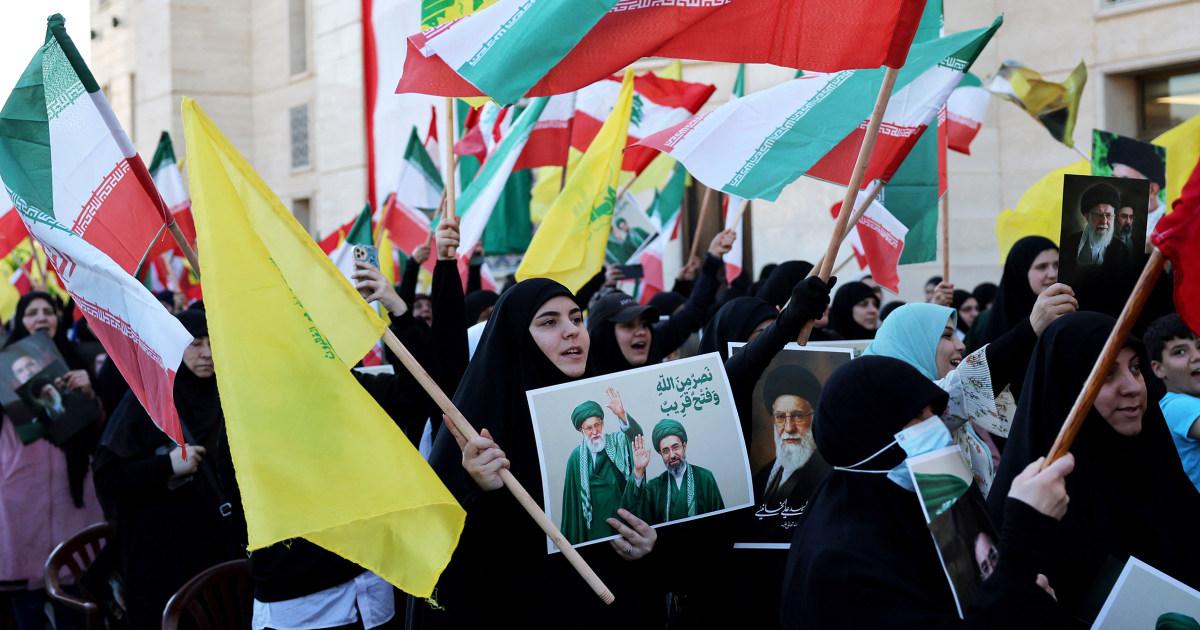
The New York Times, by contrast, emphasized the talks environment by noting that Hezbollah did not have representatives at the talks and that Ali Fayyad said the truce extension did not hold “any meaning” due to Israel’s “continued escalation of hostile acts.”
CNN centered its reporting on the credibility of enforcement, quoting Danny Danon that the ceasefire was “not 100%” and describing Leiter’s insistence that peace was not a “pipe dream.”
CNN also highlighted the diplomatic process at the White House, saying the ceasefire extension followed negotiations between Lebanese and Israeli diplomats, and it quoted Trump’s announcement that the ceasefire had been extended by three weeks.
NBC News, meanwhile, shifted attention away from Lebanon to the maritime dimension, stating that Trump ordered the U.S. military to “shoot and kill” any Iranian boats laying mines in the strait and that the standoff left the key Strait of Hormuz trade route effectively shut.
El País also tied the Lebanon developments to the broader war posture by quoting Hegseth’s warning to Europe—“You have benefited from U.S. protection for decades, and the time to take advantage of it is over.”—and by describing the blockade as “growing and taking global reach.”
What Comes Next for Lebanon
The sources portray the next phase as a test of ceasefire enforcement in southern Lebanon while the U.S.-Iran maritime standoff and mine-clearing plans continue to shape the wider conflict.
“Iran’s foreign minister set to travel to Pakistan, raising hope for renewed talks to end war Iran’s foreign minister Abbas Araqchi will begin a trip on Friday that includes visits to Islamabad, Muscat and Moscow, Iranian state media said”
CNN reported that Israel’s Ambassador to the United Nations Danny Danon said he wondered if the Lebanese government was capable of enforcing the truce in southern Lebanon, where Iranian-backed Hezbollah operates, and it said Danon described the situation as “not 100%.”

CNN also quoted Leiter saying the focus should be dismantling Hezbollah, and it framed that as a condition for peace by saying “Time and again, Iran and Hezbollah have dragged Lebanon into war against Israel.”
El País said Fayad insisted Hezbollah has the right to respond to Israeli attacks against Lebanese targets, and it described Israel’s new attacks on Lebanon after accusing the militia of firing “several rockets” at northern Israel.
The New York Times added that the Israeli military said it carried out strikes on Hezbollah targets in southern Lebanon “a day after” Trump announced a three-week extension of the ceasefire, and it reported that neither Prime Minister Benjamin Netanyahu nor President Joseph Aoun commented on the announcement.
The New York Times also said Iran has made lifting the blockade of its ports a condition of resuming talks, while Hegseth said the blockade would continue for “as long as it takes,” making the diplomatic timetable uncertain for both Lebanon and the wider region.
NBC News said Trump ordered the U.S. military to “shoot and kill” any Iranian boats laying mines in the strait and to intensify mine-clearing efforts, and it described the standoff as leaving the Strait of Hormuz trade route effectively shut.
More on Lebanon
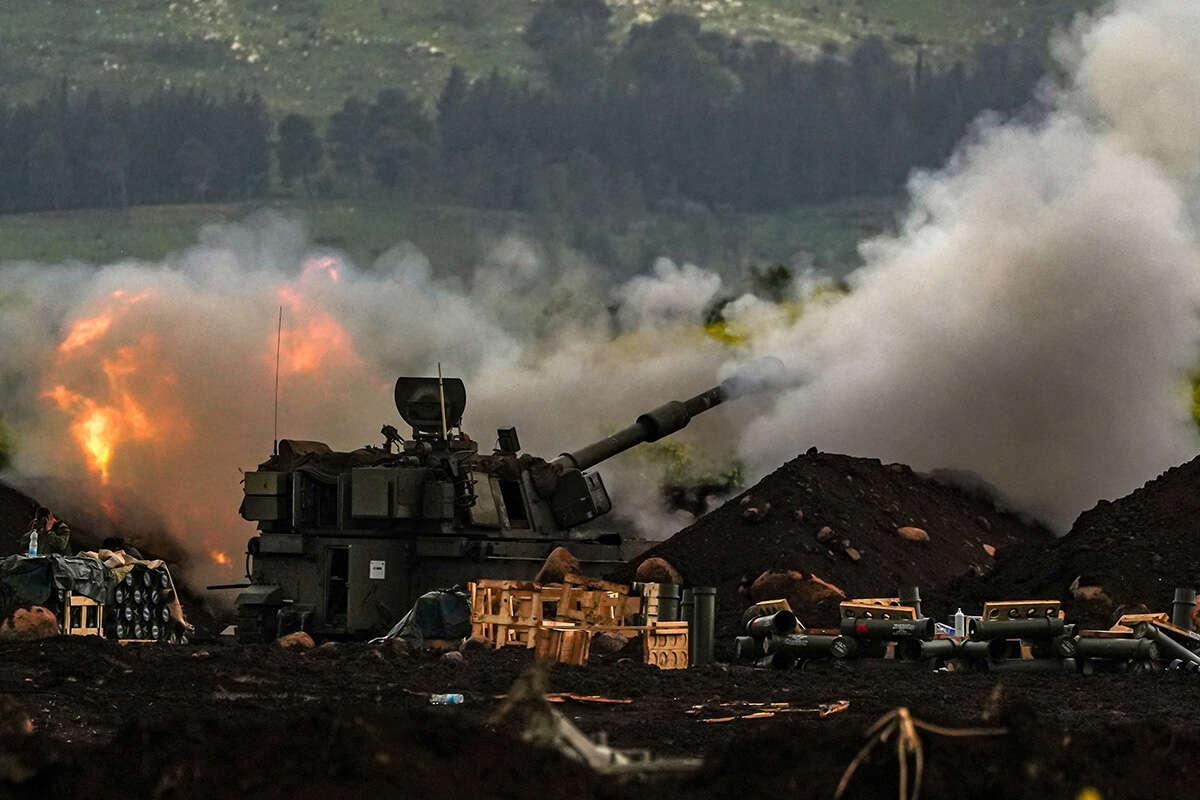
Trump Extends Israel-Hezbollah Ceasefire In Lebanon By Three Weeks
11 sources compared
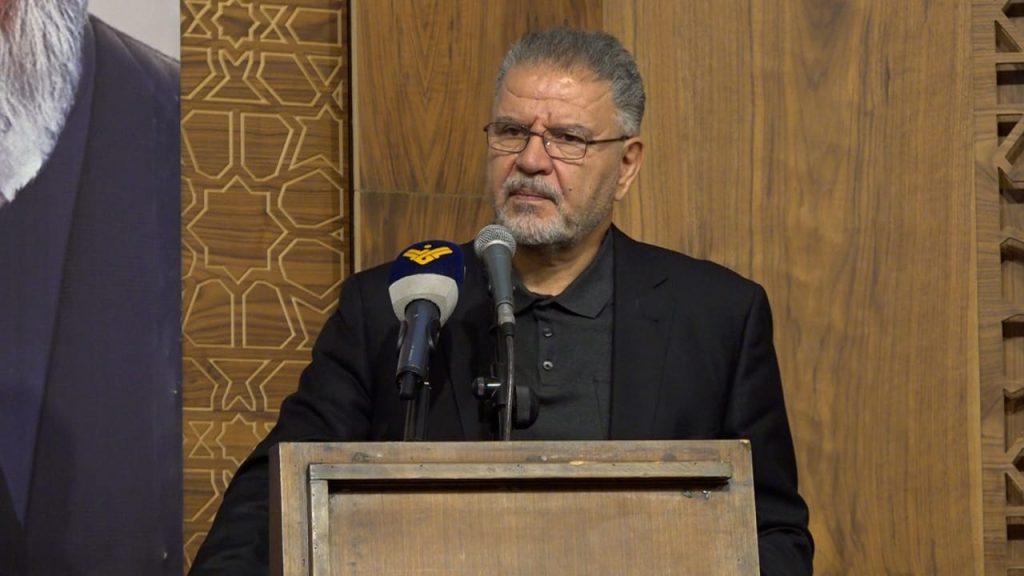
Trump Announces Three-Week Israel-Lebanon Ceasefire Extension After Hezbollah Dismisses It As Meaningless
11 sources compared

Trump Says Israel And Lebanon Extend Israel-Hezbollah Ceasefire By Three Weeks
18 sources compared

Hezbollah Drone Attack Injures Israeli Reservist as Israel Strikes Southern Lebanon
11 sources compared