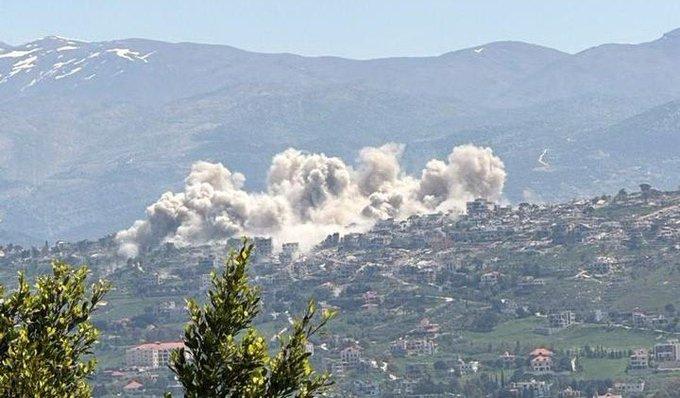
Israel Orders Evacuation of Towns South of the Litani River as It Starts Limited Ground Operation
Key Takeaways
- Israel begins a limited ground operation in southern Lebanon.
- Intense airstrikes and artillery accompany the operation across southern border towns.
- Bridge destruction and border-area home demolitions indicate escalation.
Ground push and evacuations
Israel’s military posture along the Lebanon–Israeli border has intensified in ways multiple outlets describe as edging toward a ground turning point, with evacuation warnings and escalating strikes forming part of the buildup.
Al Hurra says the southern front “turned into an open theater for clashes between Hezbollah and Israel” after Hezbollah joined the confrontation in support of Iran following the assassination of Supreme Leader Ali Khamenei and fired several rockets at Israel, prompting Israeli airstrikes on Beirut’s southern suburbs and other Lebanese areas.
Al Hurra reports that Israeli evacuation warnings first affected “dozens of southern towns” and then broadened on Tuesday to order “all residents in towns south of the Litani River to evacuate immediately and head to the north of the river.”
It also cites Israeli Defense Minister Yisrael Katz announcing approval to seize additional elevated areas in Lebanon to protect border residential clusters, adding that Hezbollah “is paying and will continue to pay a heavy price for firing toward Israel.”
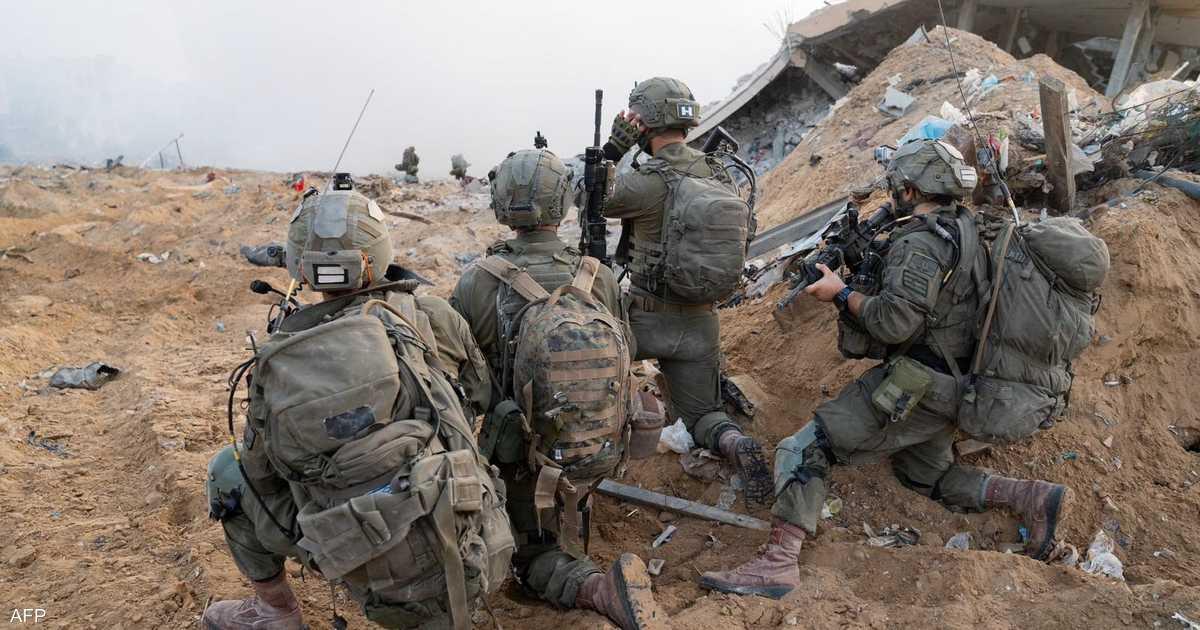
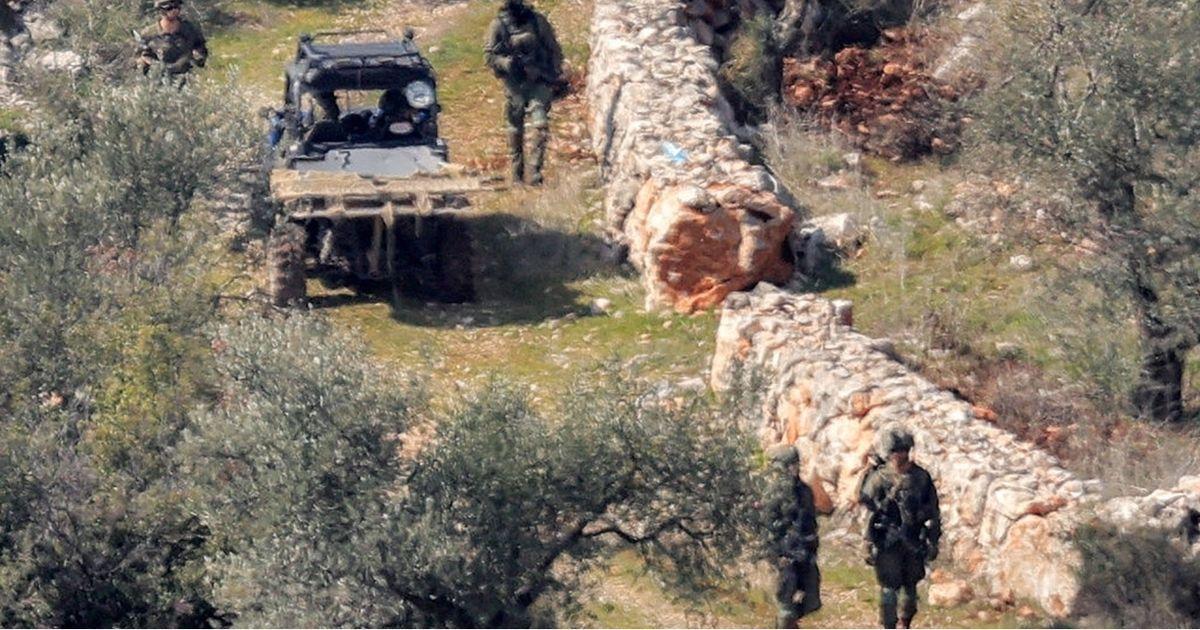
Al-Sharq, meanwhile, reports that the Israeli army announced that its forces began what it described as a “limited ground operation in southern Lebanon,” with Division 91 beginning “in recent days a limited ground activity targeting key sites in southern Lebanon to widen the frontline defense zone.”
The same Al-Sharq report says the operation includes “destroying what it claims are terrorist infrastructure and eliminating terrorist elements,” and that Division 91’s forces would defend the towns of the Galilee “together with forces of Division 146.”
Bridges, homes, and infrastructure
As Israel’s ground pressure expands, several reports describe a parallel campaign focused on bridges, evacuation orders, and demolition of homes near the border.
Jazeera’s outlet Al-Sharq says Israel warned on Saturday that it might target ambulances and medical facilities that Hezbollah allegedly uses illegally in Lebanon, while also reporting that the Lebanese Health Ministry said at least 26 paramedics and emergency responders were killed in Israeli strikes since March 2.
In the same report, Al-Sharq says Israel shelled a bridge in southern Lebanon on Friday that it said Hezbollah uses, and that Israeli Defense Minister Israel Katz threatened to strike government infrastructure that Hezbollah exploits.
Jريدة الرياض reports that Israel bombed a “main bridge linking southern Lebanon to the rest of the country” on Sunday after ordering its army to destroy all bridges over the Litani River and to speed up the demolition of Lebanese homes near the southern border.
The Reuters account inside Jريدة الرياض includes the testimony of Lama Al-Fares, who told Reuters that her family “packed what they could into their car when they saw the warning” and drove “about one kilometer north” before waiting for shelling to end.
Jريدة الرياض also says Katz told reporters that the army had received orders to destroy all bridges over the Litani River because they are used in “terrorist activities,” and that the demolition of homes in “villages on the front lines” was intended to neutralize threats facing residential areas in Israel.
Human Rights Watch researcher Ramzi Qais told Reuters that “international law requires armed actors to consider the harm to civilians when targeting infrastructure like bridges,” warning that isolating the area south of the Litani would threaten “a humanitarian catastrophe.”
Casualties, displacement, and retaliation
Lebanon’s health and disaster reporting in the sources ties the intensifying campaign to large casualty and displacement figures, while Hezbollah-affiliated media describes infiltration and clashes in the operational area.
Al-Sharq cites the Lebanese Health Ministry reporting that the death toll from Israeli airstrikes rose to 850 people with about 2,105 wounded, and that the total number of displaced registered reached 831,882.
The same report says the Disaster Risk Management Unit at the Lebanese Cabinet stated that “the number of self-registered displaced reached 831,882,” while the total number of displaced in shelters reached 130,715.
Al-Sharq further reports that the Disaster Risk Management Unit at the Presidency of the Council of Ministers said the total human losses stood at 826, while the total number of displaced reached 831,882, and that “the number of hostile acts reached 2,111,” with the day’s toll at 24 dead and 96 wounded.
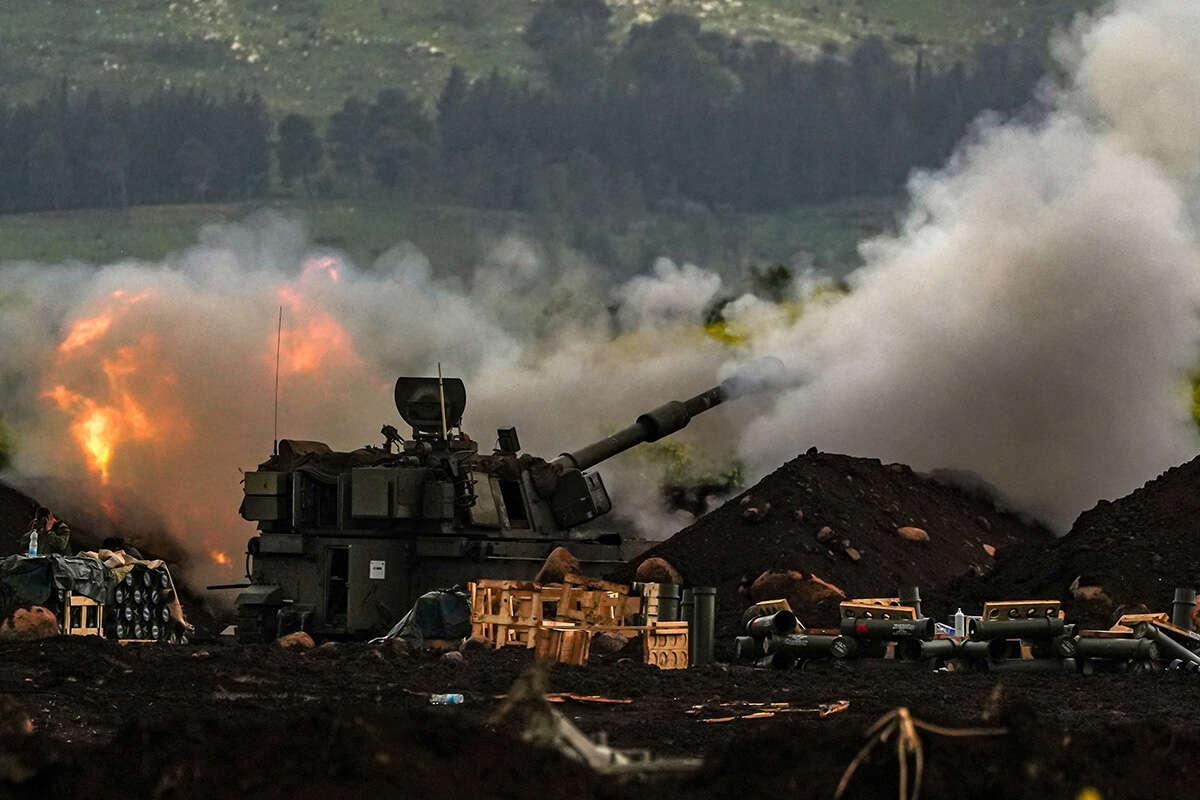
Al-Sharq also includes a statement from the Israeli army spokesman that Division 91 began a limited ground activity and that just before troops entered, the Israeli army attacked many targets through artillery and the air force to remove threats.
In parallel, Hezbollah-affiliated Telegram said “elements of the group managed to infiltrate and settle in the first- and second-line villages, and clashes took place in the operational area.”
Al-Manar TV Lebanon describes an Israeli campaign of airstrikes, artillery fire, and house demolitions, saying its correspondent reported intense bombardment on Friday targeting the southern city of Khiam and that warplanes struck a house in the town of Touline in the Marjeyoun district.
Al-Manar also says that earlier in the day “enemy forces demolished two homes in the city of Bint Jbeil and the town of Hanin,” and it frames Hezbollah’s response as retaliatory operations against Israeli targets in the border area and targeting settlements near the border with Lebanon.
Competing narratives and framing
The sources present sharply different framing of the same Lebanon border escalation, with Israeli and Lebanese official language on one side and Hezbollah-affiliated descriptions on the other, alongside a Western think-tank perspective on strategy.
Al Hurra describes Israeli actions as part of a defensive layer, citing sources that say the Israeli army began strengthening its presence inside south Lebanon with the 91st and 146th divisions entering new points in the border region, while adding that the step “does not amount to a broad ground maneuver, but a defensive measure.”

It contrasts that with the Lebanese army announcement that it “had detected incursions by Israeli forces into Lebanese territory,” while saying it continues to coordinate with UNIFIL and the ceasefire supervision committee to halt Israeli strikes.
Al-Manar TV Lebanon, by contrast, frames the Israeli campaign as a “systematic campaign to destroy southern Lebanese border towns,” describing “heavy airstrikes, artillery fire, and house demolitions,” and asserting that the Israeli enemy is attacking “in violation of the ceasefire which took place on April 17.”
The Washington Institute’s analysis, authored by Asaf Orion, describes the Israeli campaign in terms of security objectives and redeployment risks, saying “the military and diplomatic risks of redeploying in southern Lebanon are high,” but arguing Israel can mitigate them by publicly stating its security objectives and holding Beirut officials accountable.
Orion’s piece also says “seven bridges over the Litani River have been destroyed to cut off supplies of fighters coming from the north,” and describes Israel’s approach as “deploying ground units into evacuated and devastated enemy territories to defend border communities.”
In the same Washington Institute text, Orion reports that “Defense Minister Israel Katz affirmed that the ultimate goal remains disarming Hezbollah by both military and political means,” while also noting that an IDF official reportedly acknowledged that establishing a new security zone is the current campaign objective.
The divergence is also visible in how each side treats the legality and purpose of actions: Jريدة الرياض includes a Reuters account quoting Ramzi Qais that destroying bridges and isolating the south would cause “a humanitarian catastrophe,” while Al Hurra emphasizes Israeli claims that strikes aim to reduce Hezbollah’s capabilities and that Hezbollah “is paying and will continue to pay a heavy price.”
What comes next
Looking ahead, the sources describe both the operational trajectory of Israel’s Lebanon campaign and the political debate over how far it could go, including potential expansion of ground operations and negotiations.
“Asaf Orion is the Liz and Mony Raviv International Fellow at the Washington Institute”
Al-Sharq reports that Israel’s Chief of Staff Eyal Zamir said the Lebanon front “is a central front alongside the Iran front,” and quotes Zamir saying “The campaign against Hezbollah is another central front.”
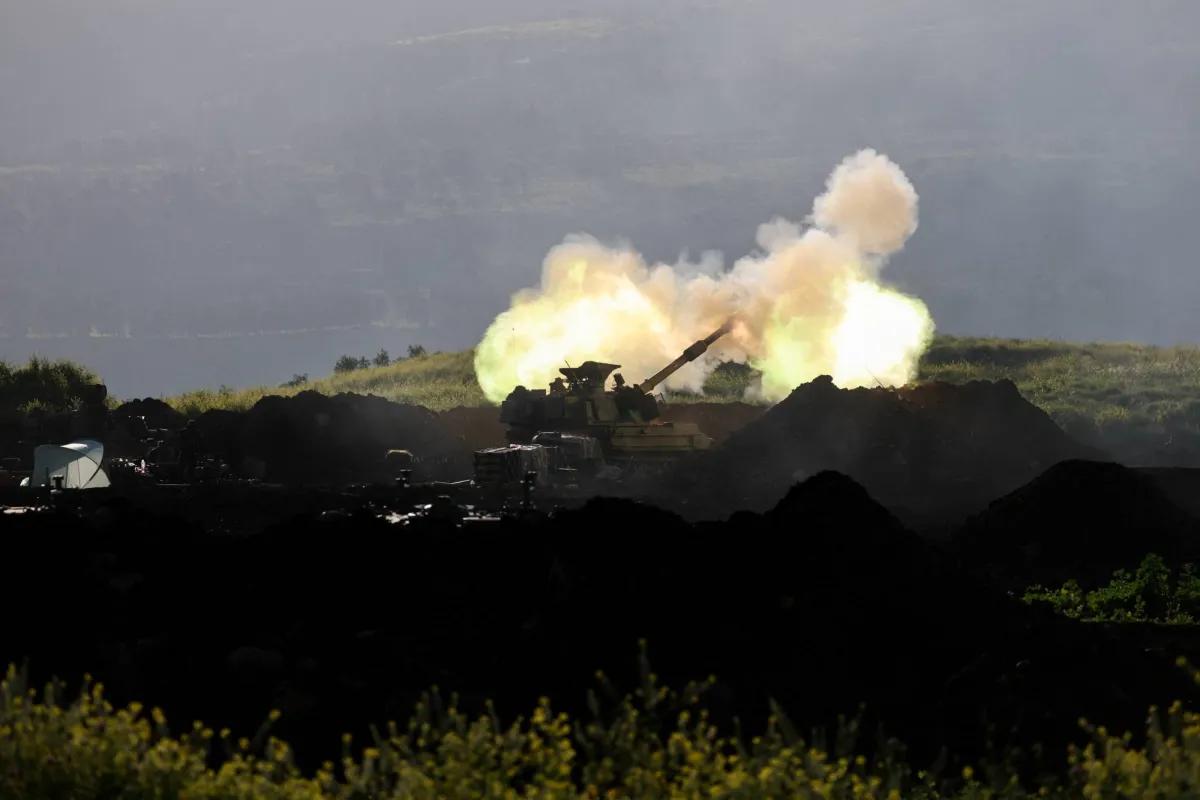
The same report says Zamir linked the war on Iran and Hezbollah and affirmed that Israel will continue the military campaign against Hezbollah with massing of troops and widening the scope of ground operations, adding that “Hezbollah has made a grave mistake and will pay a heavy price.”
Al-Sharq also reports that Israeli sources say Israel is set to escalate there and is preparing for the possibility that the Lebanon front could become a main front after a halt to the war with Iran, and that sources familiar with Kan say the army and Israeli security establishment submitted a request to approve recruitment of “up to 450,000 reservists.”
It adds that no green light has been given for such a large operation, while the political level approved expanding focused operations and demolishing the first row of houses in border villages, “to be followed by deploying military forces in those areas after the demolitions, in addition to continuing assassinations.”
The Washington Institute’s Orion describes a planned security-zone concept, writing that “Israel intends to establish the following temporary security zones in southern Lebanon, starting from the UN-drawn Blue Line,” including “a temporary security zone extending three to four kilometers into Lebanese territory.”
Orion adds that “civilians will be evacuated from it and buildings will be heavily demolished,” and that the “anti-tank missile line extends eight to ten kilometers inside Lebanon.”
At the same time, Al-Sharq reports that Foreign Minister Gideon Saar denied plans for direct talks, while Yedioth Ahronoth quoted Ron Dermer as saying “An agreement with Lebanon is possible,” and Dermer said “This time the negotiations will be different; we will not return to October 6.”
The Washington Institute also notes that Hezbollah Secretary-General Naim Qassem said on Friday that the group is prepared for a long confrontation, and it describes Israel’s strategic dilemma as tied to Beirut’s failure to disarm Hezbollah and the international enforcement mechanism created by the November 2024 ceasefire.
More on Lebanon
Trump Extends Israel-Hezbollah Ceasefire In Lebanon By Three Weeks
11 sources compared
Trump Announces Three-Week Israel-Lebanon Ceasefire Extension After Hezbollah Dismisses It As Meaningless
11 sources compared

Trump Says Israel And Lebanon Extend Israel-Hezbollah Ceasefire By Three Weeks
18 sources compared
Hezbollah Drone Attack Injures Israeli Reservist as Israel Strikes Southern Lebanon
11 sources compared