Gaza Genocide17 January, 20262 min read
Israel Rejects Trump Administration's Unilateral Gaza Executive Board for Occupied Gaza
This article is an automated aggregation of coverage from news outlets. Our editorials offer in-depth analysis curated by the NewsCord team.
Trump announced a U.S.-led executive panel to oversee Gaza's temporary governance and reconstruction. Executive board members named include Rubio, Blair, Kushner, World Bank’s Ajay Banga, Turkey’s Hakan Fidan.

49 outlets told this the same way.
Outlets did split on Israel Marks Oct. 7 Anniversary With Strikes on Gaza, Netanyahu Faces Election After Nova Tribute →
i24NEWS was read line by line by the Watchdog: 8.2. See the score →
U.S. Gaza governance plan
The White House announced a U.S.-backed Gaza Executive Board and a higher "Board of Peace." Israel immediately and publicly rejected the appointments, saying they were made without coordination and run contrary to its policy. Prime Minister Benjamin Netanyahu’s office instructed the foreign minister to raise the matter with the United States after no Israeli official was named to the Executive Board.
“The White House on Friday announced members of a new Gaza ‘Executive Board’ charged with overseeing demilitarization, technocratic governance and reconstruction.”
Jerusalem criticized the move as uncoordinated and politically problematic. The announcement was part of a U.S. plan that its backers say will oversee demilitarization, technocratic governance and reconstruction in Gaza under the Trump-led framework.
Controversial board appointments
The announced Executive Board and the broader Board of Peace include senior international politicians, financiers and diplomats, names that have inflamed controversy. Reports list appointees such as Jared Kushner, Marco Rubio, Tony Blair, Marc Rowan, Steve Witkoff, World Bank president Ajay Banga and Nickolay Mladenov as High Representative.
Some coverage notes that only a single Israeli-born businessman, Yakir Gabay, appears among the initial executive-level names. The U.S. portrayal frames these appointments as core to a phase two plan to demilitarize Gaza, set up an interim technocratic administration and begin reconstruction.

Israeli political fallout
The announcement triggered sharp Israeli domestic political debate. Hard-right ministers demanded renewed large-scale military action and rejected international roles for countries they accuse of supporting Hamas. Prime Minister Netanyahu publicly protested the lack of coordination.
“Prime Minister Benjamin Netanyahu’s office said he instructed top diplomat Galit Sa’ar to raise Israel’s objections with the U.S., calling the composition uncoordinated and contrary to Israeli policy.”
Some reporting (Haaretz) says Netanyahu may have approved the board's makeup and is protesting for domestic political optics. Opposition figures warned Israel risked losing control over Gaza's future if international actors proceeded without Israel's consent.
Gaza humanitarian crisis overview
Gaza is suffering an enormous humanitarian catastrophe with extremely high Palestinian casualties. Gaza health authorities and multiple outlets report death tolls exceeding 71,000 Palestinians since October 2023. According to Al Jazeera, multiple rights experts, scholars and a UN inquiry have concluded that Israel's conduct in the Gaza war amounts to genocide.
Many reports say the ceasefire has been repeatedly violated by Israeli strikes and raids. Gaza authorities say those strikes and raids have killed and injured civilians and have blocked aid.

Debate over Gaza plan
International reaction to the proposed plan and its feasibility remain sharply contested. The U.S. and some backers present the Board and a technocratic Palestinian committee as a 'credible path' to stabilize Gaza. Major practical and political problems remain, including who will provide the international stabilization force, how to compel Hamas to disarm, how to reopen Rafah, and how to ensure Israeli withdrawal.
“The White House has set up a Gaza Executive Board and a higher Board of Peace as part of an international effort to deliver governance, services and stabilize Gaza after the war.”
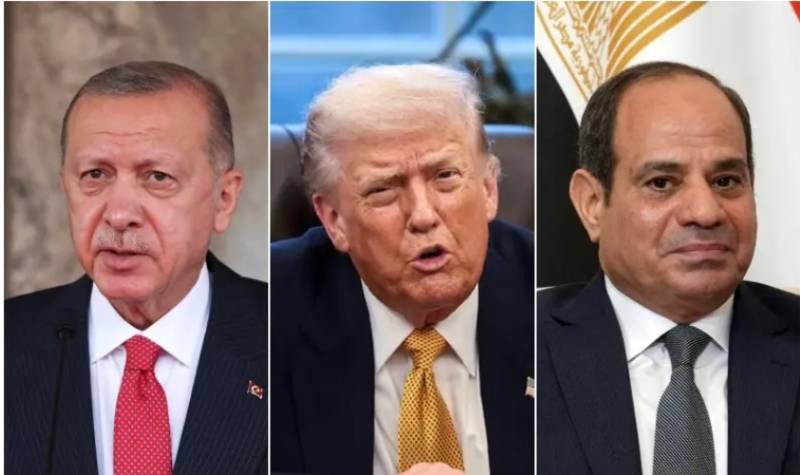
Some regional governments invited to join the Board of Peace — Egypt, Turkey, Argentina and Canada — have given mixed responses. Diplomats and analysts warn the initiative may deepen divisions and risk sidelining Palestinian agency.
