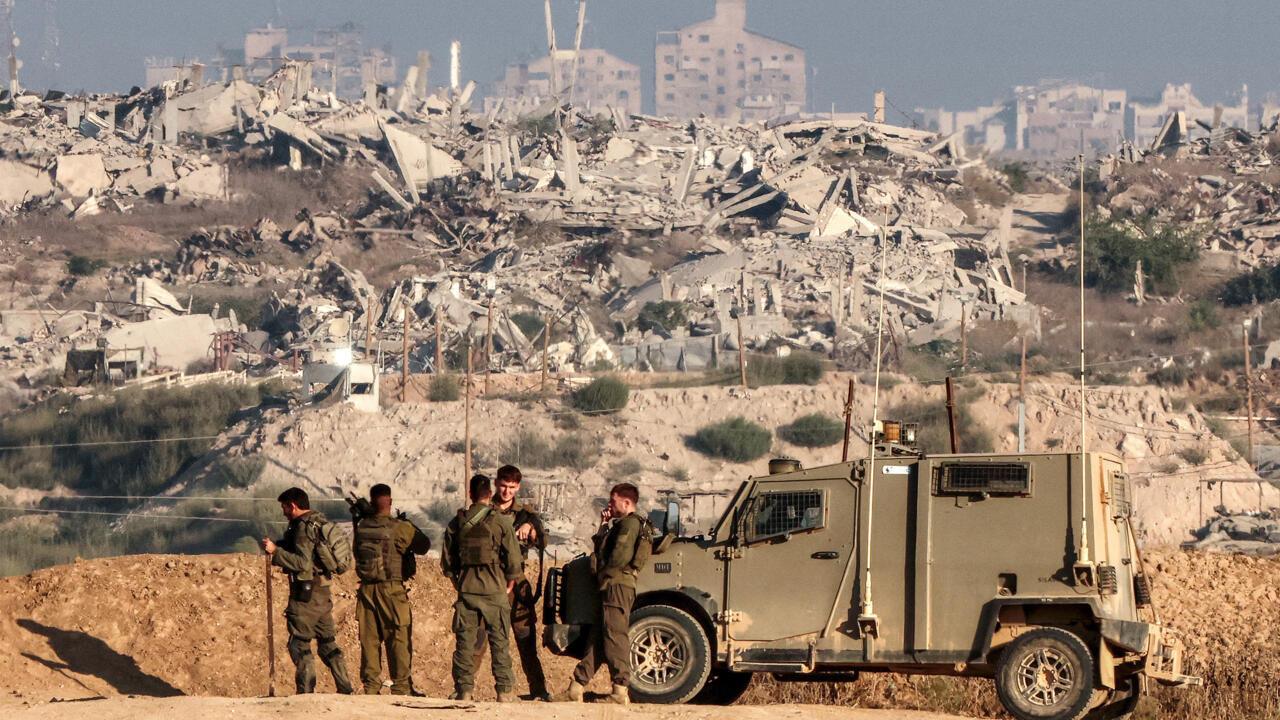
Israel Retakes Beaufort Castle in Southern Lebanon, Netanyahu Says It Is Stronger Than Ever
Key Takeaways
- Israel captures Beaufort Castle, a Crusader-era fortress, during its southern Lebanon offensive.
- Netanyahu calls the capture a dramatic turning point in the Lebanon campaign.
- The seizure accompanies expanded ground operations and evacuation warnings for towns near Zahrani river.
Beaufort Retaken
Israel’s military retook the nearly 900-year-old Crusader castle of Beaufort in southern Lebanon, with “a pair of newly planted flags atop its turret,” marking Israel’s first control of the site since it withdrew from Lebanon 26 years ago.
Prime Minister Benjamin Netanyahu said recapturing the castle shows Israel was “stronger than ever” and prepared to push further into a country it invaded in 1982 and a southern Lebanese border area it occupied for a further 18 years.

The Christian Science Monitor traced the move to the 1982 invasion, when the Golani Brigade seized the hilltop fortress during the 1982 invasion, and noted that the castle’s topography included a view “more than 2,000 feet above sea level.”
The Monitor also described how the upbeat photo-op narrative collided with a Golani officer’s protest: “Six of my friends were killed.”
It said the broader war plan included driving “all the way to Beirut” and installing a Christian Lebanese ally as Lebanon’s president, and that Israel’s long military entanglement continued after the initial capture.
Hospital Strike and Truce
Israel continued attacks in southern Lebanon on Tuesday but did not strike Beirut following a partial ceasefire agreement with Hezbollah, under which Lebanon said Israeli forces would not bomb the capital in exchange for Hezbollah not attacking Israel.
The BBC reported that the Lebanese health ministry said four people had been killed and 127 injured when Israeli air strikes hit buildings next to Jabal Amel hospital in the city of Tyre on Monday afternoon, with 39 hospital staff among the injured.

Dr Wael Mroueh, the hospital’s director, said, “We were working with patients and displaced people. Business was as usual, and suddenly, 'boom,'” and he denied there was a military target nearby.
He added, “The Israeli enemy targets journalists, ambulance workers, medical staff,” and the BBC reported the Israeli military said it struck “Hezbollah terrorist infrastructure” but emphasized the attack “was not targeted”.
The BBC also said Lebanon’s civil defence agency reported another Israeli strike hit its centre in Kfar Sir in the Nabatieh district on Tuesday morning, causing damage but no casualties.
Occupation Maps and “Yellow Line”
Multiple outlets described Israel’s effort to entrench control in southern Lebanon through a “Yellow Line,” with Al Jazeera’s investigation saying it tested declared boundaries against what ground reveals in southern Lebanon.
“Lebanon’s landscape is layered with thousands of years of history, but many of its most treasured archaeological and cultural sites now lie in the path of Israel’s expanding military offensive”
Al Jazeera said the investigation traced “three arenas” where new boundaries of Israeli military presence formed—“the Gaza Strip, southern Lebanon, and southern Syria”—using official maps, satellite imagery, GIS calculations, and ACLED data.
In southern Lebanon, Al Jazeera reported that after the ceasefire signed on April 17, 2026, the area under Israeli military control reached about 570 square kilometers, “an area representing more than half of the total lands seized after October 7 in Gaza, Syria, and southern Lebanon.”
The Middle East outlet framed the same concept as Israel’s plan to impose what it calls the “Yellow Line” in southern Lebanon to prevent residents from returning to dozens of villages, saying it includes 55 Lebanese villages.
It quoted Israeli Defense Minister Yisrael Katz saying the Israeli army “will continue to retain all the sites it has cleared and taken control of,” while also describing a ten-day ceasefire agreement with hostilities taking effect on April 16 (Nisan).
More on Lebanon
Hezbollah FPV Drones Kill One Israeli Soldier, Wound Six in Southern Lebanon
12 sources compared
Israel And Lebanon Resume Fourth Ceasefire Talks In Washington After Trump Announces Hezbollah Halt
19 sources compared
Jean-Noël Barrot Visits Lebanon as Israeli Army Strikes Kill At Least 968
10 sources compared
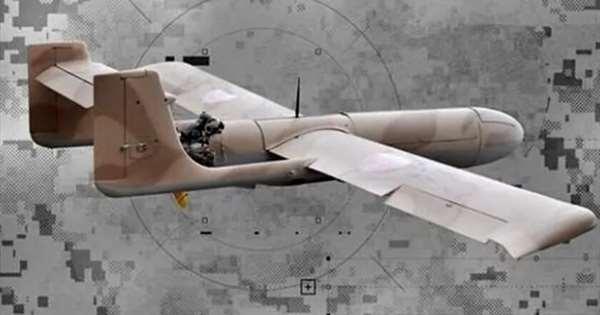
Hezbollah Kills IDF Maglan Staff Sgt. Adam Tzarfati in Yohmor Drone Attack Near Beaufort Castle
11 sources compared