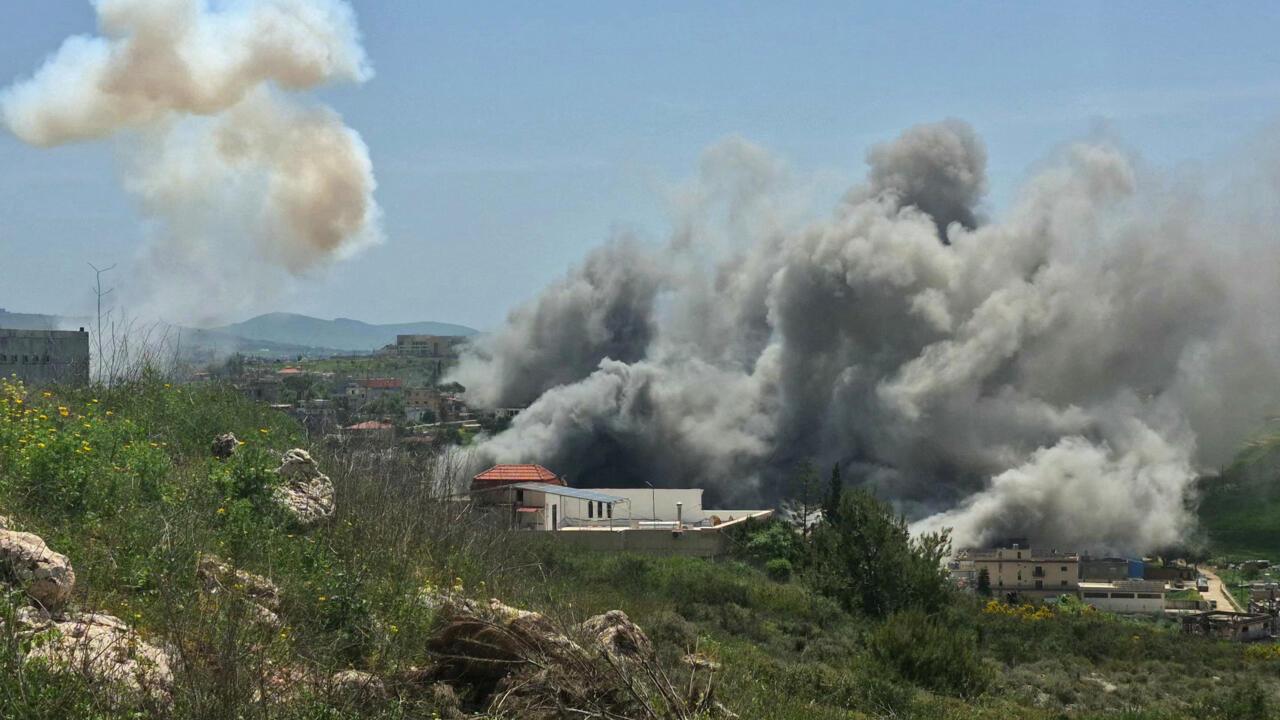
Israel Strikes Dozens of Hezbollah Targets Across Southern Lebanon Despite Ceasefire
Key Takeaways
- Israel strikes dozens of Hezbollah targets across southern Lebanon despite ceasefire.
- At least 28 people killed in southern Lebanon, including civilians.
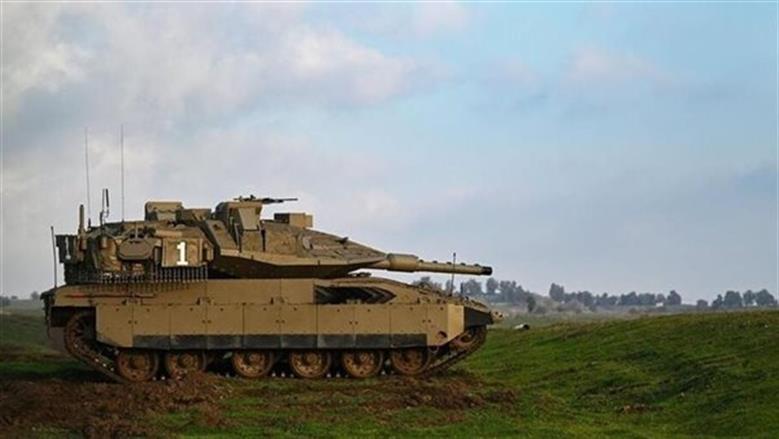
- Merkava tank hit by a direct Israeli strike in southern Lebanon.
Ceasefire, then strikes
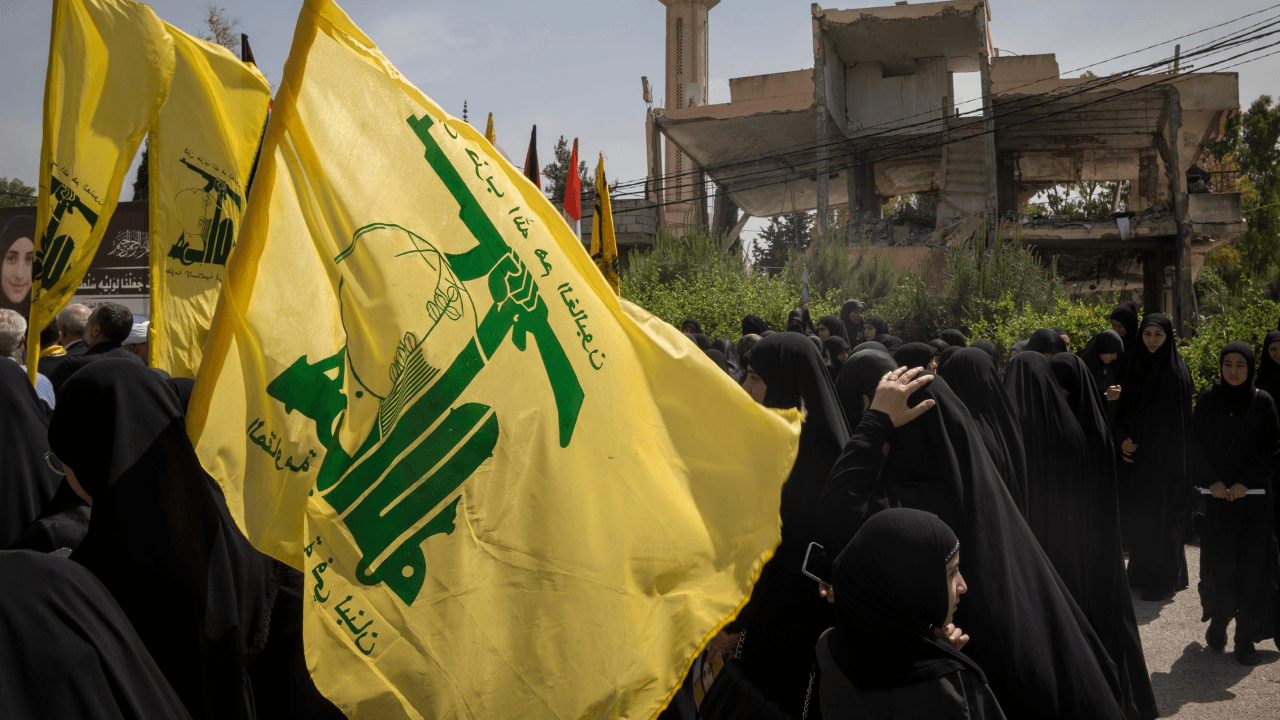
Israel carried out strikes across southern Lebanon on Saturday, its military saying it hit dozens of Hezbollah targets despite a fragile ceasefire between the two sides.
The Israeli military said in a statement that it struck Hezbollah targets across several areas, adding that “approximately 70 military structures and approximately 50 Hezbollah infrastructure sites were dismantled.”

Lebanon’s state-run National News Agency also reported a series of Israeli strikes across southern Lebanon, while the Israeli army had earlier issued evacuation warnings for nine southern villages.
The attacks have become a regular occurrence despite the ceasefire, with Israel and Hezbollah accusing each other of violations.
Hezbollah claimed several attacks targeting Israeli troops, saying the attacks were in response to ceasefire “violations.”
Israel has continued deadly strikes on Lebanon despite the April 17 ceasefire, which sought to halt more than six weeks of war between Israel and Hezbollah.
The ceasefire text gives Israel the right to act against “planned, imminent or ongoing attacks.”
Lebanese army chief Rodolphe Haykal met Saturday with visiting U.S. Gen. Joseph Clearfield, the head of a five-member committee tasked with monitoring a 2024 ceasefire meant to end the previous war between Israel and Hezbollah.
Drone and rocket escalation
Alongside the strikes, the conflict’s tactical pattern described in the sources centers on drones and retaliatory attacks.
Hezbollah fighters intercepted and destroyed an Israeli military unmanned aerial vehicle over southern Lebanon on Thursday, with Yeni Safak English reporting that the Hermes 450 drone was targeted with a surface-to-air missile near Nabatieh city.

The Israeli Defense Forces subsequently acknowledged the loss of the aircraft in Lebanese airspace, confirming the resistance faction's account of the engagement.
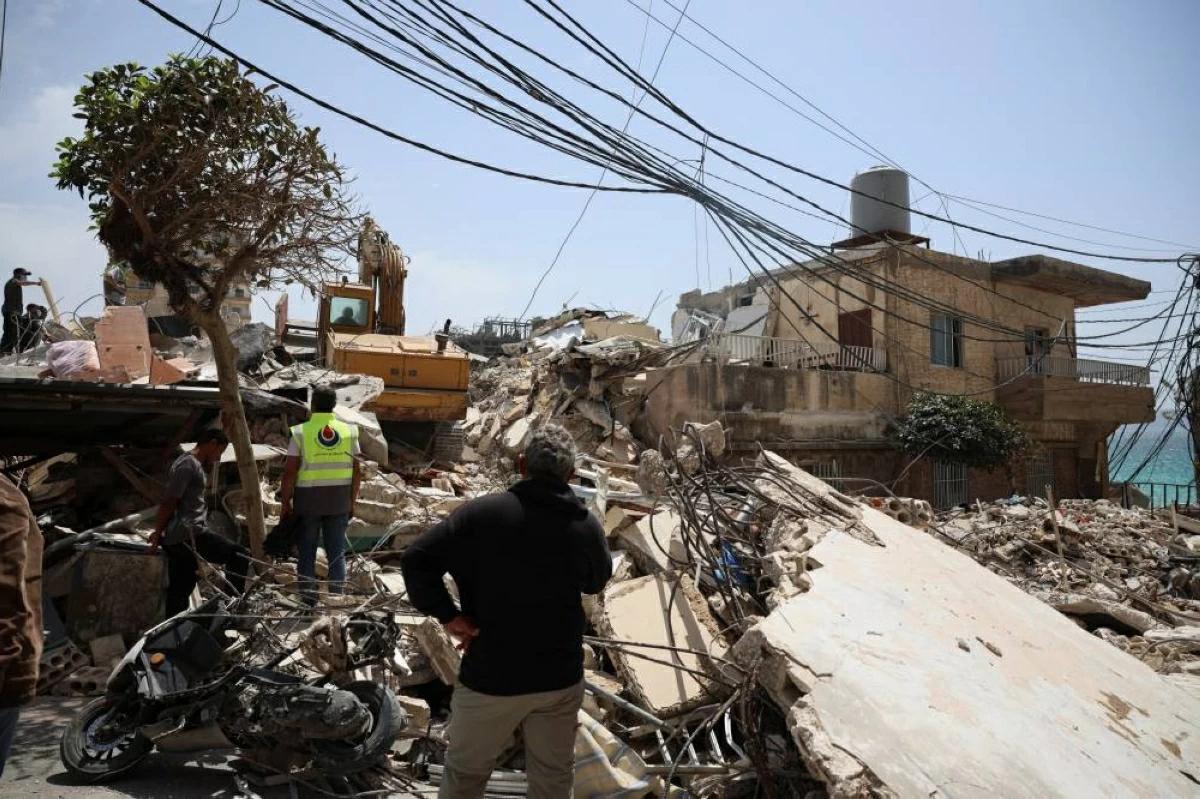
Al Jazeera also described ongoing Israeli attacks that killed at least 28 people in southern Lebanon despite the temporary United States-mediated “ceasefire,” citing the country’s National News Agency (NNA).
In Jebchit, Al Jazeera reported four people were killed and nine others wounded in an attack that destroyed a residential building, and it said a separate attacked killed four members of one family, including a child.
In Toul, Al Jazeera reported four people were killed and six wounded, and it said another Israeli attack hit a home in Toul later on Thursday, killing one person and injuring two others.
The sources also describe Israeli military losses tied to Hezbollah rocket fire, with Al Jazeera saying Israel’s military said one of its soldiers from the Golani Brigade was killed when Hezbollah launched several explosive-laden rockets at Israeli troop positions in Qantara.
Meanwhile, the Anadolu Ajansı report framed Israel’s restraint as linked to a U.S. request, quoting Channel 12 that Israel refrains from intensifying its response to Hezbollah due to a U.S. request related to negotiations between Washington and Tehran.
Lebanon’s leaders demand pressure
Lebanese officials and political figures in the sources repeatedly tied their calls for action to the ceasefire and to alleged targeting of civilians and rescuers.
Lebanese President Joseph Aoun condemned the Israeli “ongoing” violations of the ceasefire, telling a delegation from the International Federation of Red Cross and Red Crescent Societies that “Israeli violations continue in the south despite the ceasefire declaration, as well as the demolition and razing of homes and places of worship, while the numbers of casualties and the wounded rise day by day.”
Aoun added that “We must pressure Israel to respect international laws and conventions and to stop targeting civilians, rescuers, civil defense, and humanitarian health and relief agencies.”
Sky News Arabia similarly quoted Aoun’s condemnation of Israel’s “ongoing violations,” saying the ceasefire was in effect but “Israeli violations continue in the south despite the announcement of the ceasefire, as do the demolition and razing of homes and places of worship, while the numbers of casualties and the wounded are rising day by day.”
In parallel, Al Jazeera reported that Aoun denounced “the continuing Israeli violations” on Thursday, saying they were occurring “despite the ceasefire, as do demolitions of homes and places of worship, while the number of killed and wounded rises day after day.”
Al Jazeera also reported that Parliament Speaker Nabih Berri called for “the swift formation of an international fact-finding committee on the crimes of the Israeli occupation.”
Franceinfo described the ceasefire’s start as a temporary arrangement after direct talks, and it quoted Aoun’s objective for a “permanent agreement” with Israel after the ceasefire, saying “We are confident that we will save Lebanon; we have regained Lebanon and Lebanon’s ability to make decisions for the first time in nearly half a century.”
Franceinfo also quoted Aoun saying, “today we negotiate for ourselves, we are no longer a pawn in anyone’s game, nor the stage for anyone’s wars, and we will never be again.”
Competing narratives on violations
The sources present sharply different framings of the same ceasefire period, with Israeli and Lebanese actors emphasizing different causes and different thresholds for escalation.
Türkiye Today says Israel hit Hezbollah targets across several areas and that “approximately 70 military structures and approximately 50 Hezbollah infrastructure sites were dismantled,” while it also notes that the ceasefire text gives Israel the right to act against “planned, imminent or ongoing attacks.”
It adds that Israel and Hezbollah accuse each other of violations, and it reports that Hezbollah claimed attacks targeting Israeli troops were in response to ceasefire “violations.”
Anadolu Ajansı, by contrast, describes internal questions within Israel about why the army refrains from responding forcefully, quoting Channel 12 that Israel refrains from intensifying its response to Hezbollah due to a U.S. request related to negotiations between Washington and Tehran.
Anadolu Ajansı also quotes Army Radio correspondent Doron Kadouch saying the Israeli army deliberately does not report operations carried out by Hezbollah, and it states that Hezbollah was the first to announce an incident in Qantara with a statement claiming responsibility for the attack.
In the same Anadolu Ajansı report, Avi Ashkenazi is quoted saying the army is waiting for a decision from the political level after Hezbollah violated the ceasefire in the last 24 hours.
Meanwhile, Le Monde describes the ceasefire as coming into effect on April 16 at midnight local time (11:00 p.m. in Paris) after forty-six days of war, and it says Hezbollah continued to fire rockets and the Israeli army heavily bombarded southern Lebanon even in the final hours.
Sky News Arabia frames Thursday as “the deadliest day since the ceasefire,” reporting that at least 62 towns in southern Lebanon were struck by Israeli air strikes, artillery shelling, and drone attacks, and it says the ceasefire went into effect on April 17 after direct talks between Israel and Lebanon.
What comes next
The sources also lay out what each side says it wants next, and how quickly the situation could change.
“Hezbollah’s Islamic Resistance in Lebanon carried out on Saturday a series of operations in response to the Israeli enemy’s ceasefire violations and strikes on civilians in southern Lebanese towns, affirming the actions were undertaken in defense of Lebanon and its people”
All Israel News reported that Israel seeks to resume war against Hezbollah within 2-3 weeks if talks fail, saying the Israeli government is urging Washington to wrap up negotiations with Lebanon within two to three weeks and allow it to resume fighting against Hezbollah if the talks fail to achieve significant results.
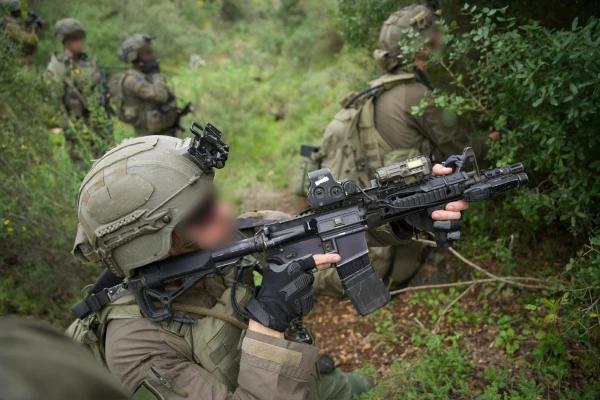
It said the report came as daily ceasefire violations by Hezbollah continued, and it quoted IDF Chief of Staff, Lt.-Gen. Eyal Zamir, affirming that the military has not ceased fire on the frontline of the buffer zone and continues to “remove direct and indirect threats from the northern communities, dismantle terrorist infrastructure, locate and eliminate terrorists.”
The same report said Prime Minister Benjamin Netanyahu urged U.S. President Donald Trump to set a deadline of two to three weeks for the current negotiations with the Lebanese government, and to allow Israel to resume its original plans for the campaign against Hezbollah if they fail to produce significant results.
It also quoted Trump telling Axios on Wednesday, “I told Netanyahu he has got to do it more surgically. Not knock down buildings. He can't do it. It is too terrible and makes Israel look bad,” and it said Trump emphasized that Hezbollah would be “automatically” taken care of once its Iranian patrons get “taken out.”
On the Lebanese side, مونت كارلو الدولية described a political confrontation between President Joseph Aoun and Parliament Speaker Nabih Berri, saying Aoun insists that reviving the 1993 armistice agreement is the way out, while Berri rejects any direct negotiations in a stance identical to Hezbollah.
It said the failure to hold a meeting between Aoun and Berri, joined by Prime Minister Nouaf Salam, reflected their divergence, and it reported that Berri would not visit the Lebanese president before a ceasefire and would not abandon his rejection of any direct negotiations with Israel.
Meanwhile, Türkiye Today reported that Rodolphe Haykal met U.S. Gen. Joseph Clearfield about “the security situation in Lebanon, regional developments, and ways to maximise the effectiveness of the committee and enhance its operations,” tying the immediate next steps to monitoring structures.
More on Lebanon

Gold Slips as Oil Prices Rise, Keeping Interest Rates Elevated in Lebanon-Linked Tensions
17 sources compared

US Pushes Joseph Aoun To Meet Benjamin Netanyahu As Hezbollah Rejects Israel Talks
18 sources compared
Israel Strikes Southern Lebanon Despite Ceasefire, Hezbollah Attacks Qantara
26 sources compared
RFI Traces Gaza War History From UN Partition Vote on November 29, 1947
10 sources compared