Israel Strikes Southern Lebanon Despite Ceasefire, Hezbollah Attacks Qantara
Key Takeaways
- Israeli airstrikes hit southern Lebanon amid a fragile ceasefire.
- Death toll from the strikes in southern Lebanon ranges into the dozens.
- Hezbollah rejects direct negotiations with Israel as fighting continues.
Ceasefire, but strikes continue
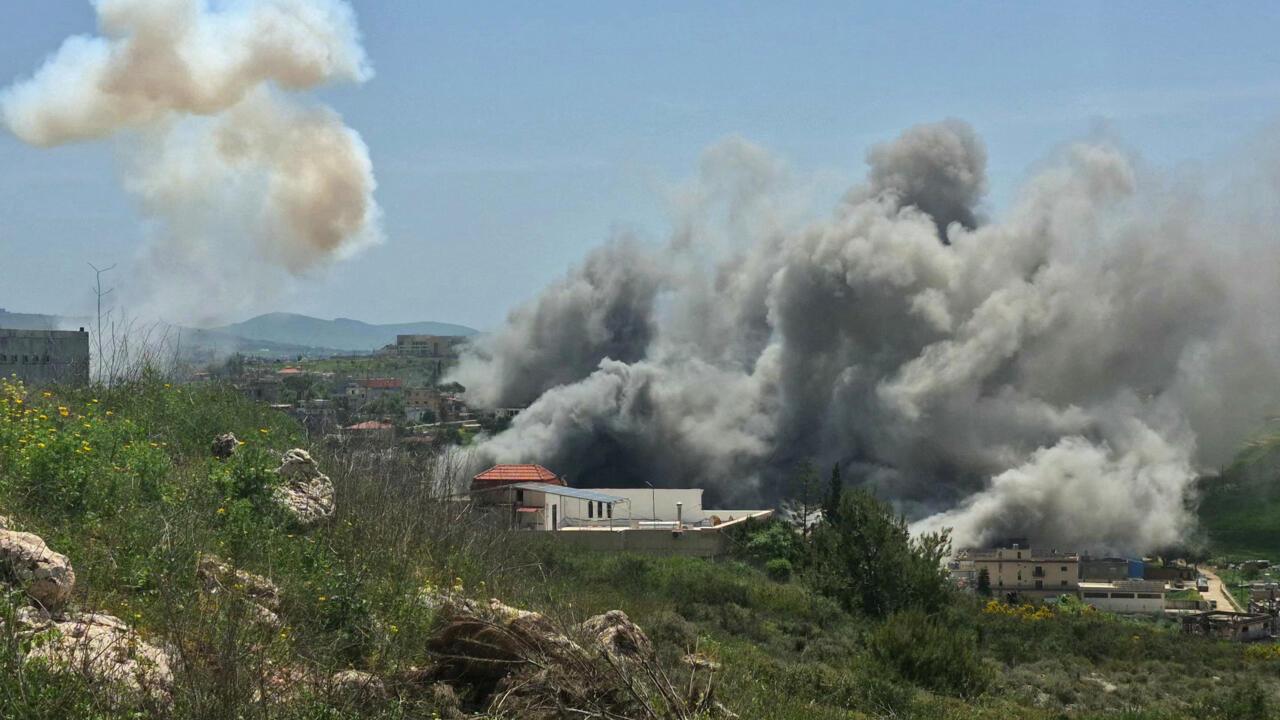
Israel and Hezbollah continued to strike each other in Lebanon despite a declared ceasefire, with both sides issuing statements on Saturday.
“en EnglishUnited States Deutsch English Español Français Italiano العربية All languages Afrikaans azərbaycan bosanski català Čeština Cymraeg Dansk Deutsch eesti EnglishUnited Kingdom EspañolEspaña EspañolLatinoamérica euskara Filipino FrançaisCanada FrançaisFrance Gaeilge galego Hrvatski Indonesia isiZulu íslenska Italiano Kiswahili latviešu lietuvių magyar Melayu Nederlands norsk o‘zbek polski PortuguêsBrasil PortuguêsPortugal română shqip Slovenčina slovenščina srpski (latinica) Suomi Svenska Tiếng Việt Türkçe Ελληνικά беларуская български кыргызча қазақ тілі македонски монгол Русский српски Українська ქართული հայերեն עברית اردو العربية فارسی አማርኛ नेपाली मराठी हिन्दी অসমীয়া বাংলা ਪੰਜਾਬੀ ગુજરાતી ଓଡ଼ିଆ தமிழ் తెలుగు ಕನ್ನಡ മലയാളം සිංහල ไทย ລາວ မြန်မာ ខ្មែរ 한국어 日本語 简体中文 繁體中文 繁體中文香港 Sign in Sign in”
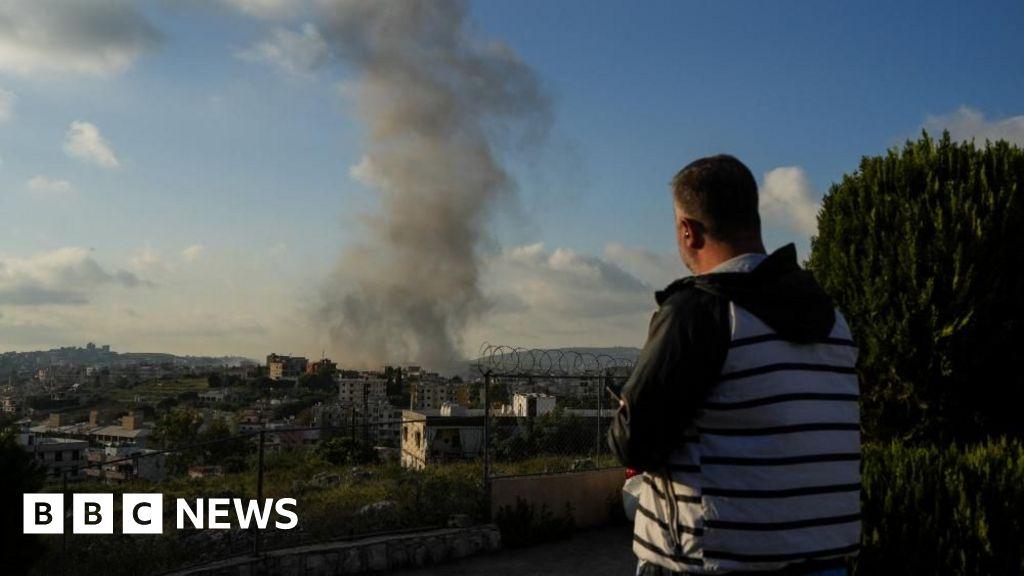
The Israel Defense Forces said it struck “approximately 70 military structures and approximately 50 Hezbollah infrastructure sites” in several areas, while Hezbollah said it attacked an Israeli cluster in the south Lebanese town on Qantara.
The clashes persisted even as a ceasefire brokered by Washington between Israel and the Lebanese government remained in place, according to the report that “Clashes have steadily continued between the two sides despite a ceasefire brokered by Washington between Israel and the Lebanese government.”
The Lebanese Ministry of Health reported that “at least 2,659 people have died in Lebanon and over 8,000 have been injured since Israel and Hezbollah began fighting in March.”
Israeli Prime Minister Benjamin Netanyahu said, “Our freedom of action to thwart threats – immediate threats and emerging threats – is part of the agreement we made with the United States and also with the Lebanese government.”
In parallel, the BBC described the fighting as continuing “despite an ongoing three-week ceasefire extension,” and it said the Lebanese health ministry reported “At least 13 people, including four women and a child, have been killed in Israeli air strikes on southern Lebanon.”
The BBC also reported that “On Saturday, Iran-backed group Hezbollah said it had targeted Israeli soldiers and military vehicles in Lebanon,” underscoring that both sides were still conducting operations across the border.
Yaroun convent bulldozed
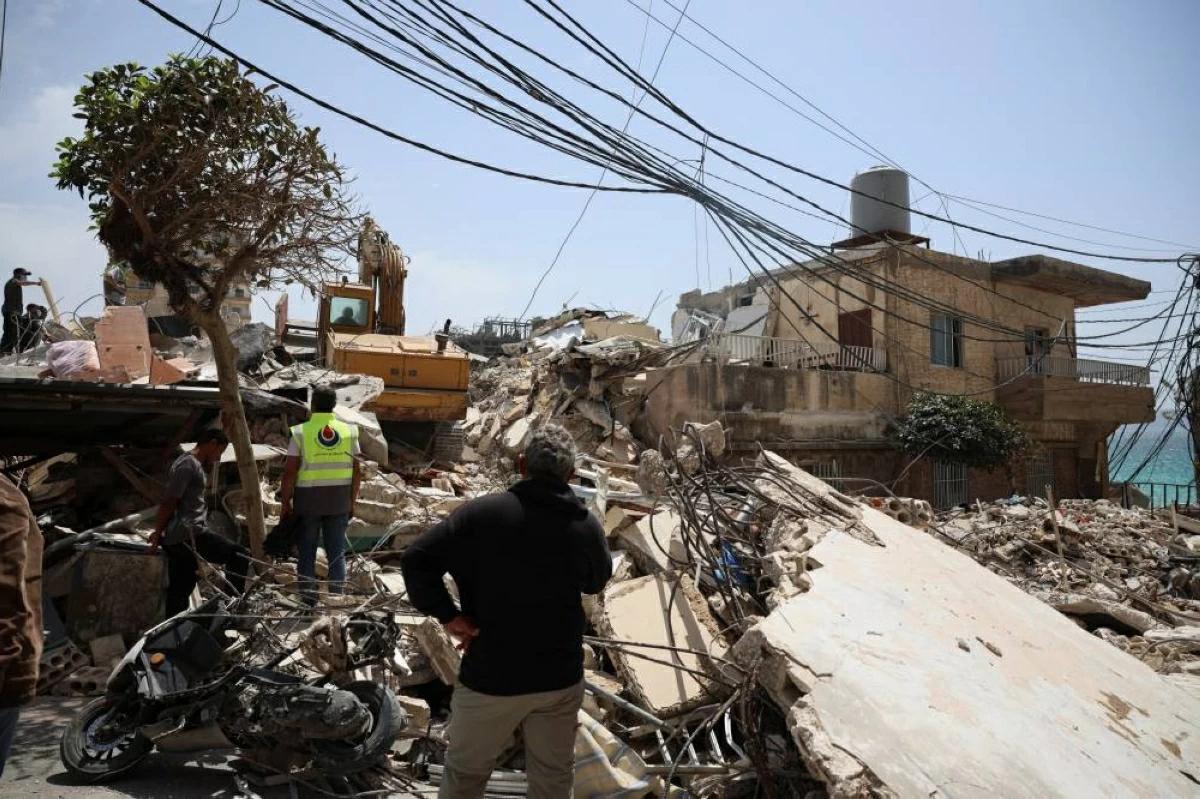
In southern Lebanon, Israeli airstrikes and ground demolition operations coincided with new evacuation warnings for residents of nine villages, according to CBC and the Associated Press reporting it carried.
In the border village of Yaroun, the Israeli military used bulldozers to destroy parts of a Catholic convent that had been empty because of the latest fighting, and Gladys Sabbagh, the superior general of the Basilian Salvatorian Sisters, said, “What we heard is that it was destroyed with bulldozers.”

Sabbagh told the Associated Press that the convent included a school that had been closed since the 2006 Israel-Hezbollah war, as well as a clinic that was recently moved to the nearby village of Rmeich, and she described the convent as “a small compound housing just two nuns who left because of the war.”
The Israeli Defence Forces said that as the army was destroying Hezbollah infrastructure in Yaroun, “a house that had no religious signs was damaged,” and it added that once soldiers knew it was linked to a church, they “prevented any further damage from being done.”
The military also said Hezbollah used the compound in the past to fire rockets toward Israel on several occasions and that it “does not strike religious institutions intentionally,” while the Catholic Church in Lebanon rejected the claim that the compound was used for military purposes.
Rev. Abdo Abou Kassm, director of the Catholic Center for Information, said, “We are against all practices against places of worship and churches. These are places to spread peace, love and education,” and he added, “These are not military bases.”
The same reporting connected the demolition to broader condemnation after images of an Israeli soldier wielding an axe against a fallen statue of Jesus on the cross in Debel, describing that the images “sparked widespread condemnation, in Lebanon and internationally.”
Evacuation orders and casualties
The reporting on Saturday’s fighting described a pattern of airstrikes across multiple southern Lebanese localities alongside evacuation warnings and casualty figures attributed to Lebanon’s health ministry and local media.
“Israel has launched multiple strikes across southern Lebanon, killing at least 10 people in further violations of the “ceasefire” declared two weeks ago”
The BBC said that “At least 13 people, including four women and a child, have been killed in Israeli air strikes on southern Lebanon, the Lebanese health ministry said,” and it specified that “Two women and a child were among eight killed in Haboush in Nabatieh district,” while “Four people, including two women, were killed in Zrarieh in Sidon district,” and “another person was killed in Ain Baal in Tyre district.”
It added that “In total, 32 people were injured on Friday,” and it reported that “Fighting between Israel and Hezbollah has continued despite an ongoing three-week ceasefire extension.”
Al Jazeera reported a higher total for the same day’s wave, saying “Israel has launched multiple strikes across southern Lebanon, killing at least 10 people in further violations of the “ceasefire” declared two weeks ago,” and that “the latest wave of attacks on Saturday increased the total recorded over the previous 24 hours to 41.”
Al Jazeera also said that “The overall death toll since March 2 is 2,659, with 8,183 injured,” and it described attacks in Nabatieh and Tyre districts including “an Israeli attack on the town of Shoukine in Nabatieh district” and “warplanes attacked the town of Siddiqine in Tyre district.”
The National News Agency was cited in Al Jazeera’s account for deaths in Kfar Dajjal and Lwaizeh, and the BBC described that the IDF issued evacuation orders for Haboush, linking the airstrikes to the areas under warning.
In parallel, CBC and the Associated Press reporting said Israeli airstrikes killed at least seven people in southern Lebanon on Saturday while the military bulldozed parts of the Yaroun convent, and it also mentioned that the Israeli military issued a new warning for residents of nine southern villages to evacuate.
Talks, pressure, and drones
Beyond battlefield reporting, the sources described diplomatic efforts and political pressure alongside the continued use of drones and rockets.
The BBC said Lebanon and Israel held their first direct talks in more than three decades, and it traced the ceasefire timeline: “A 10-day ceasefire declared in Washington went into effect on April 17,” with the ceasefire “later extended by three weeks,” and it reported that “A three-week extension to the ceasefire was announced by US President Donald Trump on 23 April.”
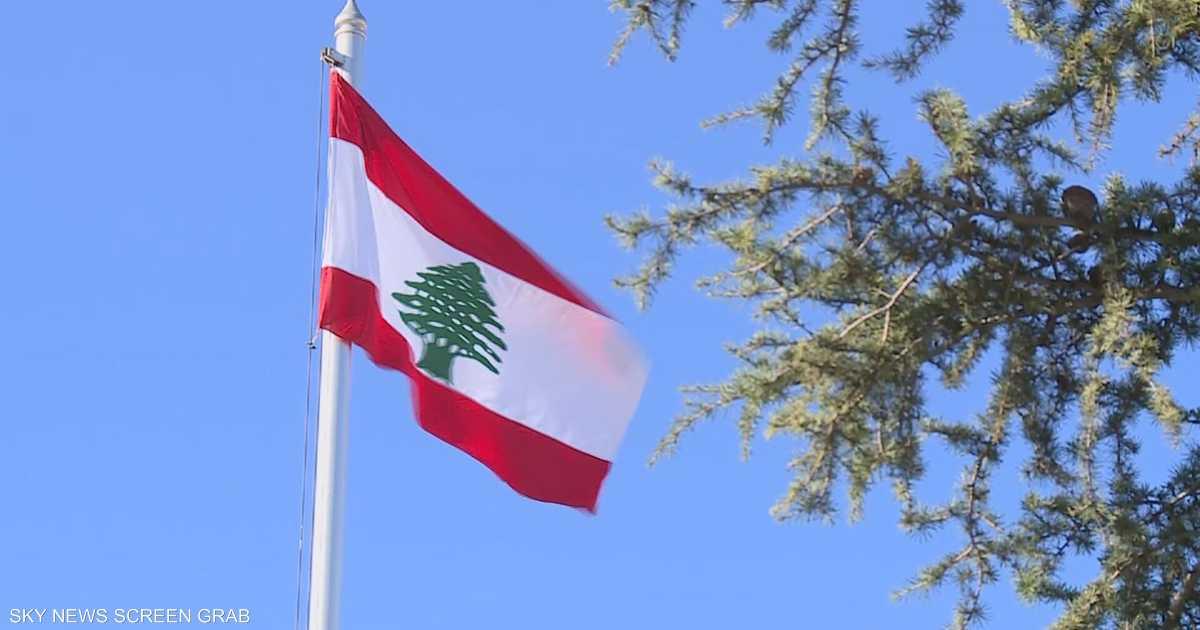
It also reported that the US embassy in Beirut suggested a meeting between Lebanon’s President Joseph Aoun and Israeli Prime Minister Benjamin Netanyahu, saying it would give Lebanon “the chance to secure concrete guarantees on full sovereignty, territorial integrity, secure borders, humanitarian and reconstruction support, and the complete restoration of Lebanese state authority over every inch of its territory,” and that this would be “guaranteed by the US.”
Al Jazeera’s Rory Challands said the ceasefire “exists in name only,” adding, “Essentially, it’s a diplomatic construct. The reality is that, certainly down in the south, the war continues, and, in fact, it is expanding,” while China’s envoy Fu Cong told reporters at the UN headquarters in New York that there is no real ceasefire in place, only a “lesser fire.”
Al Jazeera also reported that Jack Barton said Netanyahu is under “intense pressure from all quarters to abandon the ceasefire,” and he quoted that “The majority of the Israeli public is against it. The opposition is against the ceasefire.”
On the military side, Al Jazeera said Hezbollah pledged to continue attacks on Israeli forces inside Lebanese territory and described “artillery strikes on troops near Moussa Abbas complex in Bint Jbeil and the village of Hula,” while drones were used to attack soldiers in Biyyada.
It added that Hezbollah had been using “small drones controlled by fibre-optic cables to hit Israeli tanks,” and it described an attack drone hitting “a Humvee truck in the town of Taybeh and a Merkava tank in Rishaf.”
Humanitarian impact and Red Cross
The sources also described humanitarian and medical strain, including the targeting of Red Cross volunteers and the toll on health workers.
“Thirteen killed in Israeli strikes on southern Lebanon, health ministry says At least 13 people, including four women and a child, have been killed in Israeli air strikes on southern Lebanon, the Lebanese health ministry said”
NBC News reported that despite the war, residents continued to return to homes in southern Lebanon after being displaced for weeks, and it quoted Umm Ali Khodor saying, “We were displaced, we rented a house, but as you know the situation is very difficult,” and “We could not continue so we returned to our home.”

It described Jabal Aamel hospital in Tyre as “one of the few in the area that are still functioning,” with director Wael Mroueh saying many wounded they were treating were people who “initially fled but decided to return and take their chances in areas facing periodic bombardment,” and he said the dynamic was “different from all the previous wars.”
NBC also reported that the hospital had enough food and supplies to last for a month and was “relying on international organizations to maintain its supply chain,” while it detailed the killing of people in Habboush after an evacuation warning.
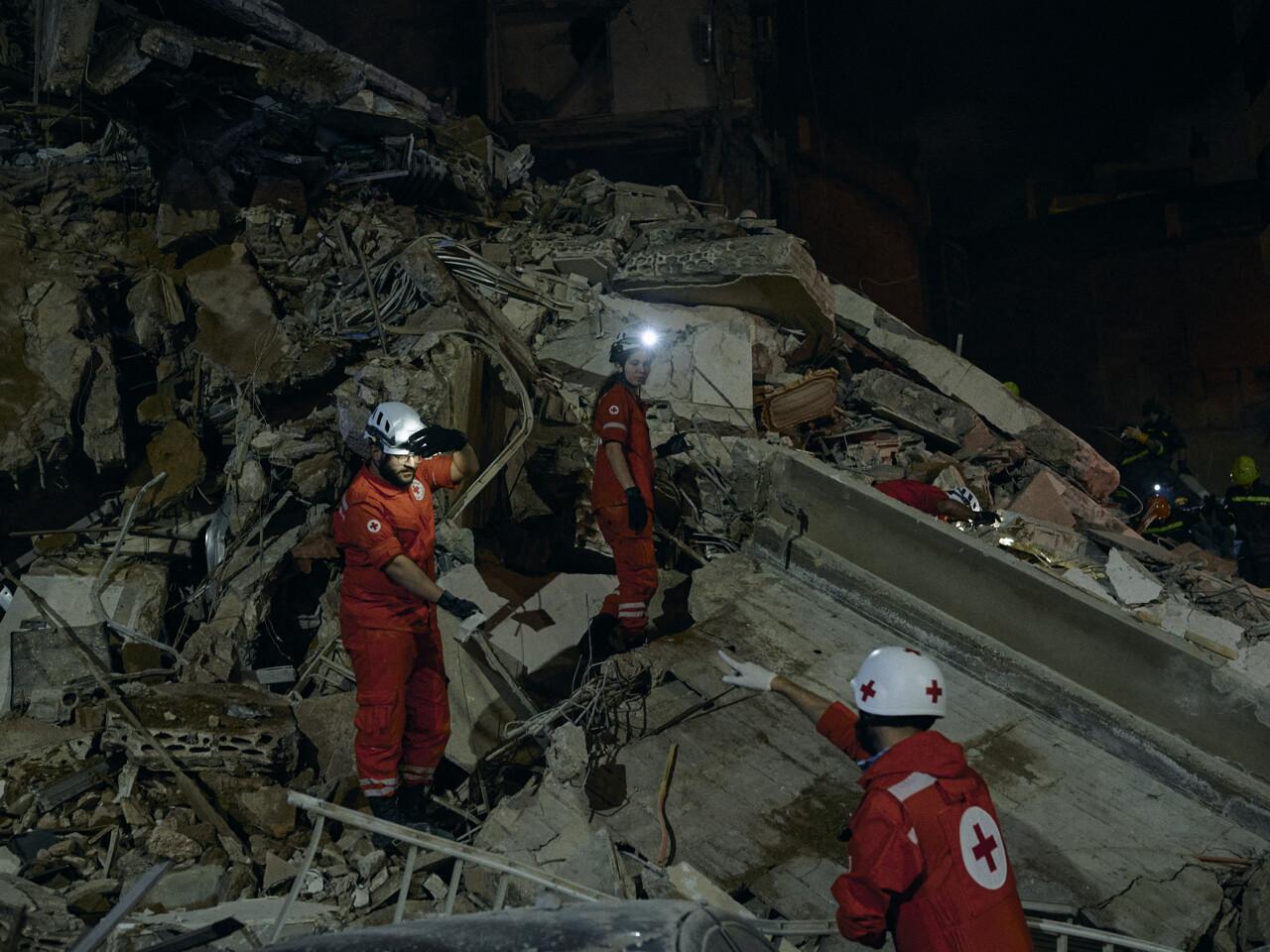
In the same broader humanitarian frame, NBC reported that a senior official with the International Federation of Red Cross and Red Crescent Societies condemned the targeting of Red Cross volunteers during the Israel-Hezbollah war, with IFRC Under Secretary General for National Society Development and Coordination Xavier Castellanos Mosquera saying that “two Lebanese Red Cross volunteers have been killed and 18 others wounded by Israeli strikes.”
Mosquera told the Associated Press that Red Cross volunteers in southern Lebanon described hugging each other before departing on a call “because they don’t know if they will return,” and he added that he had seen video showing “ambulances that were hit by bullets” while trying to rescue journalist Amal Khalil.
NBC said “More than 100 health workers in total have been killed in Lebanon during the war, according to the country’s health ministry,” and it noted that Israel has denied that it deliberately targets health facilities and emergency workers.
More on Lebanon

Gold Slips as Oil Prices Rise, Keeping Interest Rates Elevated in Lebanon-Linked Tensions
17 sources compared
US Pushes Joseph Aoun To Meet Benjamin Netanyahu As Hezbollah Rejects Israel Talks
18 sources compared
Israel Strikes Dozens of Hezbollah Targets Across Southern Lebanon Despite Ceasefire
30 sources compared
RFI Traces Gaza War History From UN Partition Vote on November 29, 1947
10 sources compared