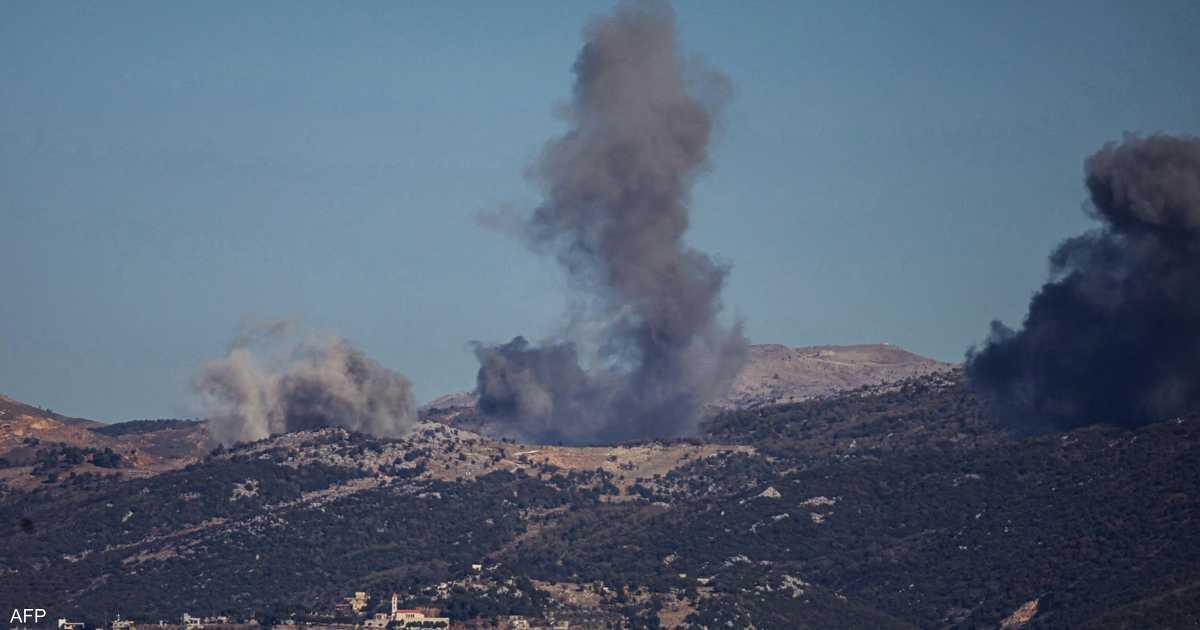
Israel Strikes Hezbollah Targets In Southern Lebanon After Ceasefire Extension
Key Takeaways
- Israeli airstrikes and artillery hit Hezbollah targets in southern Lebanon after ceasefire extension.
- Touline and Kherbet Selem were among the struck locations.
- Ceasefire extension announced earlier, attacks continued hours after.
Ceasefire, then strikes
Israel carried out airstrikes and artillery shelling in southern Lebanon hours after a ceasefire extension was announced, according to multiple reports that tied the renewed violence to alleged Hezbollah rocket and drone activity.
“Subscribe to our newsletter to receive the most important and top news of the day”
JNS.org said the Israel Defense Forces struck Hezbollah targets in two locales in Southern Lebanon “hours after terrorists had fired rockets into Israel from the area in violation of the April 16 ceasefire,” with the IDF saying the strikes were on Hezbollah military structures in “Kherbet Selem and Touline.”

JNS.org also reported that on Thursday night “air-raid sirens sounded in Moshav Shtula following launches from Lebanon,” and that the IDF intercepted the rockets and struck “the launcher used to fire them, along with an additional ready-to-launch launcher.”
In parallel, Yeni Safak English reported that “Israel strikes southern Lebanon hours after ceasefire extension,” describing warplanes and artillery targeting “Touline, Kherbet Selm, Majdal Zoun, and the Rihan heights.”
Bernama, citing Lebanon’s National News Agency, said Israeli warplanes struck “a house in the town of Touline in the Marjayoun district at dawn,” followed by artillery shelling, with additional airstrikes targeting “the town of Kherbet Selm.”
Al Jazeera’s framing differed in emphasis, saying Trump announced a three-week extension “even as Israel continued bombing the country on Friday,” and it reported that Lebanese media reported strikes and shelling on “the outskirts of Majdal Zoun, Touline, Kherbet Selem and the al-Rihan highlands.”
Across the accounts, the ceasefire extension was described as a short, fragile truce that did not stop attacks immediately after it was announced.
What the ceasefire extension meant
The ceasefire extension described in the reports was explicitly linked to ambassador-level talks at the White House and to a prior 10-day truce that began on April 16.
JNS.org said U.S. President Donald Trump announced that “Israel and Lebanon had agreed to extend the ceasefire between the two countries for three weeks,” following a meeting at the White House between Israeli Ambassador to the United States Yechiel Leiter and Lebanese Ambassador to the United States Nada Hamadeh Moawad.
JNS.org added that U.S. Vice President JD Vance told reporters in the Oval Office that the truce would be under the same terms as the “10-day ceasefire which the two countries agreed to on April 16.”
Al Jazeera similarly described Trump’s announcement as a three-week extension, saying it would “prolong a fragile 10-day truce agreed last week, pushing it into mid-May,” and it also described the talks as taking place while Israel continued strikes.
Bernama and Yeni Safak English both said the attacks came “hours after US President Donald Trump announced that a ceasefire between Israel and Lebanon had been extended by three weeks,” and both described the original US-brokered 10-day ceasefire as taking effect on April 16 and being set to expire on Sunday.
In the background of the diplomatic process, Al-Sharq said Washington was preparing to host anticipated talks between Lebanon and Israel on Thursday, with the extension “tops the Beirut government’s priorities,” and it described the second meeting as attended by Lebanon’s ambassador to the United States, Nada Hamada Mouawad, and Israeli Ambassador Yehiel Leter, with U.S. Secretary of State Marco Rubio in attendance at the U.S. State Department.
Al-Sharq also reported that sources close to the Lebanese presidency said the Lebanese ambassador would carry “two main demands,” including “extending the ceasefire for a period of 20 to 40 days” and “stopping the destruction of southern villages and towns.”
Reactions and stated positions
The reports presented sharply different rationales for the violence and different expectations for what the talks should produce.
“Israel struck Hezbollah targets in two locales in Southern Lebanon hours after terrorists had fired rockets into Israel from the area in violation of the April 16 ceasefire, the Israel Defense Forces said on Friday”
JNS.org quoted the IDF saying, “These actions constitute blatant violations of the ceasefire understandings,” and it described Hezbollah actions as “blatant violations” after rockets and an explosive UAV were launched toward Israeli soldiers operating south of the IDF’s forward defense line in Southern Lebanon.
JNS.org also said three Hezbollah terrorists were eliminated after an unsuccessful attempt to launch a surface-to-air missile toward an IAF aircraft, and it described the IDF’s account of the sequence of launches and interceptions.
Sky News Arabia quoted an Israeli army spokesperson for Arab-language media, Eila Wawiya, saying “the Israeli army conducted airstrikes on Hezbollah military buildings in southern Lebanon,” and it specified that the strikes targeted “military buildings in the areas of Khirbet Salm and Toulin.”
Wawiya also said the strikes came “in response to the rocket fire Hezbollah carried out toward the Shtula area on Thursday,” and she added that the army “will continue to act firmly against threats to the citizens of the State of Israel and its forces.”
On the diplomatic side, Al Jazeera reported that Hezbollah rejected the talks, and it quoted Lebanese Prime Minister Nawaf Salam telling The Washington Post that any deal would require a “full withdrawal” of Israeli forces from southern Lebanon, including from the so-called buffer zone.
Al-Sharq reported that during a phone call with the U.S. Secretary of State last week, Lebanese President Joseph Aoun said he does not want to speak with Israeli Prime Minister Benjamin Netanyahu under the current circumstances, and it said he was waiting for progress on Lebanon’s demands including “the withdrawal of the Israeli army from southern Lebanon, a ceasefire, the release of prisoners, and the return of the displaced to their villages.”
How outlets framed the same day
While the reports converged on the existence of a three-week extension and on Israeli strikes in multiple southern Lebanese towns, they differed in how they emphasized causality, the scope of casualties, and the diplomatic context.
Al Jazeera foregrounded the contradiction between the extension and continued violence, saying Trump announced the extension “even as Israel continued bombing the country on Friday,” and it described the talks as ongoing while Israel carried out “home demolitions and ground raids.”
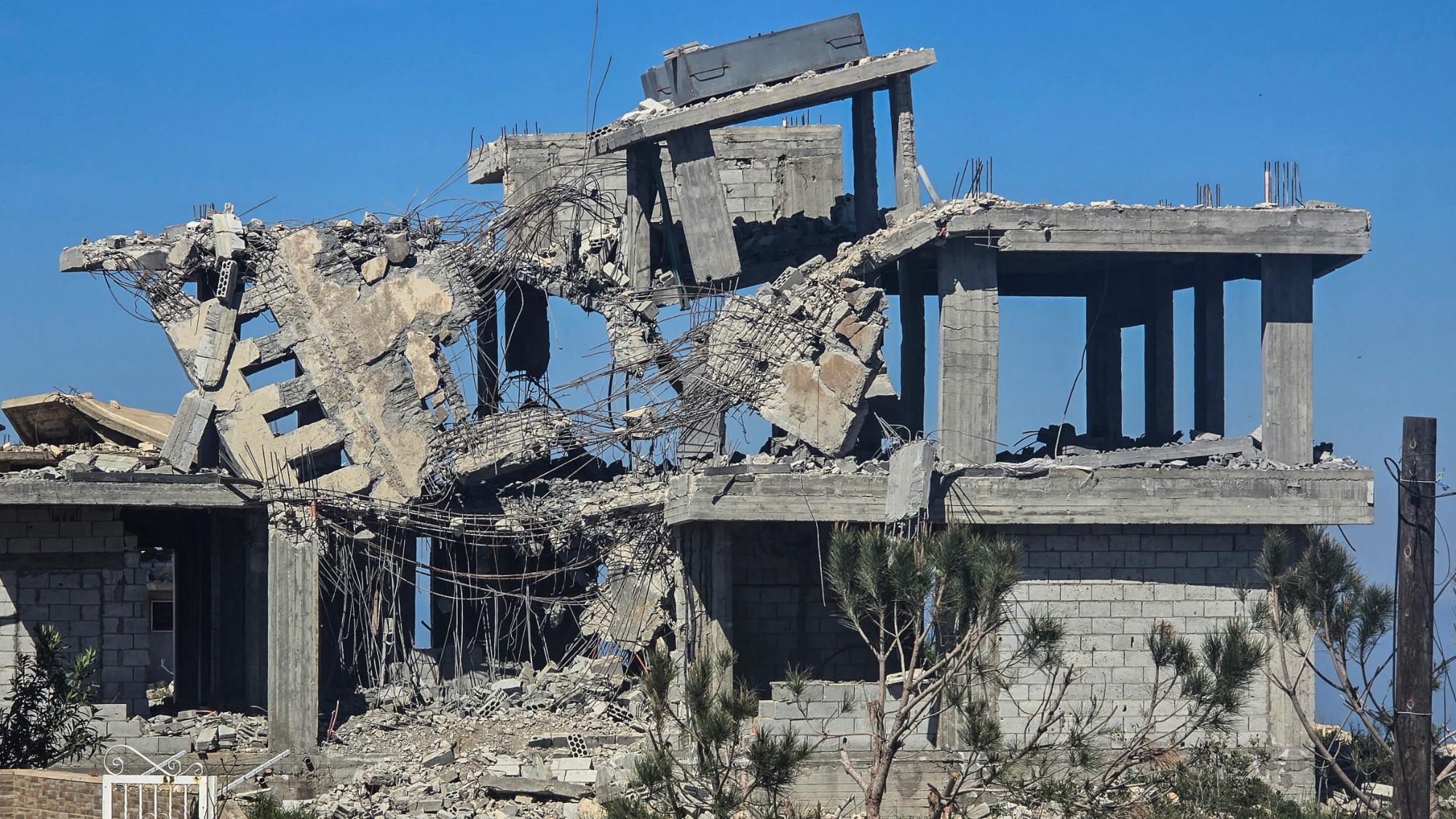
It also said the day’s strikes “killed seven people, including a journalist,” and it described Lebanese media reporting strikes and artillery shelling on “the outskirts of Majdal Zoun, Touline, Kherbet Selem and the al-Rihan highlands.”
Bernama and Yeni Safak English, by contrast, leaned on Lebanon’s National News Agency for the attack details and described the strikes as occurring “early Friday,” listing towns including “Touline,” “Kherbet Selm,” “Majdal Zoun,” and “Rihan heights.”
JNS.org centered the IDF’s justification, describing rockets fired into Israel in violation of the April 16 ceasefire and saying the IDF struck Hezbollah military structures in “Kherbet Selem and Touline,” while also describing interceptions and an unsuccessful surface-to-air missile attempt.
Sky News Arabia framed the strikes through the Israeli army spokesperson Eila Wawiya, explicitly linking the airstrikes to “Shtula rockets” and describing the targeted areas as “Khirbet Salm and Toulin.”
Al-Sharq shifted the focus to the diplomatic agenda, saying the extension “tops Lebanon's priorities in the upcoming talks with Israel,” and it reported the Lebanese ambassador’s “two main demands” of extending the ceasefire “for a period of 20 to 40 days” and stopping destruction of southern villages and towns.
Human toll and next steps
The reports also quantified the broader human toll of the renewed war and described what the next diplomatic steps might require, even as strikes continued.
“Israel strikes southern Lebanon hours after ceasefire extension Israeli warplanes and artillery targeted multiple towns in southern Lebanon early Friday, just hours after the US announced a three-week extension of the Israel-Lebanon ceasefire”
Bernama said that “Since March 2, expanded Israeli attacks on Lebanon have killed more than 2,200 people and displaced over 1 million, according to Lebanese authorities,” and it placed the attacks in the context of the ceasefire extension announced by Trump.
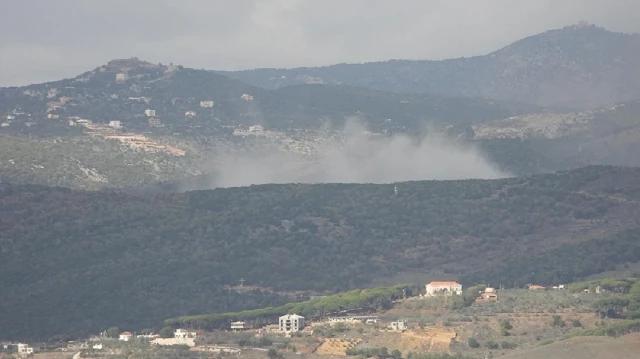
Yeni Safak English similarly stated that “More than 2,200 people have been killed since March 2,” and it reiterated that the original 10-day ceasefire “took effect on April 16” and was set to expire on Sunday.
Al Jazeera described the broader conflict as Israel resuming “a full-scale war on Lebanon on 2 March,” and it said Israeli forces had advanced “several kilometres into southern Lebanon,” while Israel declared a “buffer zone” extending “roughly 10km into Lebanese territory.”
Sky News Arabia provided a timeline for the conflict’s outbreak, saying “The latest war between Hezbollah and Israel broke out on March 2 after Hezbollah fired rockets at Israel in response to the killing of Iranian Supreme Leader Ayatollah Ali Khamenei on the first day of the U.S.-Israeli attack on Iran on February 28,” and it also said the two countries held a round of talks in Washington on “April 14.”
It added that “Two days after these talks, the United States announced a ten-day ceasefire,” and it stated that the war had led to “the deaths of more than 2,400 people in Lebanon and the displacement of more than a million.”
Looking ahead, Al-Sharq described the second round of direct negotiations and the U.S. role, saying the meeting would include Rubio and named advisers and ambassadors, while also reporting that the Lebanese ambassador would carry demands to extend the ceasefire “for a period of 20 to 40 days” and stop destruction of southern villages and towns.
More on Lebanon
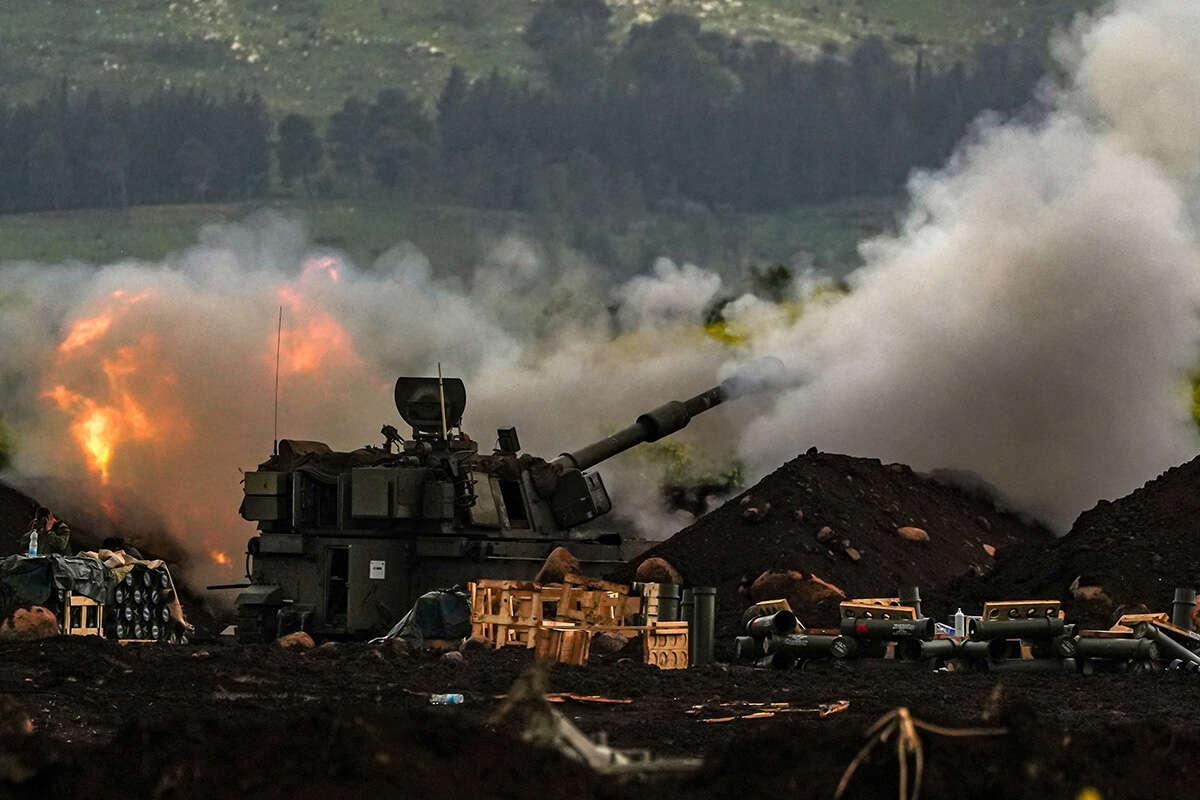
Trump Extends Israel-Hezbollah Ceasefire In Lebanon By Three Weeks
11 sources compared
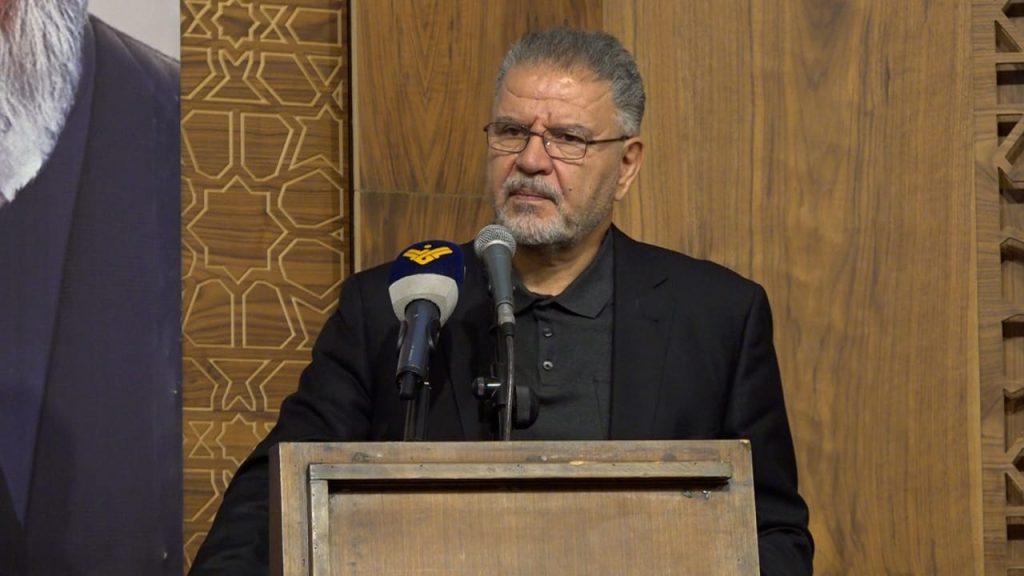
Trump Announces Three-Week Israel-Lebanon Ceasefire Extension After Hezbollah Dismisses It As Meaningless
11 sources compared

Trump Says Israel And Lebanon Extend Israel-Hezbollah Ceasefire By Three Weeks
18 sources compared
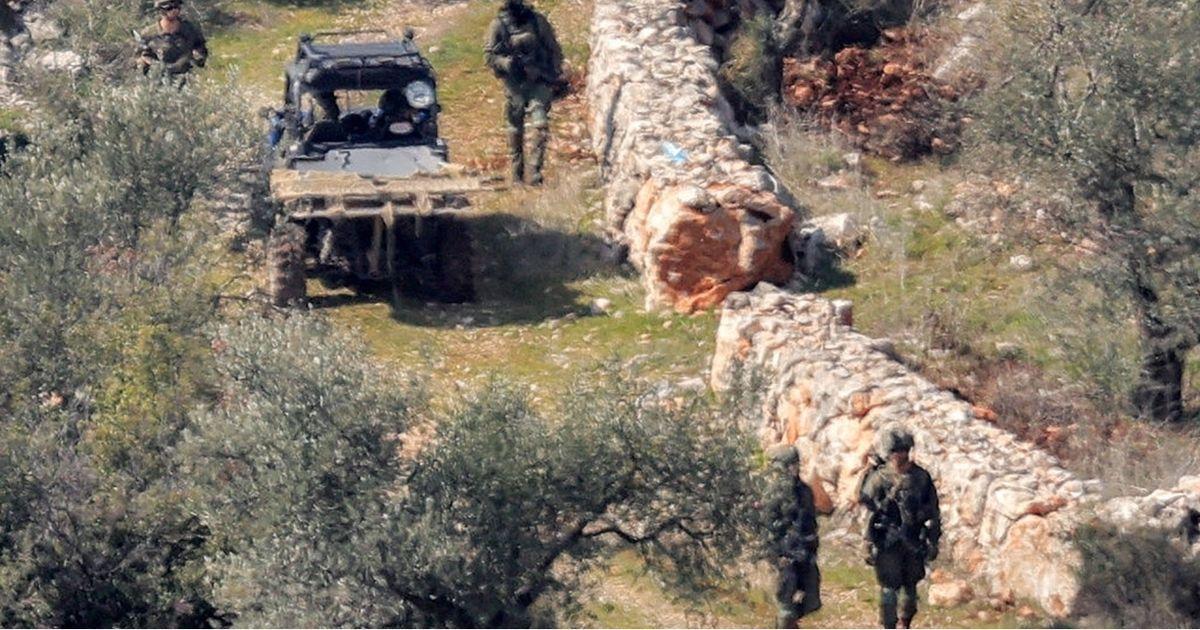
Hezbollah Drone Attack Injures Israeli Reservist as Israel Strikes Southern Lebanon
11 sources compared