
Israel Strikes South Pars Gas Field as Iran Vows Zero Restraint
Key Takeaways
- Israel strikes South Pars gas field; Iran warns zero restraint against further energy site attacks.
- Divergence emerges between U.S. and Israeli priorities on Iran strategy.
- Gulf energy infrastructure becomes flashpoint amid cross-border strikes and disruption risks.
Gas Field Strike
Israel launched a unilateral strike on Iran's South Pars gas field, the world's largest natural gas reserve and cornerstone of Iran's economy.
“Iran has warned it will show “zero restraint” if its energy facilities are attacked again, a day after Israel struck the South Pars gasfield and Tehran attacked energy sites across the Gulf”
The attack marked a significant escalation in the ongoing conflict, representing a strategic shift toward energy warfare.

The strike immediately triggered Iranian retaliation against energy infrastructure across the Gulf.
Israeli Prime Minister Benjamin Netanyahu emphasized that the operation required both air and ground components.
Netanyahu outlined core objectives of dismantling Iran's nuclear program and degrading its ballistic missile capabilities.
He also expressed ambitions to shape conditions for a future without the 'current regime.'
Netanyahu claimed with American allies they were 'reshaping the Middle East altogether.'
He asserted that Israel had never been stronger while Iran had never been weaker.
Iranian Retaliation
Following Israel's attack on South Pars, Iran vowed 'zero restraint' in its response.
Iran launched retaliatory strikes targeting energy infrastructure across the Gulf region.
Iranian officials described the Israeli actions as an unacceptable escalation.
They vowed the response would be met with proportional and decisive retaliation.
The conflict has evolved from targeting military and nuclear facilities to engaging in energy warfare.
Iran specifically targeted Gulf State infrastructure in response to the South Pars strike.
This escalation has created a dangerous new phase in the conflict.
Both sides demonstrate willingness to attack economic targets with global implications for energy markets.
US-Israel Divergence
Early signs of strategic divergence between the United States and Israel have emerged.
“War in theMiddle East Advertisement Supported by news analysis The United States views Iran through a prism of global responsibilities and strategic goals”
Revealing fundamental differences in their objectives and tolerance for escalation.
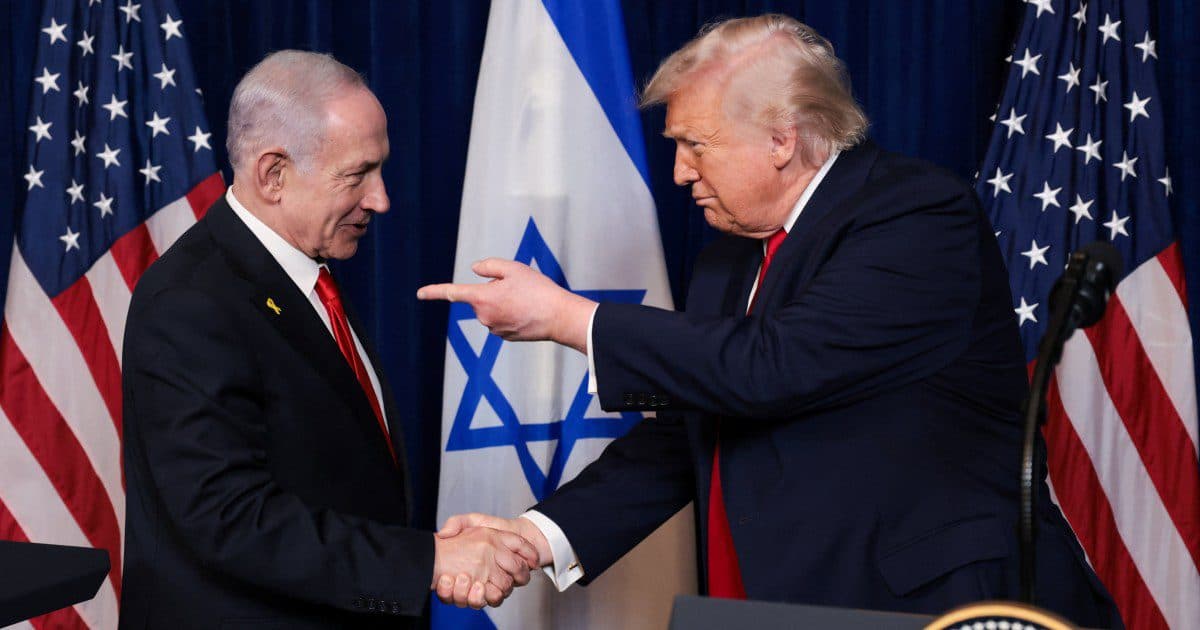
President Trump initially insisted the United States 'knew nothing about' the Israeli strike.
He later backtracked to admit he had warned Netanyahu against attacking the complex.
This public distancing highlighted diverging strategic priorities.
The global power United States cares about global energy supplies and Gulf allies.
Israel focuses on narrow security concerns regarding Iran's nuclear program and missiles.
Trump's comment 'I told him, 'Don't do that'' indicated tensions in US-Israel coordination.
Global Economic Impact
The Israeli strike on South Pars triggered severe global economic consequences.
Oil and gas prices have soared worldwide with markets experiencing significant volatility.
The attack supplies approximately 17 percent of global LNG capacity.
Results in estimated annual losses near $20 billion.
Causes an estimated 9 percent annual hit to Qatar's gross domestic product.
Supply disruptions create ripple effects across global energy markets.
Consumers and businesses worldwide face increased energy costs.
Gulf allies express concern about economic spillover effects.
Humanitarian Crisis
The escalating conflict has produced severe humanitarian consequences in Lebanon and Iraq.
“Iran has warned it will show “zero restraint” if its energy facilities are attacked again, a day after Israel struck the South Pars gasfield and Tehran attacked energy sites across the Gulf”
Death tolls are mounting with civilian populations facing increasing displacement.
Since Israeli attacks on Lebanon escalated on March 2, deaths surpassed 1,000 people.
At least 2,584 people have been wounded in Lebanon.
Residents in Machghara and Sahmar reported receiving threatening phone calls.
The calls urged evacuation, creating fear and uncertainty.
NATO's mission in Iraq has been fully relocated to Europe.
Last personnel from the non-combat force departed the country.
More on Iran
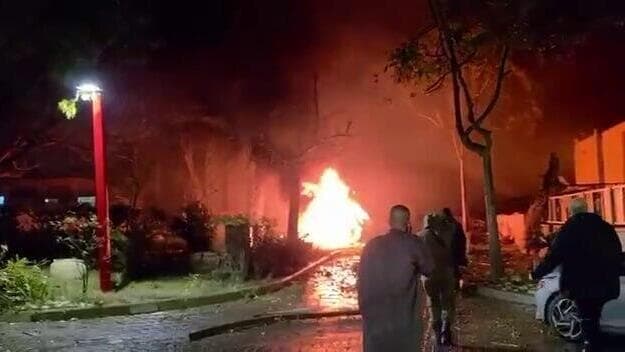
Iranian missiles strike Dimona and Arad, injuring over 100.
47 sources compared
Israel and U.S. Strike Natanz Nuclear Facility Again; Iran Blames Attack
69 sources compared

Iran Attacks Diego Garcia with Long-Range Missiles, Targeting U.S.-UK Base
82 sources compared
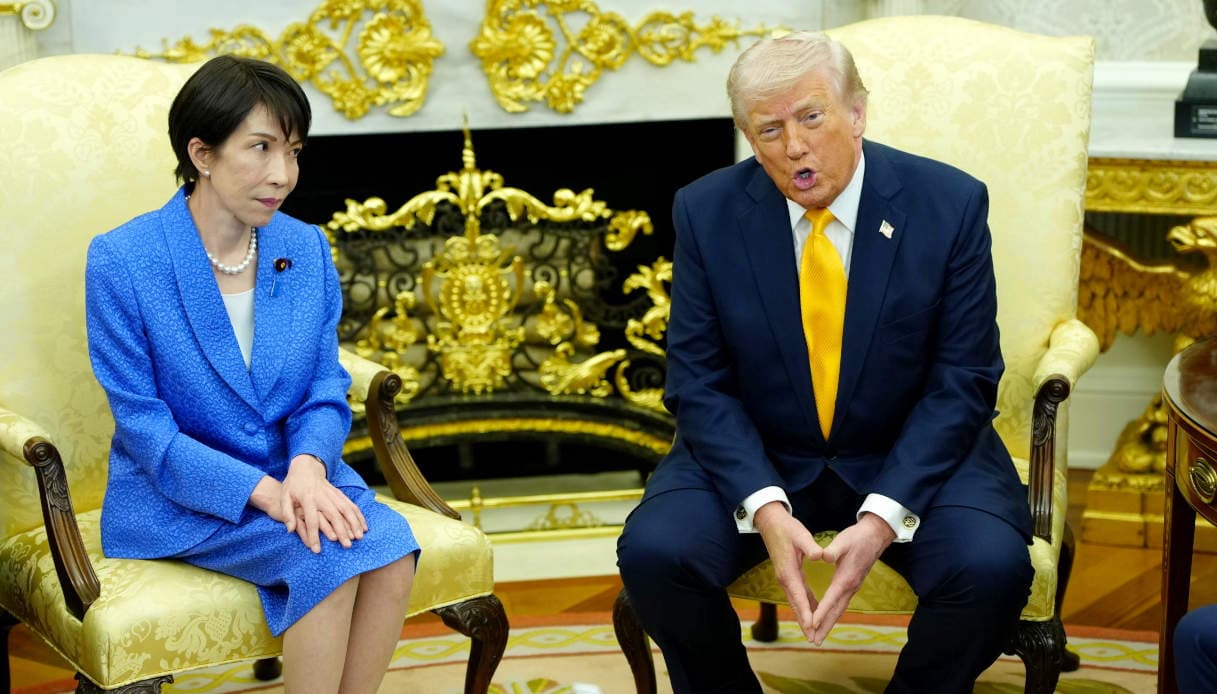
Trump Defends Iran War by Citing Pearl Harbor
12 sources compared