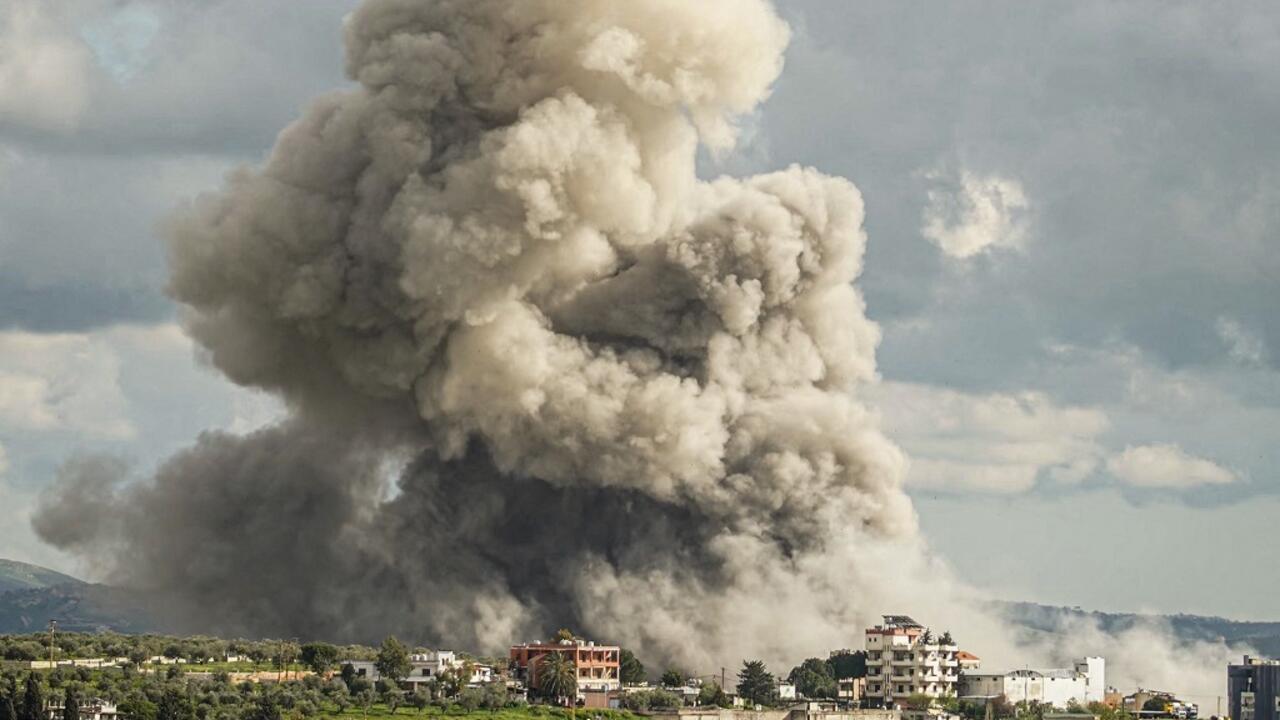
Israel Struck Elias Home in Qouzah After Hezbollah-Israel Fighting, BBC Verify Finds
Key Takeaways
- More than 50,000 housing units destroyed or damaged by Israeli strikes.
- Official tallies place around 62,000 housing units destroyed or damaged.
- Destruction continued after the ceasefire, including southern Lebanon demolitions.
Qouzah house flattened
A couple from southern Lebanon, Joe Elias and his wife Diana, said their home in Qouzah was flattened after renewed fighting between Hezbollah and Israel began in early March, and BBC Verify later matched their account to satellite imagery.
“- Published "It's a catastrophe”
Elias told the BBC, "It's a catastrophe... for all of us, not only my family, but every single family that lives in that town."
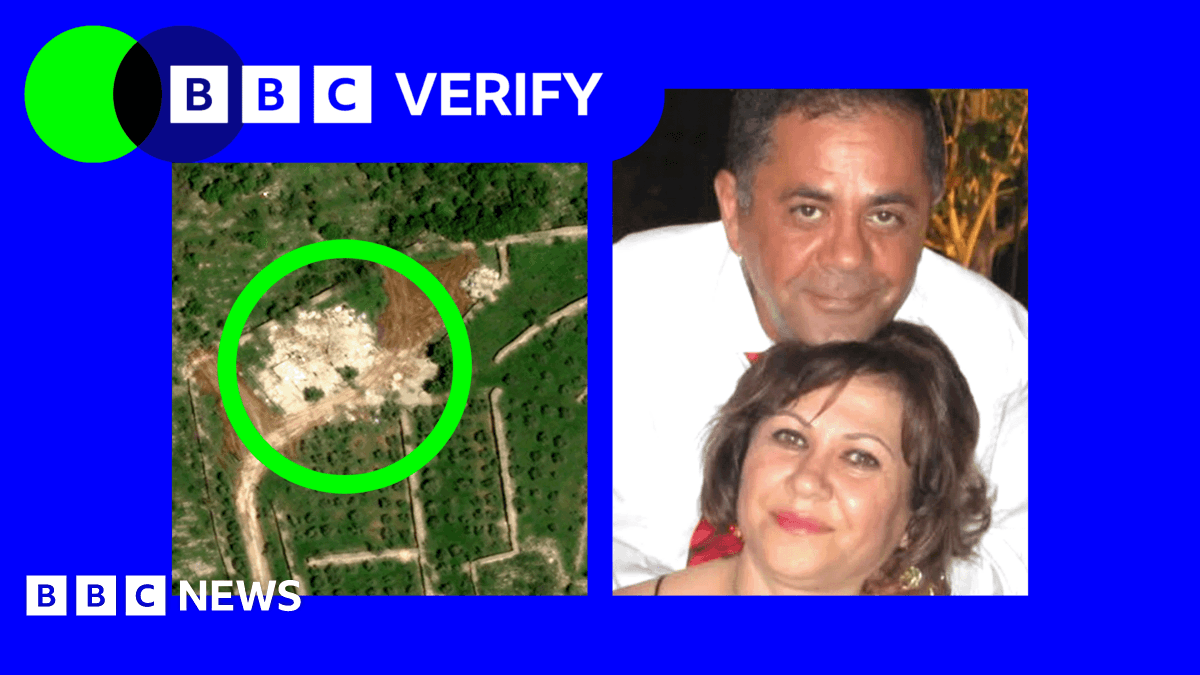
The BBC reported that when BBC Verify first reported that Qouzah was among several villages in southern Lebanon where buildings had been demolished after Israeli forces invaded, the Elias family got in touch.
Satellite imagery later obtained independently by both BBC Verify and the family showed the house they had built had been flattened and several of their olive trees destroyed.
The Israel Defense Forces (IDF) said "five anti-tank missiles were launched towards troops" from the coordinates of the Elias house on 6 March, injuring four soldiers, and it said it "struck several military targets" including Elias' home "to prevent further attacks against IDF troops".
BBC Verify analysis of satellite imagery showed controlled demolitions in at least 12 border villages and towns since the beginning of March.
Elias described Qouzah’s position, saying, "[The village] is strategically located 750 metres above the ocean" and "You can see 360 degrees all the way to Haifa in Israel."
The BBC also reported that more than 1.2 million people are estimated to have been displaced across Lebanon since 2 March, according to UN Office for the Coordination of Humanitarian Affairs (OCHA) figures.
Numbers of homes destroyed
Lebanese officials and researchers described the scale of housing damage and destruction in figures that varied by outlet but repeatedly pointed to tens of thousands of units destroyed and damaged over weeks of fighting.
AFP, as carried by Khmer Times, quoted Chadi Abdallah, head of the National Council for Scientific Research (CNRS), saying, "Within about 45 days, we had 17,756 destroyed housing units and 32,668 damaged housing units."

Khmer Times also reported that Israeli strikes have killed more than 2,400 people and displaced more than a million since Iran-backed Hezbollah drew the country into the conflict on March 2.
The same AFP report said the CNRS estimated that 428 housing units were destroyed and 50 damaged during the first three days of the ceasefire, and it added that Lebanon is expected to request a truce extension during talks with Israel on Thursday.
Al Jazeera net and other outlets also cited the CNRS tally of more than 62,000 housing units damaged or destroyed during six weeks of war, with Dr. Shadi Abdullah saying that within 45 days of the war, "21,700 housing units were completely destroyed" and "40,500 more were damaged."
The Cities and الجزيرة نت both reported that the CNRS estimated "428 housing units were destroyed and 50 housing units damaged during three days of the ceasefire."
Environment Minister Tamara Al-Zein was quoted by multiple outlets describing broader impact, including that "more than 220,000 housing units were damaged or destroyed" during the aggression spanning 2023 to 2025.
While the BBC focused on Qouzah and displacement, the housing figures from CNRS and ministerial statements provided a broader national picture of what the sources described as demolition and damage across southern Lebanon and border areas.
Ceasefire demolitions continue
Multiple reports described demolitions continuing even after a ceasefire, and they linked the issue to upcoming negotiations in Washington.
“Lebanon to confront Israel over demolition of homes in occupied areas since ceasefire Lebanese officials plan to raise the issue of widespread demolitions at a new round of talks Thursday in Washington In areas of southern Lebanon it has occupied since agreeing last week to a ceasefire with Hezbollah, the Israeli army has been destroying homes it says were used as outposts by the Iran-backed militant group”
South China Morning Post reported that Lebanese officials planned to raise the issue of widespread demolitions at a new round of talks Thursday in Washington.
The same report said the demolitions were happening on such a wide scale that residents, Lebanese officials and UN peacekeepers were increasingly worried that large numbers of people displaced by the latest war would have nowhere to return if the fragile truce holds.
From a hill overlooking Beit Lif, about 4km north of Lebanon’s border with Israel, Associated Press journalists could see that the village had been almost entirely flattened, and resident Hassan Sweidan said, "They were demolishing it gradually until they reached the main square and now, as you can see, there are no more houses."
Khmer Times said that despite a 10-day truce that began on Friday, Lebanese authorities and eyewitnesses say Israeli forces continue to demolish homes in occupied southern towns.
الجزيرة نت reported that although a ceasefire between Hezbollah and Israel has been in effect since midnight last Thursday until next Friday, Israeli forces stationed in southern Lebanon continued demolition and blasting, and residents of dozens of border villages were barred from returning.
The Cities similarly said Lebanon will seek to extend the ceasefire for one month and halt Israeli blasting and demolition in the areas where it is operating, citing an official Lebanese source to AFP.
In the BBC’s account of Qouzah, the couple said they had not been able to return to their home since renewed fighting began in early March, and the BBC reported that neighbours told them they fled after Hezbollah entered the village, reinforcing how displacement and return were central to the dispute over demolitions.
Water infrastructure and threats
Beyond housing, Oxfam’s statement described damage to water and sewage facilities in Lebanon and compared it to patterns Oxfam said were seen in Gaza.
The القدس العربي report said Oxfam stated that its analysis indicates the Israeli army destroyed water and sewage facilities, including strikes near sites that were being rehabilitated after being destroyed or damaged in the last war.
Oxfam’s statement, as quoted in the article, said, "The Geneva Conventions prohibit targeting water facilities and other vital infrastructure needed for civilian survival," and it added that "using water deprivation as a weapon of war is illegal."
The report also said Oxfam expressed concern that the Israeli military plan to target water infrastructure, which it described as used during the genocide in Gaza, is now being applied in parts of Lebanon.
The same article said Oxfam and its partners are responsible for maintenance at 19 major water facilities that provide clean water to about 60,000 people, and it noted that six of these facilities were damaged by Israeli shelling last year.
It further said the intensity of attacks currently prevents Oxfam teams from reaching the sites safely, hindering assessment of the extent of the damage.
The القدس العربي report also described Israeli Defense Minister Yisrael Katz making threats in a televised statement, announcing the army’s intent to seize control over broad areas in southern Lebanon reaching as far as the Litani River.
In response to the aggression, the report said Hezbollah is attacking Israel with rockets and drones, targeting Israeli forces, sites, and military equipment in southern Lebanon and northern Israel.
Negotiations and long-term impact
As talks approached, multiple outlets framed the immediate diplomatic agenda around extending the ceasefire and stopping demolition and blasting, while other reporting emphasized longer-term consequences for southern Lebanon’s population and infrastructure.
“Politics | International Oxfam: Israel destroyed Lebanon's water infrastructure just as it did in Gaza March 25, 2026 Caption: Debris at the site of damage from an Israeli airstrike in Nabatieh, Lebanon, March 25, 2026 London: The international relief organization Oxfam said that Israel targeted water infrastructure in parts of Lebanon, just as it did in Gaza”
The الجزيرة نت report said Washington is hosting on Thursday a meeting between the ambassadors of Lebanon and Israel, following a meeting between them last week—the first between the two countries in decades—followed by the announcement by U.S. President Donald Trump of a cease-fire.
It also said an official Lebanese source told AFP that Lebanon will request extending the truce for one month and halting Israeli blasting and demolition in the areas where it is operating.
The Cities reported that Lebanon will seek to extend the ceasefire for one month and halt Israeli blasting and demolition, and it tied the housing figures to a broader environmental impact report presented at a press conference.
In parallel, مونت كارلو الدولية described what it called urban depopulation threatening coming generations, saying the devastation in southern Lebanon goes beyond the battlefield and redraws the geography.
That report cited the National Center for Scientific Research in Lebanon announcing that more than 62,000 housing units were damaged or destroyed during six weeks of escalated military confrontation, noting that about 21,700 units were completely destroyed and 40,500 units were partially damaged in around 45 days alone.
It also cited Environment Minister Tamara Al-Zein saying the total number of housing units damaged exceeded 220,000 since the start of the escalation between 2023 and 2025, and it described the pattern as a long-term destructive trajectory reshaping residential, social, and economic geography.
The BBC’s Qouzah account added a personal dimension to those stakes, with Elias saying his family had spent months repairing damage from the war triggered by the Hamas-led attack on Israel on 7 October 2023, before the renewed fighting flattened their home.
More on Lebanon
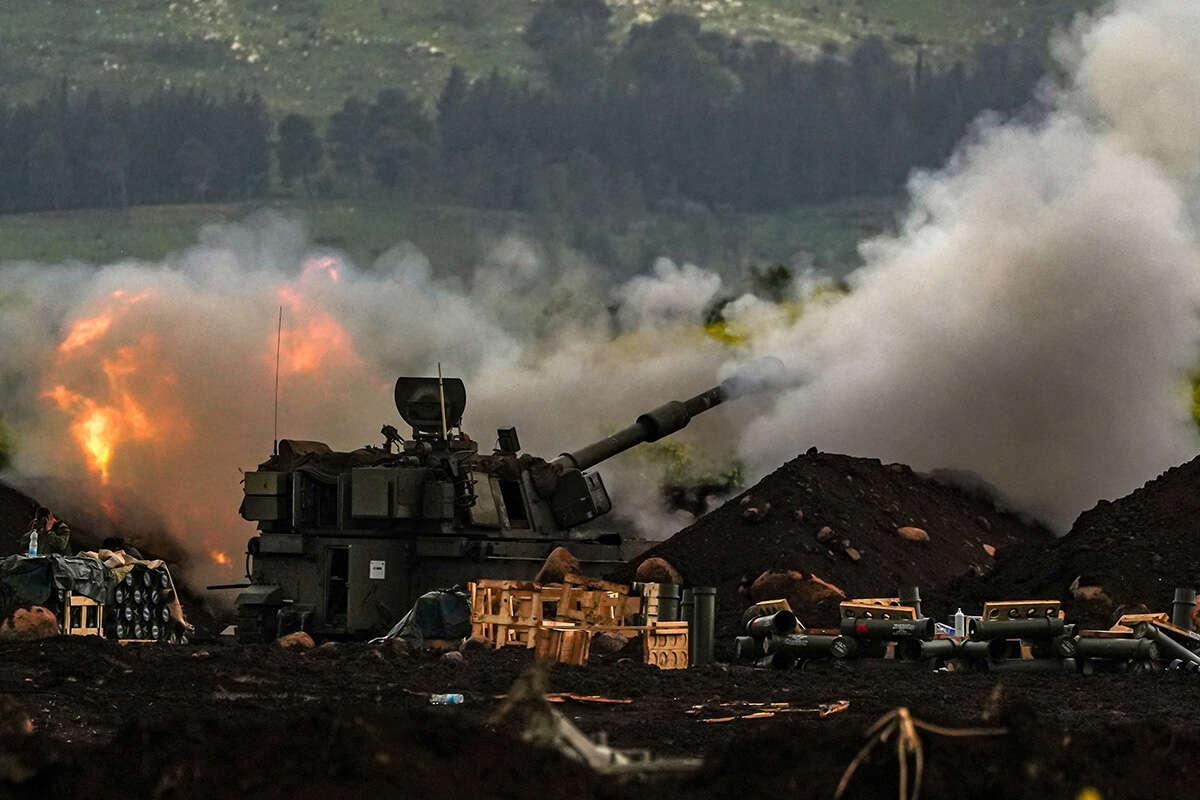
Trump Extends Israel-Hezbollah Ceasefire In Lebanon By Three Weeks
11 sources compared
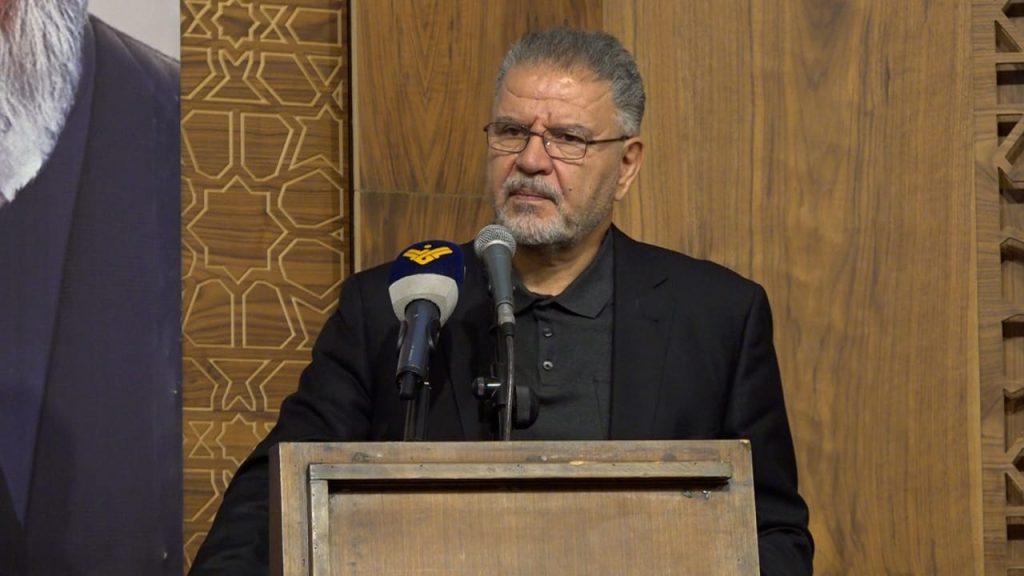
Trump Announces Three-Week Israel-Lebanon Ceasefire Extension After Hezbollah Dismisses It As Meaningless
11 sources compared

Trump Says Israel And Lebanon Extend Israel-Hezbollah Ceasefire By Three Weeks
18 sources compared

Hezbollah Drone Attack Injures Israeli Reservist as Israel Strikes Southern Lebanon
11 sources compared