Full story
Drone-linked strikes in Lebanon
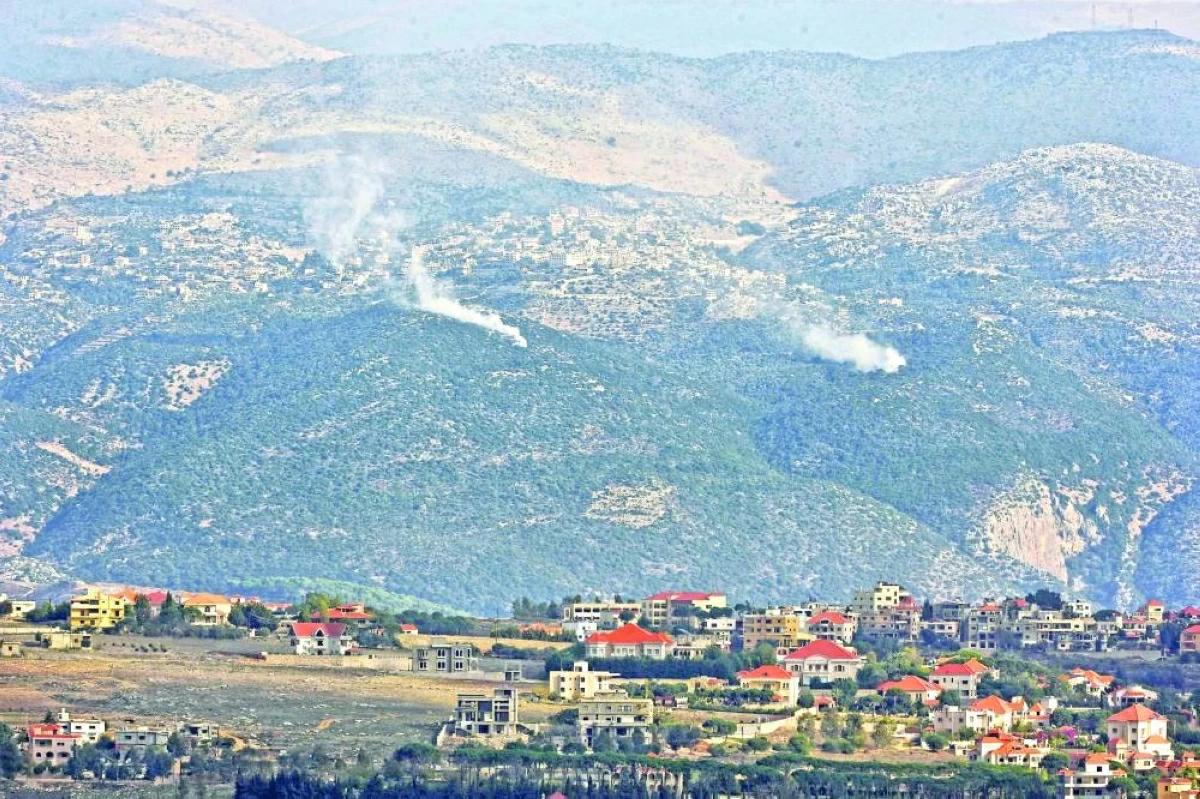
Israeli strikes killed a Lebanese woman and injured several other people in the town of Arab Salim in southern Lebanon’s Nabatieh district after Israel said attacks came after Hezbollah launched two drones at Israeli troops.
“after Hezbollah launched two drones at Israeli troops”
Al Jazeera also reported that several explosions rocked the southern Lebanese town of Mansouri after Israeli military drones dropped explosives in the area.

In a separate report, Boursorama said the Israeli army conducted strikes in southern Lebanon after Hezbollah launched a drone toward Israeli soldiers, killing three people and leaving 23 injured, citing Lebanon’s Health Ministry.
Boursorama added that among the injured were doctors, women, and children, and said Hezbollah did not immediately respond to a request for comment.
The same Boursorama report placed the wider toll in Lebanon at more than 4,300 people killed since March 2 by Israeli strikes.
Escalation and UNIFIL warning
Anadolu Ajansı described a regional escalation on Thursday in southern Lebanon marked by Israeli forces’ incursions into border areas, artillery shelling, military movements, and explosions, including an Israeli force penetrating the Haltā farm in the Hasbaya district and cordoning off several homes.
Anadolu Ajansı said the official Lebanese News Agency reported that Israeli forces prevented a number of residents from leaving their homes, while in the Tyre district it said the agency reported artillery shelling of the town of Al-Mansouri and the movement of Israeli vehicles and explosive-laden jugs toward the town.

ANF reported that Israeli forces pushed into the town of Kfarchouba in southern Lebanon this dawn, coinciding with air raids and artillery shelling targeting border areas, while UNIFIL confirmed the security situation in the south remains fragile.
ANF said UNIFIL noted a record of 1,030 projectiles fired between August 21 and 27 in southern Lebanon, adding that the security situation’s repercussions are directly impacting civilians in the area.
ANF stressed that all parties’ commitment to United Nations Security Council Resolution 1701 remains an urgent necessity to reduce current tensions and restore lasting stability between Lebanon and Israel.
Threats, red lines, and stakes
Ash-Sharq lil-Akhbar said Iran warned through an Omani intermediary that any Israeli attack on the strategic heights on Ali al-Taher Hill would be a “red line crossing,” with reports indicating the presence of IRGC and Hezbollah elements inside tunnel networks in the area.
“a message via Oman, that Israeli control of the strategic heights would constitute a red line crossing”
The same report said Israeli Defense Minister Yoav Gallant told reporters that “any Iranian attack on Israel would free us from all constraints,” adding: “We will strike all infrastructure, including energy infrastructure, and return Iran to the stone age and darkness.”
Ash-Sharq lil-Akhbar also said Prime Minister Benjamin Netanyahu told reporters he is convinced Israel can “eliminate the Iranian threat definitively and topple the regime that is fighting for its survival.”
Separately, Al-Manar TV Lebanon said an Al-Manar correspondent reported that Israeli assaults are ongoing, particularly along the Zawtar River, Dawhet Kfar Roumman, and around the Ali al-Taher hill.
Al-Yawm as-Sabʻ quoted Hezbollah Secretary-General Nassrallah Naeem saying, “any retreat means our annihilation,” and framed steadfastness as stopping the enemy’s momentum “no matter the cost.”