
Israel Warns Lebanon President Joseph Aoun’s Life Is At Risk From Israel Negotiations
Key Takeaways
- Israeli intelligence warns negotiations endanger President Joseph Aoun's life.
- Warnings come from Israeli security bodies, including intelligence and security committees.
- Lebanon-Israel negotiations are ongoing, drawing attention amid cross-border tensions with Hezbollah.
Aoun’s life flagged
Israeli officials told lawmakers that Lebanon’s President Joseph Aoun’s life is at risk because of negotiations with Israel, according to Channel 12 as cited by An-Nahar.
An-Nahar reports that the Israeli Foreign Affairs and Security Committee revealed a “danger threatening the life of Lebanese President Joseph Aoun due to negotiations with Israel,” and that Likud MK Boaz Bismut urged “the Israeli people to exercise caution in light of the expected developments.”
In the committee, an officer representing military intelligence gave a security briefing and members of the Knesset heard information about the situation on the Lebanese and Iranian fronts, An-Nahar says.
The report also states that the committee said “the negotiations that the Lebanese president is conducting with Israel endanger his life,” while it added that “Tehran has succeeded in regaining part of the Iranian ballistic missile system” and that “the Iranian Supreme Leader Mojtaba Khamenei is still alive.”
L’Orient Today similarly says the Israeli Intelligence Directorate presented a security review to Knesset members and that one of the main points, with censor approval, reads: “The negotiations that the Lebanese president is conducting with Israel are putting his life in danger.”
Caliber.Az frames the same warning as Israeli military intelligence warning of a “potential threat to the life ofJoseph Aounamid ongoing negotiations betweenLebanonandIsrael,” citing a report by Lebanese broadcaster MTV Lebanon.
Across the accounts, the warning is paired with Israeli messaging about Beirut attacks, with An-Nahar saying the committee said attacks “are not on the current agenda at the moment,” while L’Orient Today adds there is “authorization to attack against emerging threats.”
Palace response and context
Lebanon’s presidential palace in Beirut responded to the Israeli warning by saying the statements were being taken seriously but would not change the country’s political stance, Caliber.Az reports.
The same article says officials stressed that President Joseph Aoun would continue pursuing his current course despite what they described as threats and external pressure.

Caliber.Az also notes that no further details were provided about the nature of the alleged threat, leaving the warning without specifics beyond the link to ongoing talks.
L’Orient Today places the warning inside a broader negotiation timeline, saying Lebanon took part in two preliminary direct meetings with Israel while direct negotiations under Washington’s auspices were pending.
It adds that this process allowed the cease-fire with Israel to be extended by three weeks, after “more than a month and a half of conflict with Hezbollah,” and it describes Beirut’s negotiations as ongoing despite domestic opposition.
The article says the party “heavily objects” to the Lebanese government’s decision to hold direct talks with Israel, and it links that objection to the question of whether displaced people in the southern suburbs of Beirut can decide whether returning home is an option.
L’Orient Today also reports that the Israeli Intelligence Directorate told Knesset members that Israeli attacks in Beirut are “not on the agenda at the moment,” while still maintaining “authorization to attack against emerging threats.”
In parallel, An-Nahar says the committee discussed “the dismantling of Hezbollah” as “a long-term goal,” tying the security briefing to a longer strategic objective rather than only immediate battlefield actions.
Threats, counter-threats
Israeli and Hezbollah leaders exchanged hostile statements as the negotiations and cease-fire extension continued, with multiple outlets quoting the same confrontational language.
“Despite daily violations of the ceasefire by Hezbollah, which continued to attack Israeli soldiers and towns on Monday, the Israeli military has been noticeably hesitant to strike back hard, amid reports that the U”
Al Jazeera reports that Israel threatened to “burn” all of Lebanon after Hezbollah reiterated its defiance and rejection of peace talks, and it says Hezbollah leader Naim Qassem asserted that while “sacrifices are great”, the Lebanese people have two options: “Liberation and pride or occupation and humiliation.”
Al Jazeera also quotes Qassem saying, “We are continuing our defensive resistance for Lebanon and its people,” and adding, “We will not return to the pre-March [status quo]; we will respond to the Israeli aggression and confront it. No matter what the enemy threatens, we will not retreat, we will not bow down, we will not be defeated.”
On the Israeli side, Al Jazeera says Israeli Defence Minister Israel Katz retorted that defiance would bring catastrophic consequences and that Katz told United Nations envoy Jeanine Hennis-Plasschaert, “If the Lebanese government continues to take cover under the wing of the Hezbollah terrorist organisation, fire will break out and engulf the cedars of Lebanon.”
Daily Sabah similarly quotes Katz warning that “fire will burn the entire country,” and it includes Katz’s line that “Naim Qassem is playing with fire, and the fire will burn Hezbollah and all of Lebanon.”
Daily Sabah also reports Katz’s claim that the Lebanese government “continues to take cover” under the Hezbollah wing and that Israel and Netanyahu instructed the Israeli army “to respond with overwhelming fire against Hezbollah in the event of any damage, threat, or violation of Israeli sovereignty.”
In parallel, Kurdsistan24 says Netanyahu emphasized that “two central threats” remain—122mm rockets and unmanned aerial vehicles—and it frames those threats as justifying ongoing military operations in Lebanon despite a ceasefire agreement.
Together, the quotes show a pattern: Israeli officials link the continuation of operations to Hezbollah’s rockets and drones, while Hezbollah leaders reject direct talks and portray resistance as non-negotiable.
Cease-fire, strikes, and numbers
Despite the cease-fire framework, the sources describe continued exchanges of fire and ongoing military activity, with Lebanon’s health figures and displacement figures appearing in multiple places.
Daily Sabah says a 10-day ceasefire was declared between Lebanon and Israel on April 17, though Tel Aviv repeatedly violated it, and it adds that on Thursday U.S. President Donald Trump said Lebanon and Israel agreed to extend the truce by three weeks after a second round of talks in Washington.

It also states that Hezbollah has carried out a series of drone attacks targeting Israeli soldiers in southern Lebanon and northern Israel, citing Israel’s repeated violations of the truce.
Al Jazeera reports that “Despite the formal ceasefire, the Israeli army and Hezbollah have continued to trade fire,” and it says the Israeli military reported strikes on Hezbollah infrastructure sites in the Bekaa Valley in eastern Lebanon and attacks targeting Tibnin, Yater and Bint Jbeil in southern Lebanon.
Al Jazeera also says Hezbollah claimed attacks on Israeli forces within southern Lebanon, while the Israeli army said sirens sounded in the town of Arab al-Aramshe after an aircraft was reported to have entered northern Israel.
For casualties, Al Jazeera cites Lebanon’s Health Ministry saying Israeli attacks have killed 2,521 people since March 2, with a further 7,804 wounded.
Daily Sabah provides a different set of cumulative figures, saying “More than 2,500 people have been killed, over 7,750 injured and over 1.6 million displaced by Israeli attacks across Lebanon since March 2, according to Lebanese official figures.”
Kurdsistan24 adds that the escalation comes as Israel’s military intensified strikes across Lebanon, targeting what it described as Hezbollah infrastructure in the eastern Bekaa Valley and southern regions.
Taken together, the sources show a cease-fire that is extended but not stabilized, with both sides continuing to describe threats and attacks while citing large casualty and displacement totals.
Negotiations, treason, and fallout
The dispute over negotiations has become a domestic political clash in Lebanon, with Aoun defending direct talks and Hezbollah rejecting them as a “sin.”
“Israeli military intelligence has warned of a potential threat to the life ofJoseph Aounamid ongoing negotiations betweenLebanonandIsrael, according to areportby Lebanese broadcasterMTV Lebanon”
SBS Australia says Lebanese President Michel Aoun stressed that the goal of direct negotiations with Israel is to end the war, and it quotes Aoun telling a delegation from Hasbaya in southern Lebanon, “My goal is to reach an end to the state of war with Israel, similar to the 1949 Armistice Agreement signed by the two countries,” while adding, “I assure you I will not accept reaching a humiliating agreement.”
SBS Australia also quotes Aoun’s response to Hezbollah’s accusations, saying, “What we are doing is not treason; rather, treason is committed by those who take their country into war to serve foreign interests.”
It says Hezbollah Secretary-General Naim Qassem launched a campaign against the Lebanese authorities, accusing them of yielding to Israel, and it reports Qassem’s warning that the rejection of direct negotiations is a “serious sin” that could plunge the country into a spiral of instability.
SBS Australia quotes Qassem saying, “These direct negotiations and their outputs are as if they do not exist for us, and they do not concern us at all,” and it adds that Qassem said, “We will not renounce weapons.”
Al Jazeera similarly reports that Qassem demanded Lebanon end direct talks and reverse its decision that “criminalises the resistance,” and it quotes Qassem’s options language about “Liberation and pride or occupation and humiliation.”
On the Israeli side, All Israel News reports that Netanyahu acknowledged the task is incomplete and that threats remain, quoting Netanyahu’s statement that “There are still two major threats from Lebanon, from Hezbollah: The threat of 122mm rockets, and the threat of drones and UAVs.”
All Israel News also says Netanyahu told Trump on the phone that “The ceasefire is fragile. Hezbollah is doing everything it can to sabotage the talks between Israel and Lebanon,” and it reports Trump requested a “proportionate” response so as not to jeopardize negotiations with Iran.
The stakes, as the sources frame them, are immediate and political: Aoun insists the ceasefire is “a first and necessary step” for subsequent negotiations, while Israeli officials argue Lebanon must act against Hezbollah and warn that continued defiance could lead to catastrophic consequences.
More on Lebanon
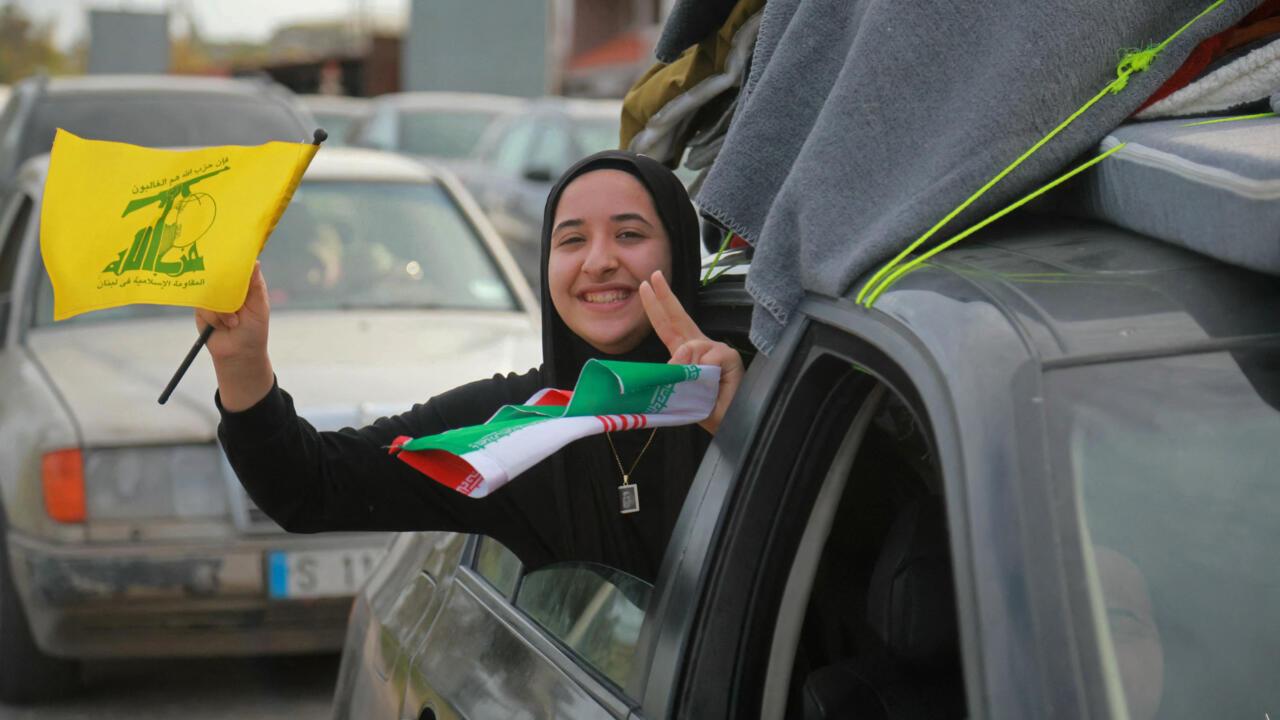
Hezbollah Lawmaker Ibrahim Al-Moussawi Says Joseph Aoun Remarks Would Be a Catastrophe
12 sources compared

Trump Tells Netanyahu To Limit Lebanon Strikes As Ceasefire Stalls
10 sources compared
UNICEF Warns Darfur Children Face Acute Crisis After April 2024 Violations
15 sources compared
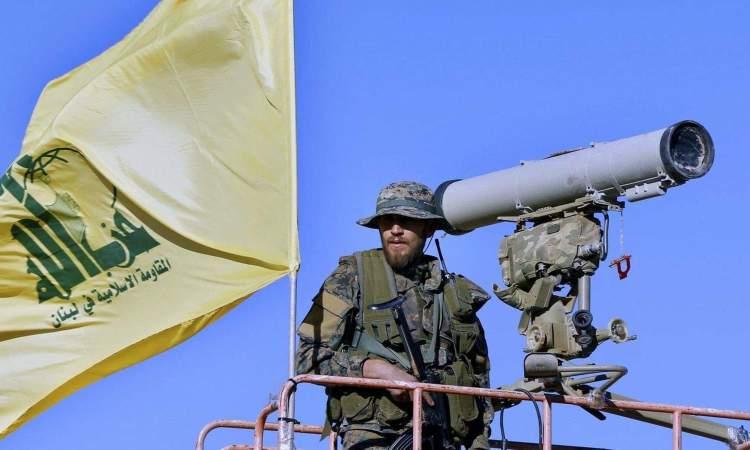
Hezbollah Fires Missiles and Drones, Striking Merkava Tanks in Al-Qantara and Kherbet Salam
14 sources compared