
Israel Won't Let Lebanese Displaced Return Until Its Own Citizens Are Safe
Key Takeaways
- Displaced Lebanese cannot return until Israeli safety near the border is guaranteed.
- Israel plans to expand its ground campaign in southern Lebanon.
- The situation follows escalation between Israel and Hezbollah amid broader regional tensions.
Displacement Policy
Israel has implemented a policy preventing displaced Lebanese citizens from returning to their homes until the safety of Israeli residents is guaranteed.
“Israel’s announcement on Monday of a ground campaign in new areas of southern Lebanon is fuelling fears of a prolonged occupation among hundreds of thousands of displaced Lebanese”
This has created a humanitarian crisis as over one million people have been forced to flee from their homes.
The Israeli Defense Minister Bezalel Smotrich explicitly linked the return of displaced Lebanese residents to the security of northern Israelis.
Smotrich stated that hundreds of thousands of Shi'ite residents evacuated from southern Lebanon and Beirut would not return to areas south of the Litani line until northern residents' safety is ensured.
This policy reflects Israel's new security doctrine that treats Arab civilian populations as a form of risk.
Professor Yagil Levy explained that Israel 'seizes territory and removes the population, thereby ensuring full freedom of action and reducing the risk of guerrilla operations emerging from villages.'
The displacement follows intense Israeli military operations that have killed more than 880 people in Lebanon according to Lebanese health ministry figures.
Military Expansion
Israeli military forces have expanded their ground operations in southern Lebanon, advancing toward strategic locations including the Litani River.
They describe the offensive as 'limited and targeted' despite its expanding scope.
The military has occupied five positions in southern Lebanon since a November 2024 ceasefire with Hezbollah.
Additional forces were sent into the country following Hezbollah rocket attacks on March 2.
Israeli military Chief Eyal Zamir stated that soldiers were conducting operations in 'new locations' with the objective of 'pushing the threat away from the border and ensuring long-term security for the residents of northern Israel.'
Over the weekend, Israeli troops encircled the key southern Lebanese town of Khiyam and advanced westward.
This move could leave large swathes of southern Lebanon under Israeli control.
The Israeli military has framed this ground offensive as a defensive effort to protect northern Israel from Hezbollah attacks.
Israel claims Hezbollah attacks have averaged at least 100 rockets and drones daily and reached as far as central Israel.
Humanitarian Crisis
The escalating conflict has created a severe humanitarian crisis in Lebanon.
“Israel’s announcement on Monday of a ground campaign in new areas of southern Lebanon is fuelling fears of a prolonged occupation among hundreds of thousands of displaced Lebanese”
International organizations are scrambling to address the massive displacement and casualties.
The United Nations launched a $308 million appeal to help Lebanon cope with the fallout of the war.
More than 130,000 displaced people are living in collective shelters across the country.
The humanitarian situation mirrors Israel's tactics in Gaza.
Finance Minister Smotrich warned that Beirut's southern suburbs could be reduced to something resembling Khan Younis in Gaza.
This was a reference to the widespread destruction caused during Israel's war with Hamas.
The international community has expressed growing concern.
Leaders from Canada, France, Germany, Italy and the UK warned that a large-scale Israeli ground operation in Lebanon would have 'devastating humanitarian consequences and could lead to a protracted conflict.'
Despite the blanket displacement order, Israeli forces have shown selectivity in their enforcement.
They allow certain border villages with large Christian populations to remain while forcing others to evacuate.
Strategic Objectives
Israel's military campaign in Lebanon appears strategically aimed at reshaping the balance of power before any potential diplomatic settlement.
Analysts suggest the advance into Lebanese territory may give Israel greater leverage in negotiations by establishing new facts on the ground.
Israeli Ambassador to the United Nations Danny Danon indicated that talks with Lebanon would eventually happen.
Danon said talks would only occur after Israel degrades Hezbollah's capability.
The conflict originated from Hezbollah's rocket attack on March 2.
The group said this was retaliation for the killing of Iran's supreme leader on February 28.
This occurred on the first day of the U.S.-Israeli war with Iran.
Israeli military Chief Zamir claimed that strikes on Iran are affecting Hezbollah's ability to arm and fund itself.
Zamir stated that more than 400 of the group's fighters have been killed since March 2.
Despite international calls for restraint, Israel continues to expand its operations.
Defense Minister Katz warned that the country could face territorial losses and damage to infrastructure unless Hezbollah is disarmed.
Katz suggested Hezbollah leader Naim Qassem could face a fate similar to his predecessor and Iran's supreme leader.
More on Lebanon
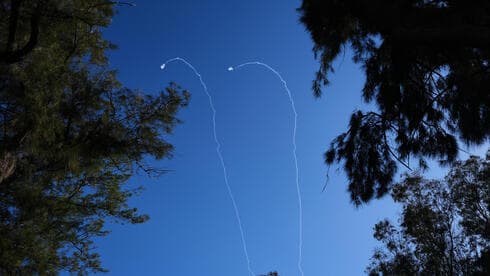
Israel begins its long-planned ground invasion of Lebanon
13 sources compared

Hezbollah Fires 200 Rockets at Israel From Lebanon
17 sources compared
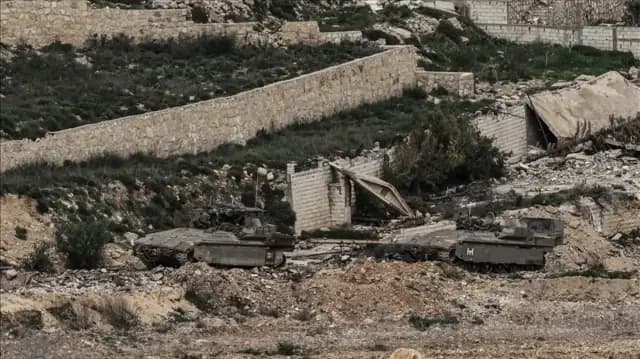
Israel Attacks Hezbollah Infrastructure in Beirut, Forcing Over 1 Million Lebanese to Flee
12 sources compared
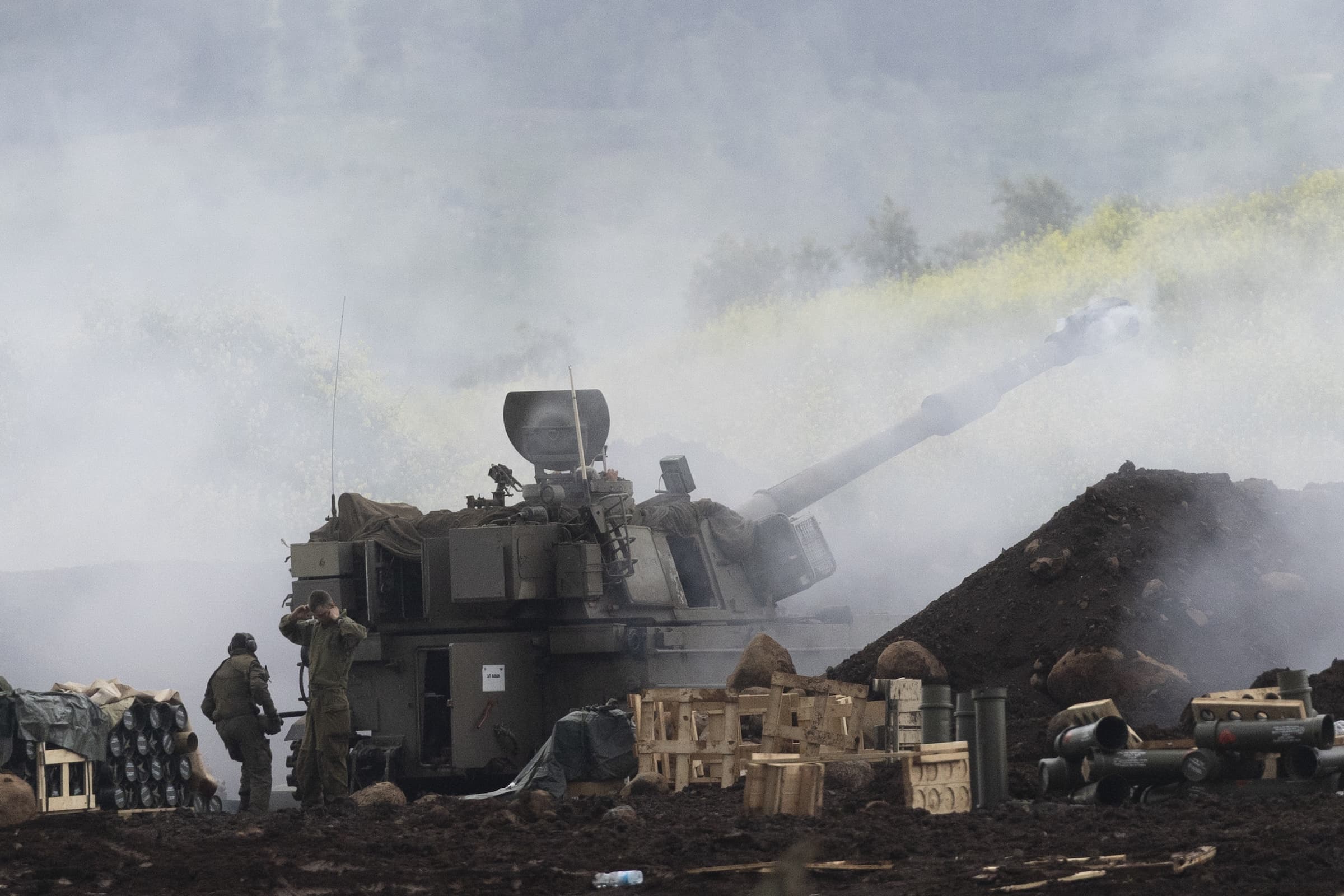
Israel Launches Ground Operation in Southern Lebanon to Target Hezbollah
10 sources compared