Israeli Air Strikes Kill 12 in Southern Lebanon as Netanyahu Urges Fight Against Hezbollah
Key Takeaways
- Israeli air strikes hit southern Lebanon, causing multiple fatalities.
- Lebanon's health ministry reported casualties as fighting persisted.
- Ceasefire talks continued amid ongoing Israeli strikes.
Strikes, calls, and casualties
Israeli air strikes in southern Lebanon killed 12 people on Wednesday, Lebanon's health ministry said, as Israeli Prime Minister Benjamin Netanyahu urged Lebanese citizens to join Israel's fight against Hezbollah.
France 24 reported that the southern border town of Kfarshuba said a municipal councillor and employee were released after Israel's army said it had "apprehended" two people who approached its soldiers.

The same France 24 report said the state-run National News Agency reported Israeli strikes on more than 30 locations in southern and eastern Lebanon on Wednesday, including on Tayr Debba and Deir Qanun al-Nahr.
In a separate account, the BBC said Israel launched strikes on the southern Lebanese city of Tyre after an Iranian warning to stop attacks, and that the Lebanese health ministry said 29 people had been killed in the country today.
The BBC also said that since the start of the conflict in March, a total of 3,666 people have now been killed in Lebanon.
Netanyahu’s message and ceasefire
Netanyahu’s appeal came as France 24 quoted him in a video statement telling the Lebanese people: "Israel is not at war with you. We are at war with Hezbollah, that has taken your country hostage... We yearn for peace with you, with Lebanon."
France 24 also said Hezbollah drew Lebanon into the Middle East war on March 2 with rocket fire at Israel in support of its backer Iran, and that the group rejected last week's conditional truce deal that stipulated a "complete cessation" of Hezbollah fire but did not mention a halt to Israeli strikes.

The BBC framed the same wider context by saying Israel continued its war against the Iranian-backed Hezbollah in Lebanon a day after Israel and Iran said they would pause strikes against each other.
In parallel, Naharnet said the U.S. supports the Lebanese demands in direct talks with Israel in Washington, citing a senior political source who told Nidaa al-Watan that the U.S. pressured Israel to retract a previously proposed draft declaration of intent.
Naharnet added that "Work is underway to finalize an implementation framework" to clear up remaining ambiguities and sticking points, paving the way for a comprehensive ceasefire before negotiations resume on June 22.
Negotiations, threats, and what’s at risk
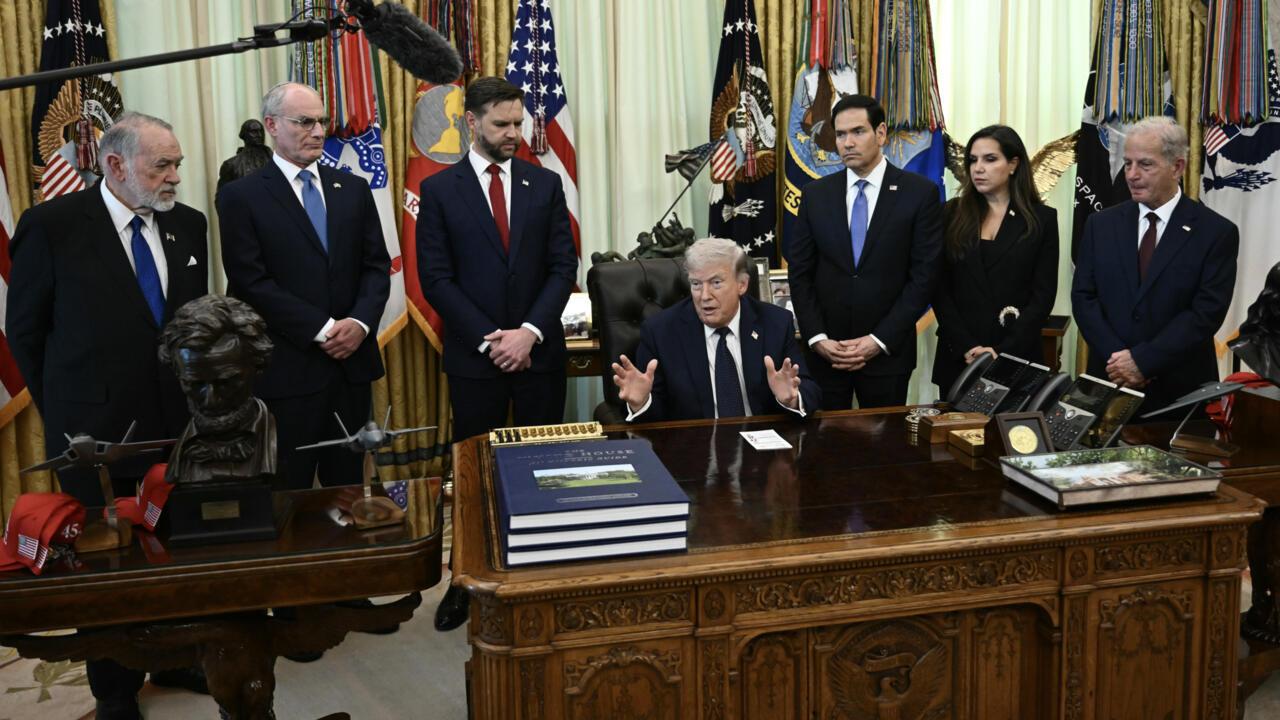
As diplomacy moved, Trump announced an extension of the ceasefire between Israel and Hezbollah in Lebanon for three weeks, saying on Thursday that the meeting "went very well" and expressing hope of reaching a peace agreement this year.
The Mont Carlo International report said Lebanese President Joseph Aoun wanted Beirut's demands during the meeting "to extend the ceasefire... to stop the destruction of homes and attacks on civilians and places of worship and on journalists and the medical and educational sectors."
Meanwhile, NHK News said Tehran halted peace talks over Lebanon, with Tasnim News Agency reporting that Iranian negotiators announced a suspension of contact through intermediaries due to the current situation while continuing to demand a ceasefire in Lebanon before resuming talks with the United States.
NHK News also quoted Iranian Foreign Ministry spokesperson Ismail Baghaei condemning Israeli attacks in Lebanon as a "clear and explicit" violation of the ceasefire, while Netanyahu said he was "intensifying our field operations in southern Lebanon, eradicating Hezbollah strongholds."
In the same NHK News account, President Donald Trump posted that he had a "very productive phone call" with Netanyahu and said no forces would be sent to Beirut, while also saying talks with Iran were moving forward quickly.
More on Lebanon

Netanyahu Urges Lebanese To Join Israel, Reject Hezbollah And Iran Amid Strikes
18 sources compared

Israeli Strikes On Tyre Kill Five, Wound Eight; Army Orders Evacuation Of Zakouk El-Mefdi
14 sources compared
Gunman In Military Uniform Killed After Firing On Israeli Troops At Lebanon Border
13 sources compared
Israel Strikes Beirut’s Dahieh After Hezbollah Fires Toward Israeli Territory, Netanyahu Says
13 sources compared