Gaza Genocide22 April, 20268 min read
Israeli Airstrike Kills Lebanese Journalist Amal Khalil in Al-Tiri, Southern Lebanon
Amal Khalil, Lebanese journalist for Al-Akhbar, killed in Israeli airstrike in al-Tiri. Three journalists killed in Israeli strike in southern Lebanon.
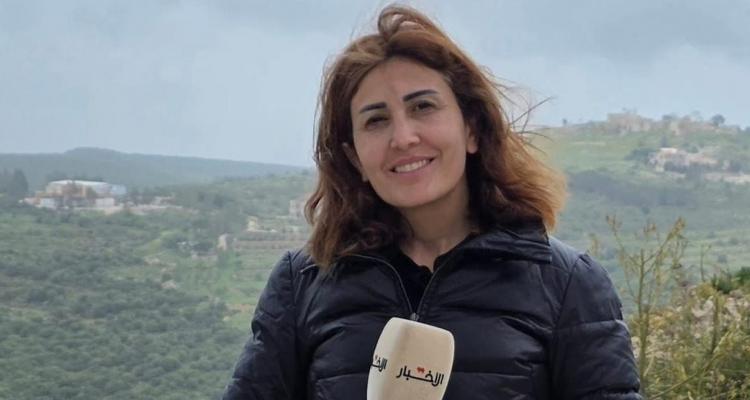
Journalist killed in al-Tiri
Lebanese journalist Amal Khalil was killed in an Israeli airstrike on a house in the southern village of al-Tiri, where she had taken cover while reporting on the Israel-Hezbollah war, according to multiple outlets. The Associated Press reported that her body was only retrieved from the rubble hours later, with rescue workers saying she remained under the rubble for hours before the Lebanese army, civil defense and the Lebanese Red Cross were able to reach the scene. CityNews Halifax, citing AP, said Khalil was killed in a second Israeli strike that hit the house in al-Tiri where Khalil and her colleague Zeinab Faraj had taken cover after an earlier strike hit near the car they were traveling in.
The Journal described the civil defence agency’s press office saying rescuers were “able to recover the body of martyred journalist Amal Khalil, who was killed as a result of a hostile airstrike that targeted a house in the town of al-Tiri”. PressTV likewise said Lebanese Civil Defense confirmed Khalil’s death and that her body was later recovered from the rubble in at-Tiri.

TRT World reported that Khalil’s body was pulled from the rubble of a building in the southern village of al-Tiri on Wednesday, hours after an Israeli air strike trapped her and freelance photojournalist Zeinab Faraj inside. In the same incident, Al Jazeera said an initial Israeli strike hit a car in at-Tiri killing two people inside, and a later air strike on a building in the same village wounded a journalist who was trapped under rubble before Khalil was found dead at the scene.
Ceasefire and the rescue fight
The killing unfolded while Lebanon and Israel were operating under a fragile ceasefire that was due to expire on Sunday, and multiple reports tied the incident to the difficulty of reaching the journalists. CityNews Halifax said Khalil’s death came on the eve of the second round of direct talks between Israeli and Lebanese officials in Washington on extending the ceasefire that went into effect last Friday. The Journal said the strikes came amid a fragile US-led ceasefire between the two countries, which is due to expire on Sunday, and described how the health ministry said the first strike killed two people, wounded journalist Zeinab Faraj, and left Khalil trapped.
It added that a Lebanese Red Cross official told AFP they had “managed to rescue Zeinab Faraj” but had not reached Khalil and withdrew “because of a warning strike”. The Guardian reported that Israeli strikes killed a journalist on Wednesday after rescuers were blocked from accessing the building where she was buried under rubble because of further Israeli fire, and said the health ministry stated Israel’s military “prevented the completion of the humanitarian mission by firing a sound grenade and live ammunition at the ambulance”.

CPJ said the destruction and direct fire at ambulances prevented rescue operations from reaching the site, and that the Red Cross was granted limited access to the site, which remained under active fire. Al Jazeera reported that for several hours the Red Cross and rescue workers tried to reach the two journalists but were unable to do that for a long time due to continued Israeli attacks in the area, and that the NNA reported an Israeli strike targeted the main road linking the town with Haddatha “to prevent ambulance teams from reaching the two journalists”.
Accusations and official responses
Lebanese officials and press freedom groups condemned the strike and framed it as deliberate targeting of journalists, while Israeli statements denied targeting media workers and denied obstructing rescue. CityNews Halifax quoted Lebanon’s Information Minister Paul Morcos saying, “Killing of journalists is a crime and a flagrant violation of international and humanitarian law,” and reported that Israel denied that it targets journalists or that it prevented rescue teams from reaching the area. The Journal quoted Morcos saying Khalil “was targeted by the Israeli army while carrying out her professional duty” and added that he called “The targeting of journalists is a grave crime and a blatant violation of international humanitarian law,” on X.
TRT World quoted Lebanese Prime Minister Nawaf Salam condemning the killing and calling it a “blatant war crime,” and quoted his statement that “Lebanon will spare no effort in pursuing these crimes before the relevant international tribunals.” CPJ said it was outraged that the IDF “apparently targeted Lebanese journalists Amal Khalil and Zeinab Faraj in Al Tayri, southern Lebanon,” and CPJ Regional Director Sara Qudah said, “The repeated strikes on the same location, the targeting of an area where journalists were sheltering, and the obstruction of medical and humanitarian access constitute a grave breach of international humanitarian law”.
In contrast, The Guardian reported that Israel’s military said it does not target journalists and denied it was preventing rescue teams from reaching the area, while the Israeli military statement in The Journal said it “does not target journalists and acts to mitigate harm to them” while also denying preventing rescue services from reaching the site. The Journal also included an Israeli military statement that said it had “identified two vehicles in southern Lebanon that had departed from a military structure used by Hezbollah,” and that after identifying the individuals as violating ceasefire understandings and posing an imminent threat, the Israeli Air Force struck one of the vehicles and then struck the structure from which the individuals had fled.
Competing timelines and claims
Different outlets described the sequence of strikes and the mechanics of rescue access in ways that reflected competing claims about what happened in al-Tiri.
The Journal said the health ministry had earlier said Israeli strikes in al-Tiri had killed two people, wounded journalist Zeinab Faraj, and left Khalil trapped, and it reported that rescuers were able to enter the town after several hours and make contact with the 2024 ceasefire mechanism and the United Nations Interim Force in Lebanon (UNIFIL).
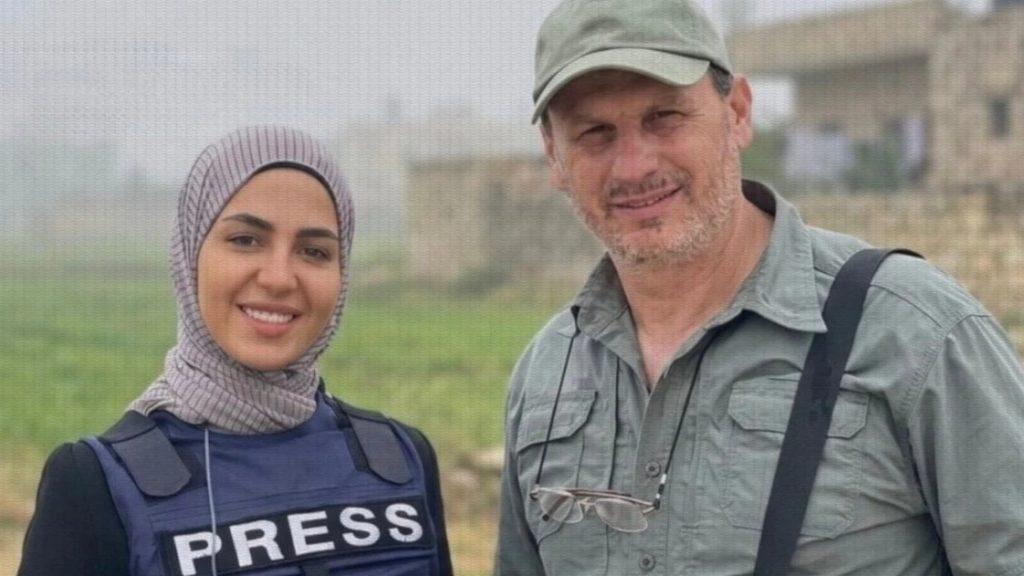
It also said journalists in southern Lebanon and local media outlets reported that ambulance teams escorted by the Lebanese army and accompanied by a bulldozer entered the town to search for Khalil.
CPJ said Khalil was last heard from at approximately 4:10 p.m., when she called her family and the Lebanese military, and CPJ described how the Red Cross was granted limited access but remained under active fire, evacuating Faraj and two other civilians before being forced to withdraw due to continued shelling and direct firing on rescue crews and vehicles.
Al Jazeera reported that the NNA said an Israeli strike targeted the main road linking the town with Haddatha “to prevent ambulance teams from reaching the two journalists,” and that the Red Cross and rescue workers were unable to reach the journalists for a long time due to continued Israeli attacks in the area.
The Guardian added a different detail about the obstruction, saying that when rescuers returned to help Khalil, a sound grenade blocked their access to the damaged building, and it quoted the health ministry saying Israel’s military “prevented the completion of the humanitarian mission by firing a sound grenade and live ammunition at the ambulance”.
Drop Site News offered a more granular timeline, saying Al-Akhbar published that the car was targeted by an Israeli drone at 2:45 p.m., that at 2:50 p.m. Khalil contacted her editors and family, and that at 4:27 p.m. the house where the two journalists were taking refuge was bombed, with contact lost.
Broader war toll and next steps
The death of Amal Khalil was reported alongside wider casualty figures and ongoing diplomatic efforts tied to ceasefire talks, with multiple outlets linking the incident to the broader war dynamics. CityNews Halifax said at least 2,300 people have been killed in Israeli strikes and more than 1 million displaced since the latest Israel-Hezbollah war erupted on March 2, and it said Khalil’s death brought to nine the number of journalists killed in Lebanon so far this year. TRT World said Lebanon’s authorities say more than 2,400 people have been killed since Israel launched its war on the country, and it also said Khalil had covered the Israel-Hezbollah war since it erupted in October 2023.
The Journal reported that Lebanon’s authorities said Israeli attacks on Lebanon have killed at least 2,454 people since it launched an offensive in response to Hezbollah firing rockets at the country after it and the US bombed Iran on 28 February. Al Jazeera reported that more than 2,400 people have been killed in Lebanon since Israel launched an offensive in response to Hezbollah firing missiles into Israel, and it said representatives from Israel and Lebanon are set to hold a second round of talks under US auspices on Thursday, in a bid to end the more than six weeks of fighting between Israel and Hezbollah that began on 2 March.
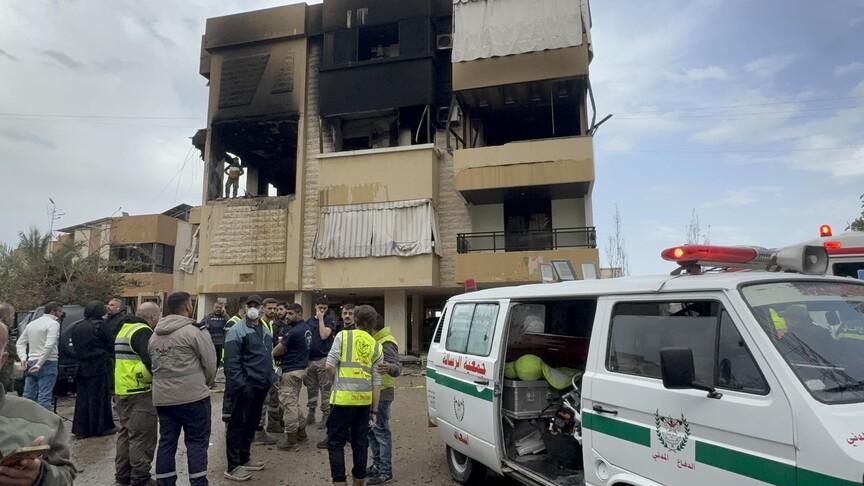
It also said Lebanon will request a one-month extension of the ceasefire during the meeting with Israel, and PressTV said the developments came despite a 10-day ceasefire between the Israeli regime and Lebanon that took effect at midnight between Thursday and Friday. In parallel, CPJ said it was outraged and had earlier warned that Israel’s obstruction of rescue efforts may amount to a war crime, and it said it emailed the IDF international press office for comment but did not receive an immediate reply.