Israeli Bombardments Kill Hezbollah Official Pierre Moawad in Ain Saadé, Lebanon
Key Takeaways
- Israeli airstrikes kill and injure civilians across southern Lebanon.
- Hospitals overwhelmed and health facilities strained by continued Israeli attacks in Lebanon.
- Death toll in Lebanon nears two thousand.
Beirut, Ain Saadé, Jnah
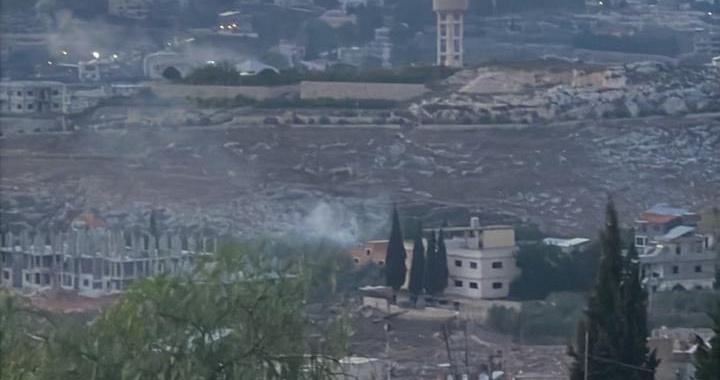
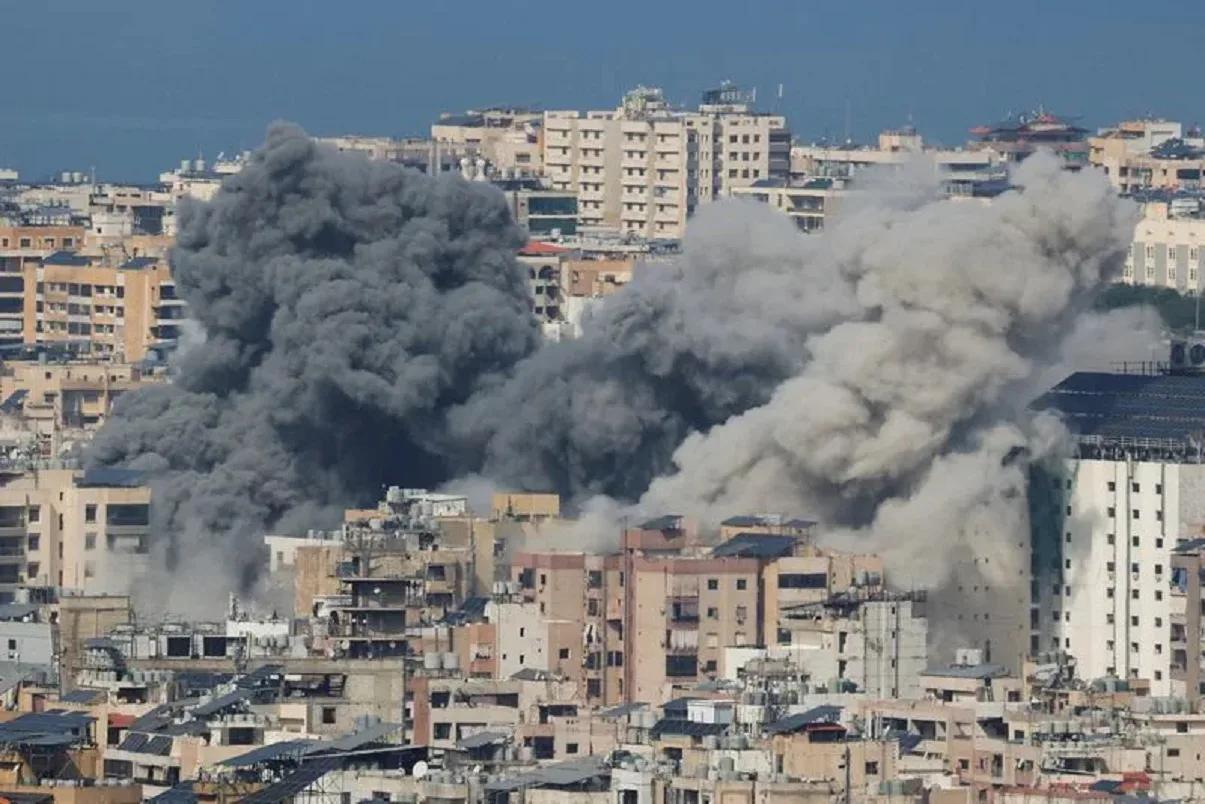
A wave of Israeli bombardments hit southern Beirut and the suburbs, with L'Orient-Le Jour describing “Eight Israeli strikes” hitting the southern suburb of Beirut “since noon,” and reporting that an attack on a residential building in Jnah killed four people, including a Hezbollah military official, and left “nearly 40 injured.”
In the same live coverage, L'Orient-Le Jour said fighter jets bombed repeatedly in the night from Saturday to Sunday in Kfarhata, near Sidon, killing “an entire family, including a soldier.”

The outlet also placed the overall human toll of the Israeli offensive against Lebanon since March 2 at “1,422 dead and more than 4,200 wounded.”
In Ain el-Saadé, on the heights above Beirut, L'Orient-Le Jour reported that Lebanon’s Health Ministry said the strike killed “three people, including two women,” and left “three injured.”
Later in the same timeline, the outlet said “three corpses” were transferred to Dahr el-Bachek Hospital, including “the LF official Pierre Moawad and his wife,” while “Two people remain missing.”
L'Orient-Le Jour also reported that the Ain Saadé strike “sparked palpable tensions in the area,” including a claim that “a car was pelted” as it passed in front of the building “on the pretext that the driver was filming the scene.”
The same live coverage said the Israeli army killed Abba’s mayor, “Mohammad Hussein Tarhini,” and the municipal policeman “Mohammad Mostafa Tarhini,” and it targeted multiple towns and areas in the Nabatieh district, with initial reports indicating injuries.
Medical crews under threat
Israel’s warnings about targeting ambulances and medical facilities in Lebanon added to the pressure on an already strained health system, with Al Jazeera’s Arabic-language report saying the Israel Defense Forces warned of “the possibility of targeting ambulances and medical facilities in Lebanon.”
The report quoted an Israeli army spokesperson, “Avichai Adraei,” saying that “Hezbollah in its terrorist activities is widely using ambulances for military purposes,” and it said Adavrei warned that “this use must stop immediately.”

Al Jazeera’s report also stated that “The Israeli army did not provide evidence” for the accusations and that it “has not yet responded to requests for proof,” while it contrasted that with a Hezbollah official’s denial that “the party does not use ambulances or medical facilities for military purposes.”
On the ground, the Lebanese Ministry of Health figures cited by Al Jazeera’s report said “26 paramedics have been killed and 51 others injured” since the start of Israel’s latest strikes on the country, and it said the ministry’s tally attributed “826 people” killed and “displaced hundreds of thousands” to the campaign since March 2.
The same Al Jazeera report said the ministry stressed that “the Israeli army continues to target emergency medical crews as they perform rescue missions,” and it pointed to an Israeli airstrike “last Friday” that targeted a “primary health care center in the town of Barj Qlaya” and killed “12 workers,” with “4” still missing.
It further said the World Health Organization director general confirmed the killing of “12 doctors, paramedics and nursing staff” in the same night airstrike on the Barj Qlaya primary health care center.
The report also described the legal and diplomatic framing around the Geneva Conventions, stating that the Lebanese Health Ministry said targeting ambulances and medical crews runs counter to “international law and the Geneva Conventions,” and it added that the attacks expanded “for the first time since October 2023” to include crews of “the Lebanese Red Cross.”
Hospitals near collapse
Multiple reports portrayed Lebanon’s hospitals as operating under severe constraints as casualties surged, with Anadolu Ajansı citing the Lebanese Ministry of Health on an early-hours toll from Israeli airstrikes on southern Lebanon.
Anadolu Ajansı said “32 people were injured and a hospital was damaged” in Israeli airstrikes on the Al-Houch area in the city of Tyre, and it added that “Among the injured were 3 medics.”
It said the ministry announced “32 people were injured, including 3 rescuers from the Lebanese Civil Defense,” and it reported that the two strikes caused damage to “the Lebanese-Italian Hospital, which remains in operation.”
Anadolu Ajansı also said that in a previous statement the ministry reported “21 people injured” in an Israeli airstrike on “the town of Ma'arake and the Al-Hosh area” in the south, and it described “two airstrikes” in the early hours of Saturday on Beirut’s southern suburbs amid “intensive overflights.”
Another report, اندبندنت عربية, said hospitals in the South Lebanon region along the Litani faced closures, stating that “hospitals in Bint Jbeil have closed,” while hospitals in Tyre continued “with a policy of rationing.”
It described Beirut’s private hospitals as absorbing the shock and said mediation efforts continued “to spare the remaining hospitals in the southern suburbs from Israeli targeting,” while the head of the Lebanese Red Cross, “Dr. Antoine Zoghbi,” “sounded the alarm” that Lebanon needed “urgent medical assistance.”
The same اندبندنت عربية report said the World Health Organization warned of “the imminent depletion of life-saving supplies in some hospitals within days,” and it added that the UN agency reassured it had received commitments not to target “Rafik Hariri University Hospital and Al Zahraa Hospital,” which it said house “about 450 patients” and “not evacuable.”
Ceasefire, strikes, and totals
While some reporting referenced ceasefire dynamics, other accounts emphasized that Israeli attacks continued and that the health sector remained under strain.
Anadolu Ajansı said the broader Israeli aggression on Lebanon since March 2 “has left 1,368 dead and 4,138 wounded,” and it framed the campaign as fallout from “the war waged by Israel and the United States against Iran, Hezbollah's ally, since February 28.”
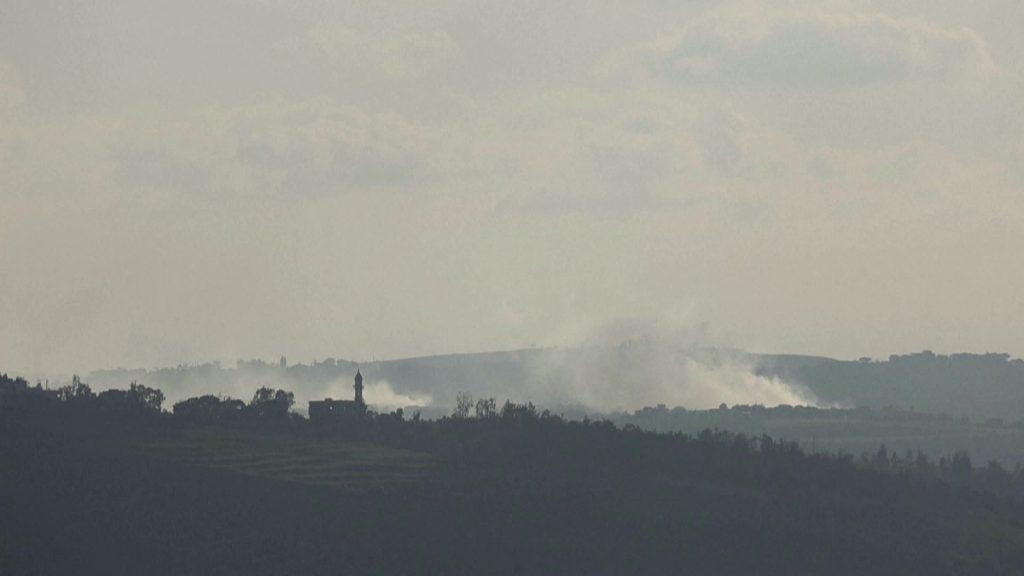
It also said Israel occupies areas in southern Lebanon “some for decades, and others since the latest war between October 2023 and November 2024,” linking the current escalation to earlier conflict periods.
L'Orient-Le Jour’s live coverage included a UNIFIL warning, stating that “UNIFIL warns that Hezbollah and Israel fires near its positions “could lead to retaliations” on both sides.”
In a different tally, Al Jazeera’s report on hospitals overwhelmed with patients described “more than a million people displaced and thousands injured,” and it said it was reporting on a hospital “struggling to keep up with the casualties.”
The Palestinian Press Agency quoted the World Health Organization’s director general, “Tedros Adhanom Ghebreyesus,” saying Israeli attacks targeted health services in Lebanon “133 times since the war began on March 2,” and it added that these attacks “killed 88 people and injured 206 others.”
Another outlet, Kurdistan24, said that despite “the ceasefire declaration in the region,” Israel “continues to shell Lebanon,” and it attributed the deaths and injuries to “Israeli airstrikes” since the outbreak of the war against Iran on “August 28 of last year.”
DNA identification and missing
Beyond immediate battlefield and hospital pressures, some reporting focused on identification efforts for the dead and the search for missing relatives after what Lebanese people dubbed “Black Wednesday.”
Slate.fr, citing The Intercept, described how “Jaafar Annan” sat outside “the Rafik Hariri University Hospital emergency department” and said, “The hospital has become my home,” while he lamented that “I buried my father,” but “my mother is still missing.”

Slate.fr reported that on April 8, an Israeli strike “razed the building where his family lived in Kayfoun, west of the Lebanese capital,” and it said the strikes were so destructive that “357 victims were killed and more than 1,000 injured, according to the Ministry of Health.”
It also said that “nearly two weeks later, the tally remains incomplete: dozens of people are still missing,” and it quoted “Hisham Fawwaz, head of the Department of Hospitals and Dispensaries at the Lebanese Ministry of Health,” explaining that “The bodies arrive completely disfigured.”
Slate.fr described the Hariri Hospital morgue as holding “more than 90 unidentified bodies,” each assigned “a number, awaiting genetic identification,” and it said the Ministry of Health protocol included documenting “tattoos and distinguishing marks” and preserving “burned clothing remains that a family member could recognize,” alongside taking DNA from relatives.
The report also quoted “Zahraa Aboud” and her sister’s family situation, saying the “Black Wednesday” strikes hit “the upper floor of the building,” killing the aunts and leaving the younger sister “seriously injured,” while “Qassem” said, “I refuse to search in the rubble.”
Slate.fr added that Lebanese law treats buildings destroyed by Israeli strikes as “private property,” and it said relief organizations cannot clear or demolish them without “prior judicial authorization,” which it said slows operations.
More on Lebanon
Iran Submits Truce Proposal to U.S. via Pakistani Mediators To End War, Including Lebanon
17 sources compared

Gold Slips as Oil Prices Rise, Keeping Interest Rates Elevated in Lebanon-Linked Tensions
17 sources compared
US Pushes Joseph Aoun To Meet Benjamin Netanyahu As Hezbollah Rejects Israel Talks
18 sources compared
China Urges UN Security Council To Reconsider UNIFIL Troop Withdrawal From Lebanon
12 sources compared