
Israeli Airstrikes Kill Nine in Tyre and Ain Baal as Lebanon Toll Reaches 1,368
Key Takeaways
- Ain Baal airstrike killed one person and wounded seven, including three women.
- Ain Baal and Tyre were sites struck by Israeli forces.
- Lebanese health authorities report continued casualties amid southern Lebanon attacks.
Escalation and tolls
Israeli airstrikes and artillery shelling continued across southern Lebanon and into the capital area, with multiple outlets citing fresh casualty figures and describing raids on specific towns.
“Saturday, 02/05/2026 ArEnFrEs [](http://almanar”
SANA reported that the Israeli occupation air force “continued its strikes against several Lebanese localities, killing nine people and injuring several civilians,” including a raid on a house in Ain Baal in the Tyre region that killed “two members of the same family” and wounded another person, with “a woman remains missing.”
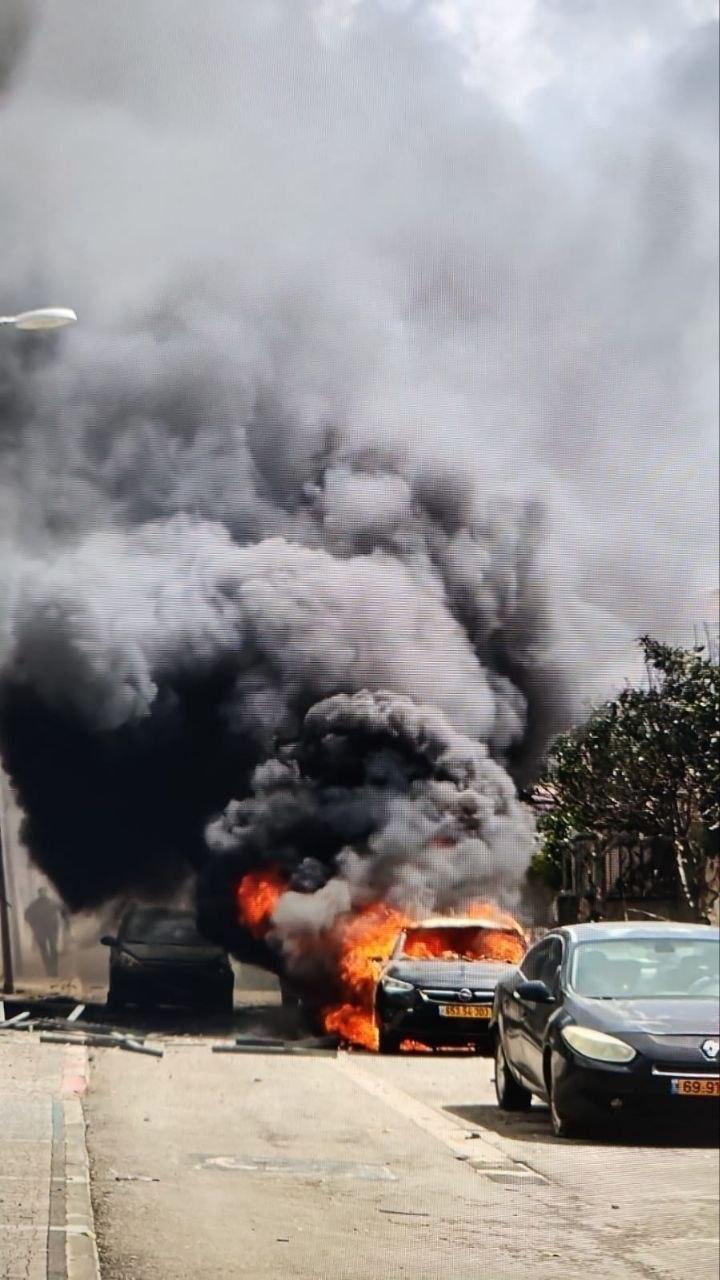
SANA also said that another Israeli strike at the Maarakeh–Tyre intersection in the Industrial City area caused the death of “five people, including two women,” and left “two injured,” while in Qana al-Jalil it reported “the death of one person and injuring several others, including one seriously.”
It added that an Israeli drone had targeted a motorcycle on the road to Qadmous, north of Tyre, killing “two people,” bringing the day’s death toll to “11.”
SANA further stated that “the Lebanese Ministry of Health announced that the number of victims of Israeli raids on Lebanon since March 2 has risen to 1,368 dead, while the number of wounded reached 4,138.”
Ici Beyrouth reported that “the Health Ministry reported an updated toll of 1,530 dead, including 130 children and 102 women, as well as 4,812 wounded since the start of the war in Lebanon on March 2.”
In a separate tally, CAPJPO EuroPalestine said that “Since the start of the Israeli aggression on March 2, Israeli attacks have killed 1,953 people and wounded 6,303, according to the Lebanese Ministry of Public Health.”
Maritime alert and ground moves
Beyond airstrikes, Ici Beyrouth described a first-time Israeli maritime alert off the coast of southern Lebanon and linked it to Hezbollah activity in a defined perimeter.
It said that “The Israeli army on Tuesday evening, for the first time, issued an urgent alert to all vessels in the maritime zone between Tyre and Ras Naqoura,” warning that “Hezbollah activities exposed ships in this perimeter to risks that could lead to military operations at sea.”
For safety, the alert “called all vessels, whether at anchor or underway, to immediately head north of Tyre,” and it added a “Breaking: An urgent alert to all naval units in the maritime domain between Sidon and Ras Naqoura” with the claim that “Hezbollah's activity endangers the naval units in the maritime area between Sidon and Ras Naqoura.”
Ici Beyrouth also tied the maritime posture to a broader escalation on land, stating that “the Israeli army announced that the 98th Brigade has joined a concentrated ground operation in southern Lebanon.”
It quoted IDF spokesperson Avichay Adraee saying “the Israeli forces completed deployment along the line designed to prevent anti-tank missile launches,” and that “the 98th Brigade widened the scope of ground operations to include new targets, in coordination with Brigades 91, 36, 146 and 162.”
The same report said that “The operations have enabled the clearing of several areas of the presence of terrorist elements and Hezbollah structures,” while “artillery fire and air strikes” targeted “the organization’s strategic centers.”
It further stated that the Israeli army said it “targeted, on Monday, a bridge allowing passage over the Litani River,” and that “This brings the number of bridges destroyed since the start of the Hezbollah-Israel conflict on March 2 to seven.”
Ceasefire claims and violations
Multiple reports framed the fighting as continuing despite ceasefire efforts, while also describing conflicting claims about whether Lebanon was included.
“May Day 2026; Israel kills over 30 in Lebanon; Displaced Palestinians burn tents in protest of conditions; Mali rebels call for nationwide uprising Drop Site Daily: May 1, 2026 Iran delivers latest ceasefire proposal to Pakistan, according to IRNA”
وكالة شهاب الإخبارية said Israeli strikes continued “for a third day its violent strikes on Lebanon, despite the United States and Iran having announced, in the early hours of last Wednesday, a two‑week ceasefire that Iran and Pakistan said would include Lebanon, while Washington and Tel Aviv denied it.”
It described attacks on “53 towns, villages, and areas in southern Lebanon since dawn on Friday,” saying they “killing 23 people and wounding seven others,” and it attributed the figures to “data from the Lebanese Ministry of Health and the official news agency.”
The report also said that “Despite the ceasefire agreements signed in November 2024,” Médecins sans frontières (MSF) teams continued to intervene in Nabatieh, describing “Israeli strikes have continued in several regions of the country and intensified in southern Lebanon.”
MSF quoted Jeremy Ristord saying, “Again and again, we hear people asking: where is the ceasefire?” and it added that “UNIFIL has reported more than 10,000 Israeli ceasefire violations and more than 370 people have been killed by Israeli strikes in Lebanon since the agreement began.”
In a different framing, Drop Site News asserted that “Israel kills more than 30 in Lebanon in one day, despite ceasefire,” and it described “Displaced Palestinians burn tents in protest of conditions” during ongoing ceasefire violations.
CAPJPO EuroPalestine similarly said “Israel continues to bombard Lebanon despite calls from around the world,” and it argued that “Netanyahu wants at all costs to derail the negotiations that are due to begin this Saturday in Islamabad.”
Voices: MSF, IDF, and Hezbollah
The conflict narrative in the sources includes direct statements from humanitarian staff and from Israeli military officials, alongside Hezbollah’s own claims of attacks.
MSF’s Jeremy Ristord described the lived impact of continued bombardment, saying, “Again and again, we hear people asking: where is the ceasefire?”
MSF also quoted a 12-year-old, Mohamad Mehdi, recalling that “I was at school and I saw teachers running through the corridors, so I thought they [the Israeli warplanes] were about to attack the school,” before he learned “our home and our neighborhood had been hit.”
In Ici Beyrouth, IDF spokesperson Avichay Adraee was quoted describing the purpose of the ground deployment, saying “the Israeli forces completed deployment along the line designed to prevent anti-tank missile launches,” and that “The operations have enabled the clearing of several areas of the presence of terrorist elements and Hezbollah structures.”
The same report said the Israeli army “stressed that it will continue to act firmly against Hezbollah, which it says operates under the supervision of the Iranian regime, and that it will not tolerate any threat to Israeli citizens.”
On the Hezbollah side, قناة النيل للأخبار reported that “Hezbollah announced in five separate statements today, Tuesday, that its fighters targeted with appropriate weapons the Israeli settlements of Metulla, Kfar Yuval, and Kiryat Shmona,” and it added that Hezbollah targeted “a force from the Israeli army east of the Khiam detention camp near the town of Khiam in southern Lebanon.”
Sud Ouest quoted the Israeli army’s claims that it had “eliminated the terrorist Hussein Nazih Barja” and “eliminated a commander” of the al-Radwan Force, while a local official from Yater said the attack killed “a man who was using a bulldozer to clear the debris from his house.”
Damage, displacement, and aid
The sources also describe the humanitarian and infrastructural consequences of the strikes, including displacement, medical response, and damage to civilian facilities.
“Lebanon continues to be attacked by the Israeli army, particularly in the Nabatieh region in the south, despite ceasefire agreements signed in November 2024”
Médecins sans frontières said that “The strikes caused extensive damage in residential areas, displacing at least 37 families in the town of Kfar Tebnit alone,” after an attack on February 2 that struck “several southern Lebanese towns, including Kfar Tebnit and Ain Qana in the Nabatieh Governorate.”
It described how MSF teams “immediately mobilized to meet urgent needs by distributing food parcels, blankets and mattresses to families affected by the attacks,” and it said they “continued to provide care in mobile clinics across the province to support populations experiencing repeated trauma and ongoing displacement.”
MSF added that “In 2025, our teams in Nabatieh conducted 28,000 consultations, 2,800 in mental health and over 10,300 awareness-raising sessions,” while emphasizing that “urgent needs remain significant.”
In CAPJPO EuroPalestine’s account, “More than a million people have been displaced across the country, including about 390,000 children,” and it said UNICEF expressed concern about “about 600 children killed or wounded in Lebanon since March 2.”
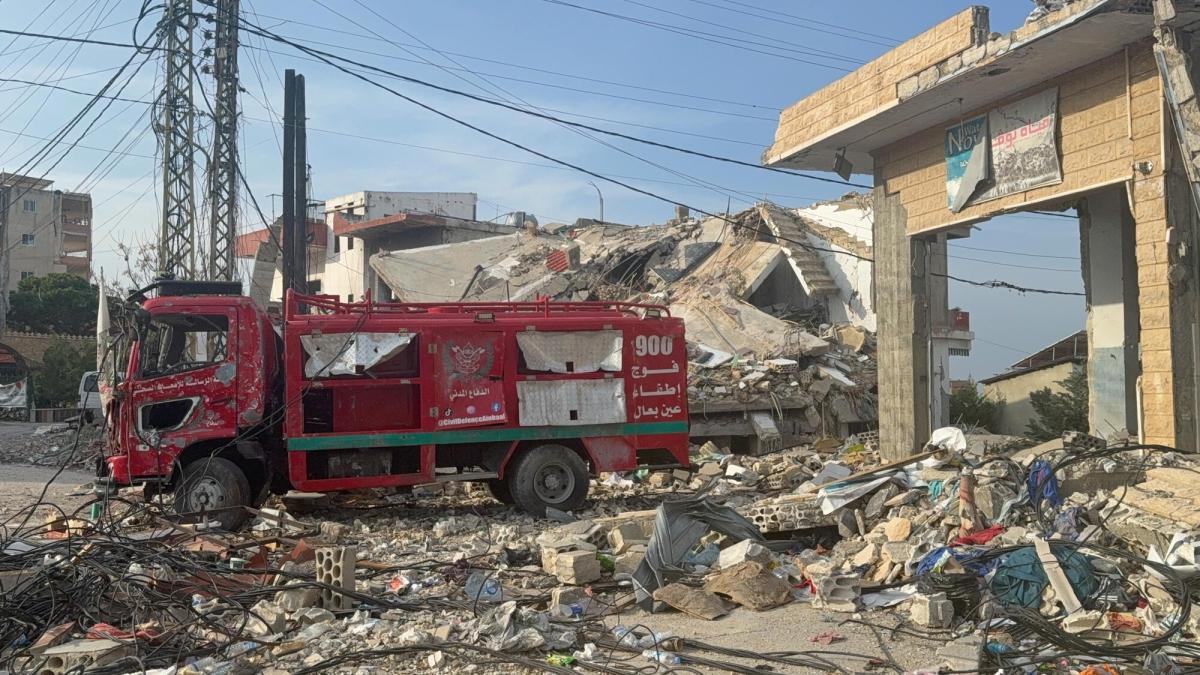
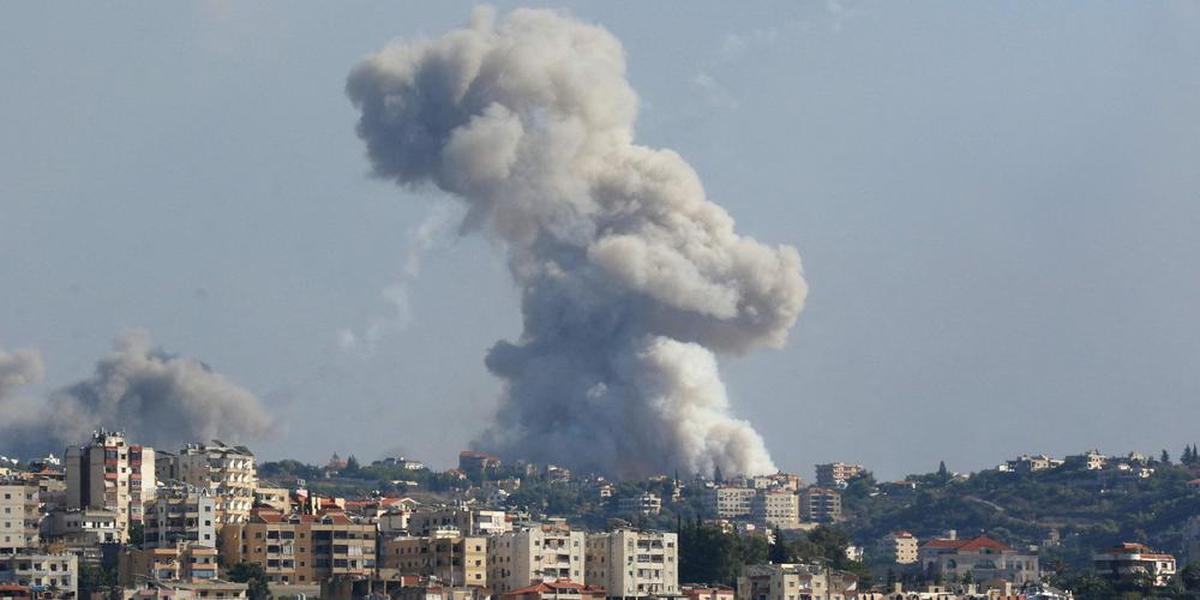
Ici Beyrouth described physical destruction and rescue work, saying “The bombardments caused fires and the massive destruction of buildings, some of which are completely collapsed,” while “Rescue teams are currently working to clear the rubble and restore traffic.”
In Drop Site News, displaced Palestinians were described as protesting conditions, stating “Displaced Palestinians burn tents in protest amid ongoing ceasefire violations,” and it framed the day’s Lebanon developments as part of a broader regional crisis.
More on Lebanon
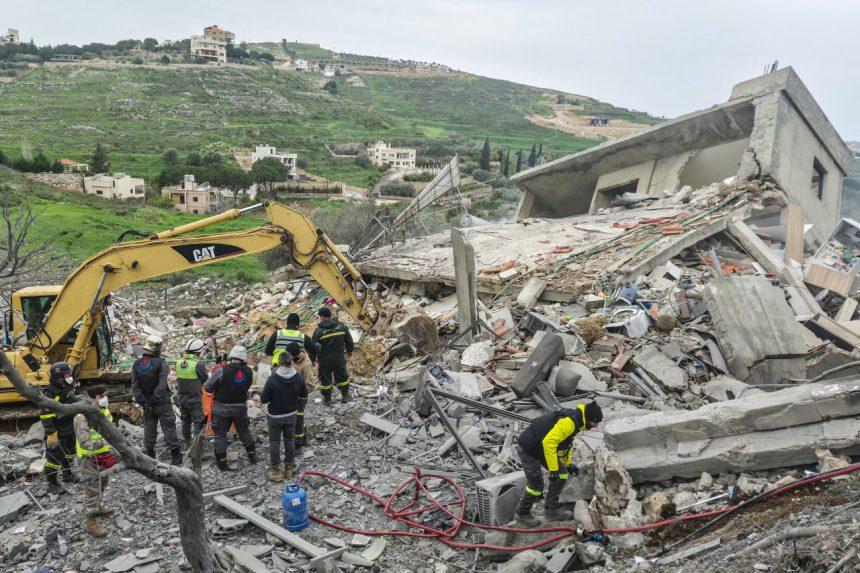
Israeli Strikes Kill At Least 12 In Southern Lebanon Despite Ceasefire
19 sources compared

Israeli Strikes Kill At Least 15 In Southern Lebanon Despite Ceasefire
17 sources compared
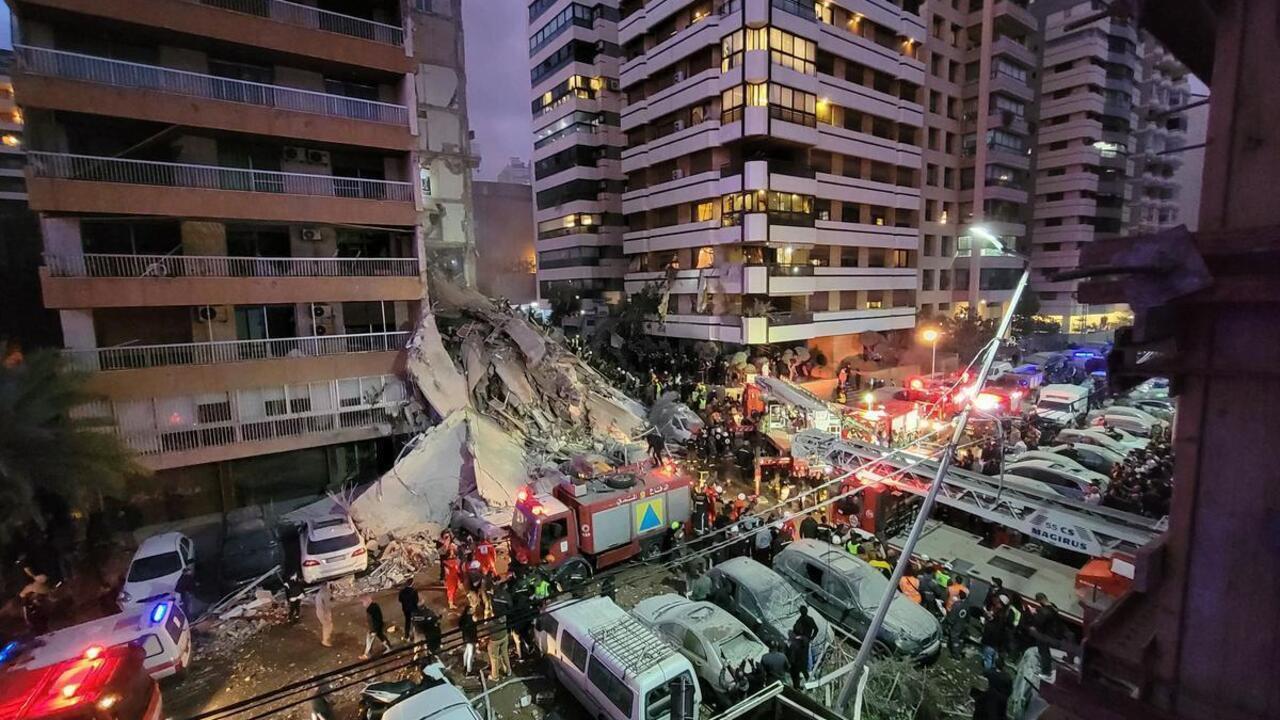
Israeli Army Kills Three Lebanese Civil Defense Volunteers at Majdal Zoun Funeral in Sour
10 sources compared

Islamic Resistance In Lebanon Targets Israeli Military Vehicle And Three Army Positions In Bayada And Bint Jbeil
15 sources compared