
Israeli Army Kills 875 Palestinians Seeking Food in Gaza, Médecins Sans Frontières Warns
Key Takeaways
- Famine is not currently declared, but food insecurity remains critical.
- Charity kitchens are the near sole food source for displaced, rising demand.
- Ceasefire enabled aid flows; remains fragile with uneven access.
Hunger, siege, and deaths
Médecins sans frontières says that two months after the Gaza Humanitarian Foundation (GHF) began its activities, 110 organizations are again sounding the alarm and urging governments to act to end the siege, open all land crossing points, restore supply of food, drinking water, medical supplies, and fuel through the United Nations, and establish a permanent ceasefire.
The group says that on July 13 the United Nations confirmed that 875 Palestinians had been killed while seeking food, including 201 on humanitarian aid convoys and the others at distribution points, and that thousands more were injured.

It adds that since the start of the war the Israeli army has forcibly displaced two million Palestinians, and that the most recent displacement order was issued on July 20, confining the entire Gaza population to less than 12% of the territory.
Amnesty International France similarly frames the siege imposed by the Israeli government as starving Gaza, saying humanitarian workers are forced to queue for food at risk of being shot simply for trying to feed their families.
Amnesty International France quotes a representative saying, “Every morning, the same question returns to Gaza: will I eat today?”
Aid workers in distress
Amnesty International France says that almost daily, food distribution sites are the theatre of massacres in Gaza, and that the UN confirmed 875 Palestinians seeking food were killed on July 13, including 201 on humanitarian aid access routes and the others at distribution sites.
It reports that the reserves are now completely exhausted and that humanitarian organizations are seeing their own colleagues and partners die of hunger before their eyes, while Israeli forces forcibly displaced nearly two million exhausted Palestinians.

Médecins sans frontières describes humanitarian workers joining long lines to try to obtain food, often at the risk of their lives and at risk of being shot, and says that in Gaza Strip, food stocks are now exhausted.
Médecins sans frontières quotes a humanitarian worker providing psychosocial support: “Children tell their parents they want to go to heaven, because at least there will be food,” and says doctors report record levels of acute malnutrition, especially among children and the elderly.
Amnesty International France adds that the World Food Programme stated that current conditions render operations untenable and that using civilian hunger as a method of warfare is a war crime.
Fragile gains and what’s at risk
The UN News report says that more than a hundred days after the ceasefire went into effect, humanitarian aid is flowing in Gaza as it has not since the start of the war between Israel and Hamas, with trucks passing and community kitchens running at full tilt.
“The humanitarian crisis in the Gaza Strip is worsening as dependence on charitable takiyas as a near sole source of food for thousands of displaced people widens amid ongoing aid shortages and reduced activity by several relief organizations”
It says that each month, more than one million people receive food assistance, and that since October the World Food Programme (WFP) has intensified operations so that for the first time more than a million Gazans have received each month a full ration, including wheat flour and canned goods.
The report warns that the crisis remains intact and ready to resurface at the slightest misstep, noting that according to the latest IPC assessment more than three-quarters of the population remain faced with critically high food insecurity and more than 100,000 people still suffer from catastrophic hunger.
It quotes Olga Cherevko of the UN Office for the Coordination of Humanitarian Affairs (OCHA) saying, “We celebrated our progress and once again showed that when we have the means, we deliver,” while also warning against any illusion of normalisation.
World Health Organization reporting says that the IPC analysis finds that no area in the Gaza Strip is currently classified as famine following the October ceasefire and improvement in humanitarian and commercial access, but it warns that without increased and sustained support, fragile gains risk being wiped out.
More on Gaza Genocide

Israel Detains Jerusalem Grand Mufti Sheikh Muhammad Hussein, Bans Him From Al-Aqsa for One Week
15 sources compared
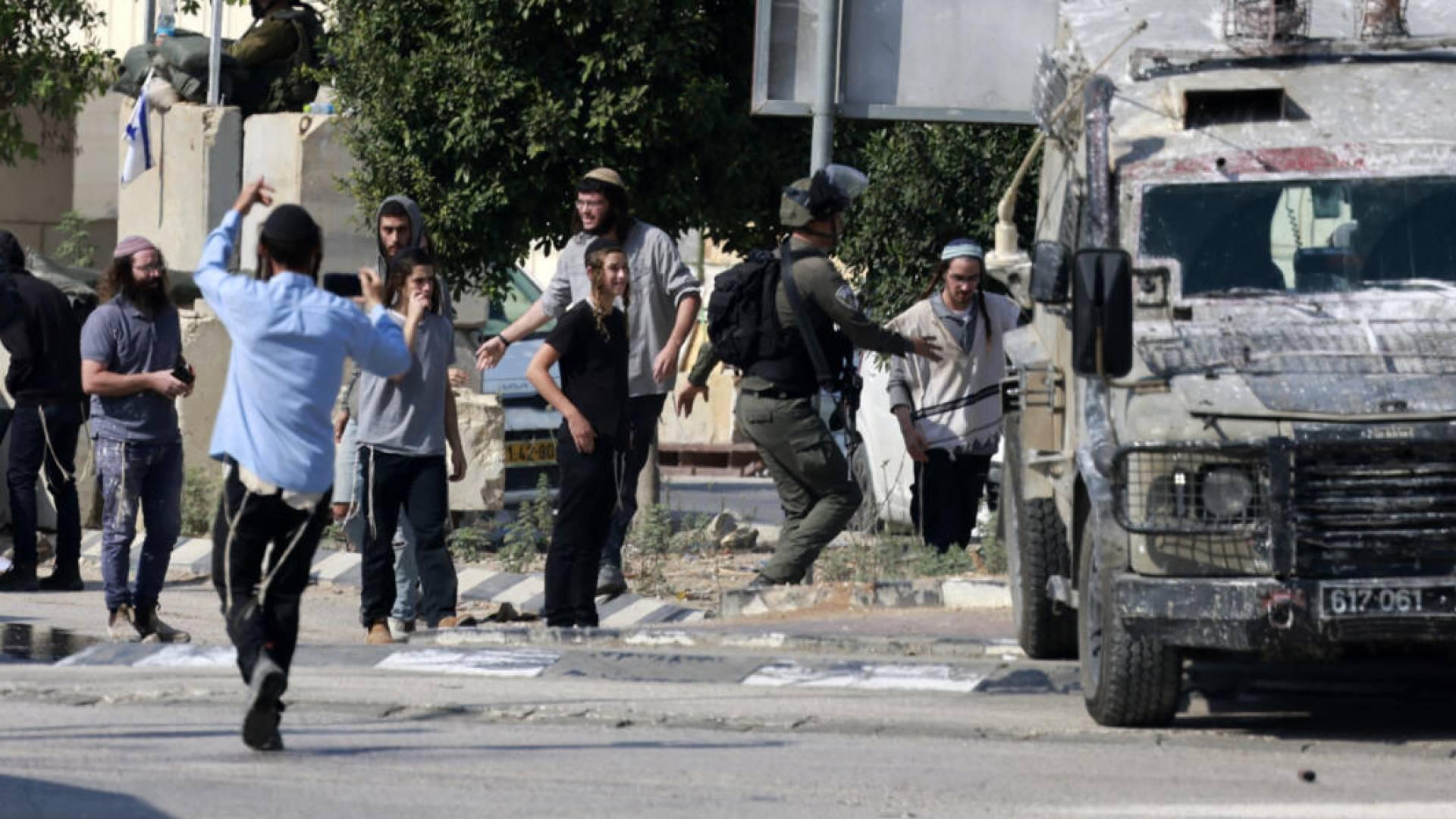
Israeli Security Forces Kill Four Bani Odeh Family Members Near Tubas in West Bank
14 sources compared

Haley Stevens And Abdul El-Sayed Clash In Michigan Senate Debate Over Israel And Gaza Policy
12 sources compared
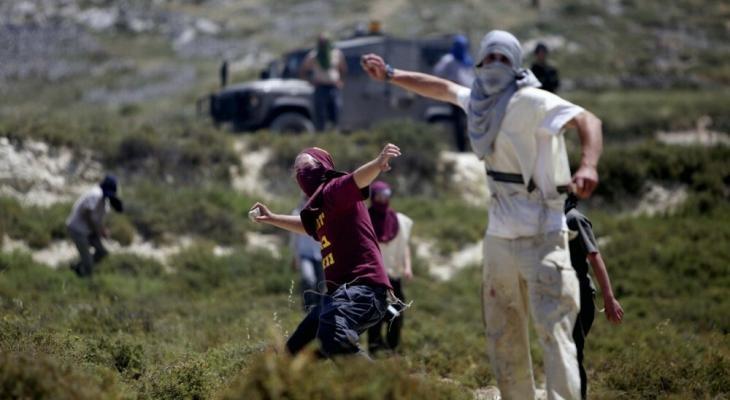
Settlers Attack Hawara, Injuring 13 Palestinians South of Nablus
13 sources compared