
Israeli Attacks Kill Amal Khalil And At Least Four Others In Southern Lebanon
Key Takeaways
- Amal Khalil, Lebanese journalist for Al-Akhbar, killed in Israeli airstrike in al-Tiri, southern Lebanon.
- Five people were killed in southern Lebanon, including Amal Khalil.
- Another journalist was wounded in the same strike.
Ceasefire Strained by Strikes
Israeli attacks on Lebanon killed at least five people in southern Lebanon, including a journalist, Lebanon’s National News Agency (NNA) reported, further straining a fragile ceasefire.
“Israeli attacks have killed five people in southern Lebanon, including a journalist, Lebanon’s National News Agency (NNA) reported, further straining a fragile ceasefire”
An initial Israeli strike hit a car in at-Tiri, a village in south Lebanon, killing two people inside, NNA said on Wednesday.

The Israeli military said it struck two vehicles in southern Lebanon that departed from a military structure used by the Lebanese armed group Hezbollah.
NNA reported that a later air strike on a building in the same village wounded a journalist who was trapped under rubble.
Amal Khalil, who worked for the local media outlet Al Akhbar, was later found dead at the scene, her employer confirmed.
Reporting from Tyre, southern Lebanon, Al Jazeera’s Heidi Pett said two journalists from local media outlet Al Akhbar had travelled to the site of the first attack in at-Tiri.
Pett said, “Amal Khalil and Zeinab Faraj had gone to the site of an earlier Israeli drone strike on a car, which reportedly killed two civilians in the town of at-Tiri,” and that “For several hours … the Red Cross and rescue workers [tried] to reach those two journalists. They were unable to do that for a long time due to continued Israeli attacks in the area.”
How the Attack Unfolded
Lebanese and international reporting described a sequence in which an initial strike hit a car, the journalists sought shelter, and a later strike hit the house where they were trapped.
The AP reported that Amal Khalil was killed in an Israeli airstrike on a house in southern Lebanon where she had taken cover while reporting on the Israel-Hezbollah war, and that her body was only retrieved from the rubble hours later.

The AP said the daily Al-Akhbar newspaper reported its reporter Amal Khalil was killed in the southern village of al-Tiri, and that she took cover in the house in al-Tiri after an earlier Israeli airstrike hit near the car she was traveling in with another colleague.
The AP added that the Lebanese health ministry said the first strike killed two people, and that a second Israeli strike then hit the house in al-Tiri where Khalil and her colleague Zeinab Faraj had taken cover.
It said that at first, rescue workers were able to get to Faraj, who was seriously wounded, and retrieve the bodies of two killed in the first airstrike, but that they were fired on by Israeli forces so they were forced to halt attempts to reach Khalil.
CNN similarly described that the strikes occurred during a fragile ceasefire between Israel and Lebanon, aimed at pausing fighting with Iran-backed Hezbollah, and said the airstrikes occurred during that ceasefire “in effect since Friday.”
CNN reported that Khalil was trapped alive under rubble for hours, having made a phone call to her family and the Lebanese military for help, and that “The Red Cross was blocked for seven hours and when they reached her after seven hours, she was already dead,” according to CPJ’s Sara Qudah.
France 24 reported that the number of fatalities on Wednesday rose to five, and said efforts to resume rescuing Amal were thwarted after the Israeli army dropped a stun grenade that prevented rescuers from entering the damaged building.
War Crimes Accusations and Denials
Lebanon’s leadership and media organizations condemned the strikes as war crimes, while Israel denied targeting journalists and said it acted to mitigate harm.
Lebanon’s Information Minister Paul Morcos condemned the Israeli attack on the journalists, saying on X, “We strongly condemn this assault, holding Israel fully responsible for their safety, and affirming the necessity of immediately ensuring their protection and guaranteeing freedom of media work,” and Anadolu Ajansı reported that the Lebanese Prime Minister Nawaf Salam said, “the targeting of journalists, obstructing the arrival of relief teams to them, and targeting their sites again after these teams arrived, constitutes war crimes of a gravely serious nature.”
The BBC reported that Prime Minister Nawaf Salam said: “Targeting journalists, obstructing access to them by relief teams, and even targeting their locations again after these teams arrive constitutes described war crimes.”
The Israeli military statement, as quoted by Al Jazeera, said it “does not target journalists and acts to mitigate harm to them” while also denying preventing rescue services from reaching the site of the attack in at-Tiri.
CNN likewise reported that the Israeli military acknowledged two journalists had been injured but insisted it “does not target journalists and acts to mitigate harm to them while maintaining the safety and security of its troops.”
The BBC added that the IDF said it identified two vehicles that had “departed from a military structure used by Hezbollah,” and that one vehicle had approached Israeli troops in a manner that was an “immediate threat” after crossing a “forward defence line,” violating a ceasefire.
The BBC also reported that Lebanon’s health ministry said the IDF “pursued” Khalil and Faraj, “who had taken refuge from the first raid in a nearby house, targeting the house where they had sought shelter,” and that when a Lebanese Red Cross ambulance arrived, Israeli forces directed a stun grenade and gunfire toward it.
Reporters Without Borders executive director Clayton Weimer told the BBC that “The Red Cross signalled they were unable to get through because of ongoing Israeli bombardment. So that is callous disregard, on top of what appears to be a deliberate and targeted killing of a journalist.”
Different Frames, Same Incident
Coverage diverged in how it framed responsibility and the timeline of rescue access, even while describing the same core incident involving Amal Khalil and Zeinab Faraj in the town of al-Tiri.
The BBC emphasized Lebanon’s accusation that the IDF “pursued” Khalil and Faraj and that it involved “a blatant double violation” by obstructing rescue and targeting an ambulance marked with the Red Cross emblem, quoting the health ministry’s language that “This constitutes a blatant double violation: obstructing the rescue efforts of a citizen known for her civic media activism, and targeting an ambulance clearly marked with the Red Cross emblem.”

CNN, while also citing Lebanese claims, highlighted the obstruction narrative through CPJ’s Sara Qudah, saying, “The Red Cross was blocked for seven hours and when they reached her after seven hours, she was already dead,” and it added that Khalil made a phone call to her family and the Lebanese military for help.
The Guardian described the incident as a “double-tap strike” and said Khalil was trapped for hours in a house bombed by Israeli forces, writing that “She died despite frantic efforts by her family, her editors and Aoun to organise a rescue,” and it quoted Lebanon’s prime minister saying the targeting was “no longer isolated incidents, but has become an established approach that we condemn and reject.”
In contrast, the Israeli military’s position appeared consistently in multiple outlets as a denial of targeting journalists and a claim that it did not prevent rescue teams, with the BBC stating that the IDF “does not target journalists and acts to mitigate harm to them while maintaining the safety and security of its troops.”
The AP described the rescue interruption as a result of Israeli forces firing on rescuers, saying “they were fired on by Israeli forces so they were forced to halt attempts to reach Khalil,” and it reported that Israel’s military said individuals in the village had violated the ceasefire, endangering its troops.
France 24 reported that the Israeli army had not yet commented on Khalil’s death, but it described Lebanese accusations that Israeli forces obstructed rescue teams and that “targeting journalists and hindering relief efforts constitute 'war crimes'.”
The Los Angeles Times focused on journalists’ accusations that Israel “knew who she was,” quoting Mohamed Zanaty saying, “This was an assassination; this wasn’t by mistake. The Israeli military knew who she was, and they killed her,” and it described the timing as a missile striking the house at “4:27 p.m.” after the initial attack.
Meanwhile, Middle East Eye also used the “war crime” framing, reporting that Nawaf Salam described the attack as a “war crime” and vowed to “spare no effort in pursuing these crimes before the relevant international bodies”.
Ceasefire Talks and Wider Fallout
The killings and accusations unfolded against the backdrop of a ceasefire and planned diplomatic talks, with Lebanon’s leaders seeking an extension while Israel and Hezbollah traded claims of violations.
Al Jazeera reported that the latest attacks came on the eve of planned talks in Washington between Lebanese and Israeli ambassadors as Lebanese President Joseph Aoun said Beirut would seek an extension of the 10-day, United States-mediated ceasefire, which is set to expire on Sunday.

Al Jazeera also said the US-brokered ceasefire in Lebanon emerged separately from Washington’s efforts to resolve its conflict with Tehran, though Iran had called for Lebanon to be included in the agreement.
It added that hostilities between Hezbollah and Israel reignited on March 2 after Israel killed Iran’s Supreme Leader Ali Khamenei, and that up until then Hezbollah had not attacked Israel since a November 2024 ceasefire despite near-daily breaches of the deal by Israel.
Al Jazeera reported that more than 2,400 people have been killed in Lebanon since Israel launched its offensive and subsequent invasion of southern Lebanon, and that Israel has seized a belt of territory at the border where its troops remain.
Separately, Al Jazeera said President Emmanuel Macron announced a second French soldier has died after an attack on United Nations peacekeepers in Lebanon last week, which he blamed on Hezbollah, identifying the soldier as Chief Corporal Anicet Girardin.
The article said Girardin was severely wounded on April 18 and died of his wounds after being evacuated to France on Tuesday.
CNN reported that the killing comes with Israeli and Lebanese ambassadors meeting in Washington, D.C., Thursday to discuss an extension of a 10-day ceasefire signed on April 16, and that both Hezbollah and the IDF have accused each other of violating the fragile truce.
More on Lebanon
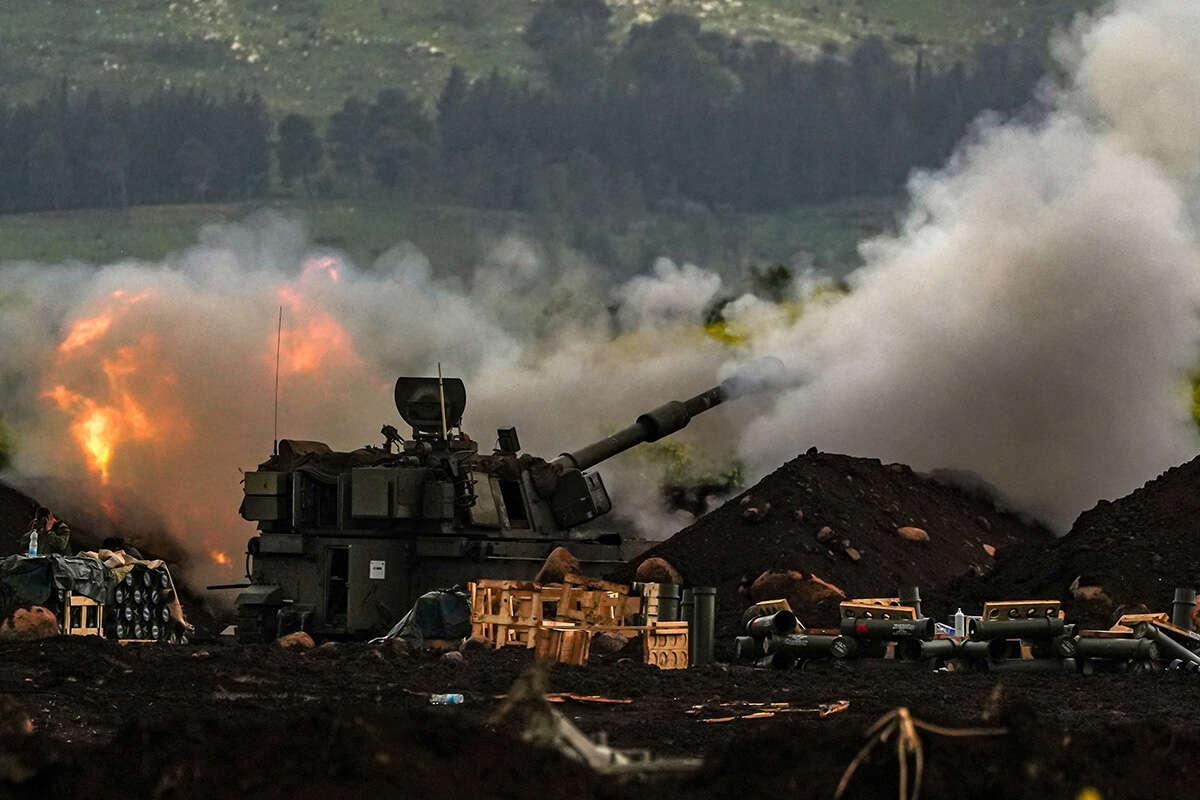
Trump Extends Israel-Hezbollah Ceasefire In Lebanon By Three Weeks
11 sources compared
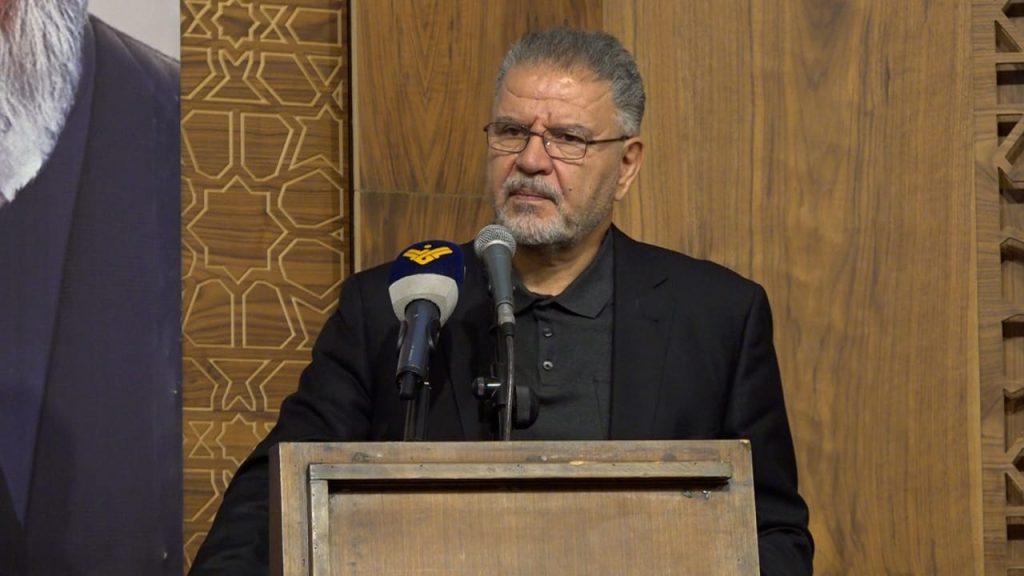
Trump Announces Three-Week Israel-Lebanon Ceasefire Extension After Hezbollah Dismisses It As Meaningless
11 sources compared

Trump Says Israel And Lebanon Extend Israel-Hezbollah Ceasefire By Three Weeks
18 sources compared
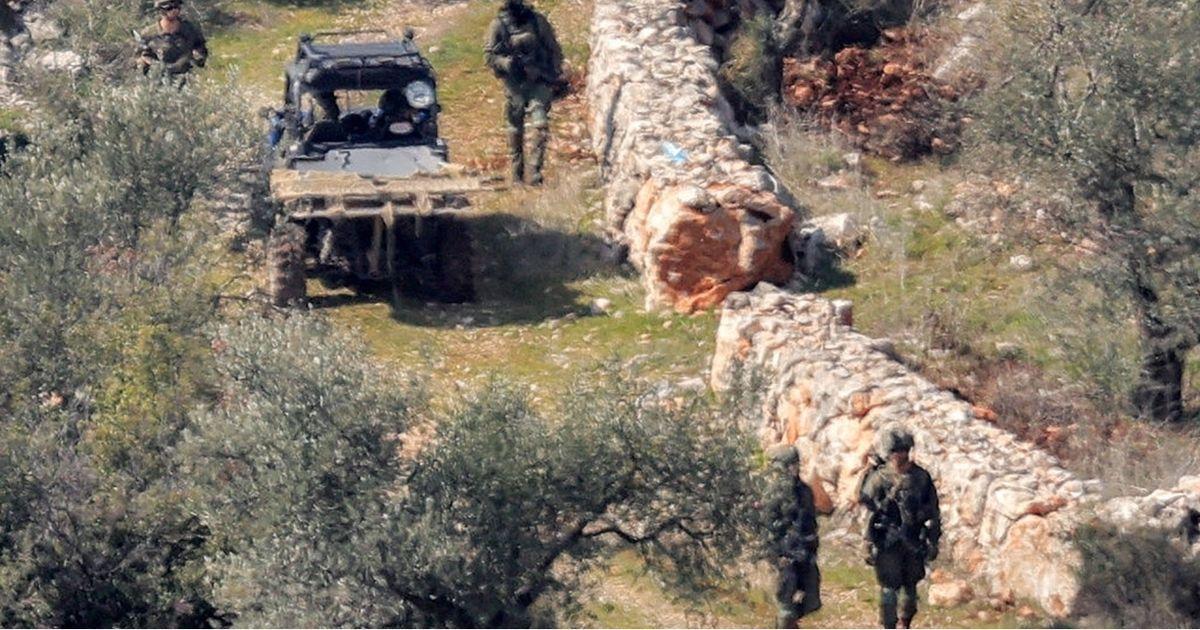
Hezbollah Drone Attack Injures Israeli Reservist as Israel Strikes Southern Lebanon
11 sources compared