Lebanon · 06 September, 2026 · 2 min read
Israeli Airstrikes Kill 11, Including Two Infants, in Kafr Rouman and Nabatieh
Israeli airstrikes overnight killed at least 11 people in Kfar Rumman, including two infants. Two paramedics were killed in a separate drone strike on a vehicle in Kafr Rouman.
Which added context is emphasised.
4 of 5 outlets skipped it: nabatieh evacuation warning preceded a strike.
512outlets compared
Same story, two versions
tap a side to read it in full
A News
“Israeli airstrikes in southern Lebanon killed at least 11 people, including two infants, and injured five others overnight”Read the original ↗
Al Jazeera
“Israeli warplanes hit a residential building early on Monday in the town of Kfar Reman, killing 11 people – including two children – and wounding five others”Read the original ↗
One outlet specifies infants, another says children, while keeping the same broad toll and timing.
Airstrikes in southern Lebanon
Israeli airstrikes in southern Lebanon killed at least 11 people, including two infants, and injured five others overnight, Lebanese state media reported Monday.
“killed at least 11 people, including two infants, and injured five others”
The strikes hit a three-story residential building in the town of Kafr Rouman, near Nabatieh, after midnight, and emergency teams recovered nine bodies, including those of two infants, from the rubble.

In a separate attack, an Israeli drone struck a civilian vehicle in Kafr Rouman, killing two paramedics from the Islamic Risala Scout Association who were inside.
NNA also said the Israeli army issued an evacuation warning for a building in the town of Deir al-Zahrani before Israeli warplanes destroyed it around 22 minutes later, and it reported additional strikes on Nabatieh al-Fawqa and Arabsalim where a house was destroyed.
UNIFIL counts projectiles
UNIFIL said it recorded an average of 137 projectiles fired per day between August 5-16, with 208 projectiles on Saturday and 185 on Sunday, as Israeli military activity increased in southern Lebanon.
UNIFIL said, "As tensions rise, civilians are once again paying the highest price, with many families displaced or forced to change their daily routines because of insecurity and uncertainty," and it said its peacekeepers maintained their presence through patrols and facilitating access for humanitarian aid.
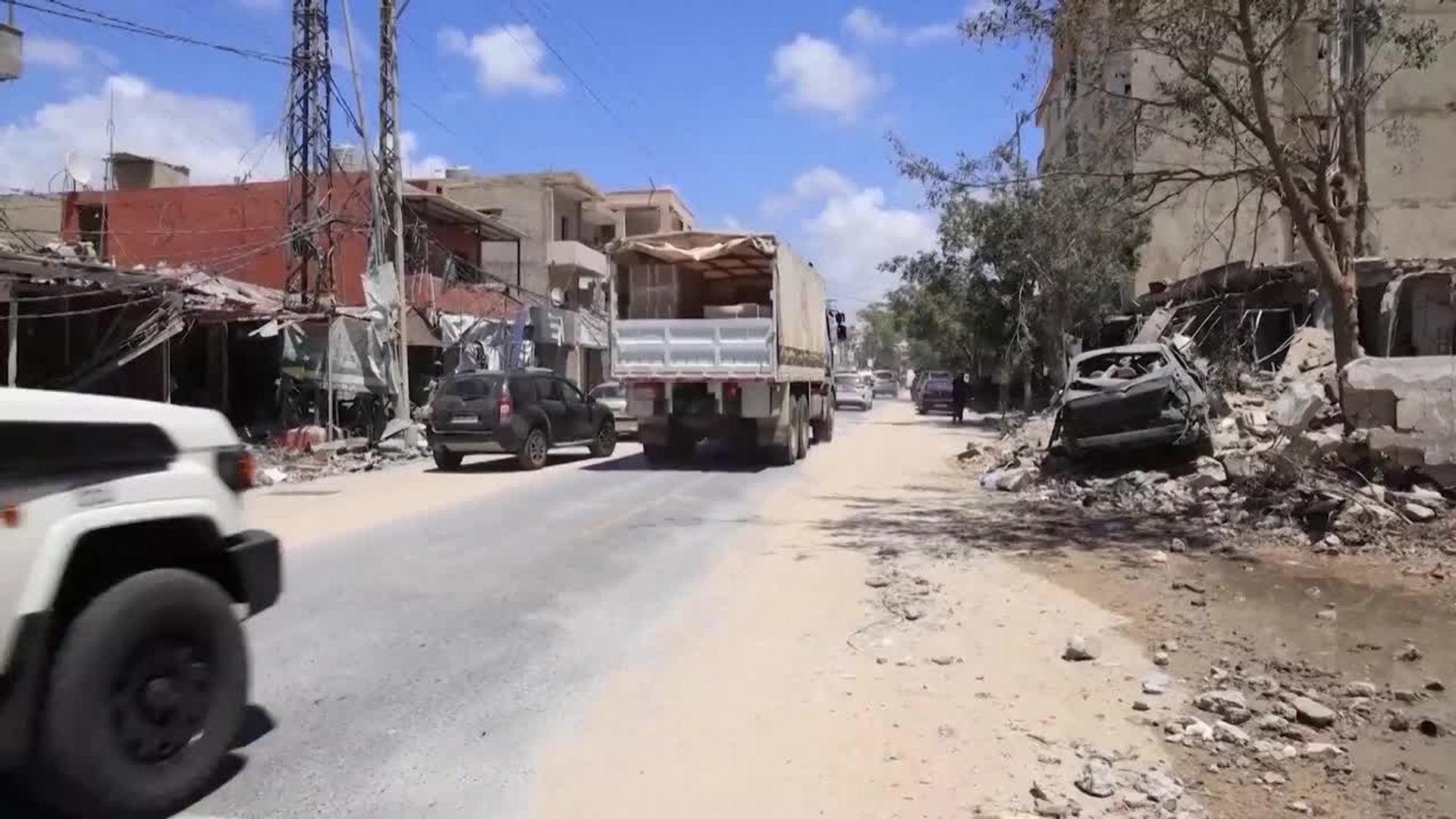
The escalation came despite the renewal of the June 26 ceasefire agreement between Lebanon and Israel, which UNIFIL said was tied to the disarmament of the Lebanon-based Hezbollah group but did not specifically call for the withdrawal of Israeli forces.
Al Jazeera also reported that Israel still occupies several parts of southern Lebanon and that Hezbollah rejected the deal, saying it will not agree until Israel withdraws from Lebanon, while Lebanon’s President Joseph Aoun voiced support for extending UNIFIL’s mandate.A
Political blame and next risks
Lebanon’s Speaker of the Lebanese Parliament Nabih Berri said the killing of civilians by the "Zionist regime" and the targeting of the Ministry of Finance building in Nabatiyeh are crimes that must be condemned and strongly protested.
“If these actions indicate anything, they show that the Zionist regime”
Berri said, "If these actions indicate anything, they show that the Zionist regime, by continuing its devastating war in a bloody and unprecedented manner, has decisively proven that it has not adhered to any form of ceasefire agreement," and he added that southern Lebanon is being turned into "a ballot box with blood" in the upcoming electoral race.
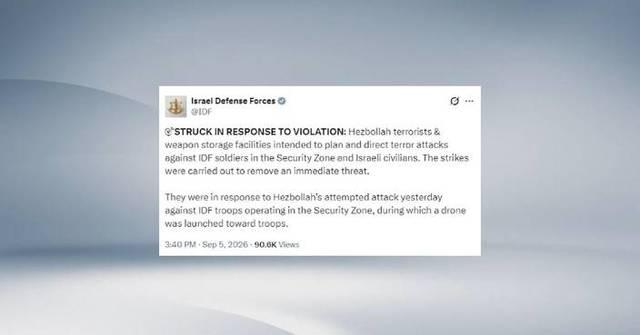
AFP reported that despite a ceasefire between Israel and Hezbollah, Lebanon’s Ministry of Health said Israeli strikes hit five towns in the Sidon (Saida) and Nabatieh regions in the south and an airstrike on the Beqaa Plain, and it quoted Israeli Defense Minister Yoav Katz saying the army will reinforce its positions.
AFP also reported that UN humanitarian coordinator in Lebanon Imran Riza expressed regret that families returning to Nabatieh during the ceasefire period "face widespread destruction, a lack of essential services, and ongoing insecurity," leaving civilians in the region exposed as raids continue.