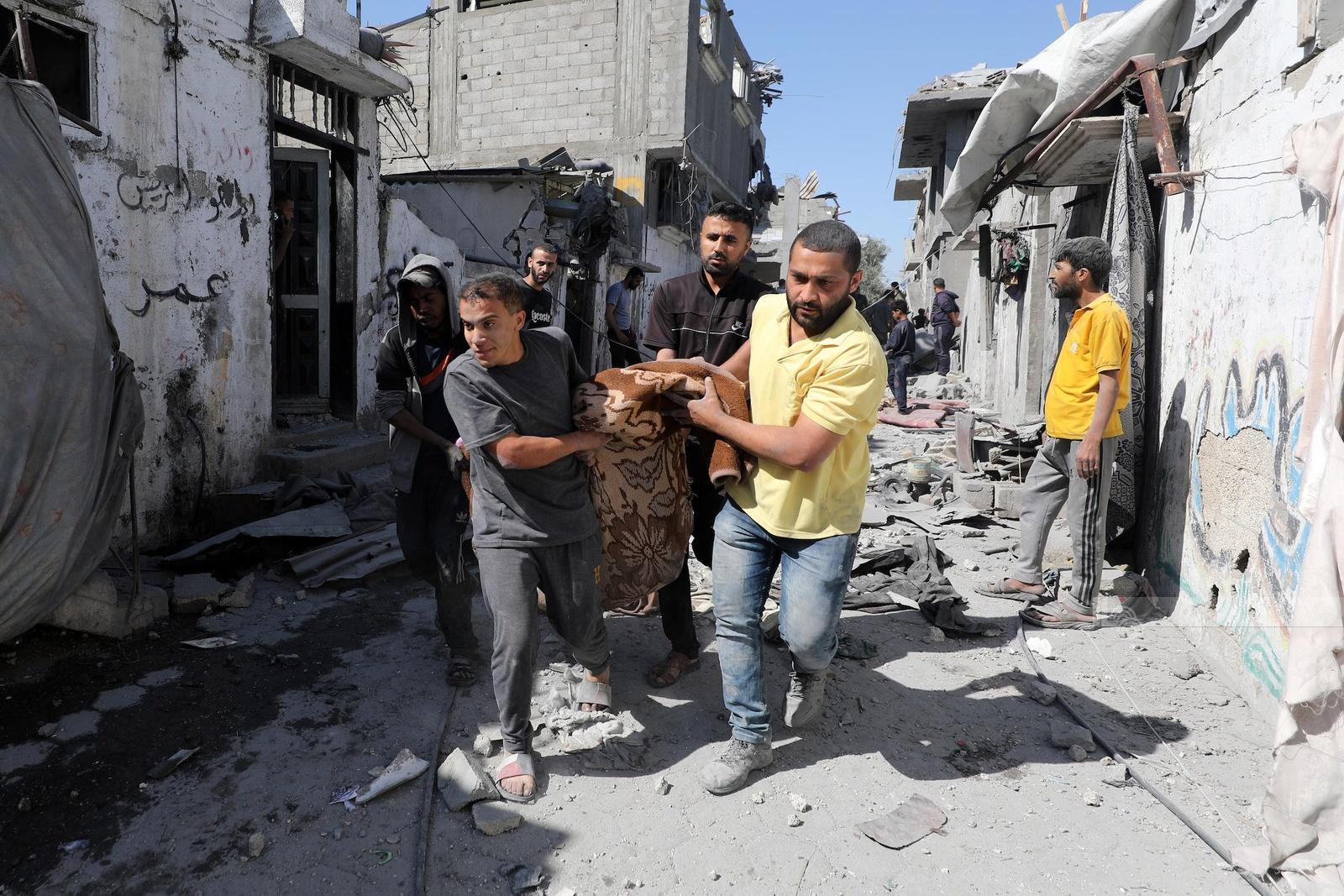
Israeli Attacks Kill At Least Four Palestinians Across Gaza Despite Ceasefire
Key Takeaways
- Four Palestinians killed across Gaza despite ceasefire.
- Air strike near Al-Mughraqa killed one.
- Two killed near Gaza City; a 40-year-old woman killed in southern Gaza.
Ceasefire, then killings
Israeli attacks in Gaza killed at least four Palestinians across the Strip despite a “ceasefire” agreed last October, according to medics and local health officials cited by Al Jazeera.
“Israeli attacks have killed at least four Palestinians across the Gaza Strip, according to medics and local health officials, despite a “ceasefire” agreed last October”
Al Jazeera reported that one person was killed in an air attack near the central village of al-Mughraq, while two others were killed by gunfire and shelling near Gaza City.

In southern Gaza, health officials said Israeli forces shot a 40-year-old woman dead in Khan Younis.
The Straits Times likewise said Israeli military attacks killed at least four Palestinians in the Gaza Strip on April 26, with medics describing an air strike near the central village of Al-Mughraqa and gunfire and tank shelling near Gaza City.
The Straits Times also reported that Israeli forces shot and killed a 40-year-old woman in Khan Younis, and that the Israeli military said it was looking into the reported strikes.
The Straits Times further stated that Israel said it had struck and killed several Hamas militants in Gaza since April 24.
Al Jazeera’s Hind Khoudary, reporting from Gaza City, said three Palestinians were shot by a quadcopter drone near the al-Kuwait roundabout and close to the so-called Netzarim Corridor.
Al Jazeera added that the situation was unfolding as Israeli forces continued expanding the “Yellow Line,” where Israel has partitioned Palestinian territory into separate zones.
Aid blocked, shortages deepen
Beyond the immediate deaths, Al Jazeera said shortages of food and medicine remained severe amid Israel’s blockade on aid entering the Strip.
Hind Khoudary reported that “Normal medications are not available, so people suffering from cancer or diabetes are struggling to secure treatment,” linking the medical crisis to the blockade.
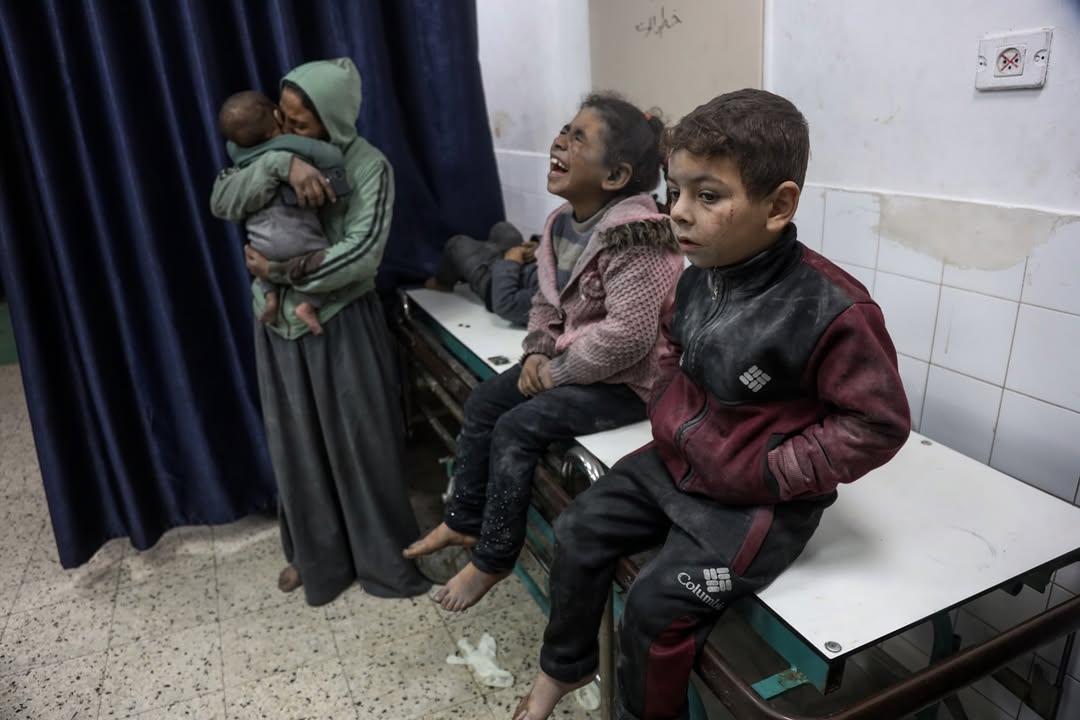
She said that when the ceasefire started, it was meant to be “600 trucks a day,” but “what is entering is only around 150 to 190 trucks,” and that people were saying they “don’t have food.”
Al Jazeera also reported that at least 800 Palestinians have been killed since the “ceasefire” took effect, citing the Palestinian Ministry of Health.
In parallel, Oz Arab Media repeated the same structure of claims, stating that the blockade restricted aid so that only “around 150 to 190 trucks” were entering daily rather than “600 trucks.”
Oz Arab Media also echoed the same death toll framing, saying the Palestinian Ministry of Health reports that “at least 800 Palestinians have been killed since the ceasefire took effect,” while Israeli sources claim that “four of its soldiers have been killed during the same period.”
The Straits Times similarly stated that at least 800 Palestinians have been killed since the ceasefire deal took effect, while Israel says militants have killed four of its soldiers over the same period.
NBC News described the longer-running humanitarian deterioration after the ceasefire, saying Gaza’s most dire conditions now include “rats who devour her family’s scarce food,” as well as “open-air sewage” and destroyed hospitals, schools and residential buildings.
Claims, denials, and drone fire
Multiple reports described a pattern of Israeli claims about militant deaths alongside denials or lack of evidence about specific strikes.
Al Jazeera said the Israeli military claimed, “without providing evidence,” that its forces had killed several Hamas fighters in Gaza since Friday, and it placed that claim alongside the reported killings of civilians.
Al Jazeera’s Hind Khoudary described “daily violations and breaches against people here – daily air strikes, drones constantly buzzing in the sky,” and she tied the drone shootings to the geography of the Netzarim Corridor and the al-Kuwait roundabout.
She said the “yellow blocks are advancing further into the Gaza Strip,” and she warned that “This means more people are going to be shot. Whoever crosses these yellow blocks is being shot and killed, restricting freedom of movement.”
Middle East Online likewise framed the same incidents as “Fresh bloodshed in Gaza as Israeli fire claims four lives,” and it reported that the Israeli military said it was unaware of any attack by its troops in the area at the time of one reported incident, while also saying it was looking into other reported strikes.
Middle East Online also said Israel and Hamas blamed each other for ceasefire violations.
The Straits Times reported that the Israeli military said it was looking into the reported strikes and separately said it had struck and killed several Hamas militants in Gaza since April 24.
In Democracy Now!, the account of ceasefire violations included a direct statement from Ibrahim describing the aftermath of an Israeli airstrike and the lack of information about a ceasefire.
Competing narratives of the same ceasefire
The sources diverged in how they framed the ceasefire’s meaning and the scale of violations, even when describing overlapping events.
Al Jazeera anchored its report in “Israeli attacks” killing at least four Palestinians “despite a “ceasefire” agreed last October,” and it described Hind Khoudary’s account of the “Yellow Line” expanding and the resulting restrictions on movement.

Oz Arab Media presented the same core claims in Arabic and English—“Israeli attacks have killed at least four Palestinians across the Gaza Strip”—and it likewise emphasized the blockade’s impact through the “600 trucks a day” versus “150 to 190 trucks” comparison.
Middle East Online used a different framing, calling it “Fresh bloodshed in Gaza as Israeli fire claims four lives” and adding that Israel conducted “almost daily attacks on Palestinians” despite an October 2025 ceasefire.
The Straits Times, while also citing medics and health officials, placed the event in a broader timeline by stating that violence persisted “despite an October 2025 ceasefire” and by adding that Hamas’ Oct 7, 2023, attacks on Israel killed “1,200 people,” according to Israeli tallies.
NBC News shifted the emphasis away from a single day’s strikes and toward the lived conditions of civilians “Six months after Trump’s ceasefire in Gaza,” describing disease, hunger, and continuing Israeli attacks alongside “talks over Gaza’s future” that “barely progressed.”
NBC News quoted Bishara Bahbah saying, “Then the Iran war came and nobody talks about Gaza as a result,” and it included an anonymous board official’s statement that “life remains very challenging in Gaza and more needs to be done to meet urgent civilian needs.”
Middle East Monitor offered yet another narrative scale, saying “11 Palestinians killed in Israeli strikes across Gaza despite ceasefire” and attributing the deaths to strikes on a police vehicle in Khan Yunis and homes near Kamal Adwan Hospital in Beit Lahia.
What comes next, and what’s at stake
Across the reporting, the stakes were framed as both immediate civilian survival and the political conditions for any longer-term governance or reconstruction.
NBC News described how plans for “reconstruction and humanitarian relief” and “a more permanent governance structure in Gaza” are “gridlocked by diplomatic disagreements over Hamas’ disarmament,” and it tied the impasse to Trump’s ceasefire framework.

NBC News quoted an official with the board saying, “We are pressing for quick agreement of the full and sequenced implementation of the roadmap for the decommissioning of weapons in Gaza, the deployment of the International Stabilization Force, the transition of authority to the National Committee for the Administration of Gaza, and the withdrawal of Israeli forces,” and it reported that a State Department official said American leadership and “targeted negotiations” had improved humanitarian “access.”
NBC News also included Israel’s stated position through a U.S. official, saying, “Anything short of full demilitarization undermines Gaza’s recovery, Israel’s security and regional stability,” and it reported that reconstruction was “contingent on Hamas laying down its weapons.”
In the same report, the Palestinian Health Ministry in Gaza said “784 people have been killed by Israeli attacks since the ceasefire came into effect in October,” while the International Rescue Committee reported that around “77% of Gaza’s population is expected to face acute food insecurity this year.”
NBC News quoted Sam Rose of UNRWA Affairs in Gaza saying, “We’re not getting beyond the immediate basic humanitarian needs,” and it quoted COGAT dismissing claims about conditions as “biased and “promoted by interested parties seeking to create a false impression of a crisis in the Gaza Strip as part of an effort to discredit Israel.”
Anadolu Ajansı added a longer arc of consequences by stating that Israel has destroyed “90 percent of Gaza's civilian infrastructure,” and it said a UN-estimated reconstruction cost is “about $70 billion.”
Al Jazeera’s Hind Khoudary warned that as the “yellow blocks are advancing further into the Gaza Strip,” “This means more people are going to be shot.”
More on Gaza Genocide

Israel Detains Jerusalem Grand Mufti Sheikh Muhammad Hussein, Bans Him From Al-Aqsa for One Week
15 sources compared
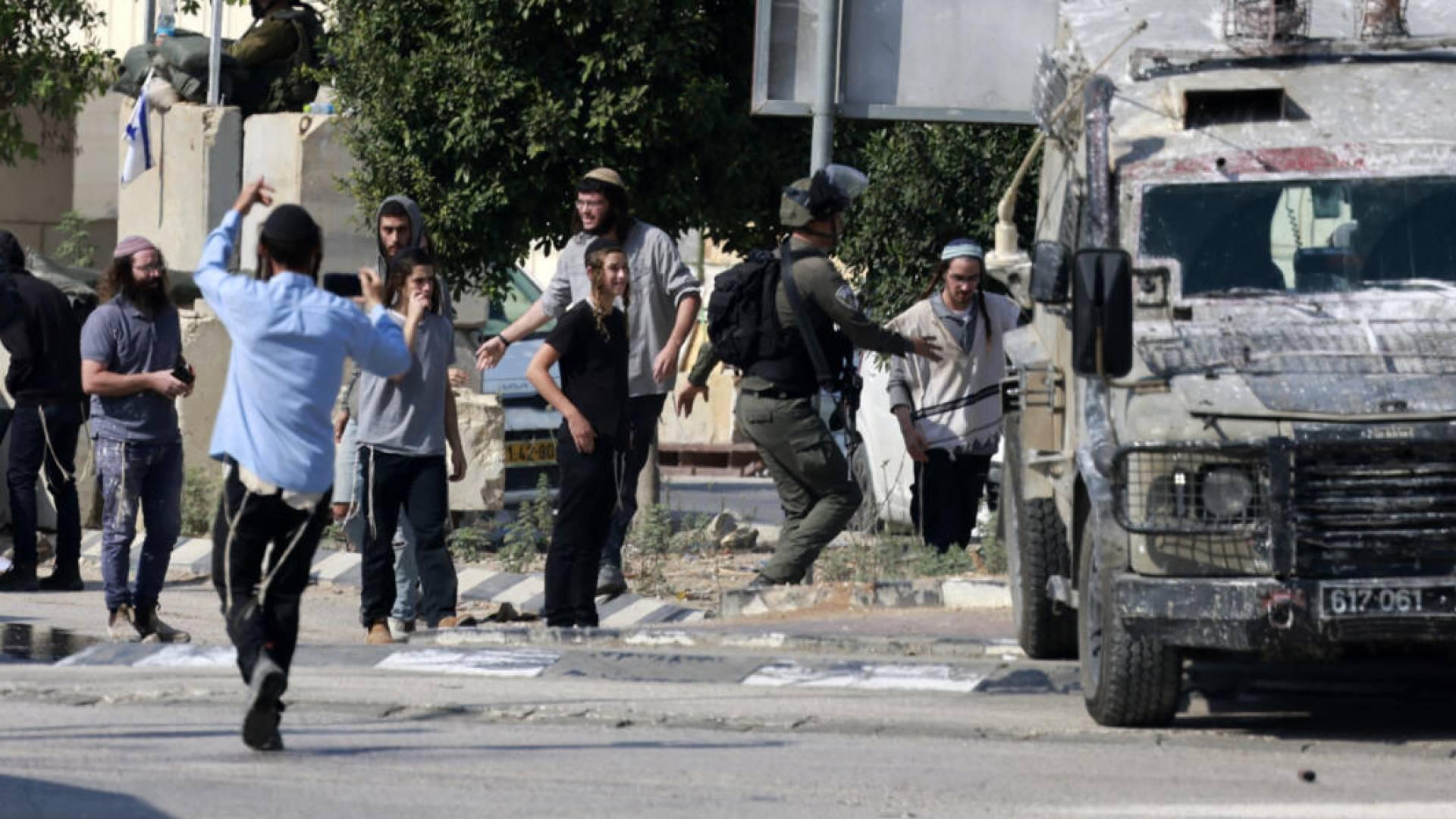
Israeli Security Forces Kill Four Bani Odeh Family Members Near Tubas in West Bank
14 sources compared

Haley Stevens And Abdul El-Sayed Clash In Michigan Senate Debate Over Israel And Gaza Policy
12 sources compared
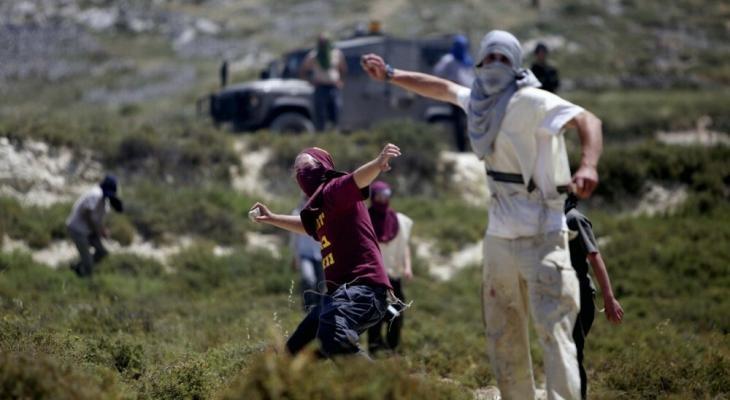
Settlers Attack Hawara, Injuring 13 Palestinians South of Nablus
13 sources compared