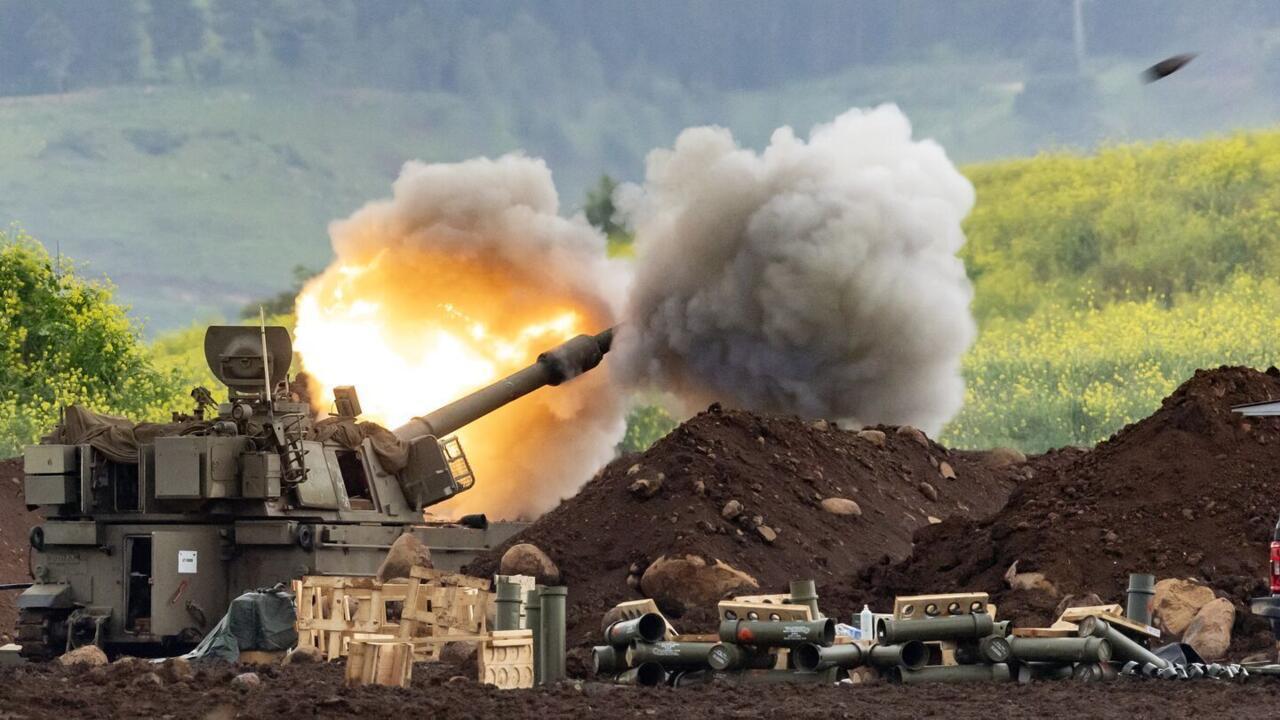
Israeli Drone Strike Kills One Person in Southern Lebanon on First Full Day of U.S.-Brokered Truce
Key Takeaways
- One person killed by Israeli drone strike in southern Lebanon on ceasefire's first day.
- The 10-day U.S.-brokered ceasefire with Lebanon began overnight, marking first major pause.
- Ceasefire violations and ongoing hostilities reported by multiple outlets.
Ceasefire day, strike reported
On the first full day of a U.S.-brokered truce meant to end hostilities between Israel and Hezbollah, an Israeli drone strike killed one person in southern Lebanon, according to paramedics in the area and “the head of a local hospital,” as Reuters reported Friday.
The strike was reported “minutes after U.S. President Donald Trump said the United States had banned Israel from further bombing in Lebanon,” with Trump posting: “Israel will not be bombing Lebanon any longer. They are PROHIBITED from doing so by the U.S.A. Enough is enough!!!”.

Hezbollah halted fire at Israeli targets when the ceasefire came into force, but “has stopped short of publicly endorsing the deal,” Reuters said, while crediting “Iranian pressure on Washington for yielding the ceasefire.”
Trump also said any deal the United States reaches with Iran “is in no way subject to Lebanon” and that the U.S. will “deal with” the militant Hezbollah situation “in an appropriate manner.”
In parallel, the Lebanese army reported ceasefire violations by Israel on Friday, including “intermittent shelling of several southern Lebanese villages,” and urged citizens to “hold off on returning to southern villages and towns.”
In the Hezbollah-controlled southern suburbs of Beirut, rubble remained and residents described fear about returning, with Ali Hamza saying, “It is impossible to live in these circumstances, and with these smells,” and adding, “A full return is difficult now, despite the hardship of displacement.”
The ceasefire’s start was also described as taking effect at midnight local time, with traffic building toward a crossing over the Litani River near Qasmiyeh after Israel destroyed major bridges during the war.
Medics hit, ‘quadruple tap’
Even as the ceasefire deal was being implemented, multiple reports described continued Israeli strikes that killed and wounded Lebanese medics during the broader Israel-Hezbollah war.
The Guardian recounted a rescue mission in Mayfadoun, in southern Lebanon, where paramedics from the Islamic Health Association (IHA) rushed to an Israeli airstrike scene after “most of the paramedics held back,” having previously seen colleagues killed by “double-tap attacks targeting rescuers.”

The Guardian described how the IHA medics were “caught in a second strike,” and then “their ambulances” were hit “in two further attacks,” turning the response into “a nightmare as Israel carried out three consecutive strikes on three sets of ambulances and medical workers.”
In total, the attacks “killed four medics and wounded six more, from three different ambulance corps,” and the Guardian said “Three of the medics were from the Hezbollah-affiliated IHA and Amal-affiliated medical corps, while one was from the Nabatieh emergency services organisation.”
The Guardian said the incident prompted a new term, “the quadruple tap,” and included a video description where “Oh God, oh God,” could be heard as rescuers extracted a driver and carried blood-covered medics out of the vehicle.
The Lebanese ministry of health accused Israel of deliberately targeting ambulance crews, saying, “Paramedics have become direct targets, pursued relentlessly in a blatant violation that confirms a total disregard for all norms and principles established by international humanitarian law.”
AP similarly described “three consecutive, targeted strikes” on Wednesday that killed four Lebanese rescue workers and wounded six others, with the Israeli military “looking into” what happened and having previously accused Hezbollah of using ambulances as cover “without offering evidence.”
In the AP account, Abou Haidar Hayya said he feared direct targeting of medics meant, “there are no more red lines in this war,” and added, “Ambulances are protected under all international laws and conventions. It is forbidden to target them. And when those prohibitions collapse, we have nothing left.”
Negotiations, buffer zone, and anger
As diplomatic efforts unfolded, reporting described continued strikes and political backlash inside Lebanon over direct talks and the terms being discussed.
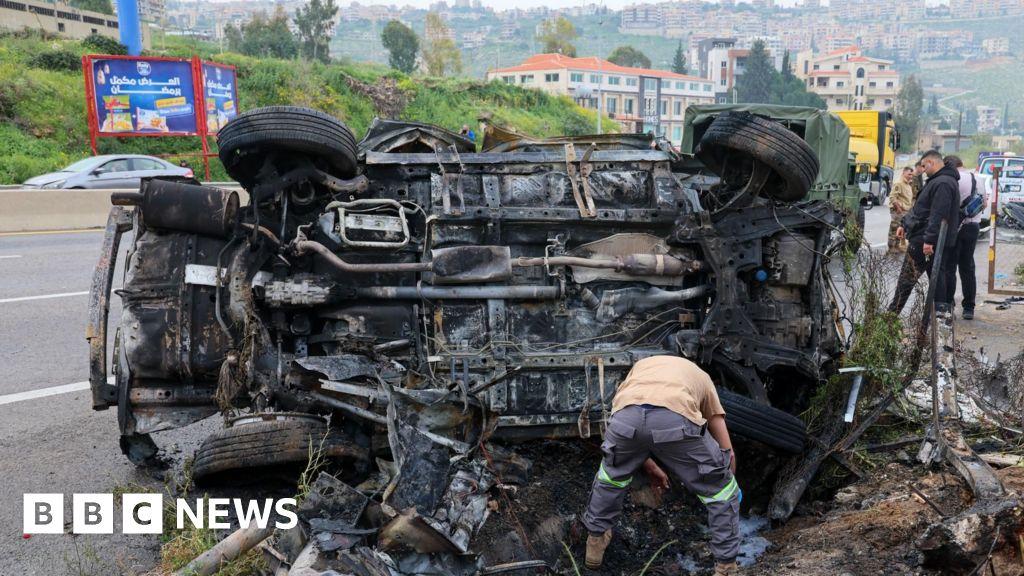
The BBC said fighting continued after Israel and Lebanon held direct talks in Washington aimed at easing the conflict, with Israeli strikes hitting “two vehicles on the coastal highway south of Beirut, near the towns of Saadiyat and Jiyeh,” and with Hezbollah launching “about 30 rockets across the border,” according to medics and the military.
The BBC reported that Israeli troops were continuing ground operations in southern Lebanon and that “more than 200 Hezbollah infrastructure sites there, including rocket launchers, had been struck over the past 24 hours,” while Israel renewed calls for residents to evacuate.
It also said Israel announced plans to create a security buffer zone “extending eight to 10km (five to six miles) inside Lebanese territory,” and that the fighting continued despite a ceasefire between the US and Iran, which Israel said “does not apply to its campaign in Lebanon.”
In Washington, US Secretary of State Marco Rubio was quoted saying, “This is a historic opportunity,” and Lebanese President Joseph Aoun voiced cautious optimism that negotiations would “mark the beginning of the end of the suffering of the Lebanese people.”
The BBC also described deep divisions within Lebanon, with Hezbollah strongly rejecting the negotiations and MP Hassan Fadlallah warning on Wednesday that a rift could widen, urging authorities to reconsider.
Al Jazeera reported “Anger in Lebanon as Israel launches deadly strikes despite diplomatic drive,” quoting its Beirut correspondent saying, “There is anger here. People believe the Lebanese government should not have sat down with Israel, the enemy,” and adding that residents wanted “an end to the attacks.”
Al Jazeera said Hezbollah lawmaker Hassan Fadlallah accused the Lebanese government of “squandering Lebanon’s political and military strength,” criticizing it for withdrawing its army from the south and “leaving it vulnerable to occupation and giving the enemy free rein.”
The same Al Jazeera report said Netanyahu told audiences that Israeli forces were about to “overwhelm” Bint Jbeil and would continue strikes on Hezbollah, while also stating the primary goal was to “dismantle” Hezbollah and achieve “a sustainable peace… achieved through strength.”
Ceasefire terms and violations
Multiple outlets described the ceasefire’s structure and the immediate disputes over whether it was being violated, while also laying out competing expectations for what would happen next.
tv5monde said the “ten-day ceasefire between Israel and Lebanon went into effect this Friday, April 17, after being announced by U.S. President Donald Trump,” and described the Lebanese army denouncing violations by Israel in the south, with Hezbollah saying it would respond.
It reported that the truce began at midnight local time and was meant to pave the way for direct negotiations, while also quoting the Lebanese presidency’s hope for “the withdrawal of Israeli forces from Lebanese territory.”
tv5monde said Trump announced that Israeli Prime Minister Benjamin Netanyahu and Lebanese President Joseph Aoun would travel to the White House for a joint meeting “within the next four or five days,” and it also reported that the Lebanese president refused an American request to establish “direct contact” with Netanyahu, citing an AFP account.
The report included a condition described as a Lebanese government commitment: “As of April 16, 2026, at 5:00 p.m. local time (9:00 p.m. GMT), and with the support of the international community, the Lebanese government will take concrete measures to prevent Hezbollah and all other non-state armed rebel groups present on Lebanese territory from carrying out attacks, operations or hostile activities against Israeli targets.”
tv5monde also said Netanyahu specified that Israeli armed forces would “stay in the south [of Lebanon] in a ten-kilometer-deep border strip,” and that the Lebanese army spoke of “a number of violations of the agreement, several Israeli aggressions having been recorded.”
In parallel, Reuters reported that the Lebanese army urged citizens to “hold off on returning to southern villages and towns” after reporting intermittent shelling, and it said there was “no immediate comment from the Israeli military.”
WAFA and AP both described a first fatality after the truce took effect, with WAFA saying a Lebanese citizen was killed in Israeli shelling of a motorcycle in Kounin in Bint Jbeil, and AP saying an Israeli strike in the area of Kounine hit a car and a motorcycle, killing one person and wounding three.
The Week’s AP-style account said it was “the first airstrike and first fatality reported since a 10-day truce” took effect overnight, while also noting that the Lebanese army and UN peacekeepers reported “sporadic artillery shelling” in some parts of the south.
Human cost and burial limits
Beyond the ceasefire’s first day, France 24 described how Israeli bombardment in southern Lebanon left families unable to bury their dead in their home cemeteries, forcing temporary burials in Beirut.
“Israel and Hezbollah continue attacks after Israel-Lebanon talks in US Fighting between Israeli forces and the Iran-backed Lebanese group Hezbollah has continued after Israel and Lebanon held direct talks in Washington aimed at easing the conflict”
The report focused on the Sabagh family from Nabatieh, saying Israeli shelling destroyed their home and killed “the mother, the son, and the family's foreign domestic helper,” and that the family was “forced to bury them temporarily in Beirut” because they could not move the bodies to the family cemetery in southern Lebanon due to bombing and a “no-go zone imposed by the Israeli army.”
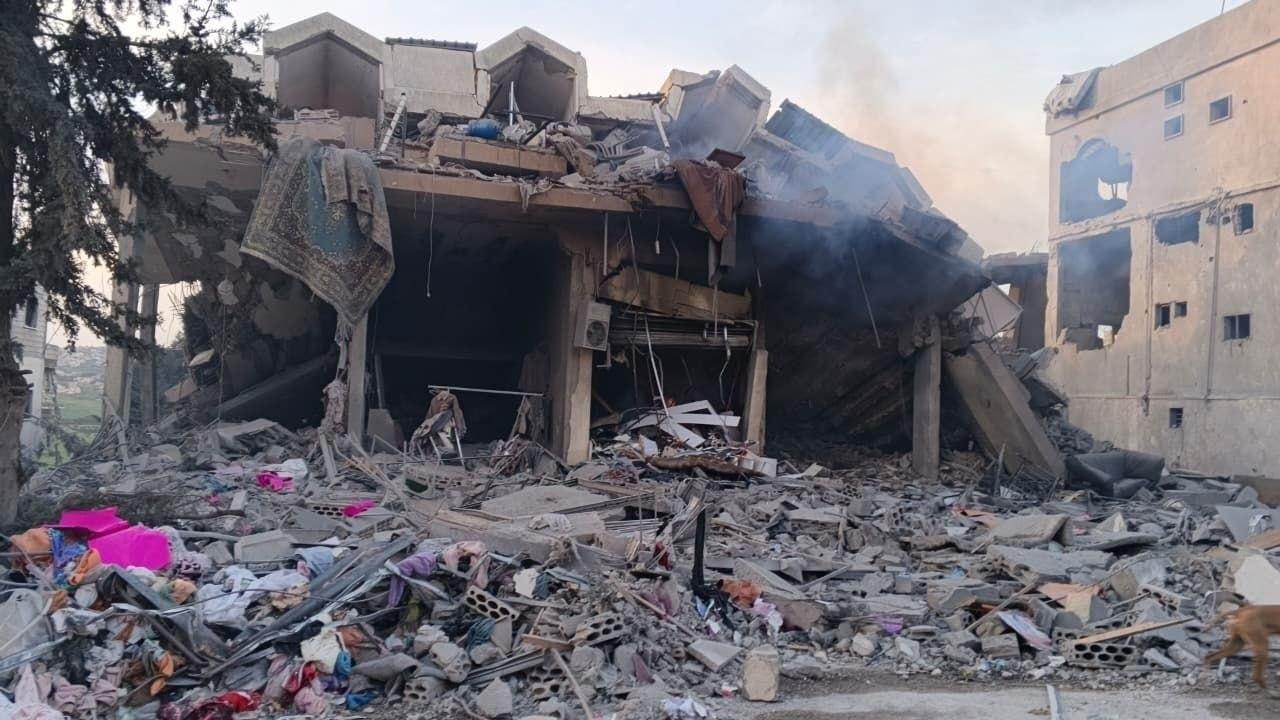
France 24 quoted Wael Sabagh saying, “We are from southern Lebanon, from Nabatieh, and it is being shelled daily. We want to bury them in the family cemetery, but unfortunately we cannot do so.”
It described the brothers Ali and Wael standing before rubble of a building that had housed their family home for “more than 50 years,” and said the site was “completely destroyed in Israeli air raids last week” that killed their mother, their brother, and the foreign domestic helper.
The report said the brothers could not risk traveling south, nor could they send someone in their place “for fear of being killed in the raids,” and it included Wael’s plea: “No one should have to go through this. Unfortunately, my brother and sister and I are not the only ones going through this... hundreds, if not thousands, of families... in the same mourning and grief as I am, and they cannot comprehend what happened.”
France 24 also described the wider context of deaths and displacement, saying Lebanese authorities reported “more than 350 people were killed across the country in a single day” during Israeli attacks on Beirut last week, and that authorities said “more than 2,160 people have been killed in Lebanon” since the outbreak of the latest war.
It added that displacement exceeded “more than 1.2 million people,” and that Hezbollah fired rockets at Israel in solidarity with Tehran while Israel responded with a “full-scale war on Lebanon.”
In the same report, Ali Sabagh said, “We will always be under the mercy of the Israelis in this way,” and described plans for legal action, while also quoting his reflection on rebuilding: “A few years from now, there will be a new building, new children, new mothers... and new brothers... I will return, I will remember. No one else will remember but me.”
More on Lebanon

Naim Qassem Says Hezbollah Truce With Israel Must Be Two-Sided, Vows Response To Attacks
16 sources compared

Macron Blames Hezbollah for Killing French UNIFIL Peacekeeper in Southern Lebanon
16 sources compared
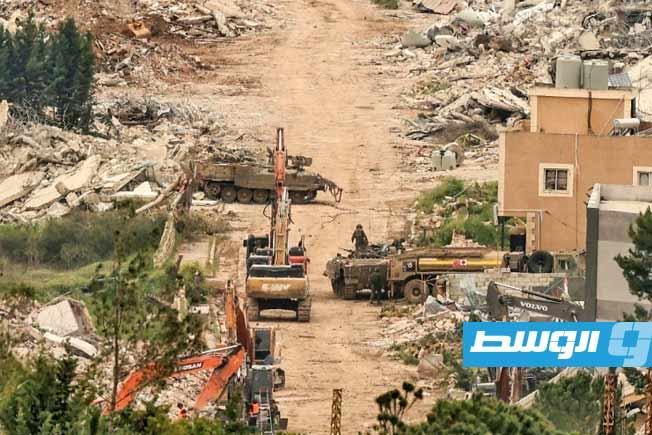
Israel Attacks Lebanon After Ceasefire, Leaving Nabatieh Residents Returning to Destroyed Homes
35 sources compared
Lebanese Return to South Lebanon After Israel-Lebanon 10-Day Ceasefire Takes Hold
27 sources compared