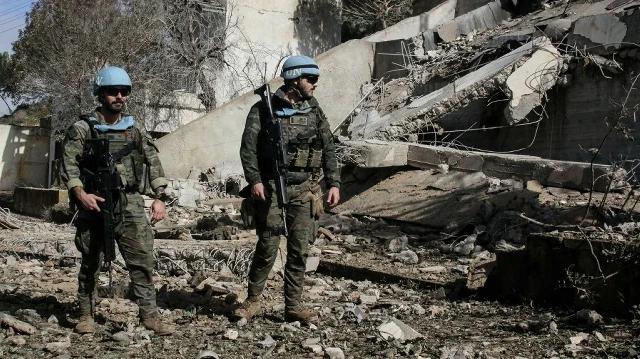
Israeli Drone Strike Kills One, Wounds Two in Lebanon’s Bekaa During Ceasefire
Key Takeaways
- One person was killed and two wounded in an Israeli drone strike in Lebanon's Bekaa.
- The strike occurred despite an ongoing Lebanon-Israel ceasefire.
- The attack targeted the western Bekaa near Al-Jbour, per state media.
Drone strike despite truce
An Israeli drone strike killed one person and wounded two others in Lebanon’s Bekaa Valley on Wednesday, according to Lebanese state media reports cited by Anadolu Ajansı and Naharnet.
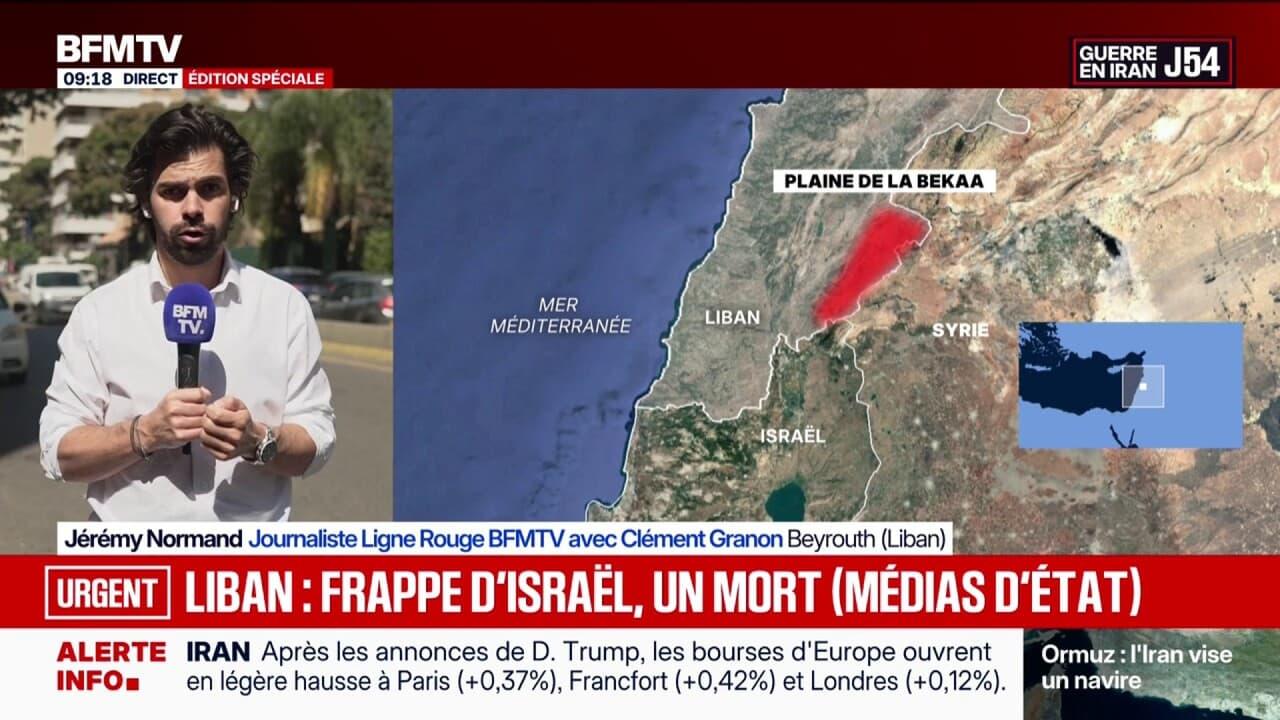
Anadolu Ajansı said the drone hit the outskirts of al-Jbour in the Bekaa Valley at dawn, citing the National News Agency, and noted that the strike occurred despite a 10-day ceasefire between Lebanon and Israel that commenced Friday.
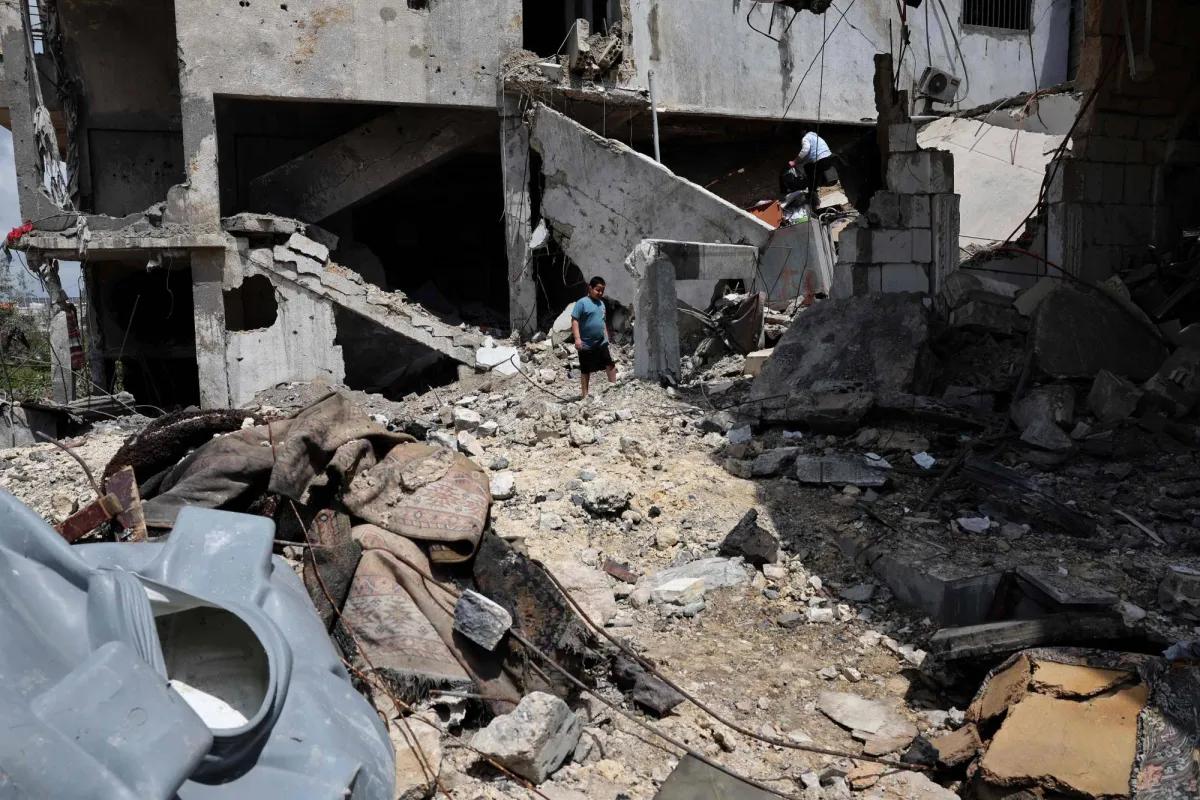
Naharnet similarly reported that “One person was killed and two others were wounded as a result of an attack carried out by an enemy drone at dawn on the outskirts of Al-Jabur in West Bekaa,” quoting Lebanon’s state-run National News Agency (NNA).
The same incident was also described by Sharjah24, which said the attack targeted the outskirts of Al Jebbour area in western Bekaa and resulted in one death and two injuries, citing the Lebanese National News Agency.
Devdiscourse added that the Israeli military denied awareness of such an incident while the National News Agency claimed it occurred near al-Jbour.
Across the reports, the common thread is that the strike happened at dawn on the outskirts of al-Jbour/Al-Jabur/Al Jebbour in western Bekaa during the early days of the ceasefire.
The Anadolu Ajansı report also tied the incident to statements by Israeli Defense Minister Israel Katz about maintaining control over areas Israel occupied in southern Lebanon.
Ceasefire and occupation intent
The drone strike reports landed in the context of a 10-day ceasefire between Lebanon and Israel that took effect on Friday, with multiple outlets emphasizing that the attack occurred almost immediately after the truce began.
Anadolu Ajansı said the Israeli drone strike occurred “despite a 10-day ceasefire between Lebanon and Israel which commenced Friday,” and it linked the timing to Israeli Defense Minister Israel Katz’s remarks about maintaining control over occupied areas.
In the Anadolu Ajansı account, Katz said that “Israel intends to maintain control over all areas it occupied in southern Lebanon,” which the report presented as a signal about Israel’s approach during the ceasefire.
Yeni Safak English likewise framed the incident as an “Israel violates Lebanon ceasefire with deadly Bekaa drone strike,” describing it as an unmanned aerial vehicle operation that killed one civilian and injured two others.
Yeni Safak English added that the attack came “merely days” after the “ten-day cessation of hostilities pact” began last Friday, and it highlighted Katz’s public declaration that Tel Aviv would retain authority over every territory its military seized in southern Lebanon.
Naharnet provided additional detail on how the truce was being interpreted on the ground, saying that “Despite the truce which began on Friday, Israeli soldiers are still active in south Lebanon,” and it quoted Katz saying they would use “full force” if threatened.
Naharnet also stated that under the truce terms, “Israel says it reserves the right to act against "planned, imminent or ongoing attacks".”
Hezbollah response and Israeli denial
The sources also describe a cycle of accusations and responses around the ceasefire, with Hezbollah pointing to Israeli violations and Israel describing its own actions as responses.
Naharnet reported that Hezbollah on Tuesday said it had launched rockets and attack drones at a site in northern Israel in response to “blatant” Israeli ceasefire violations, including “attacks on civilians and the destruction of their homes and villages”.
It added that the Israeli military said that day that Hezbollah “launched several rockets” towards soldiers stationed in south Lebanon and that the military struck the launcher in response.
In the Bekaa drone-strike reporting, Devdiscourse introduced a further layer by saying the Israeli military denied awareness of the reported drone strike, even as the National News Agency claimed the incident occurred near al-Jbour.
Sharjah24, by contrast, presented the Lebanese National News Agency account as the basis for the casualty figures, stating that the report added that the attack resulted in one death and two injuries.
Anadolu Ajansı and Yeni Safak English both treated the Lebanese media casualty reporting as the operative facts, with Anadolu Ajansı citing the National News Agency and Yeni Safak English describing the drone attack as killing one civilian and injuring two others.
The different portrayals of Israeli acknowledgment versus denial show how the same incident can be framed through competing claims about what occurred and what Israel knew.
Casualty totals and displacement backdrop
Beyond the single Bekaa strike, Anadolu Ajansı and L’Orient Today placed the incident within a broader tally of casualties and displacement attributed to Israeli attacks on Lebanon since March 2.
Anadolu Ajansı said that “Since March 2, Israeli attacks on Lebanon have killed 2,294 people, wounded 7,544, and displaced more than 1 million,” citing official figures.

L’Orient Today reported that “Israeli attacks on Lebanon have killed over 2,454 people and wounded 7,658 others since March 2,” using a higher death toll and a different wounded figure.
The two totals therefore diverge in the sources, even though both anchor their counts to “since March 2.”
L’Orient Today also described a “relative lull of the cease-fire” in which residents of Kfar Sir in the Nabatieh district used the truce to hold a mass burial for people killed by Israel, with the ceremony organized on April 21, 2026.
It said the coffins of people killed by Israeli strikes during “Israel's last war on Lebanon” were laid out in Kfar Sir, Nabatieh, and it described that some had been provisionally buried elsewhere.
The Anadolu Ajansı report did not mention Kfar Sir, but it did connect the ceasefire period to the scale of the conflict’s human impact.
Escalation risk and ongoing strikes
While the ceasefire is described as a 10-day truce, multiple sources portray continued military activity and threats that keep the risk of escalation alive.
“Israeli strikes in Lebanon’s Bekaa Valley continue to hit communities, and the Israel x Hezbollah ceasefire by June 30 market sits at ## Market reaction The ceasefire markets are priced at ## Why it matters The gap between the 100% market pricing and continued military operations in the Bekaa Valley is the real story here”
Naharnet said that “NNA on Wednesday reported Israeli artillery shelling and demolitions in southern towns Israel currently occupies,” listing Khiam, Kfarkila, Aita al-Shaab, Wadi Slouqi, Shaqra, Houla and al-Bayyada.
It also stated that “Israel conducted huge strikes across Lebanon and invaded the south after Hezbollah entered the Middle East war in support of its backer Iran on March 2,” placing the current period in a longer escalation arc.
Naharnet further emphasized that “Despite the truce which began on Friday, Israeli soldiers are still active in south Lebanon,” and it quoted Israel Katz saying Israel would use “full force” if threatened.
Anadolu Ajansı and Yeni Safak English both framed the Bekaa drone strike as evidence that Israel’s actions were inconsistent with ceasefire expectations, with Yeni Safak English explicitly calling it a violation.
Elnashra, in a separate account, described Israeli airstrikes and artillery targeting multiple locations and bridges, including saying that “Israeli warplanes attacked the Dalafah Bridge twice, resulting in its destruction” and that the Israeli air force targeted the bridge linking Sahmar to Mashghara over the Litani River.
Elnashra also said a Lebanese official told Reuters that Israel is bombing the last bridge connecting south Lebanon to the rest of the country, and it reported that the Israeli army threatened to strike the Dalafah Bridge between Hasbaya and Marjayoun in south Lebanon.
More on Lebanon
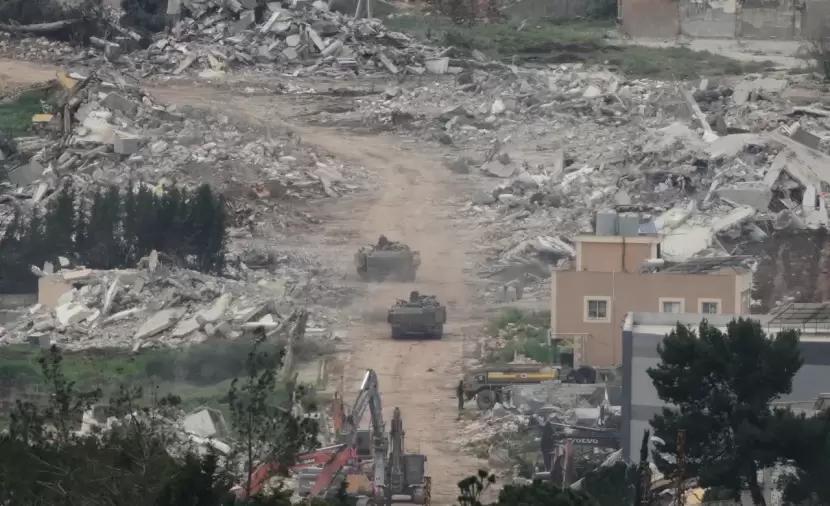
Israeli Forces Launch New Demolition Operations in Shamaa After April 17 Cease-Fire
10 sources compared
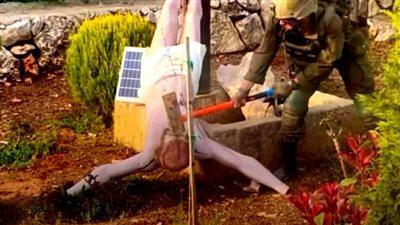
Israel Jails Soldiers After Sledgehammer Vandalism of Jesus Statue in Debl, Lebanon
29 sources compared
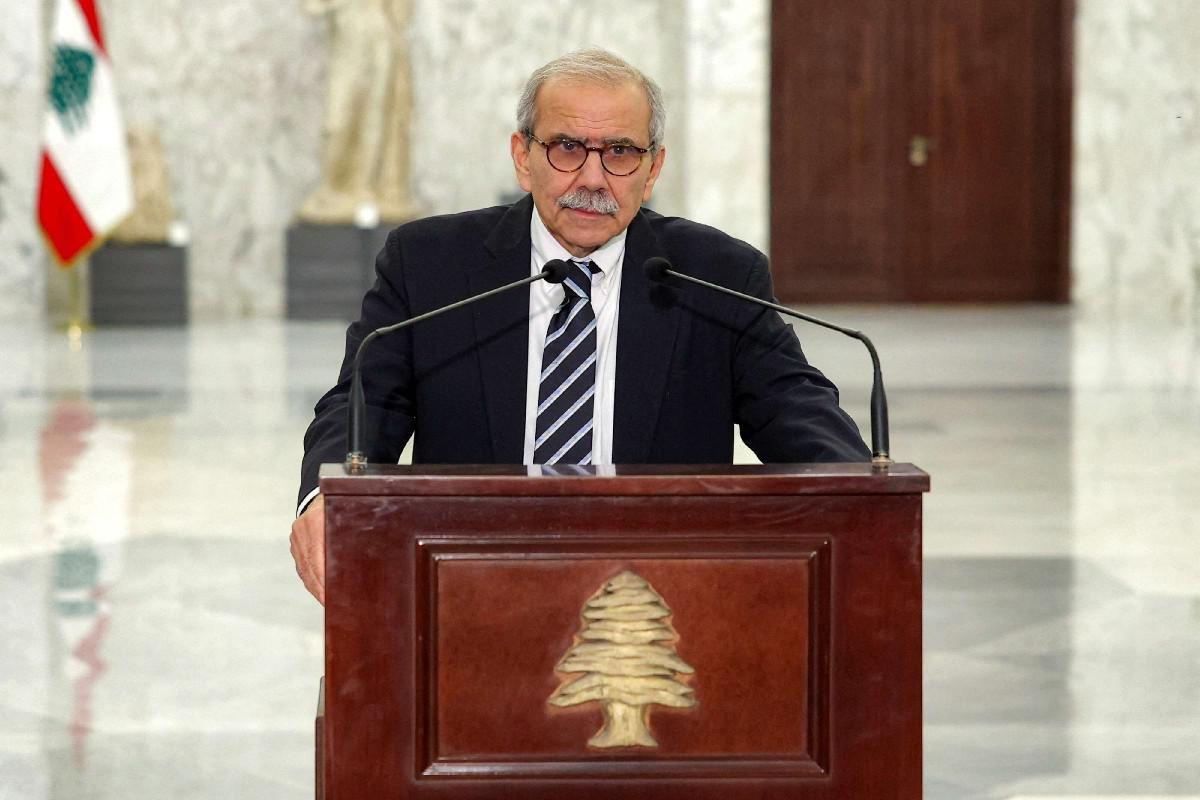
Macron Meets Nawaf Salam at Élysée Palace to Push Lebanon Ceasefire and Territorial Integrity
36 sources compared
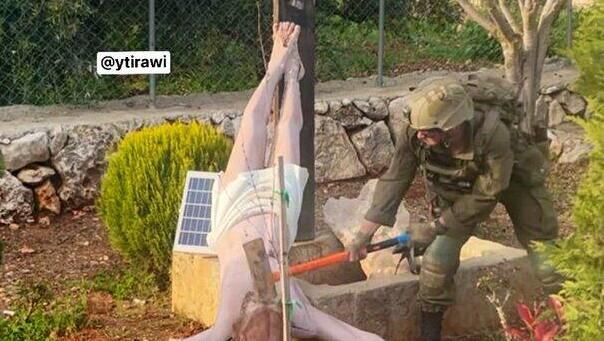
IDF Punishes Israeli Soldiers After Sledgehammer Vandalism of Jesus Statue in Debel, Lebanon
38 sources compared