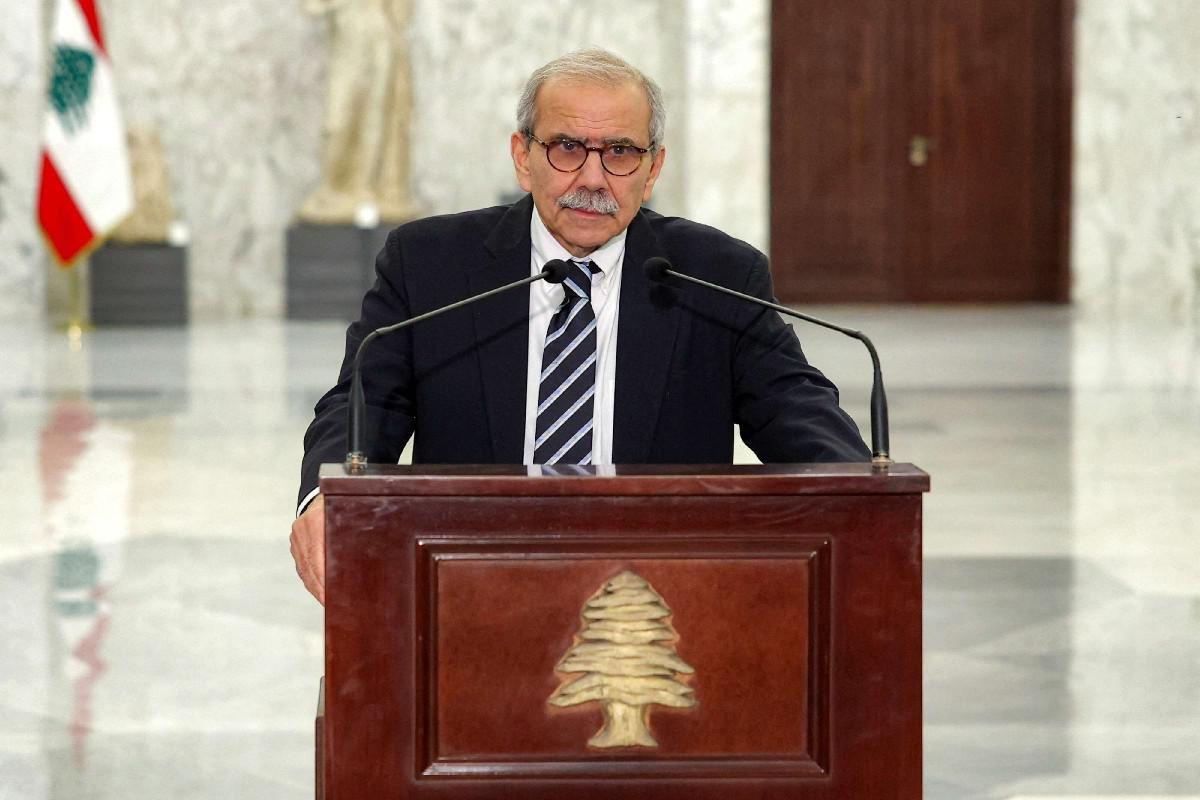
Macron Meets Nawaf Salam at Élysée Palace to Push Lebanon Ceasefire and Territorial Integrity
Key Takeaways
- Macron hosted Nawaf Salam in Paris to reaffirm Lebanon's ceasefire and sovereignty.
- France insists Lebanon's territorial integrity must be fully respected amid talks.
- Paris backs Lebanese-Israeli negotiations and supports the army to implement disarmament.
Ceasefire, talks, and tolls
Lebanon’s crisis is unfolding alongside a fragile ceasefire and a diplomatic push in Paris, with multiple outlets citing a rapidly rising death toll since early March.
“Macron to press Lebanon ceasefire and sovereignty in Paris talks French President Emmanuel Macron is to reaffirm France’s commitment to the ceasefire in Lebanon and support for the country's territorial integrity PARIS -- French President Emmanuel Macron is to reaffirm France’s full commitment to the ceasefire in Lebanon and support for the country’s territorial integrity at a meeting Tuesday in Paris with Lebanon’s Prime Minister Nawaf Salam, Macron’s office said”
L’Orient Today says Israel has killed a total of 2,454 people in Lebanon since March 2, citing a “new Health Ministry toll,” while RFI reports that Lebanese authorities put the toll from “six weeks of fighting” at “some 2,450 dead and at least 7,650 wounded since early March.”

Anadolu Ajansı adds that “Since March 2, Israeli attacks on Lebanon have killed some 2,300 people, wounded over 7,500, and displaced more than 1 million,” using official figures.
The same L’Orient Today report frames the military situation as continuing “bombing campaign across southern Lebanon,” saying it has “completely destroy[ed] a state school in Khiam and a mosque in Rshaf.”
RFI and Euronews both place the diplomatic meeting at the Élysée Palace, where French President Emmanuel Macron met Lebanese Prime Minister Nawaf Salam to “push for stability in southern Lebanon” and rally support for Lebanon “still reeling from weeks of war.”
In parallel, ABC News says Macron will reaffirm France’s commitment to the ceasefire and support for “the country’s territorial integrity” at a meeting in Paris with Salam.
The outlets also converge on the timing of renewed diplomacy, with RFI saying the meeting looked ahead to “renewed negotiations between Beirut and Tel Aviv,” and ABC News adding that Lebanon and Israel are set to hold a new meeting in Washington later this week.
Euronews ties the diplomatic sequence to a security shock, noting the death on Saturday of a French soldier serving with UNIFIL and reporting that “All 15 members of the UN Security Council condemned the attack.”
Macron’s conditions and Salam’s line
At the center of the Paris meeting, Macron pressed for a political and security framework that ties Lebanon’s territorial integrity to Hezbollah’s role, while Salam insisted Beirut would not be intimidated as it prepares direct talks with Israel.
RFI reports that Macron urged Israel to “renounce its territorial ambitions” in Lebanon while insisting that Hezbollah must stop firing into Israeli territory and be disarmed “by the Lebanese themselves.”

In the same account, Salam said Lebanon would need “€500 million over the next six months” to address humanitarian fallout, and RFI adds that the meeting focused on shoring up the ceasefire and reaffirming France’s backing for Lebanon’s “territorial integrity.”
The Jerusalem Post describes Salam’s posture as both cautious and firm, saying he told reporters his government was “not seeking confrontation with Iran-backed Hezbollah” but “would not allow itself to be intimidated” as it prepares direct talks with Israel.
Ynetnews similarly quotes Salam saying Lebanon will not allow Hezbollah “intimidation,” and it adds that he plans to travel to Washington to secure a “complete Israeli withdrawal from Lebanese territory.”
Yalibnan emphasizes that Macron told Salam France would help Lebanese authorities prepare negotiations with Israel even if Paris was “secondary” to the talks themselves, and it quotes Salam saying, “We are continuing along this path, convinced that diplomacy is not a sign of weakness, but a responsible act to leave no avenue unexplored in restoring my country’s sovereignty and protecting its people.”
Anadolu Ajansı adds that France’s deputy defense minister, Alice Rufo, said “Respecting Lebanon’s integrity does not mean occupying its territory,” and she warned that negotiations “should not be rushed.”
ABC News adds that Macron’s office said the meeting would also address “humanitarian support for displaced populations” and “the continuation of the economic and financial reforms essential to strengthening Lebanon’s sovereignty.”
UNIFIL attack and blame
The Paris diplomacy is being conducted under the shadow of a deadly attack on UN peacekeepers, which multiple outlets describe as involving a French soldier and UNIFIL personnel.
RFI says the meeting came “in the shadow of a deadly ambush on UN peacekeepers last week,” adding that “a French soldier serving with the United Nations Interim Force in Lebanon (UNIFIL) was killed over the weekend, with three others wounded.”
Euronews similarly reports that the visit comes after the death on Saturday of a French soldier serving with UNIFIL and states that “Both Macron and the UN blame the Iran-backed militant group, Hezbollah.”
Euronews quotes Macron saying, “Hezbollah did indeed target our soldiers (...) They didn't target them because they were French. They targeted them because they were carrying out their mission_,” and it adds that Macron insisted the soldier was not targeted because he was a French citizen.
ABC News also says both Macron and UNIFIL blamed Hezbollah, while Hezbollah denied involvement, and it reports that Macron called on Lebanese authorities to “shed full light on the incident” and to “identify and prosecute those responsible without delay.”
Yalibnan adds that UNIFIL came under attack from “small arms fire on Saturday,” leaving “one French peacekeeper dead and three others wounded, two of them seriously,” and it notes that Macron and the UNIFIL force blamed Hezbollah, which “has denied involvement.”
RFI reports that the UN Security Council “condemned the attack in the strongest terms and reaffirmed its full support for the mission,” while RFI also says Macron blamed Hezbollah for the attack but stressed that “France itself had not been specifically singled out.”
In the background of these security concerns, L’Orient Today reports a “powerful explosion in Khiam” after another Israeli airstrike, describing the blast as heard “from several kilometers away,” underscoring how quickly the situation can shift even during ceasefire talks.
Dispute over France’s role
While Macron and Salam are aligning on ceasefire and sovereignty language, the outlets also document a dispute over whether France should be directly involved in the negotiations.
The Jerusalem Post reports that “France’s role is not to insert itself between the parties in discussions that are, by nature, bilateral and direct,” quoting a French presidency official ahead of Salam’s meeting with Macron.

It then contrasts that stance with Israel’s position, saying Israel’s ambassador to Washington told last week that France should be excluded from any talks, describing Paris as having “no positive influence.”
Euronews reinforces the friction by quoting Israeli ambassador Yechiel Leiter saying officials do “not want the French anywhere near these negotiations,” and it adds that “We like to keep the French as far away as possible from pretty much everything, but particularly when it comes to peace negotiations.”
RFI describes France’s line as pushing for support for Lebanon’s state authority and disarmament of Hezbollah, while also noting that France’s advisers insist France is “uniquely placed” to support Lebanon in implementing disarmament and reinforcing state authority in the south.
Yalibnan frames Macron’s approach as offering help to prepare negotiations while keeping France “secondary” to the table, and it quotes Macron saying it was “secondary” for France to be sitting at the table of negotiations.
The Business Standard similarly quotes Macron saying, “France does not need to be at any negotiating table, wherever it may be, in order to stand by Lebanon,” and it reports that Paris argues it has “some 700 UN peacekeepers.”
Against that backdrop, the outlets also show France’s insistence that it can support sovereignty and arms monopoly, with Anadolu Ajansı reporting France’s deputy defense minister saying France is ready to support the diplomatic process led by Lebanese authorities and to ensure the state’s monopoly over arms, including in southern Lebanon.
What happens next
The sources portray the next phase as a race between diplomacy and the management of security risks, with multiple outlets pointing to Washington talks and the looming end of UNIFIL’s mission.
RFI says Salam and Macron discussed shoring up the ceasefire and looking ahead to “renewed negotiations between Beirut and Tel Aviv,” while also stating that Salam said talks with Israel were set to resume in Washington “later this week.”

The Jerusalem Post adds that the US will host “ambassador-level talks with Israel and Lebanon on Thursday,” though it remains unclear whether the objective is to extend a “fragile 10-day ceasefire” or pave the way for deeper negotiations.
Yalibnan similarly says “Further direct negotiations between Lebanon and Israel are expected to take place in Washington on Thursday,” and it notes that the ceasefire “came into effect Friday” but remains fragile.
Euronews frames the UNIFIL timeline as central, stating that “The UNIFIL mission is due to start withdrawing its peacekeepers at the end of the year,” and it describes the question of who will ensure future security in the border area between Lebanon and Israel.
RFI also says France is ready to maintain its commitment on the ground “even after the UNIFIL mission is due to end at the close of the year,” while Anadolu Ajansı notes that UNIFIL was deployed “since 1978” and was meant “to help restore peace and support the Lebanese state authority in the south of the country.”
Several outlets also connect the next steps to Lebanon’s ability to deploy its army and control arms, with RFI saying the meeting focused on reaffirming France’s backing for Lebanon’s territorial integrity and looking ahead to renewed negotiations, and with Anadolu Ajansı reporting that France’s deputy defense minister backed efforts aimed at ensuring the state’s monopoly over arms.
Meanwhile, the military backdrop continues to shift, with L’Orient Today reporting a “powerful explosion in Khiam” after an Israeli airstrike and with L’Orient Today also describing Israel’s bombing campaign across southern Lebanon, including the destruction of a state school in Khiam and a mosque in Rshaf.
More on Lebanon

Israeli Troops Kill Two Men Near Nabatieh Al-Fawqa After Ceasefire Lull
11 sources compared
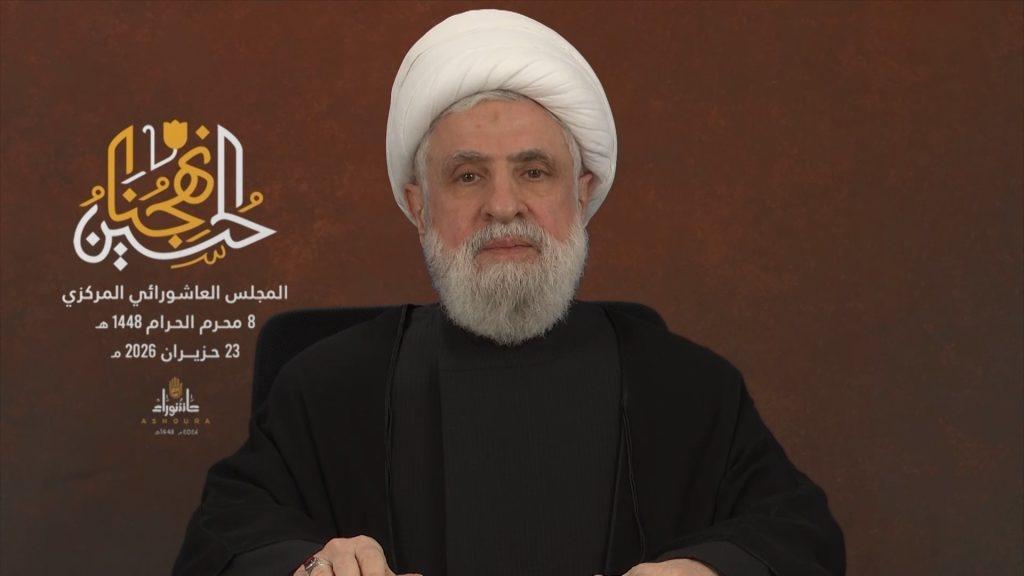
Hezbollah Chief Naim Qassem Demands Israel Fully Withdraw From All Lebanese Territory
13 sources compared
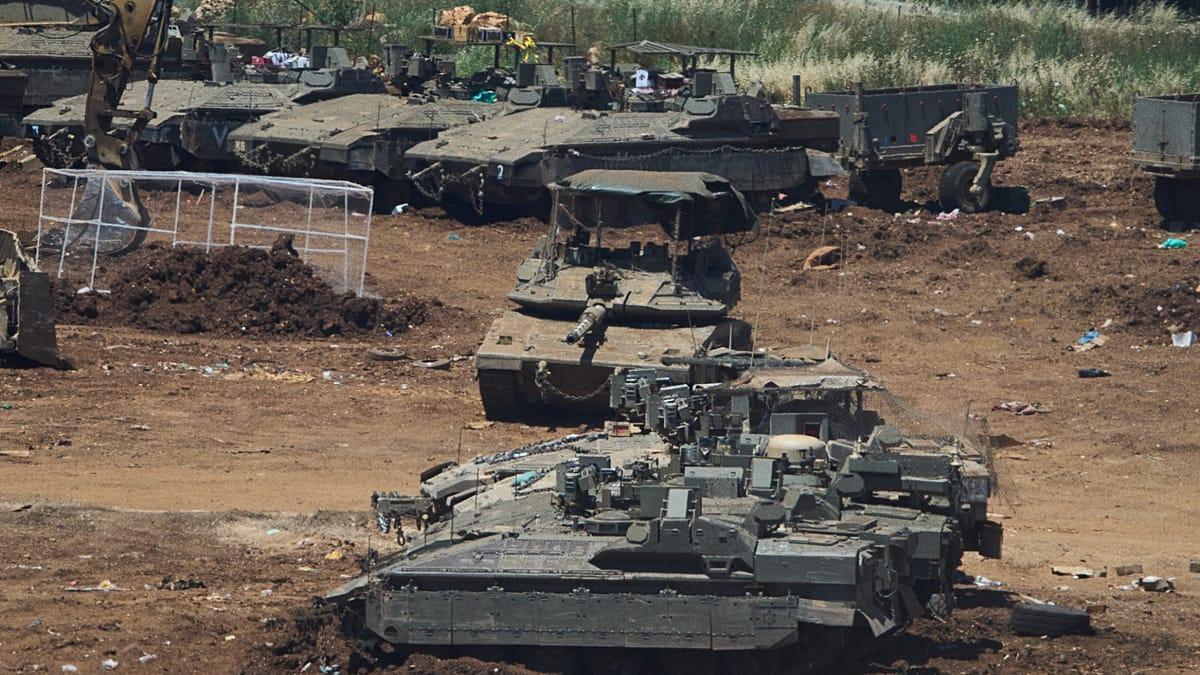
Israel’s Defense Minister Says Military Operations Will Continue After US-Mediated Lebanon Ceasefire
10 sources compared

Netanyahu Vows IDF Freedom Of Action In Southern Lebanon After US Ends Unrestricted Authorization
13 sources compared