Israeli Forces Assault Azem Haj Mohammad, Beit Dajan Council Head East Of Nablus
Key Takeaways
- Israeli forces assaulted Azem Haj Muhammad, head of Beit Dajan village council, east of Nablus.
- Soldiers beat him and damaged his vehicle during the raid on the village.
- Settlers attacked several Palestinians and their homes in towns and villages south of Nablus.
Assaults near Nablus
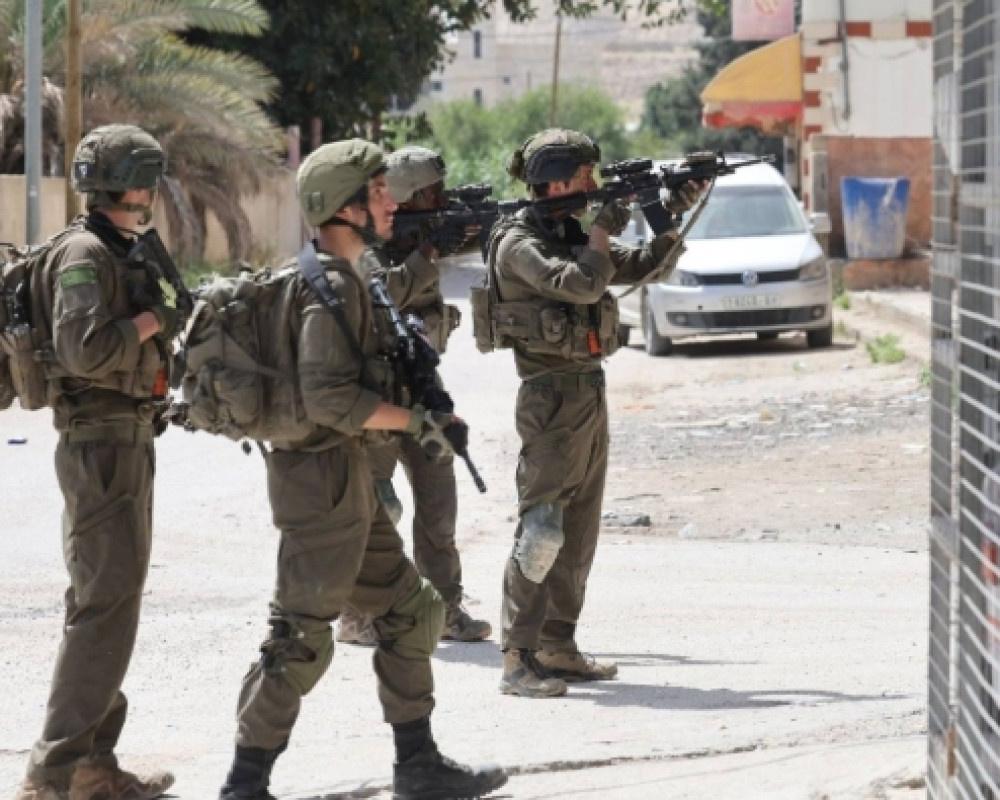
Israeli forces assaulted the head of the Beit Dajan village council east of Nablus on Monday, according to local sources cited by WAFA and repeated across multiple outlets.
“Israeli occupation forces assaulted the head of the Beit Dajan village council east of Nablus on Monday”
WAFA reported that Israeli soldiers beat Azem Haj Mohammad and destroyed or vandalized his vehicle during a military raid into the village.

WAFA’s account was carried by WAFA Agency, which said the assault happened “on Monday” and identified the target as “Azem Haj Mohammad, head of the Beit Dajan village council.”
Sada Elbalad english likewise reported that “Israeli soldiers assaulted Azem Haj Muhammad, head of the Beit Dajan village council, and vandalized his vehicle during a raid on the village.”
The same core incident was described by بوابة الدولة الاخبارية, which said occupation soldiers “beat the head of the Beit Dajan village council, Azem Haj Muhammad, and damaged his vehicle during the raid on the village.”
In addition to the raid, WAFA-linked reporting described a separate evening wave in the same broader area, with settlers attacking Palestinians and their homes south of Nablus and erecting tents on Palestinian land in Jalud.
The Saba report placed the episode in a wider sequence of “separate attacks,” describing settlers assaulting Palestinians, vandalizing property, and setting up tents on Palestinian land in Jalud and nearby villages.
Across these accounts, the named location remained consistent as “east of Nablus,” and the named person remained consistent as “Azem Haj Mohammad.”
Raid and settler attacks
The reporting tied the Beit Dajan council-head assault to a broader set of actions described as occurring “later that evening” and across multiple towns and villages south of Nablus.
Sada Elbalad english said that “Later that evening, settlers attacked several Palestinians and their homes in towns and villages south of Nablus, and erected tents on land in the village of Jalud.”
WAFA Agency’s version similarly described that the raid into Beit Dajan was followed by other events, and it framed the overall pattern as assaults by Israeli forces and settlers in the Nablus area.
بوابة الدولة الاخبارية added further detail about the settler attacks, stating that “settlers attacked several Palestinians and their homes in towns and villages south of Nablus this evening, and they set up tents on lands in the village of Jalud.”
That outlet also specified that WAFA said settlers “stormed the al-Zahra area on the outskirts of Beita, attacked Palestinian homes and their properties,” and it described an additional confrontation involving “Beita Municipality workers while they were working to repair a water line in the Qamas area of the town.”
بوابة الدولة الاخبارية further described a specific property incident, saying settlers “also attacked a house in Khirbat al-Maramij belonging to the lands of the village of Douma, where they targeted the house and damaged its water meter.”
In the same narrative, it said “A group of settlers pitched tents in the al-Dahr area east of Jalud, in a move aimed at seizing the land.”
Saba’s account, while shorter, also described the evening sequence as “In separate attacks, Israeli settlers assaulted Palestinians , their houses south of Nablus, vandalized property, set up tents on land in the village of Jalud.”
Broader escalation claims
Beyond the Nablus-area raid and settler actions, بوابة الدولة الاخبارية expanded the narrative by adding an arrest in Syria and by framing the overall conduct as continuing “assaults and violations of the 1974 disengagement agreement.”
“Israeli occupation forces assaulted the head of the Beit Dajan village council east of Nablus this Monday”
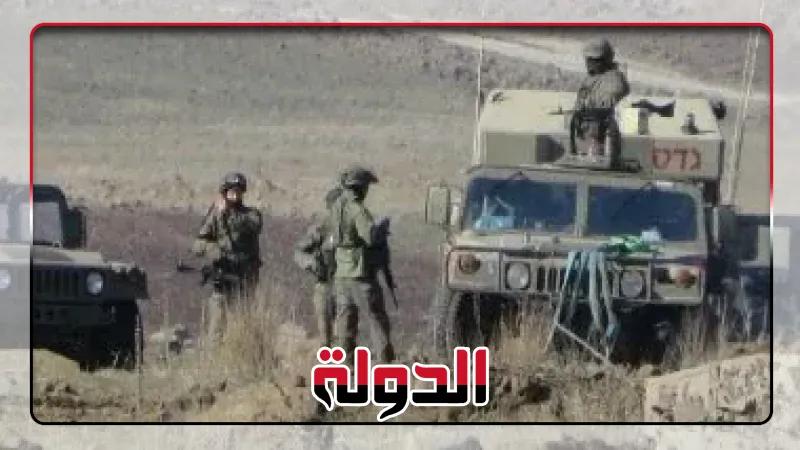
The outlet said “As part of the occupation's assaults, a force affiliated with it arrested two children in the Old Birqa village in the Quneitra countryside in Syria.”
It attributed the Syria incident to SANA, stating that “SANA reported that an Israeli force comprising several military vehicles infiltrated the village after midnight, arrested two children, and carried them off to an unknown location.”
The same paragraph then asserted that “Israel continues its assaults and violations of the 1974 disengagement agreement by infiltrating southern Syria and assaulting residents through raids, arrests, and land confiscation.”
While WAFA Agency and Sada Elbalad english focused on the Beit Dajan council head and the settler attacks south of Nablus, the inclusion of the Syria claim in بوابة الدولة الاخبارية broadened the geographic scope of the reported pattern of force.
The Saba page also framed the Nablus incident as part of “International” reporting and used a similar structure of raid plus separate attacks, but it did not include the Syria arrest detail in the excerpt provided.
WAFA Agency’s text, by contrast, stayed with the Nablus raid, stating that Israeli soldiers “beat the head of the Beit Dajan village council, Azem Haj Mohammad, and destroyed his vehicle during a military raid into the village.”
Even within the Nablus-focused accounts, the repeated emphasis on vehicle damage and beating during the raid was consistent across outlets.
Different outlet emphases
Although the core incident—Israeli forces assaulting Azem Haj Mohammad, head of the Beit Dajan village council east of Nablus—appears in all four excerpts, the outlets diverged in how much surrounding detail they included and which additional claims they attached.
WAFA Agency’s account centered on the raid itself, stating that “Israeli occupation forces assaulted on Monday the head of the Beit Dajan village council, Azem Haj Mohammad, and destroyed his vehicle during a military raid into the village,” and it then moved to a brief mention of the broader pattern.
Sada Elbalad english, while also citing WAFA, explicitly added the timing phrase “Later that evening” and described settlers attacking “several Palestinians and their homes in towns and villages south of Nablus” and “erected tents on land in the village of Jalud.”
Saba’s version similarly described “In separate attacks,” but it used a slightly different phrasing, saying settlers “vandalized property” and “set up tents on Palestinian land in Jalud and nearby villages.”
بوابة الدولة الاخبارية provided the most granular breakdown of the settler actions, naming “al-Zahra,” “Beita Municipality workers,” “Qamas,” “Khirbat al-Maramij,” “Douma,” and “al-Dahr,” and it also introduced the Syria arrest claim and the “1974 disengagement agreement” framing.
The outlets also differed in the wording about the vehicle damage: WAFA Agency said the vehicle was “destroyed,” while Sada Elbalad english said it was “vandalized,” and بوابة الدولة الاخبارية said “damaged.”
Even where the same underlying event was described, the phrasing and the selection of additional details varied by outlet.
This divergence is visible in how each outlet structured the story: WAFA Agency and Sada Elbalad english kept the focus on the raid and immediate aftermath, while بوابة الدولة الاخبارية broadened the frame to include Syria and a specific agreement.
What comes next
The excerpts provided do not describe a formal next-step action by Israeli authorities or Palestinian leadership specific to the Beit Dajan raid, but they do show what the reporting frames as ongoing consequences and follow-on events.
“Israeli occupation forces assaulted the head of the Beit Dajan village council east of Nablus on Monday”
In the Nablus area, the immediate follow-on described by WAFA-linked accounts was that “settlers attacked several Palestinians and their homes in towns and villages south of Nablus” and “erected tents on land in the village of Jalud,” which implies continued pressure on communities beyond the initial raid.
Sada Elbalad english tied the aftermath to “Later that evening,” and it specified that the tents were erected “on land in the village of Jalud,” while also describing attacks on homes in “towns and villages south of Nablus.”
Saba similarly described “separate attacks” in which settlers assaulted Palestinians, vandalized property, and set up tents in Jalud and “nearby villages.”
In the more expansive framing by بوابة الدولة الاخبارية, the follow-on consequence included an arrest in Syria, where it said “arrested two children” and that they were “carried them off to an unknown location.”
That outlet also asserted that the pattern continued through “raids, arrests, and land confiscation,” linking the alleged next steps to broader territorial control claims.
Even within the Nablus narrative, بوابة الدولة الاخبارية described attacks on municipal workers “while they were working to repair a water line in the Qamas area of the town,” which points to disruption of basic services as part of the aftermath.
The sources also consistently anchor the story in named places—“east of Nablus,” “south of Nablus,” “Jalud,” and “Old Birqa village in the Quneitra countryside in Syria”—suggesting that the reported consequences were geographically distributed rather than confined to a single site.
More on Gaza Genocide
RDNA Finds Gaza Needs More Than $71 Billion Over Next Decade for Recovery
11 sources compared
EU, UN Estimate Gaza Recovery Needs $71.4 Billion Over Next Decade
24 sources compared
Northern Israel Residents Shut Schools And Shops To Protest Lebanon Ceasefire
11 sources compared
Israeli Attacks Push Gaza Death Toll to 72,551, Injuries Reach 172,274
13 sources compared