Israeli Forces Destroy Solar Panels in Debel, Christian Village in Southern Lebanon
Key Takeaways
- IDF excavators destroyed solar panels in Debel, southern Lebanon.
- Solar panels powered Debel's water supply, and destruction disrupts essential water access.
- Broader strikes on southern Lebanon infrastructure indicate continued Israeli military posture.
Solar panels targeted in Debel
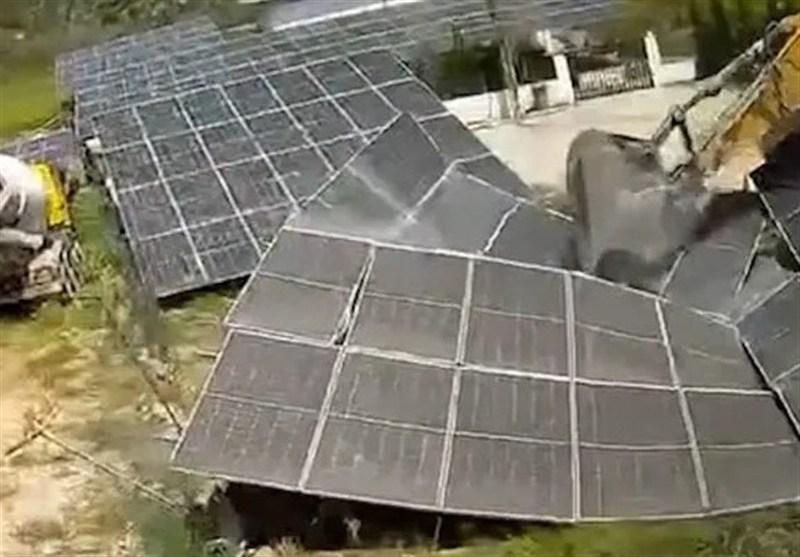
Israeli forces destroyed solar panels in Debel, a Christian village in southern Lebanon, using bulldozers and engineering vehicles during operations in the area, according to the Lebanese National News Agency as cited by Al Jazeera and as described in Israeli media coverage.
“Toggle Play Israel destroys solar panels in south Lebanon Israeli soldiers used bulldozers to destroy solar panels in Debel, south Lebanon”
Al Jazeera reported that these panels supply the town with electricity, which is needed for its water supply, and that Israel destroyed homes, roads and olive trees as well.
The Jerusalem Post said the controversy around IDF operations in Christian villages in southern Lebanon included incidents involving infrastructure in Debel, and it referenced a separate investigation into solar-panel destruction reported by Israeli media.
The Times of Israel reported that the IDF was investigating after footage published by Lebanese media showed military excavators damaging solar panels in Debel, and it described Debel as the same village where an IDF soldier was filmed smashing a statue of Jesus last week.
In the same reporting, The Times of Israel said Lebanese media also alleged Israeli soldiers caused damage to water infrastructure in Debel, along with homes, roads, and olive trees.
Israel National News similarly described footage from Debl showing IDF engineering vehicles destroying solar panels near the village during operations against Hezbollah.
Across the accounts, Debel is repeatedly tied to both the solar-panel destruction and the broader dispute over IDF conduct in Christian communities in southern Lebanon.
Debel’s power and water
Multiple outlets tied the solar-panel destruction in Debel to essential services, describing how the panels supported electricity needs that were directly linked to water supply.
Al Jazeera said the Lebanese National News Agency reported that the panels supply the town with electricity, which is needed for its water supply, and that Israel destroyed homes, roads and olive trees as well.

Israel National News added that, according to the villagers, the panels that were destroyed served as one of their central sources of power and water, and it placed the village near the Israeli border.
The same Israeli outlet said the panels were located on land belonging to Colonel Aqel Hashem, a senior SLA commander who was murdered by Hezbollah in 2000.
The Times of Israel reported that Lebanese media alleged Israeli soldiers also caused damage to water infrastructure in Debel, along with homes, roads, and olive trees, reinforcing the linkage between electricity and water services.
In parallel, The Jerusalem Post framed the broader controversy by saying Netanyahu’s statements came after instances of IDF soldiers targeting infrastructure belonging to Christians in southern Lebanon, with the desecration of a statue of Jesus in Debel described as the most well-known incident.
The Times of Israel also described Debel as a Christian village that, like several other Christian communities in southern Lebanon, has not been ordered by Israel to evacuate amid fighting against Hezbollah.
IDF probe and competing narratives
The sources show the IDF responding to the solar-panel footage with an investigation and with statements about conduct and values, while other reporting and local claims emphasize civilian impact.
“Controversy has arisen due to footage from the village of Debl showing IDF engineering vehicles destroying solar panels near the village during operations against Hezbollah in the area”
The Times of Israel quoted the IDF response: “The actions seen in the video do not align with the values of the IDF and the conduct expected of its soldiers,” and it said the IDF stated the incident is under investigation and that, according to the findings, action would be taken against the troops involved.
Israel National News reported a similar IDF Spokesperson statement: “The actions seen in the video do not align with IDF values or the conduct expected of its soldiers. The incident is under investigation. Based on the findings, command measures will be taken accordingly.”
The Jerusalem Post described that Netanyahu’s remarks came amid controversy about IDF operations in Christian villages in southern Lebanon, and it said the IDF launched an investigation into the solar-panel incident after Israeli media reports from Saturday night.
The Jerusalem Post also tied the controversy to the earlier statue incident in Debel, saying the military investigated and then removed the soldier who destroyed the Christian religious symbol and the soldier who photographed it from combat duty and sentenced them to 30 days in prison.
Israel National News added a local critique, quoting Jonathan Elkhoury, who said the panels were civilian infrastructure that had no connection to Hezbollah and that damage could directly affect residents who depend on such systems to provide basic services.
The Times of Israel further described Israel Katz saying the IDF would raze all of the Lebanese border villages ordered to evacuate with the exception of the Christian communities, while the IDF insisted it was only destroying Hezbollah infrastructure embedded within civilian homes.
Netanyahu’s Christian soldiers message
While the solar-panel destruction in Debel triggered investigations and local criticism, The Jerusalem Post reported that Prime Minister Benjamin Netanyahu publicly highlighted Christian soldiers serving in the IDF amid controversy over operations in Christian villages in southern Lebanon.
Netanyahu shared a video on Sunday and said, “I'm here in the Prime Minister's Office with an extraordinary group of young men and women. These are Christian soldiers, men and women, in the Israeli Defense Forces. They fill all the important positions in our incredible military, and they do incredible work,” according to the outlet’s account of his remarks.
He added, “This is completely contrary to what is presented outside,” and said Israel fights for the rights of Christians around the Middle East while also having Christian soldiers who fight for the defense of Israel and for “our Christian brethren throughout the area, throughout the region, and beyond.”
The Jerusalem Post said Netanyahu also explained he was “impressed by the personal stories, their commitment, their sacrifice, their achievements,” and it pointed out that Israel is the one country in the Middle East where the Christian community is thriving, growing, and expanding.
The outlet linked the timing of these remarks to “several instances of IDF soldiers targeting infrastructure belonging to Christians in southern Lebanon,” including the desecration of a statue of Jesus in Debel.
It described how, after investigating that incident, the IDF removed the soldier who destroyed the Christian religious symbol and the soldier who photographed it from combat duty and sentenced them to 30 days in prison.
The Jerusalem Post also said the IDF launched an investigation into a video showing Israeli soldiers destroying solar panels in a village in Lebanon, according to Israeli media reports from Saturday night.
Escalation and humanitarian toll
Other reporting in the Lebanon sources broadened the picture beyond solar panels to include wider attacks, casualties, and the scale of the conflict’s impact.
“Emanuel (Mannie) Fabian is The Times of Israel's military correspondent The Israel Defense Forces said Saturday that it was investigating after footage published by Lebanese media over the weekend showed military excavators damaging solar panels in the Christian village of Debel in southern Lebanon”
تسنیم reported that Israeli forces carried out fresh bombardments in southern Lebanese towns on Sunday, attacking the towns of Zawtar al-Gharbiya and Zawtar al-Sharqiya in the Nabatieh District, and it said Israeli artillery shelled the Ali al-Taher heights and the area between Zawtar and Mayfadoun.

It also said Israeli warplanes were reported flying intensively at low altitude over towns and villages across the South, and it described that on Saturday Israeli forces launched attacks across multiple southern towns, killing seven people and wounding 24 others, including three children, according to Lebanon's Ministry of Health.
تسنیم further stated that earlier that day the Israeli prime minister's office announced that Benjamin Netanyahu had directed the Zionist forces to “forcefully attack in Lebanon.”
It then reported that Lebanon's Ministry of Health announced that the cumulative death toll from the Israeli aggression, since its resumption on March 2 through April 25, has reached 2,496 martyrs and 7,725 wounded.
Al Jazeera’s account focused on Debel’s solar panels and also said Israel destroyed homes, roads and olive trees as well, while Israel National News and The Times of Israel centered on the IDF’s investigation and the controversy over civilian infrastructure.
The Jerusalem Post and The Times of Israel also placed the solar-panel incident within a pattern of controversy involving Christian villages, including the statue incident and IDF disciplinary actions.
More on Lebanon

Israeli Strikes Kill 14 In Southern Lebanon, IDF Issues Evacuation Warnings
47 sources compared

Israel Kills Six Hezbollah Fighters in Southern Lebanon After Ceasefire Extension
13 sources compared

Netanyahu Orders IDF To Vigorously Strike Hezbollah Targets In Lebanon
17 sources compared

Israel’s Merkava Tank Fired Projectile That Killed Indonesian UNIFIL Peacekeeper Rico Pramudia in Beirut
10 sources compared