
Israeli Forces Kill Water Engineer and UNICEF Drivers in Gaza Water Attacks
Key Takeaways
- Israeli forces killed a water engineer and two UNICEF drivers in Gaza mid-April.
- The killings deepened Gaza's water crisis and disrupted water deliveries to displaced families.
- Israel limited shipments of soap and hygiene products into Gaza, raising prices.
Attacks on Water Workers
Israeli forces in Gaza killed a water engineer and two drivers who transported water to displaced families over four days in mid-April, worsening a water shortage crisis that is fuelling the spread of preventable disease, the Guardian reported.
“You Browser Working London Working www”
The Guardian said the most recent attack was a strike on al-Zein well in northern Gaza last Monday, when water engineers were working inside, and that the incident report seen by the outlet said the strike killed one, injured four and caused extensive structural damage to “a critical water source serving the surrounding population”.
Four days earlier, the Guardian reported that Israeli forces shot dead two drivers working for Unicef at the main water collection point for northern Gaza, with two others injured, and said Unicef warned the attack threatened the humanitarian networks bringing clean water to hundreds of thousands of people in Gaza.
The Guardian quoted Omar Shatat, the deputy director of Gaza’s coastal municipalities water utility, saying, “Since the beginning of the war, we have lost about 19 workers from water facilities who were carrying out repair and distribution work,” and adding, “Targeting has become part of the operational reality.”
The Guardian also described how over more than two and a half years of war, Israeli attacks destroyed most of Gaza’s civilian infrastructure, including networks that provided clean water and removed and treated sewage.
In parallel, the Streamline article said that in a single week in mid-April Israeli forces killed a senior water engineer and two Unicef-affiliated drivers, and that the total number of water utility worker fatalities reached 19 since the start of the conflict.
Water Quantities and Disease
The Guardian said the UN has recognised access to clean water as a basic right, setting a standard of 50 to 100 litres daily per person except in emergency situations, while in Gaza the average daily supply is only 7 litres of drinking water and 16 litres of domestic water, and many people do not have access to even the minimum 6 litres a day of clean drinking water.
It reported that Israeli limits on the shipment of soap, washing powder and other hygiene products into Gaza have forced prices up, adding to the challenge of keeping clean and avoiding infection in overcrowded shelters and tent encampments.
Médecins Sans Frontières’ emergency humanitarian affairs manager for Gaza, Laureline Lasserre, said, “No clean water, no soap, overcrowded living conditions; this is the root cause of a huge proportion of what we treat every day,” and added that people were getting sick because they could not access clean water and basic sanitation.
The Guardian described how many Palestinians have to choose between drinking, cooking and washing on a daily basis, and it quoted Lasserre on women reporting infections because they are unable to wash even when they are menstruating and after giving birth, and babies repeatedly getting sick because there is no clean water for formula.
It also said wounds become infested with larvae because people cannot wash them, and that MSF doctors have reported psychological problems including suicidal ideation caused by extreme water shortages, with Lasserre adding, “The Israeli authorities have destroyed water infrastructure and are blocking humanitarians from providing alternatives. They are causing the water crisis and preventing the solution.”
Streamline likewise framed the scarcity as a driver of death through preventable diseases, stating that “The scarcity of clean water is no longer just a logistical hurdle; it has become a primary driver of death through the spread of preventable diseases.”
Daily Rationing on the Ground
The Guardian put the crisis into daily routines by describing how water delivery schedules and contamination risks shape life in displacement areas.
It quoted Omar Saada, 38, a displaced father of four in Khan Younis, saying, “one water truck served more than 50 families in his area,” and that the allowance of 20 litres per person was not met, so “each morning is a race to fill the family’s containers.”
Saada told the Guardian, “We wake up as early as 6am to be able to collect water from the trucks,” and said that “Before, it was available from early morning until after noon, but now it is usually just for two hours.”
The Guardian reported that Saada’s family had cut back on bathing and washing clothes, giving his children skin infections, and that “It sometimes causes intestinal infections and stomach pain due to contamination, but we are forced to drink it because it is the only water available.”
The Guardian also quoted Nesma Rashwan, a 31-year-old mother of five living in a tent in al-Qarara, saying, “For about a year now, we have not had clean drinking water that truly quenches thirst,” and that she bought fresh drinking water once when her son was sick but “cannot afford it regularly; a gallon costs five shekels.”
Streamline similarly described how families are forced to rely on contaminated wells or brackish seawater, saying “families are forced to rely on contaminated wells or brackish seawater” as sewage treatment plants are out of commission and desalination networks are largely destroyed.
Humanitarian Access and Costs
Beyond the direct attacks, the Israeli blockade on "dual-use" items has hindered the repair of what little infrastructure remains.
Basic hygiene products such as soap, chlorine for water purification, and washing powder are frequently denied entry or delayed for months.
This has driven the price of a single bar of soap to over $10 (approx. KES 1,300) in local markets, making hygiene a luxury that only the wealthiest can afford.
The result is a cycle of infection that aid groups describe as a "silent massacre" happening alongside the kinetic warfare.
The United Nations has repeatedly affirmed that access to clean water is a fundamental human right.
Unicef has warned that without an immediate "water ceasefire" and the massive influx of fuel to power pumps, the strip faces an irreversible public health collapse.
More on Gaza Genocide
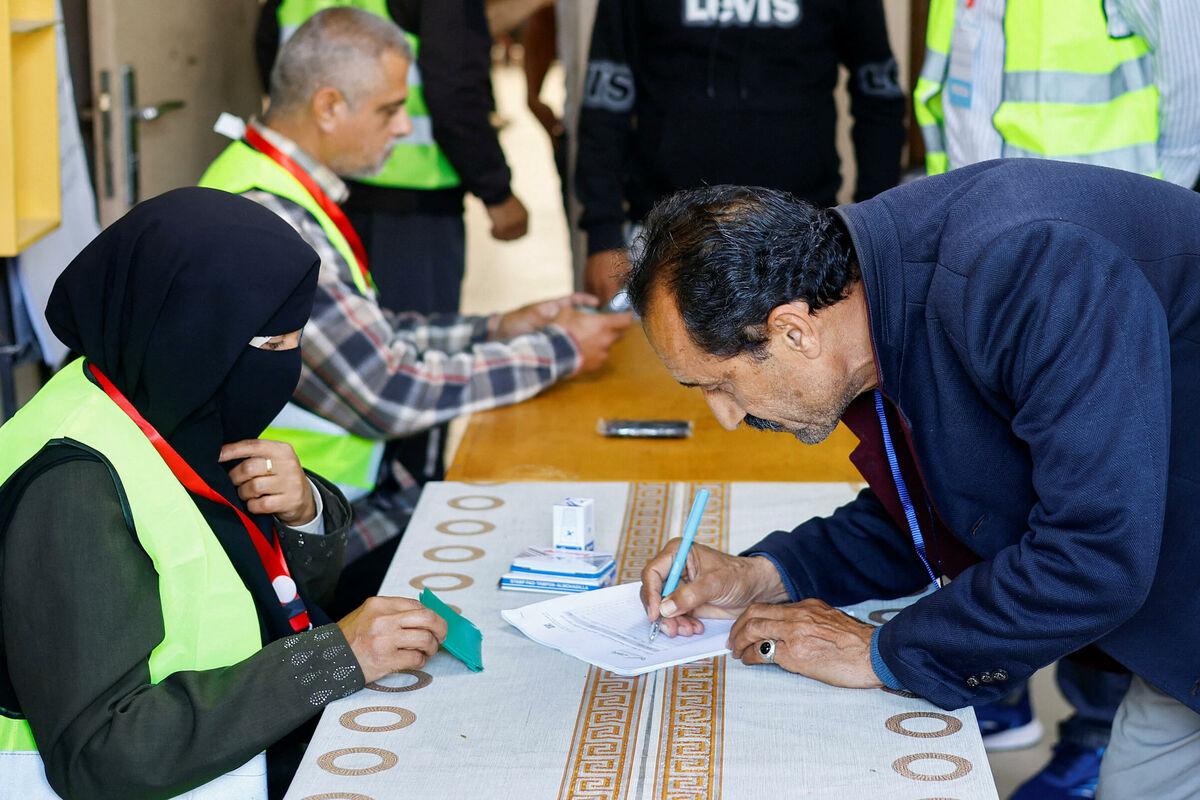
Palestinians Vote In Deir Al-Balah And West Bank Municipal Elections After Hamas Exclusion
20 sources compared
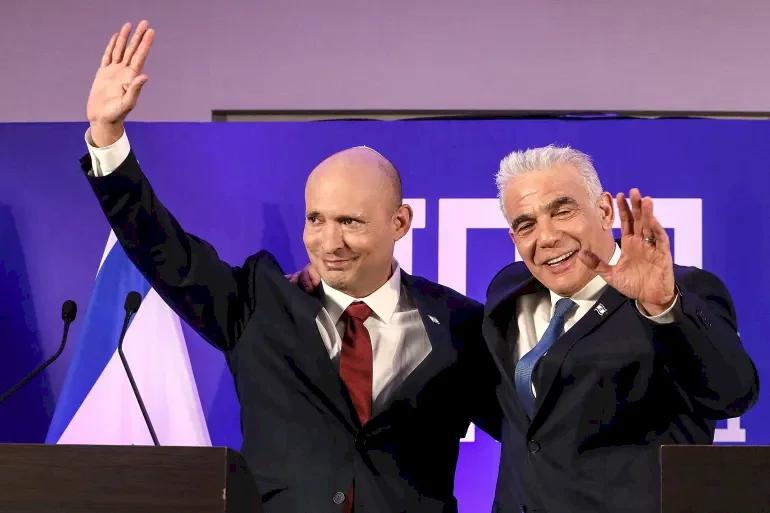
Naftali Bennett And Yair Lapid Merge Parties Into “Together” To Oust Benjamin Netanyahu
59 sources compared
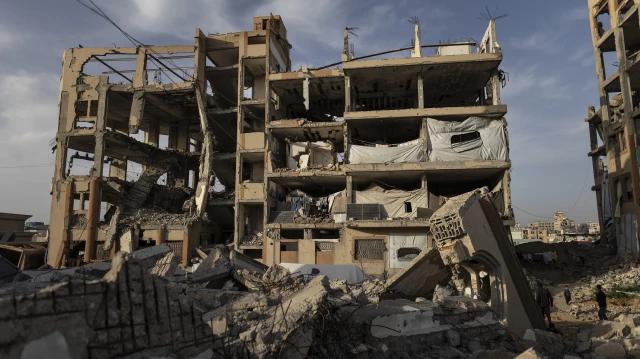
Israeli Attacks Kill At Least Four Palestinians in Gaza Despite Ceasefire
22 sources compared

Israel Prevents Essential Materials as Aid Trucks to Gaza Fall After Iran War
11 sources compared