Gaza Genocide22 April, 20266 min read
Israeli Forces Raid Eastern Nablus, Storm House, Detain Mohammad Al-Asmar
Israeli forces raided the old city of Nablus in the West Bank. Troop deployment and armored vehicles accompanied the operation.
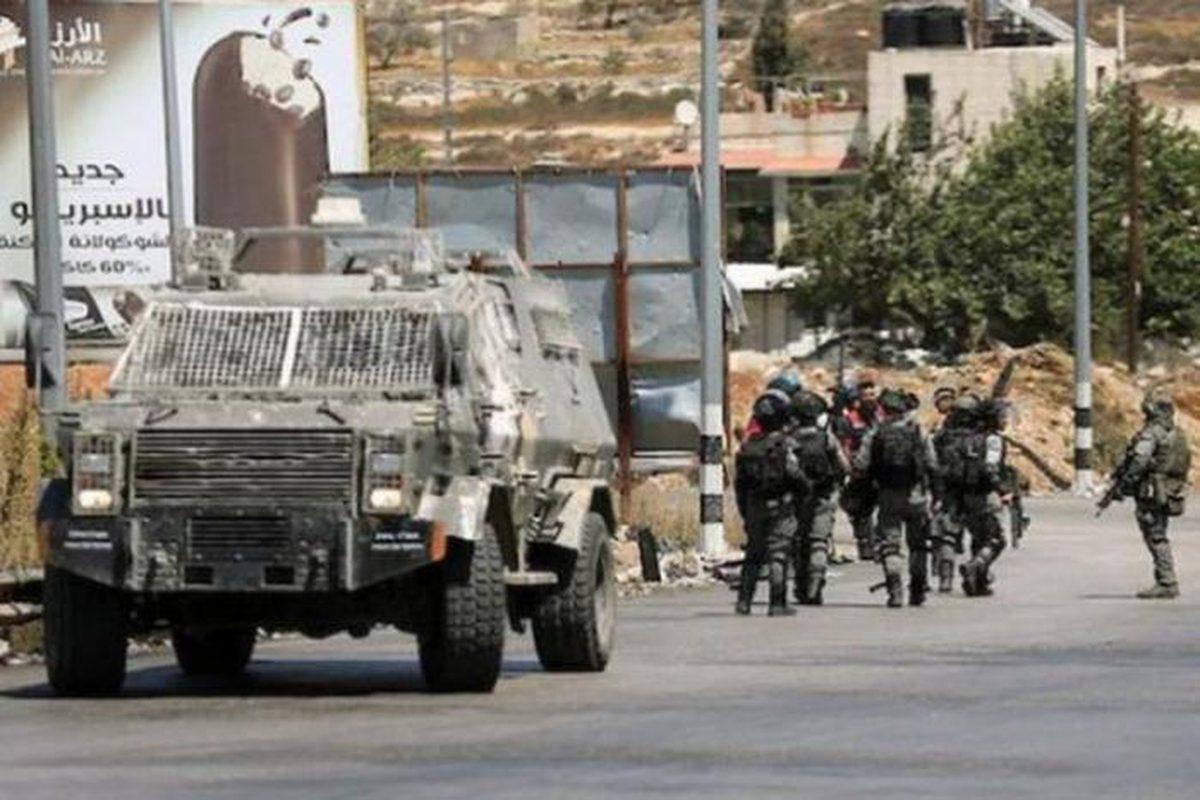
Nablus raid and detentions
Israeli forces raided the eastern part of Nablus on Tuesday, storming a house and detaining a Palestinian resident, according to WAFA Agency. WAFA reported that “several Israeli patrols stormed the doctors' housing complex in the eastern part of Nablus and raided a house in the area,” and that they detained citizen Mohammad al-Asmar. The same WAFA report framed the raid as part of a broader pattern of Israeli operations across the occupied West Bank, listing other actions such as “Israeli occupation forces raid village and town in Tulkarm” and “Israeli forces close entrances to towns and villages in Salfit governorate.”
It also placed the Nablus raid within a wider context of violence tied to the Gaza war, noting that “Violence in the West Bank has surged since the start of the Gaza war.” In a separate account of Israeli operations in the same region, the BBC described Israel’s raids as part of “what it called an 'anti-terrorist operation'” and said “At least nine Palestinians have been killed in the occupied West Bank following raids by the Israeli security forces.”
The BBC also said Israeli forces carried out simultaneous raids in “Jenin, Tulkarem, Nablus, and Tubas,” and that Israeli authorities said “nine Palestinians, who were 'armed militants', were killed.” Taken together, the WAFA and BBC reports depict a multi-city raid campaign in the West Bank that included Nablus, with detentions and reported fatalities.
How the raids unfolded
Multiple reports described how Israeli forces conducted operations in and around Nablus, including house searches, the use of armored vehicles, and clashes at entrances to the old city. Ici Beyrouth, citing AFP, said the Israeli army began “on Wednesday before dawn” a “wide operation in the old city of Nablus,” mobilizing “dozens of soldiers and armored vehicles,” and that soldiers entered neighborhoods around “3:00 a.m. local time (00:00 GMT).” It reported that the operation focused on the “eastern Harat al-Hableh neighborhood,” where residents told AFP that soldiers seized “white bags whose contents were unknown.”
Ici Beyrouth also said the army “evicted an elderly couple from their home, probably turned into a military post,” and that “some houses have been turned into military posts,” according to Ghassan Hamdan, director of the Palestinian Medical Relief in Nablus. The same AFP-based account said the army informed Palestinian authorities the raid would continue until “4:00 p.m. local time (13:00 GMT),” and that clashes broke out at the eastern entrance where youths pelted soldiers who responded with “tear gas and live fire.”
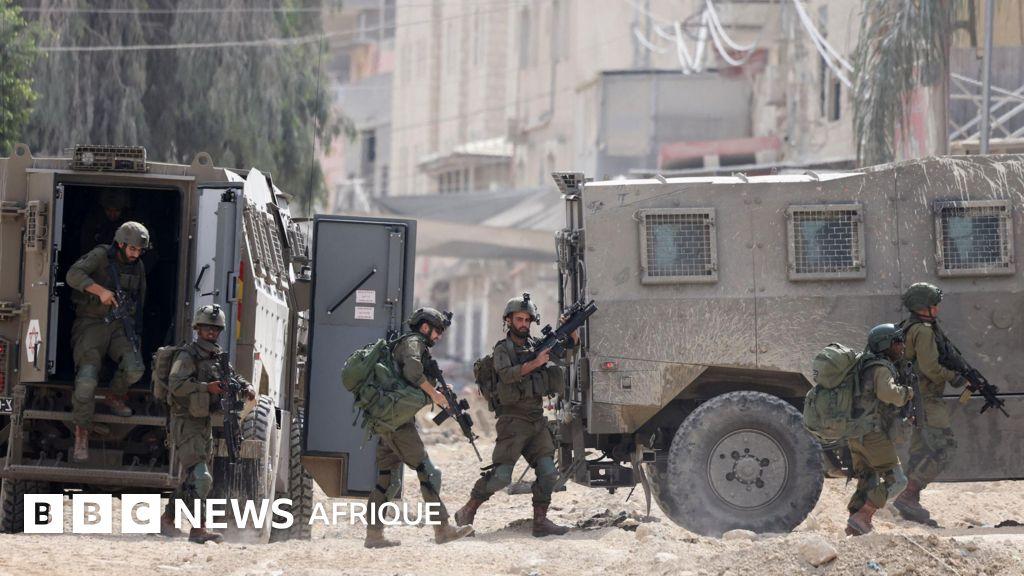
L'Opinion similarly described the operation as beginning “just before dawn in the old city of Nablus,” with “mobilizing troops and armored vehicles,” and said the army told Palestinian authorities the raid would continue until “16:00 (13:00 GMT).” Across these accounts, the details converge on the timing, the old city focus, and the pattern of searches and military use of homes, while also emphasizing clashes and injuries reported by Palestinian medical services.
Casualties and competing injury counts
Reports on the Nablus raid described different casualty totals and injury figures, reflecting divergence in how events were counted and reported. France 24 said an Israeli raid in Nablus left “about ten dead and more than 80 injured,” and it specified that “Eleven Palestinians, including a 16-year-old, were killed on Wednesday, February 22, and more than 80 were shot during an Israeli military raid on Nablus.” France 24 also reported that “More than 80 people were hospitalized for gunshot wounds,” and that “the eleventh death, aged 66, occurred in the evening from tear gas inhalation, according to the Palestinian Health Ministry.”
In contrast, RFI described a different Nablus operation and said “In the night from Tuesday to Wednesday, it was the Old City of Nablus that was the target of a major operation during which 37 people were wounded,” adding that “According to the Palestinian Red Crescent, 37 people were injured.” RFI further broke down the injuries by cause, stating “two were wounded by live-fire shots,” “another by a bullet fragment,” “six by rubber bullets,” and “several dozen were treated after being suffocated by tear gas.”
The BBC’s explainer on West Bank raids said “At least nine Palestinians have been killed in the occupied West Bank following raids by the Israeli security forces,” and it described Israeli claims that “nine Palestinians, who were 'armed militants', were killed.” Across these accounts, the same general campaign is described with different numbers—“about ten dead,” “Eleven Palestinians,” “37 people were wounded,” and “At least nine Palestinians”—and each figure is tied to a specific outlet’s reporting and framing.
Voices from officials and factions
The raid coverage included direct statements from Israeli officials, Palestinian officials, and Palestinian armed groups, alongside international reactions. France 24 reported that Israeli Defense Minister Yoav Gallant told the public on Twitter, saying, “Let every terrorist know that we will reach him,” and it described his message as praising the courage of the forces in Nablus. It also quoted a Palestinian Minister of Civil Affairs, Hussein al-Sheikh, condemning what it called “a premeditated and barbaric criminal act” and calling on the international community to intervene immediately.
France 24 further reported that Ziyad al-Nakhala, secretary-general of the Palestinian Islamic Jihad, “denounced a major crime and said that the resistance forces have a duty to respond without hesitation.” In the same France 24 account, an Israeli military spokesperson, Richard Hecht, said, “We then intensified our efforts and rockets were fired at the house,” describing the escalation during the operation.
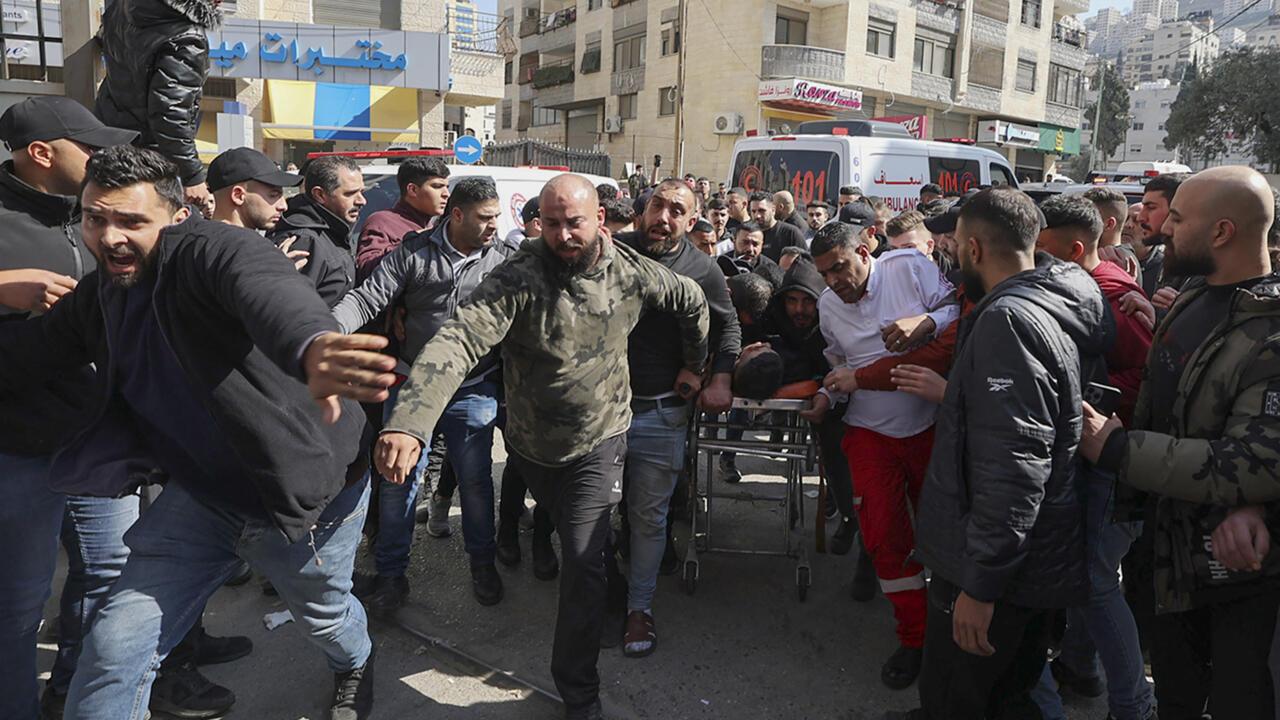
The BBC’s explainer included Israeli framing as well, quoting an Israeli army spokesperson who said “significant forces” had entered the city, and it described Lieutenant Colonel Nadav Shoshani saying the troops in Jenin and Tulkarem were conducting “intelligence-guided counterterrorism operations.” Together, these voices show a clash of narratives: Israeli officials emphasize counterterrorism and reaching “terrorists,” while Palestinian officials and Islamic Jihad leaders condemn the raids as criminal acts and call for immediate response, with international bodies urging de-escalation and protection of humanitarian access.
International concern and Gaza-linked escalation
The reports connected West Bank raids to the broader war context and described international concern about escalation. France 24 said that in New York, UN Secretary-General Antonio Guterres warned that the situation in the occupied Palestinian territory is “the most inflamed in years,” and it reported that the European Union said it was “deeply concerned.” It quoted EU foreign policy chief Josep Borrell saying, “It is of the utmost importance that all parties work toward a return to calm and a de-escalation of tensions,” and it said the United States was “extremely concerned by the violence in the West Bank.”
France 24 also described France’s position, saying it called on Israel to respect its obligations under international humanitarian law, to use force proportionally, and to protect civilians in the occupied Palestinian territories. The BBC’s explainer similarly described international reaction through the UN Office of the High Commissioner for Human Rights, stating it condemned the “increasingly militarized response” of Israeli security forces and said the operation is carried out “in a manner that violates international law and risks inflaming an already volatile situation.”
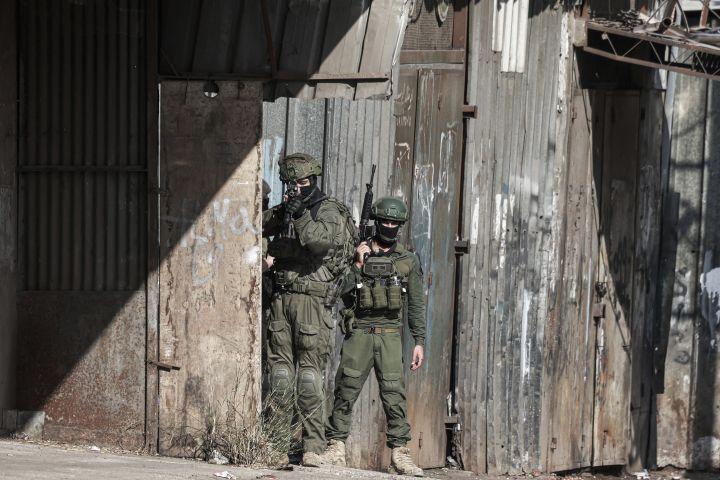
It added that OHCHR said “Violence between the IDF and armed Palestinians in the West Bank does not constitute an armed conflict under international humanitarian law,” and that “the use of force in the West Bank must comply with human rights norms.” Meanwhile, RFI and Ici Beyrouth both described violence in the West Bank surging since the Gaza war began, with RFI citing an AFP tally that “at least 972 Palestinians, including many fighters, have been killed” since the start of the Gaza war.