
Israeli Forces Restrict Movement East of Qalqilya, Storm Kafr Laqif and Habla
Key Takeaways
- Movement east of Qalqilya restricted as Israeli forces conduct incursions.
- Israeli raid on Qalqilya included wide-ranging home raids and interrogations.
- West Bank incursion campaign reported, including Libban Al-Sharqiya near Nablus.
Qalqilya incursions
Israeli occupation forces obstructed the movement of Palestinian residents east of Qalqilya on Wednesday, according to WAFA.
“Français العربية Info Images Wednesday , 22 April , 2026 Weather +18 ° C +20° +8° Ramallah Wednesday, 22 Thursday | | +22° | +10° ---|---|---|--- Friday | | +23° | +11° Saturday | | +24° | +12° Sunday | | +24° | +13° Monday | | +17° | +11° Tuesday | | +21° | +10° See 7-Day Forecast Menu Important News U”
WAFA said local sources told it that Israeli troops stormed the village of Kafr Laqif, east of Qalqilya, and “closed its main entrance with an iron gate and restricted residents’ access.”
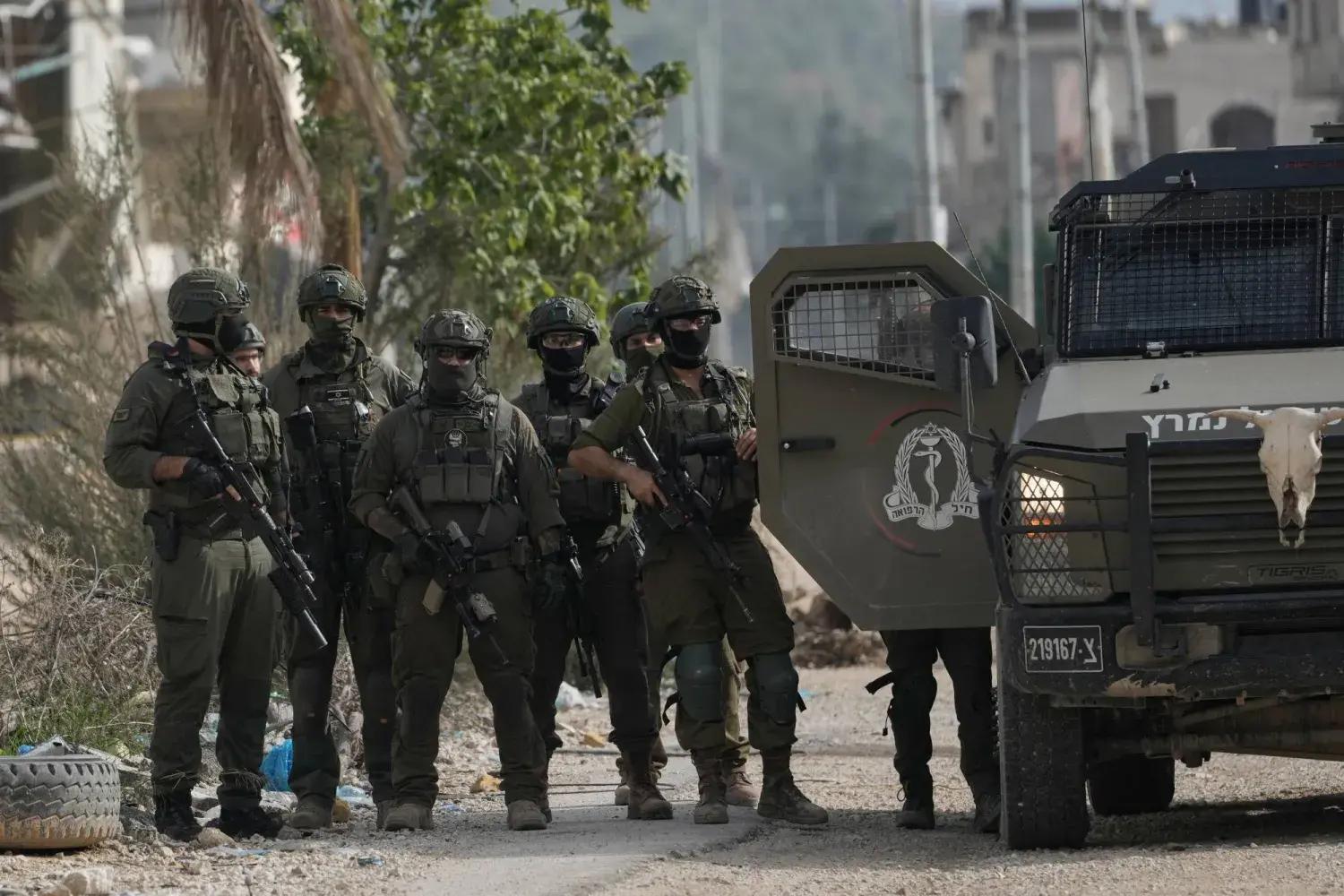
WAFA also reported that occupation forces stormed the town of Habla and the nearby villages of Ras Tira and Wadi Arsha, south of Qalqilya, patrolling their streets “without reporting any detentions.”
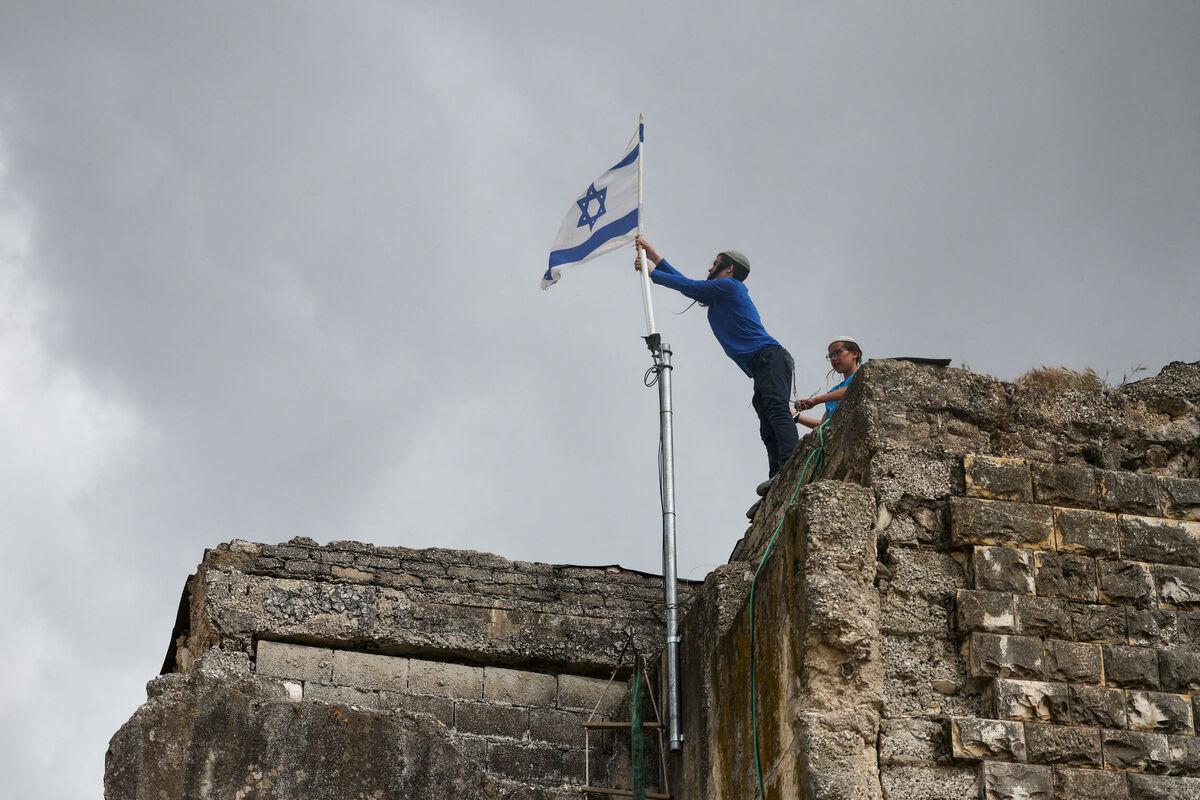
In a related incident, WAFA said “colonist stormed the village of Funduq, east of Qalqilya, and raised Israeli flags along the main road linking Qalqilya and Nablus.”
The WAFA report framed these actions as part of wider movement restrictions, and it placed the incidents in the context of ongoing measures in the West Bank.
The same WAFA page also carried a separate item stating “Gaza death toll rises to 72,562 amid ongoing ...” with a timestamp of “22/April/2026 12:20 PM,” tying the West Bank movement restrictions to a broader war-related casualty update on the same feed.
Raids and an events hall
A separate report from شبـكة مصدر الاخبارية described an Israeli raid on Qalqilya in the northern West Bank during the early hours of Thursday, saying forces conducted “wide-ranging raids and searches in several of its neighborhoods.”
The outlet said the occupation forces entered the city from its southern entrance with “several military vehicles,” touring streets and neighborhoods including “Kafr Saba, al-Qaran, al-Naqar, Khallet Yasin, and Safin.”
It reported that soldiers raided residents’ homes and “tampered with their contents,” and it listed specific residents whose homes were raided: “Mohammed Said, Saleh Sawi, Ihab Abu Hamid, Saleh Abu Asab, Musab al-Baz, and Abdul-Fattah Harb.”
The report added that the raids included “on-site interrogations of residents” carried out during the incursion.
It also said the occupation forces raided an events hall in the eastern part of the city, “climbed onto its roof, and turned it into a temporary military outpost.”
In parallel, the outlet said the forces distributed “warning leaflets to residents in the area.”
The same report connected these actions to continuing restrictions, stating that for the “fifth consecutive day” Israeli forces closed entrances to villages east of Qalqilya, including “Nabi Elyas, Kafr Laqaf, Amtin, Al-Funduq,” using “iron gates,” and that this “hinders residents’ movement and forces them to take detours to reach their workplaces and daily needs.”
A wider incursion pattern
WAFA also described a separate large-scale incursion campaign in late February 2026, providing a broader timeline of raids and road closures in the West Bank.
“Ramallah, February 24, 2026, WAFA — Israeli occupation forces launched on Tuesday morning a wide campaign of raids in the village of Libban Al-Sharqiya, south of Nablus”
In a report dated “Ramallah, February 24, 2026,” WAFA said Israeli occupation forces launched on Tuesday morning a wide campaign of raids in the village of “Libban Al-Sharqiya, south of Nablus.”
WAFA reported that its correspondent said “a large force of the occupation forces’ vehicles and soldiers entered the village at midnight,” and that they “broke into more than 200 houses.”
The outlet said the forces conducted “on-the-ground inquiries with dozens of residents amid an intensive military deployment in the village’s neighborhoods,” and it added that “the occupation forces had closed the roads leading to Libban Al-Sharqiya, hindering residents’ movement,” before withdrawing “at dawn.”
WAFA then said the same Tuesday incursion included Bethlehem and Beit Sahour, and it specified that security sources told WAFA the forces invaded Bethlehem and “settled in the Jebel Al-Mawaleh neighborhood in the city center.”
WAFA also said the forces raided neighborhoods in “the town of al-Khadr,” and it reported that they invaded Beit Sahour where they conducted raids and searches in a number of houses.
In addition, WAFA said the occupation forces invaded “the city of Qalqilya, the town of Habla, and the village of Ras Attiya, to the south,” and it stated that local sources said the forces penetrated Qalqilya from its “eastern entrance” and occupied streets “including the market and Nablus Street in the city center,” before withdrawing “without recording any arrests.”
Gaza war backdrop
While the WAFA and شبـكة مصدر الاخبارية reports focus on West Bank movement restrictions and raids, the WAFA feed on the same page included a Gaza casualty update that placed the West Bank incidents within the broader war context.
The WAFA page listed “Gaza death toll rises to 72,562 amid ongoing ...” with a timestamp of “22/April/2026 12:20 PM,” and it also carried other war-related items such as “Israeli forces fire on funeral procession in ...” and “Israeli colonists storm evacuated illegal colony of Kadim site near Jenin.”
In the same WAFA page, the headline “Movement hindered as Israeli forces carry out military incursions in Qalqilya” sat alongside items about occupied Jerusalem and Hebron, including “Israeli measures disrupt movement of Palestinian residents in occupied Jerusalem” and “Israeli forces detain one Palestinian as colonists damage property south of Hebron.”
The WAFA page also included a “UPDATE:” item stating “Palestinian injured by colonists' live ammunition and 30 others detained by Israeli forces in Ramallah-area town,” which connected the West Bank incidents to reported injuries and detentions.
The presence of these multiple entries on the same WAFA feed underscores that the reporting stream treated the Qalqilya movement restrictions as part of a wider set of actions across the West Bank and related war developments.
However, the specific Gaza number and the West Bank raid details appear as separate items in the WAFA page rather than as a single narrative chain.
The only Gaza figure explicitly shown in the provided WAFA text is “72,562,” and it is attached to the casualty headline rather than to the Qalqilya incursion description.
More on Gaza Genocide
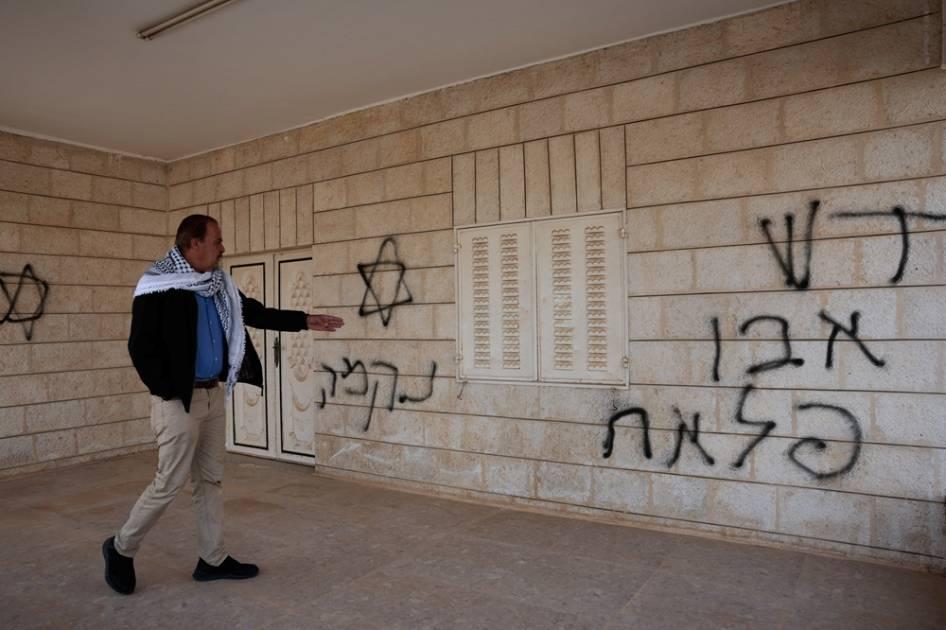
Israeli Settlers and Soldiers Kill Aws Al-Naasan, 14, and Jihad Abu Naim in al-Mughayyir
22 sources compared
Spain, Ireland, and Slovenia Push to Suspend EU-Israel Deal as Germany and Italy Block
10 sources compared

Amnesty International Says US and Israel’s Gaza War Undermines International Rights Order
14 sources compared
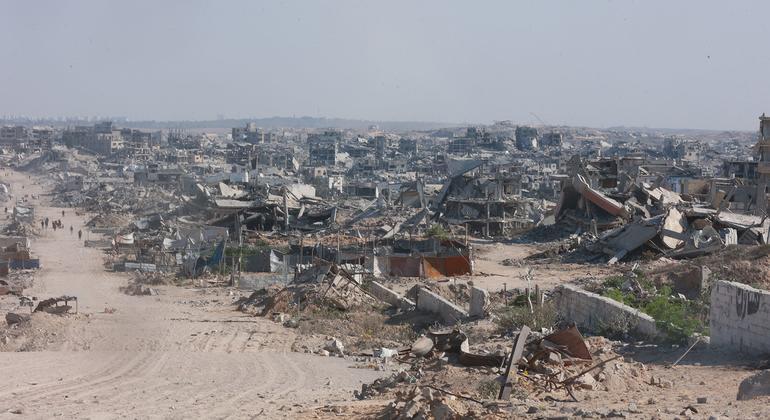
RDNA Finds Gaza Needs More Than $71 Billion Over Next Decade for Recovery
11 sources compared