Gaza Genocide08 March, 20262 min read
Israeli Reservist Soldier Kills Palestinian Man in Occupied West Bank as Israel Intensifies Military Presence
This article is an automated aggregation of coverage from news outlets. Our editorials offer in-depth analysis curated by the NewsCord team.
Israeli settlers shot and killed Palestinians in West Bank village attacks, wounding others One Palestinian later died from tear gas fired by Israeli forces accompanying the settlers
West Bank shooting report
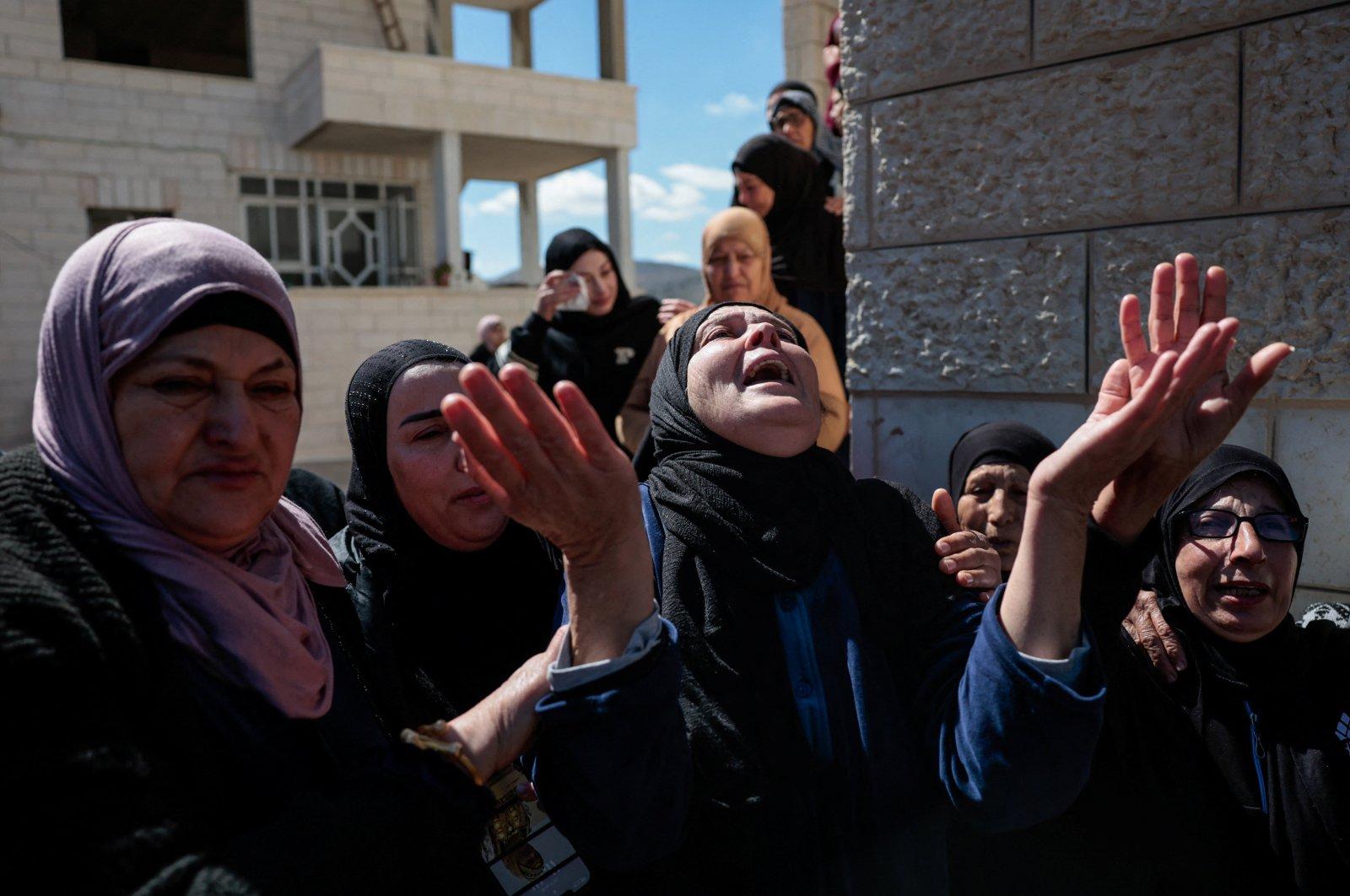
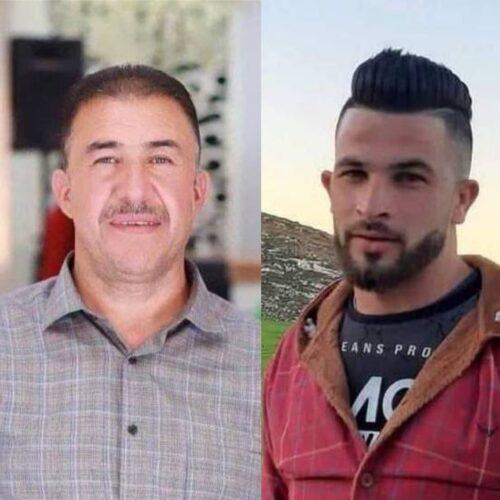
An Israeli reservist shot and killed a Palestinian man identified by rights groups and the Palestinian Health Ministry as Amir Muhammad Shanaran in the Israeli-occupied West Bank’s south Hebron Hills. The reservist also critically wounded his brother Khaled, and rights group B’Tselem and local medical sources documented the incident on Saturday.
“An Israeli reservist shot and killed a 28-year-old Palestinian, Amir Muhammad Shanaran, and critically wounded his brother Khaled on Saturday in the Israeli-occupied West Bank’s south Hebron Hills, rights group B’Tselem and the Palestinian Health Ministry said. Shanaran is the third Palestinian reported killed in the West Bank this week amid a surge in violence as Israel steps up its military presence because of the wider regional war.”
Sources give slightly different personal details for the slain man, with some reports listing his age as 28 and others listing 27. These discrepancies reflect initial reporting differences as violence surges across the West Bank while Israel intensifies its military presence.
West Bank violence context
The killing occurred amid a wider surge of deadly violence in the West Bank since Israel's offensive in Gaza began in October 2023, with Palestinian health authorities reporting more than 1,000 West Bank deaths while Israeli officials report far fewer Israeli casualties. Several outlets and rights groups explicitly describe the Gaza offensive in strong terms, with one major West Asian outlet calling the campaign 'genocidal'. These figures and characterisations underline that the uptick in West Bank killings is unfolding alongside, and in the shadow of, an offensively described Gaza campaign.
Abu Falah attack summary
A brutal settler attack in the village of Abu Falah near Ramallah left multiple Palestinians dead. Others were left suffocating after Israeli forces fired tear gas during follow-up operations. Local officials and hospitals named victims and described live gunfire and tear-gas exposure as causes of death.
“On Saturday night, Israeli settlers and soldiers reportedly killed three Palestinians in the village of Abu Falah near Ramallah: Thaer Faruq Hamayel, 30, and Fara Jawdat Hamayel, 57, were shot in the head after trying to stop masked settlers vandalizing olive trees, and Muhammad Hassan, 54, died after inhaling military‑grade tear gas fired by Israeli forces.”
Different reports give slightly varying victim counts and ages. The consistent element across outlets is that settlers opened fire and that at least one man later died after inhaling military-grade tear gas fired by Israeli forces.
Responses to settler attacks
Israeli security forces said they dispatched troops and police following the attacks and opened investigations. Senior IDF figures publicly condemned vigilante settler violence as unacceptable and promised to identify and prosecute perpetrators, while those statements came alongside military crowd‑control measures and follow‑up raids that some reports say involved tear gas. The official rhetoric of zero tolerance contrasts with repeated accounts from residents and rights groups describing settlers acting with impunity and sometimes with army backing.
Escalating West Bank violence
Rights groups and watchdogs warn the pattern is not isolated: violent settlers, often operating 'under cover' of the wider war, have escalated daily attacks that critics and some UN commentators say amount to vigilantism and may be part of a broader campaign that rights activists have called ethnic cleansing.
“Advocacy group Breaking the Silence says settlers have carried out about 10 attacks daily under cover of the wider war and warned the campaign amounts to ethnic cleansing as media attention shifts to other fronts.”
Independent monitors and local observatories provide higher cumulative death tolls and detailed incident tallies, framing the West Bank violence as systemic rather than occasional.