Gaza Genocide22 April, 20267 min read
Israeli Settlers And Soldiers Kill Two Palestinians Near School In Al-Mughayyir, East Of Ramallah
Two Palestinians killed near al-Mughayyir northeast of Ramallah by Israeli settlers and soldiers. Victims include a 14-year-old Aws al-Naasan and a 32-year-old Jihad Abu Naim.

Al-Mughayyir killings
Israeli settlers and Israeli soldiers opened fire near a school in the village of al-Mughayyir, east of Ramallah, on Tuesday morning, killing two Palestinians, including a 14-year-old, and wounding others, according to multiple reports. The Palestinian Ministry of Health identified the dead as Aws al-Naasan, 14, and Jihad Abu Naim, 32, with the Washington Post reporting that “Aws al-Naasan and 32-year-old Jihad Abu Naim were killed.” The BBC reported that the Mayor of al-Mughayyir, Amin Abu Alia, said “around 10 settlers approached the village along with soldiers and started shooting towards a school,” and that “Aws al-Naasan, 14, and Jihad Abu Naim, 32, were killed by soldiers.”
In the Times of Israel account, the shooting took place “outside the village school,” and it said the Palestinian Authority Health Ministry identified the two victims as “Aws Hamdi Al-Naasan, a 14-year-old student, and Marzouq Abu Naim, 32.” The Washington Post described the incident as “the latest episode” in violence in the occupied West Bank, while TRT World said the killings occurred in al Mughayyir “since the morning in separate incidents involving Israeli occupiers and Israeli army fire.”
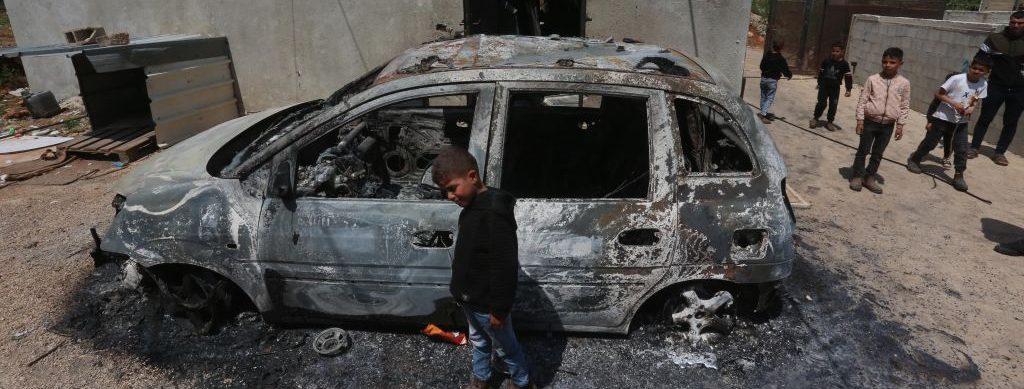
TRT World also said the Palestinian health ministry reported “three others were wounded,” bringing the total killed “since the morning to four,” as it added other deaths in Jenin and Hebron. In parallel, the WAFA Agency said the colonists’ gangs targeted “a school in Al Mughayyir village, northeast of Ramallah,” killing “two people, including a child,” and injuring “at least four others.”
Who fired and why
Accounts of the al-Mughayyir attack diverged on who fired and how the incident began, but they converged on the role of a reservist and on the location near the school. The Times of Israel said the shooting was “alleged to have been carried out by a reservist in the Israel Defense Forces,” and it described “video footage” showing “a uniformed man repeatedly firing a weapon,” prompting the military to announce an investigation. It added that the reservist was “later suspended from duty amid a Military Police investigation into the incident,” and that “The IDF confirmed on Tuesday afternoon that it had opened an investigation into the incident.”
In the BBC report, Israel’s military said it dispatched soldiers after “reports of stones being thrown towards an Israeli car carrying civilians, including a reservist who got out and ‘opened fire at suspects in the area.’” The BBC also quoted the military saying the soldiers then “acted to disperse the violent confrontation,” and it said the incident was “under review.” CBC’s account similarly said the Israeli military deployed forces after reports that stones were thrown at an Israeli vehicle carrying civilians and a reserve soldier, who exited the car and opened fire at “suspects.”
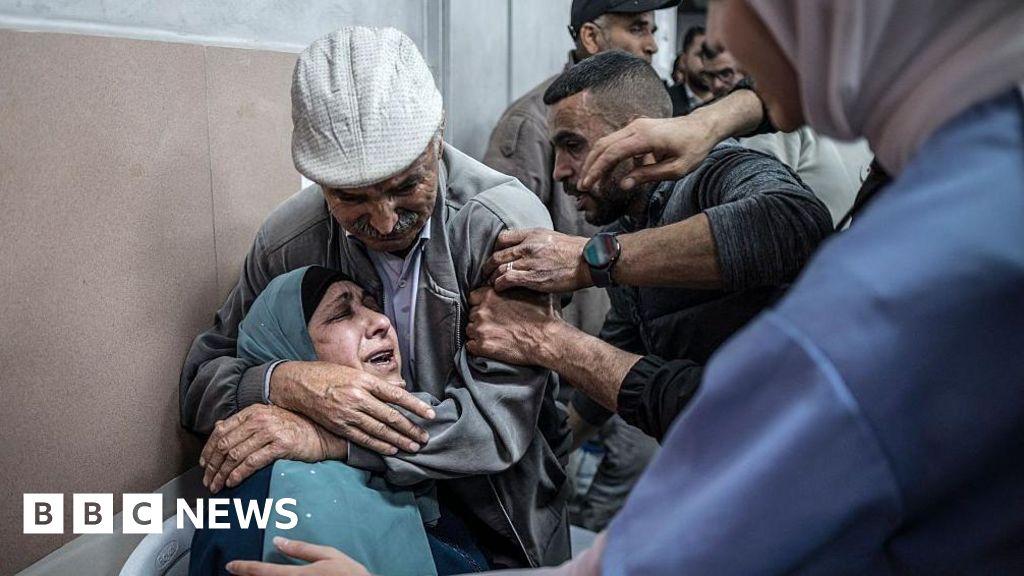
Eyewitness Kathem al-Haj Ahmed, 57, told Reuters that “The school was surprised by herds of settlers, who attacked the school along with the army,” and he added, “So they [the school] started to call the people to come and escort their children home, and that is when the settlers shot from one side and the army from the other.” In the Washington Post framing, the attack was described as “an attack by Israeli settlers and soldiers,” while WAFA condemned it as “the terrorist attack and massacre carried out by colonists’ gangs—described as among the most heinous tools of the Israeli occupation.”
Voices from the ground
Local and official voices portrayed the al-Mughayyir incident in sharply different moral and operational terms, while still describing the same school setting and the same named victims. The BBC quoted the Mayor of al-Mughayyir, Amin Abu Alia, saying “around 10 settlers approached the village along with soldiers and started shooting towards a school,” and it reported that the Palestinian health ministry blamed “settler gunfire.” In the Washington Post’s account, it said the reservist shot and killed “two Palestinians near a school east of Ramallah,” and it identified the dead as “Aws al-Naasan and 32-year-old Jihad Abu Naim.”
TRT World reported that the Palestinian health ministry said two were killed by Israeli occupiers’ gunfire in al Mughayyir “including a child,” and it identified them as “Aws Hamdi al Naasan, 14, and Jihad Marzouq Abu Naim, 32.” Kathem al-Haj Ahmed, 57, told Reuters through the BBC that “This is our reality in al-Mughayyir village; it's a displacement operation,” and he said, “They attack us from all sides... and both the army and the settlers are exchanging roles among them.” The Straits Times, also citing Reuters, quoted Kathem Al-Haj-Ahmed, 57, saying, “This is our reality in al-Mughayyir village; they aim to displace us, and both the army and the settlers are exchanging roles among them,” while describing panic as parents raced to the school.
In WAFA’s statement, the Palestinian Ministry of Foreign Affairs and Expatriates condemned the attack as “systematic Israeli genocide,” and it said the colonists’ gangs targeted the school “leading to the killing of two people, including a child.” The Times of Israel added a different voice by including a resident account from Imran Abu Awliya, who said the incident began when “five settlers, some in civilian clothing and others in uniform, were spotted herding livestock near the village school,” and he described how “students went outside to see who they were, at which point the settlers opened fire at the windows of the building.”
Different totals, different frames
The same al-Mughayyir incident was framed differently across outlets, particularly in how they described responsibility and how they placed the event within a broader pattern of violence. The BBC and CBC both described the event as an attack involving settlers and soldiers, with the BBC quoting the Palestinian health ministry’s “settler gunfire” framing and the Israeli military’s explanation about stones thrown at an Israeli vehicle. The Times of Israel described the shooting as “alleged to have been carried out by a reservist in the Israel Defense Forces,” and it emphasized that “video footage” showed a uniformed man firing and that the reservist was “suspended from duty.”
TRT World, meanwhile, placed the killings within “separate incidents involving Israeli occupiers and Israeli army fire” and reported that the total killed “since the morning” reached four, adding deaths in Jenin and Hebron. WAFA’s foreign ministry statement treated the al-Mughayyir school attack as part of “systematic Israeli genocide,” saying the colonists’ gangs targeted the school and that the crimes “constitute a deliberate attempt to reproduce the Nakba.” The Washington Post described the incident as “the latest episode” and said an Israeli reservist shot and killed two Palestinians near a school east of Ramallah, while it did not adopt WAFA’s genocide framing.
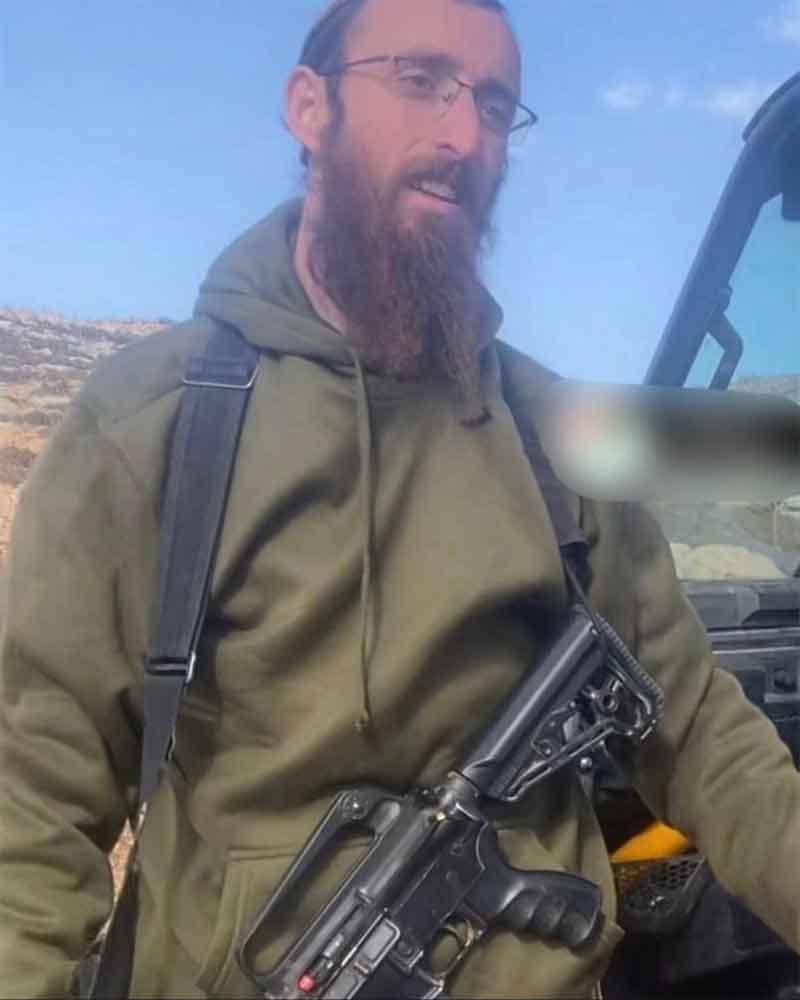
The Straits Times and NEWS10 ABC both used AP-style reporting and described the reservist as an “army reservist,” with NEWS10 ABC saying the military said “the gunman was a civilian, an army reservist who wasn’t mobilized.” In contrast, the New Arab reported that “Israeli settlers deliberately fired at the students with the intention of killing them,” and it said “Israeli forces provided cover for the settlers, while beating back residents who were attempting to rescue their children.”
Gaza strikes and next steps
While the al-Mughayyir attack unfolded in the occupied West Bank, Gaza-related reporting in the same coverage described additional Israeli strikes and deaths, and it connected the violence to a fragile ceasefire context. The Straits Times said that “in Gaza, health officials said two Palestinians were killed in Israeli strikes,” including a woman in Beit Lahiya killed by “gunfire from an Israeli naval boat,” and it added that “a man was killed in an Israeli air strike on the eastern side of Khan Younis in southern Gaza.” It reported that “Three other Palestinians were also killed in the Khan Younis area overnight,” and it described mourners arriving at hospitals in Gaza City and Khan Younis for burials, with “Women wept, and men performed prayers before the burials.”
NEWS10 ABC similarly said “Israeli strikes kill 5 in Gaza,” reporting that hospital authorities said “including four suspected militants” were killed when “a drone strike hit a Hamas-controlled security point just after midnight in Khan Younis.” It added that in Beit Lahiya, “a 30-year-old woman was killed when Israel’s navy opened fire toward tents sheltering displaced people early Tuesday,” and it quoted the Israeli military saying it “wasn’t aware of attacks in Beit Lahiya.” The Straits Times also placed the Gaza deaths “since a fragile ceasefire deal in October attempted to halt the more than two-year-long war between Israel and the militant Islamist group Hamas,” and it said “Progress has stalled on parts of the deal, which include the disarmament of Hamas and an Israeli army pullout.”

In that same report, it said “More than 750 Palestinians have been killed since the ceasefire deal took effect, according to local medics, while Israel says militants have killed four of its soldiers,” and it described Israel and Hamas trading blame for ceasefire violations. WAFA’s statement, although focused on the West Bank, called for “urgent international action” and urged “immediate and concrete measures,” including “designating settlement groups as terrorist organizations” and “imposing sanctions on the colonial system and the occupation army.”