West Bank · 18 August, 2026 · 3 min read
Palestinian-American Loui Ridi Returns to Qusra Home Encircled by Armed Israeli Settlers
Loui Ridi returned to Qusra to secure his West Bank home besieged by settlers. He raised a United States flag over his home during the siege.
17 outlets told this the same way.
Outlets did split on Israeli Settlers Attack Jalud Village, Block Al-Tubasi Family Return in West Bank →
11 of 12 outlets skipped it: US pressure aimed to force Netanyahu to condemn settlers.
Al-Monitor was read line by line by the Watchdog: 1.5. See the score →
17outlets compared
Qusra siege and travel
Palestinian-American Loui Ridi left Detroit for the Palestinian territory after his home in the occupied West Bank village of Qusra was encircled by armed settlers for more than a week. Ridi’s 83-year-old mother was among 15 Palestinians trapped in three homes surrounded by illegal Israeli settlers, and the siege had been in place since August 9, according to the accounts of the situation in Qusra. The West Bank, where Israel captured the territory in the 1967 Middle East war, is described as having seen a surge in settler attacks against Palestinians in recent years, with Prime Minister Benjamin Netanyahu’s right-wing government spearheading a massive expansion of settlement construction.
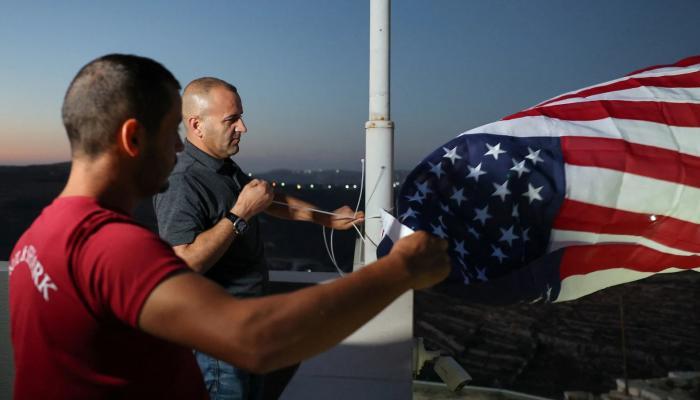
A separate Reuters account says Ridi raised a giant American flag over his West Bank home, hoping it might deter militant settlers besieging the property, and that he arrived in Qusra late on Monday after traveling from the U.S. In the same Reuters reporting, the Israeli military vehicle and soldiers told the settler it was a closed military area, while Ridi said the settlers’ presence was illegal and he should be arrested.

Confrontation and US pressure
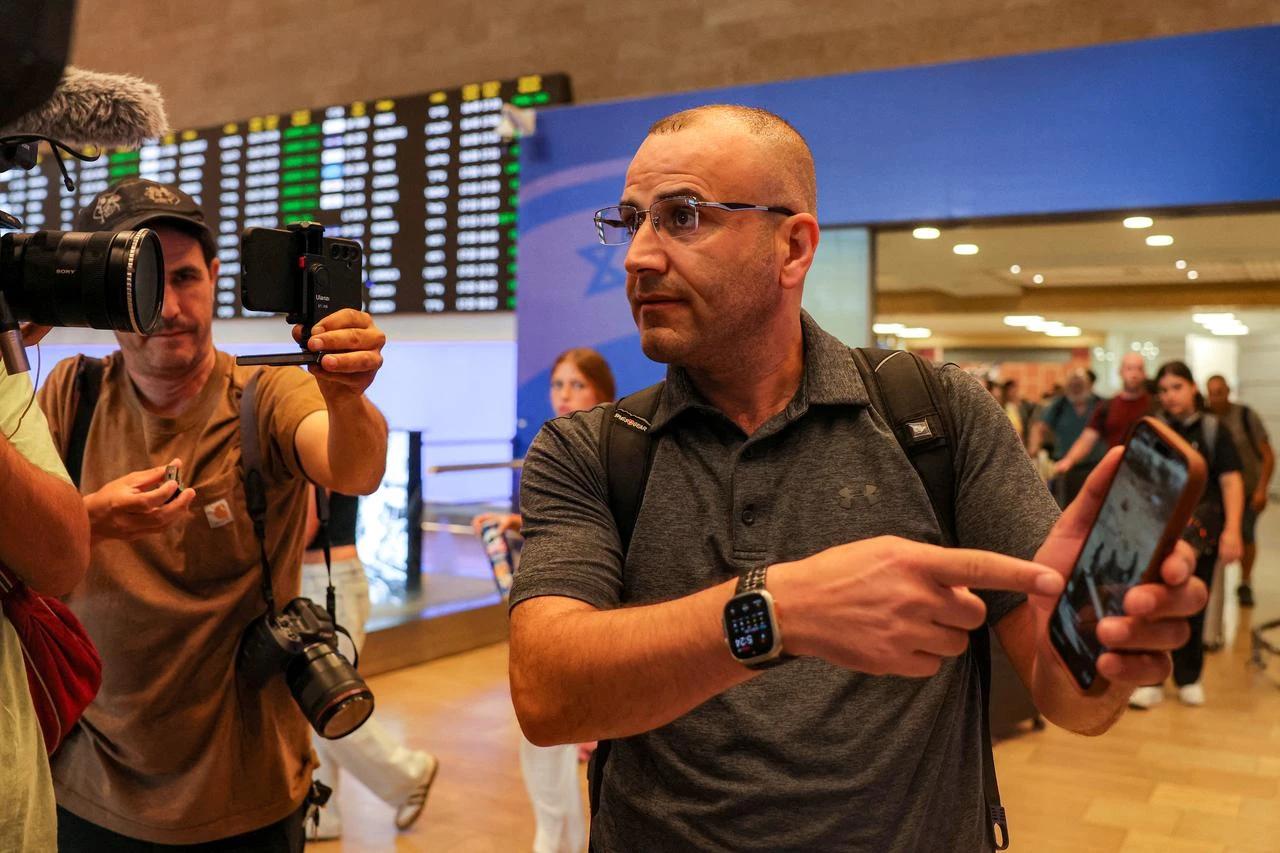
During a tense face-off filmed by Reuters, a settler approached Ridi while holding what appeared to be a Torah and filming with a mobile phone, and the settler told him, "You are a terrorist settler, you know that?"
Ridi responded by telling Reuters he was taking a morning walk among his cherry and fig trees when the settler came from the hill above, and he said the settler’s presence was illegal.
In a separate report focused on Washington’s role, Juridat al-Quds says the U.S. administration has been mounting persistent pressure on Israeli Prime Minister Benjamin Netanyahu to issue a public and explicit condemnation of extremist settlers imposing a siege on the village of Kfar Qatra.
That same report quotes U.S. Ambassador to Tel Aviv Michael Herzog describing the groups surrounding Palestinian homes as 'Israeli terrorists,' and it says the White House official stressed the necessity of halting provocative actions that undermine the prospects for peace.
Flags, deterrence, and stakes
After spending seven nights watching through surveillance cameras as settlers besieged his house, Ridi returned from Ohio and raised an American flag on his roof, telling Reuters, "I decided I want to raise this flag." Reuters also reports that Ridi said the message was that if he could not protect the house and the settlers end up there, "they're going to raise (their) flag," but "before they raise their flag, they have to move the American flag." In the same Reuters account, Yaser Alkam, a spokesman for the village’s Palestinian American community in Turmus Ayya, said flying American flags is "a form of security, a form of protection," and that it provides deterrence not only to the settlers but also to the IDF.
“‘I decided I want to raise this flag.”
The stakes described in the coverage include the continued fear of leaving homes while settlers remain outside, with Reuters reporting that with settlers still outside, the families are afraid to leave their homes. The Reuters reporting also ties the siege to wider tensions in the West Bank, describing it as part of what rights groups say is a wider effort by settlers to seize more land from Palestinians, further eating into territory where they aim to establish a state.