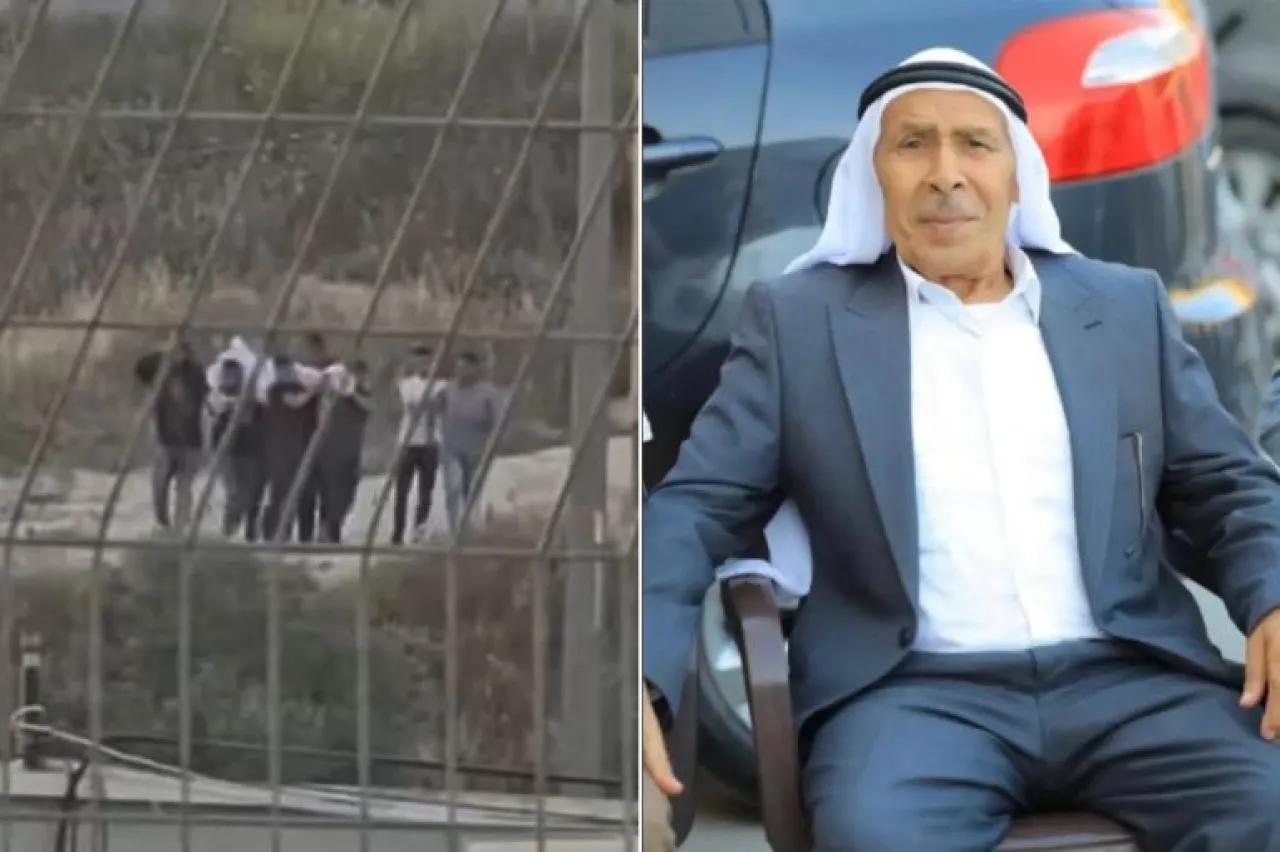
Israeli Settlers Force Palestinian Family To Exhume Hussein Asasa’s Body Near Sa-Nur
Key Takeaways
- Settlers forced exhumation and relocation of Hussein Asasa's body in al-A'sa'asa near Sha-Nur, Jenin.
- Hussein Asasa, 80, had just been buried when the exhumation occurred.
- UN rights office condemned the incident as appalling and dehumanising.
Exhumation After Burial
Israeli settlers forced a Palestinian family to exhume the body of Hussein Asasa, an 80-year-old man who died of natural causes on Friday and was buried shortly after near the northern West Bank settlement of Sa-Nur, with the family saying the burial had been coordinated in advance with Israeli security forces.
Haaretz reported that Israeli settlers forced Palestinians to exhume the body of an 80-year old man buried on Friday near Sa-Nur, claiming the al-Asasa village burial site was too close to the settlement.
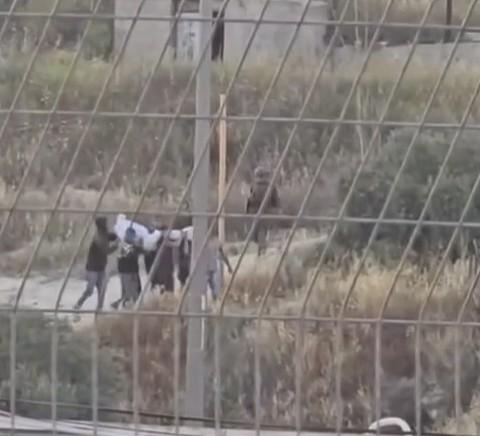
The BBC said Mohammed Asasa had sought permission of a nearby Israeli military base to allow his father’s funeral to proceed, but less than half an hour later several children ran into the house shouting, "the settlers are digging up the grave!"
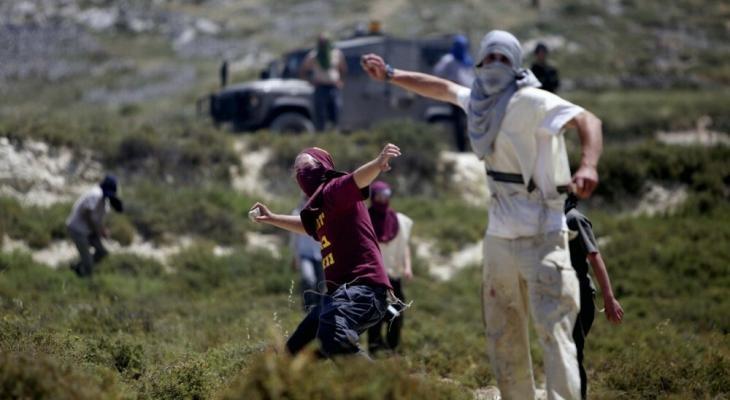
The BBC described mobile phone footage showing family members having to then dig up the grave themselves after settlers warned them, "Either you exhume the body or we'll do it," as the settlers were hacking away at the newly laid grave with heavy hand tools.
IDF, UN Condemnations
The Israeli military denied giving reburial instructions, saying soldiers were sent to the area after receiving reports of a confrontation involving settlers and that soldiers confiscated digging tools from the settlers and remained at the scene to “prevent further friction.”
NPR quoted Mohammed Asasa describing the settlers’ ultimatum at the burial site, saying, "Either you take the dead body away right now or we'll use a bulldozer to remove him from the grave and dump him for you," as relatives carried Hussein Asasa away wrapped in a white shroud.

The United Nations Human Rights Office for the occupied Palestinian territory called the incident a "despicable" example of the "new level of dehumanization of Palestinians that is happening in the occupied West Bank," and NPR reported that Ajith Sunghay said the incident showed the "constant failure" of the Israeli military's obligation under international law.
In a statement to the BBC, the Israel Defense Forces said it "condemns any attempt to act in a manner that harms public order, the rule of law, and the dignity of the living and the deceased" while the BBC reported the family accused soldiers of standing by.
Aftermath and Wider Context
NPR reported that Mohammed Asasa said his family was given 30 minutes on Friday to lay his father to rest, and that settlers protested and heckled during the funeral, with the family later laying Hussein Asasa to rest in a cemetery in a nearby town.
The BBC said the settlers were from the recently reestablished settlement called Sa-Nur, situated on top of the hill above the cemetery, and it reported that after the settlers were allowed to bring their mobile homes and re-establish a settlement at Sa-Nur, much of the area has been designated a "closed military area."
The BBC quoted Ajith Sunghay saying the UN human rights office condemned the incident as "appalling and emblematic of the dehumanisation of Palestinians" and that "It spares no-one, dead or alive," while also describing tensions in the community since Sa-Nur was re-established.
The BBC linked the episode to a broader pattern, saying there has been a recent surge in settler-related violence across the West Bank and that the New York Times reported that between the start of the US-Israeli war against Iran and the end of April, 13 Palestinians had been killed in settler attacks, hundreds injured and many more driven from their homes.
More on Gaza Genocide

Israel Detains Jerusalem Grand Mufti Sheikh Muhammad Hussein, Bans Him From Al-Aqsa for One Week
15 sources compared
Israeli Security Forces Kill Four Bani Odeh Family Members Near Tubas in West Bank
14 sources compared
Haley Stevens And Abdul El-Sayed Clash In Michigan Senate Debate Over Israel And Gaza Policy
12 sources compared
Settlers Attack Hawara, Injuring 13 Palestinians South of Nablus
13 sources compared