Gaza Genocide27 April, 20269 min read
Israeli Soldiers And Settlers Use Sexual Violence To Force Palestinians From West Bank
At least 16 cases of conflict-related sexual violence by Israeli settlers and soldiers documented. Violence used as a coercive tactic to displace Palestinians from the West Bank.
Report Details
A new report on the occupied West Bank says sexual violence and other forms of gender-based abuse committed by Israeli settlers and soldiers are spurring Palestinians to leave their homes, with researchers describing a coercive environment that shapes decisions about remaining or departing. Al Jazeera reports that researchers from the West Bank Protection Consortium detailed at least 16 cases of conflict-related sexual violence attributed to Israeli settlers and soldiers, in a study titled “Sexual Violence And Forcible Transfer In The West Bank: How The Exploitation Of Gender Dynamics Drives Displacement,” released on Monday. The report’s evidence, Al Jazeera says, is based on interviews with 83 Palestinians from across 10 communities in the Jordan Valley, the South Hebron Hills and the central West Bank.
Al Jazeera adds that “The evidence shows how sexualised violence is used to pressure communities, shape decisions about remaining or leaving their homes and land, and alter patterns of daily life,” and it warns that the real number of attacks likely remains underreported. The Guardian similarly says the group recorded “Sixteen cases of conflict-related sexual violence” over the last three years, and it frames the figure as likely undercounted because of “the shame and stigma faced by survivors.”

News18 also describes the same consortium report, saying researchers recorded 16 cases over the past three years while warning the real number is likely far higher because of stigma and fear around reporting. Across the coverage, the report’s core claim is that sexualised violence is not isolated but functions as a pressure mechanism that penetrates daily life and private spaces, with Al Jazeera describing “surveillance of intimate spaces – including bedrooms.”
How Displacement Happens
The report described in multiple outlets links sexualised violence to forcible transfer by portraying it as a coercive tool that shifts fear from chronic to unbearable and makes continued residence “increasingly untenable.” Maktoob says the report warns that abuses “are contributing to the forcible transfer of communities under a coercive environment,” and it ties the pattern to a wider system of pressure rather than direct physical force. It also states that since January 2023, when UN OCHA began systematically documenting displacement linked to specific incidents of settler violence, “1,037 Palestinian households have been displaced across 107 communities and residential areas,” comprising “more than 5,600 people, including over 2,600 children.”
Al Jazeera similarly reports that “more than 70 percent of the displaced people interviewed said that threats to women and children, particularly sexualised violence, were the decisive reasons for leaving their homes,” and it adds that families adopt “gendered protective strategies, including the partial transfer of women and children and recourse to early marriage.” The Guardian quotes the report’s framing that “Sexualised violence is used to pressure communities, shape decisions about remaining or leaving their homes and land, and alter patterns of daily life,” and it says the consortium found “More than two-thirds of households surveyed identified rising violence against women and children, including sexual harassment targeting girls, as a tipping point.” News18 echoes the same turning-point language, saying families described sexualised harassment as the moment fear became “unbearable.”

The Guardian also describes how the violence extends into private life, with “forced nudity” and “invasive and painful body cavity searches,” and it says Israeli soldiers present during abuse “had repeatedly failed to prevent it or prosecute those responsible.” In the same reporting stream, Al Jazeera adds that researchers found “incidents of ‘sexualised harassment, intimidation and humiliation have intensified,’” and it warns that the real number likely remains underreported, reinforcing the report’s emphasis on fear and stigma as barriers to reporting.
Voices and Testimonies
The reporting repeatedly returns to individual testimony and named advocates to illustrate how the alleged abuse plays out and how it is interpreted by rights groups.
“We could hear them screaming but we could not reach them.”
Al Jazeera includes the account of Nasrin Begum, a sewing machine operator who escaped by jumping from a second-floor window, saying: “We could hear them screaming but we could not reach them,” and it describes how researchers say Palestinians were forced to strip, beaten and urinated on, with attackers sharing images of the abuse.
The Guardian quotes the report’s description of a woman subjected to a painful internal search by two female soldiers, saying she was “instructed to open her legs in a way that caused pain,” and it includes the report’s mention of “derogatory comments and touching of intimate areas.”
The Guardian also quotes Kifaya Khraim, the advocacy unit manager at the Ramallah-based Women’s Centre for Legal Aid and Counselling (WCLAC), saying: “Girls aren’t going to schools, and you see early, forced marriages. These are minors, but we know their mothers and fathers are trying to protect them by sending them out of the area,” and it adds: “Women lose their jobs because they can’t get to work because of the sexual violence and then deciding to stay at home.”
Milena Ansari, head of the occupied Palestinian territory department at Physicians for Human Rights – Israel, is quoted by The Guardian as saying the rise is happening “amid a broader culture of impunity for attacks on Palestinians,” and it points to the decision to drop charges against soldiers for the filmed rape of an inmate at the Sde Teiman centre.
In the same thread, Al Jazeera reports that Amnesty International called the reinstatement of five soldiers “yet another unconscionable chapter in the Israeli legal system’s long-standing history of granting impunity to perpetrators of grave crimes against Palestinians.”
Maktoob and other outlets also attribute the report’s framing to the West Bank Protection Consortium, describing how “more than 70%” of displaced households interviewed said threats to women and children were decisive, while the report says families adopt “gendered protective strategies.”
The voices in the coverage also include the report’s own language about pressure and fear, with News18 quoting that families described sexualised harassment as the moment fear became “unbearable,” and the consortium’s statement that “Sexualised violence is used to pressure communities, shape decisions about remaining or leaving their homes and land, and alter patterns of daily life.”
UN and Policy Context
Beyond the report itself, the coverage places the alleged sexual violence within a broader pattern of displacement and policy changes described by the United Nations and other monitoring groups. Al Jazeera’s account of the West Bank Protection Consortium report is echoed by The Guardian’s description of how the violence is used to force Palestinians from their homes, with the Guardian saying the study details “accounts of escalating sexualised attacks and humiliation of Palestinians in their communities and inside their homes since 2023.” The Al Jazeera report also notes that the Israeli military authorized five soldiers accused of sexually assaulting a Palestinian inmate in the Sde Teiman detention camp to return to reserve service after charges were dropped, and it says the soldiers are being reinstated despite an ongoing internal military inquiry.
It adds that rights groups condemned the decision as a legal injustice, with Amnesty International calling it “yet another unconscionable chapter” about impunity. Maktoob and other outlets connect the report’s findings to the displacement documentation work of UN OCHA since January 2023, while The Guardian and News18 emphasize the report’s warning that the real number is likely higher due to stigma and fear. In a separate UN-focused report, Al Manصة says the United Nations highlighted “a surge in violations against Palestinians in the West Bank yesterday,” reporting that sexual assault and harassment by Israeli settlers and the military have reached into private homes and forced families to flee.
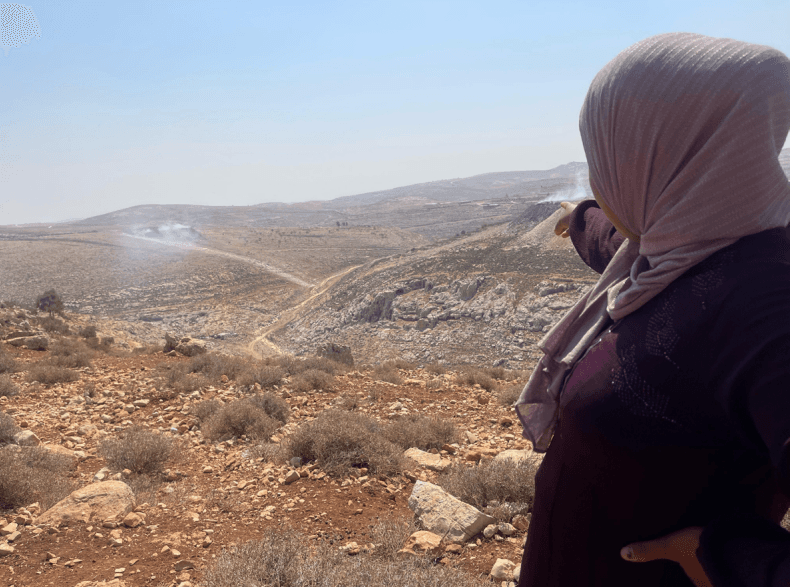
Al Manصة quotes UN Spokesperson Stéphane Dujarric as stating that “more than 70% of these displacements are directly attributable to settler attacks and the tightening of restrictions on movement and access.” The same UN-linked coverage says that “Since the beginning of 2026, more than 2,500 Palestinians—including 1,100 children—have been displaced across the West Bank,” and it adds that the displacement is occurring amid “a broader escalation of military and settler activity.” It also describes Israeli administrative measures, saying the Israeli security cabinet approved decisions that “fundamentally alter land registration and management in the West Bank,” and it reports that on December 11 the cabinet approved plans for “19 new settlements.”
Stakes and What Comes Next
The stakes described across the reporting are both immediate—continued displacement and harm—and legal, centered on accountability and the risk that coercive conditions amount to forcible transfer. The West Bank Protection Consortium report, as quoted by The Guardian, says “Sexualised violence is used to pressure communities, shape decisions about remaining or leaving their homes and land, and alter patterns of daily life,” and it warns that the violence is “hastening the displacement of Palestinians.” Maktoob says the report calls for “urgent international action,” warning that “continued impunity and escalating abuses risk deepening displacement and long-term harm to Palestinian communities.”
The report is also framed in legal terms in Maktoob, which says it argues that such conditions create a coercive environment that may amount to forcible transfer “under international humanitarian law,” even “in the absence of direct physical force.” Al Jazeera’s coverage of the broader context includes Amnesty International’s condemnation of the decision to reinstate soldiers after charges were dropped, and it describes how rights groups condemned the decision as a legal injustice. In the same vein, the Guardian quotes Clean Clothes Campaign spokesperson Ineke Zeldenrust in a different context, but within this West Bank reporting stream the key accountability voice is Milena Ansari, who tells The Guardian that the rise is happening “amid a broader culture of impunity for attacks on Palestinians.”
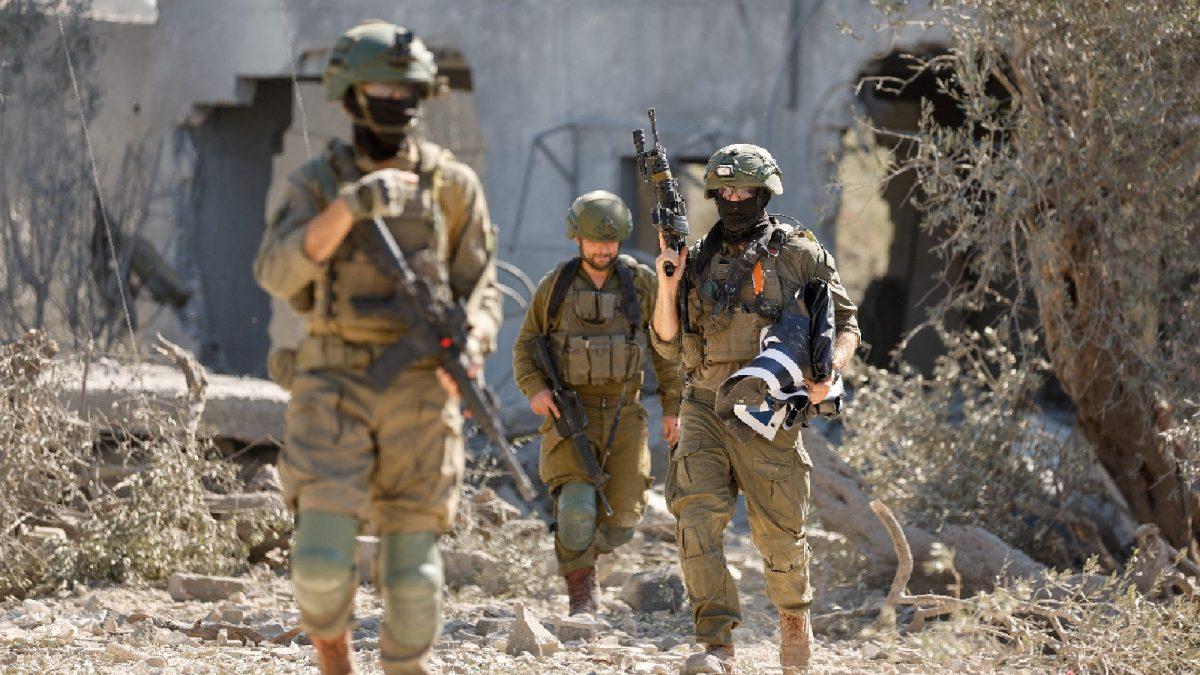
The UN-linked coverage in Al Manصة adds that the displacement is occurring alongside “new Israeli administrative measures designed to cement control over the illegally occupied West Bank,” and it describes the Israeli security cabinet approving changes to land registration and management and plans for “19 new settlements” on December 11. The report’s consequences are also described in social and economic terms, with Maktoob saying “most displaced women lost their sources of income,” and it states that “many children lost access to education.”
Al Jazeera and News18 both emphasize that the violence is underreported due to stigma, with Al Jazeera warning that the real number likely remains underreported and News18 stating the real number is likely far higher because of “stigma and fear around reporting such abuse.” Taken together, the reporting portrays a cycle in which fear, humiliation, and restrictions drive displacement, while accountability failures and policy moves risk entrenching the conditions that the report says may amount to forcible transfer.